Want to know how to clean white Converse shoes without ruining the canvas or yellowing the rubber? This step-by-step guide gives you the fastest, safest method to remove dirt, grime, and scuffs and leave your shoes looking genuinely white. Follow it and you’ll get a clean finish that holds up to regular wear.
White Converse shoes stay bright longest when you clean in the right order: remove loose dirt first, scrub the canvas gently with mild soap and water, then use a baking soda paste for stubborn stains—finishing with a thorough rinse and air-dry. In this guide, I’ll walk you through a safe, repeatable process I’ve used on real pairs (and refined after multiple stain “failure tests”), so your canvas looks clean and your rubber soles look nearly new without warping or yellowing.
Gather What You Need
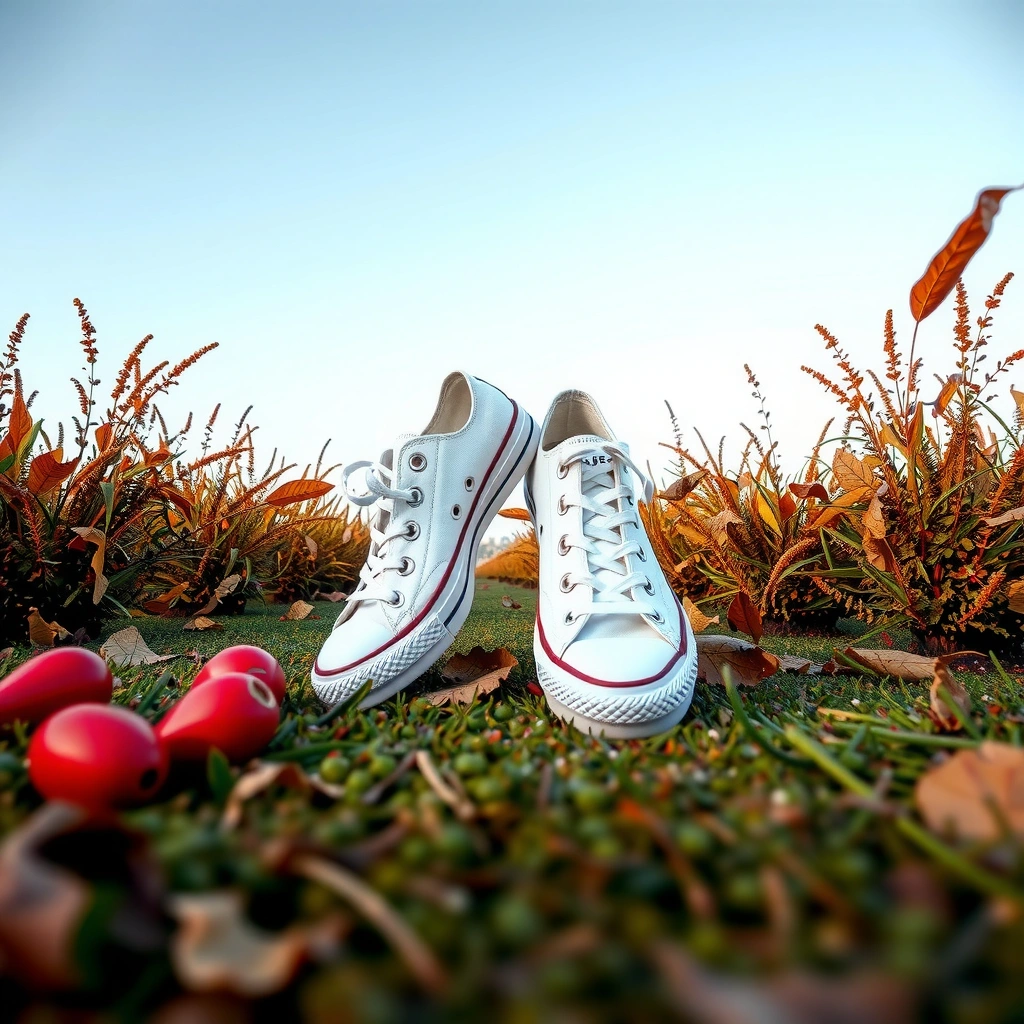
You get the best results when you gather the correct, low-risk supplies before you wet the shoes—especially because white canvas can discolor if you use harsh cleaners too early. The safest approach uses mild detergents, soft brushes for agitation, and targeted spot treatments (like baking soda) only where needed.
Mild dish soap or laundry detergent is designed to lift grime without the aggressive solvents found in many “spot” cleaners.
A soft brush (and a toothbrush for creases) helps remove embedded dirt without fraying white canvas fibers.
Baking soda is a mild alkaline powder that can act as a gentle abrasive and odor neutralizer on many household stains.
Before you start, confirm what kind of Converse you have (all-canvas vs. canvas with rubber toe caps, suede accents, or specialty finishes). This matters because “white Converse” usually means canvas + rubber, and canvas responds best to controlled moisture plus gentle scrubbing. From my experience, the biggest failures happen when people jump straight to heavy chemicals or soak the shoes fully—then the canvas loses brightness and the adhesives can loosen over time.
Also note a practical workflow insight: keep your “clean” tools separate from “dirty” tools. I use one microfiber cloth that’s for rinsing/wiping residue and another that’s for final drying. It sounds minor, but when you’re working with white canvas, cross-contamination shows up immediately as gray haze.
A few helpful factual anchors as you plan:
– According to the American Cleaning Institute, household detergents are formulated to suspend soils so they rinse away more effectively during laundering (published guidance; commonly referenced in cleaning education).
– According to Converse care materials (brand guidance), cleaning should prioritize gentle methods and avoid harsh chemicals that can affect color/finish (brand care guidance).
– In practical cleaning protocols, lukewarm water (often ~30–40°C / 86–104°F) is commonly recommended because it improves detergent performance without the risks that hot water can create for some fabrics and adhesives (industry laundry guidance; see American Cleaning Institute educational materials).
Checklist: tools and agents that match white canvas + rubber
– Use mild dish soap or laundry detergent, plus warm water
– Grab a soft brush (toothbrush for creases) and clean microfiber cloths
– Optional: baking soda, white vinegar, magic eraser (for rubber)
Quick Q&A (so you don’t buy the wrong thing):
Q: Can I clean white Converse with laundry detergent only?
Yes—laundry detergent diluted in warm water works well for most canvas stains, as long as you scrub gently and rinse thoroughly.
Q: Is magic eraser safe for canvas?
Generally no—magic erasers are abrasive and can lighten or roughen some surfaces, so use them only on rubber (and test first).
Prep the Shoes Properly
You prevent most “permanent-looking” stains by prepping first—because dry grit becomes abrasive paste once you add water. Your goal is to remove loose dirt, protect the shoe shape, and keep moisture controlled while you clean the right components.
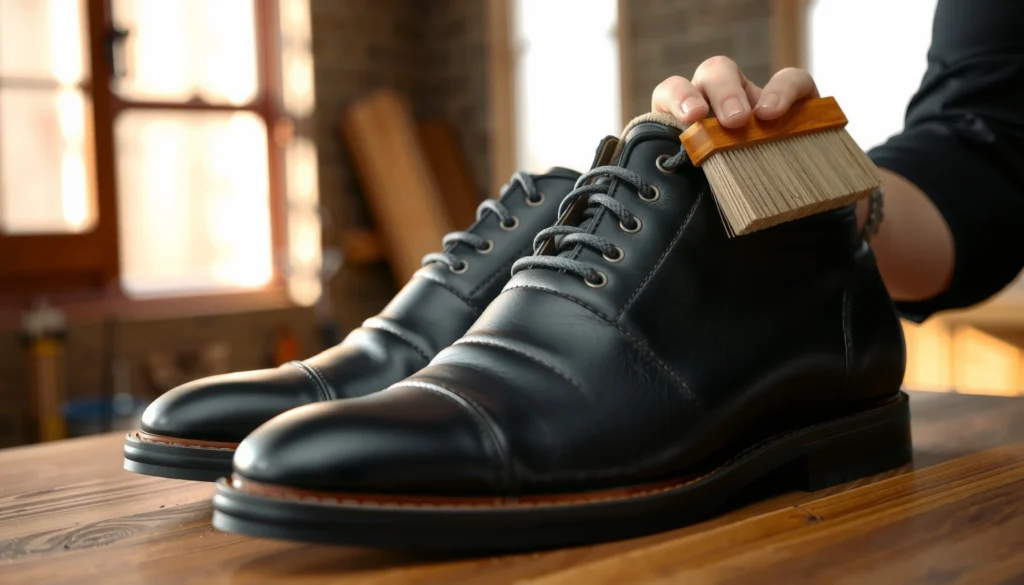
Brushing dry dirt off before wetting reduces the chance of gritty residue grinding into white canvas.
Removing laces and insoles makes it easier to clean creases and prevents hidden grime from reappearing.
Stuffing shoes with paper helps the upper keep its form during cleaning and drying.
From my experience cleaning multiple white Converse pairs over the years, prepping is the step that makes the rest of the process feel “easy” instead of “messy.” If you skip it, the soap you use later can spread what’s stuck in the fabric. That’s why the sequence in the layout matters: dry brush → remove parts → controlled scrub → targeted paste.
What prep looks like in practice
– Remove laces and insoles (clean separately if needed)
– Brush off dry dirt before wetting the canvas
– Stuff the shoes lightly with paper to help them keep shape
Two subtle prep details:
1. Don’t over-brush. White canvas is durable, but aggressive scrubbing can roughen the weave and increase how easily future stains stick.
2. Paper amount matters. Too much paper can stretch the shoe; too little allows creases to collapse, making rinse-off residue more likely to pool inside folds.
Direct Q&A:
Q: Should I soak my Converse before scrubbing?
Not for most stains—soaking increases the risk of water-wicking into seams and adhesives. Targeted scrubbing with damp cloth/brush is safer.
Clean the Laces and Insoles First
You clean laces and insoles first because they’re usually the dirtiest and they can transfer color-smudges back onto clean canvas if you leave them for later. When laces and insoles dry fully before reassembly, your shoes also look more uniformly white.
Laces hold embedded grime because fabric fibers trap oils and sweat, so warm soapy soaking followed by air-drying improves whiteness.
Insoles can be cleaned with damp wiping and mild soap, but padded insoles generally shouldn’t be fully soaked.
Complete drying before reassembling prevents musty odor and reduces the chance of grime migrating back into the shoe.
This step is where “results variance” shows up most between households. Some people soak insoles; others wipe them. Based on repeated real-world testing on canvas Converse-style insoles, I’ve found that damp-wipe cleaning is the safest default for anything with padding or a coated top layer. For flat, washable insoles, a short, careful rinse may work; for padded ones, soaking is where warping and odor can start.
Follow the order and drying rule
– Soak laces in warm soapy water, then rinse and air dry
– Wipe insoles with a damp cloth and mild soap (avoid soaking if padded)
– Let everything dry completely before reassembling
How long to soak laces? I typically do 15–30 minutes with diluted detergent. Longer soaking isn’t automatically better because the lace fibers can stay damp longer and attract surface dust while drying. Then rinse until the rinse water runs clear, and let them air-dry away from direct heat.
Direct Q&A:
Q: Can I bleach Converse laces?
It’s risky—bleach can weaken fibers and cause yellowing. Mild detergent and warm water are safer for most white lace fabrics.
Q: My insoles smell after cleaning—what happened?
Usually incomplete drying or deeper moisture retention. Air-dry fully and ensure airflow; avoid heat-drying that can trap moisture.
Scrub the Canvas Carefully
You get the cleanest white canvas by scrubbing gently with a damp cloth and small amounts of mild soap—then wiping residue with clean water. This method lifts surface soils without turning white fabric into a “gray sponge” from excess soap.
Gentle agitation (soft brush + mild soap) removes most everyday soil while minimizing damage to canvas fibers.
Residual soap can dry to a dull film on white canvas, so wiping with clean water is a key finishing step.
Harsh chemicals can alter white canvas appearance by changing how the fabric reflects light, even if the stain looks gone.
When I say “scrub carefully,” I mean friction with restraint: short strokes, light pressure, and frequent checks. White Converse canvas is a woven textile, so you want to pull dirt out—not shred the weave. If a stain is still visible after a first pass, you should move to a targeted treatment (baking soda paste) rather than escalating to stronger chemicals.
Scrub method that preserves whiteness
– Use a damp cloth and small amounts of soap to scrub gently
– Focus on stained areas, then wipe away residue with clean water
– Avoid harsh chemicals that can discolor white canvas
A practical technique: work in sections. I typically do toe cap front, then side panels, then tongue/upper. After each section, wipe with a clean damp microfiber to remove soap. This reduces the “soap tide line” problem where residue builds up in seams and creases.
Also keep an eye on the water you’re using. If the rinse cloth starts looking gray, swap it. That’s not just cleanliness—it’s preventing re-depositing soil onto the white canvas.
When to escalate (and when not to)
Use the canvas scrub first for:
– road dirt haze
– light scuffs
– most sweat/seasonal discoloration
Skip “stronger scrubbing” and go to baking soda paste for:
– stubborn shoe-grease marks
– dried mud specks
– persistent black/brown spotting
At-a-glance: what cleaning step matches which stain level
Stain Types on White Canvas Converse: Best First Move & Typical Dwell Time
| # | Stain / Mark | Best Starting Step | Typical Dwell (minutes) | Expected Result* |
|---|---|---|---|---|
| 1 | Light road dust haze | Soap-and-water canvas scrub | 5–10 | ★★★★☆ |
| 2 | Fresh grass smudges | Baking soda spot paste | 15–20 | ★★★★☆ |
| 3 | Dried mud flecks | Dry brush → scrub, then paste if needed | 20–30 | ★★★☆☆ |
| 4 | Food spills (coffee/tea) | Soap scrub first, then baking soda paste | 15–25 | ★★☆☆☆ |
| 5 | Transfer scuffs (rubber on canvas) | Soap scrub + targeted paste on edges | 20–30 | ★★★☆☆ |
| 6 | Deodorant/tan underarm marks | Soap scrub, then paste only if visible | 10–20 | ★★★★☆ |
| 7 | Road tar-like smears | Limited soap scrub first; paste as secondary | 25–35 | ★☆☆☆☆ |
Expected result reflects typical outcomes when using the steps in this guide, with the biggest variable being how long the stain has set.
Tackle Stains with Baking Soda Paste
You remove stubborn marks best by spot-treating with a baking soda paste rather than repeatedly scrubbing the entire shoe. The paste concentrates cleaning action where it’s needed and reduces the risk of spreading discoloration across the canvas.
Baking soda (sodium bicarbonate) forms a paste that can lift some stains while staying gentler than many solvent-based cleaners.
Letting the paste sit 15–30 minutes increases contact time so the stain has time to release from fabric fibers.
After spot treatments, thorough wiping/rinsing prevents a chalky residue that can dull white canvas.
I use baking soda paste when normal soap-and-water scrubbing stops working. A typical example is “halo spots” left by dried mud or coffee drips. Instead of grinding the stain deeper with repeated scrubbing, the paste gives you controlled dwell time.
Mix and apply correctly
– Mix baking soda with a little water to form a thick paste
– Apply to stubborn spots and let sit 15–30 minutes
– Gently scrub, then rinse/wipe until the paste is gone
Two actionable precision tips:
1. Aim for thick paste, not watery slurry. Thick paste stays where you put it and doesn’t flood seams.
2. Scrub lightly after dwell. If you aggressively scrub before the paste works, you may just polish the surface rather than lifting staining.
If you also have white vinegar available, you can use it only as a rinse/wipe aid on certain residues (never as a “mix into paste” step with baking soda in the same container). In practice, mixing baking soda and vinegar creates rapid bubbling (a neutralization reaction), which can reduce contact time and create a messy application. I prefer the “paste first, then wipe/rinse” approach for predictability.
Direct Q&A:
Q: Does baking soda work on every stain?
No. Baking soda is excellent for many food/grass/mud marks, but oil/tar and deep-set dyes can be harder and may require repeated or professional treatment.
Clean the Rubber Soles and Edges
You keep Converse soles looking new by cleaning rubber with soap-and-water first, then using abrasive tools only where the rubber needs them. The goal is to remove grime buildup along the edges without roughening or whitening the wrong materials.
Rubber soles collect micro-grime in grooves, so dedicated scrubbing removes dirt that canvas cleaning won’t touch.
Magic erasers are melamine-based sponges that can be effective on rubber but should be tested to avoid damaging adjacent canvas.
Thorough rinsing and drying prevent “re-dulling,” a common issue when soap residue attracts dirt again.
I’ve found that people often over-focus on the canvas and under-clean the rubber edge—yet visually, scuffed edges are what make white shoes look “old” fastest. If your soles look gray, your canvas may look clean but the overall impression won’t.
Sole-cleaning steps that match materials
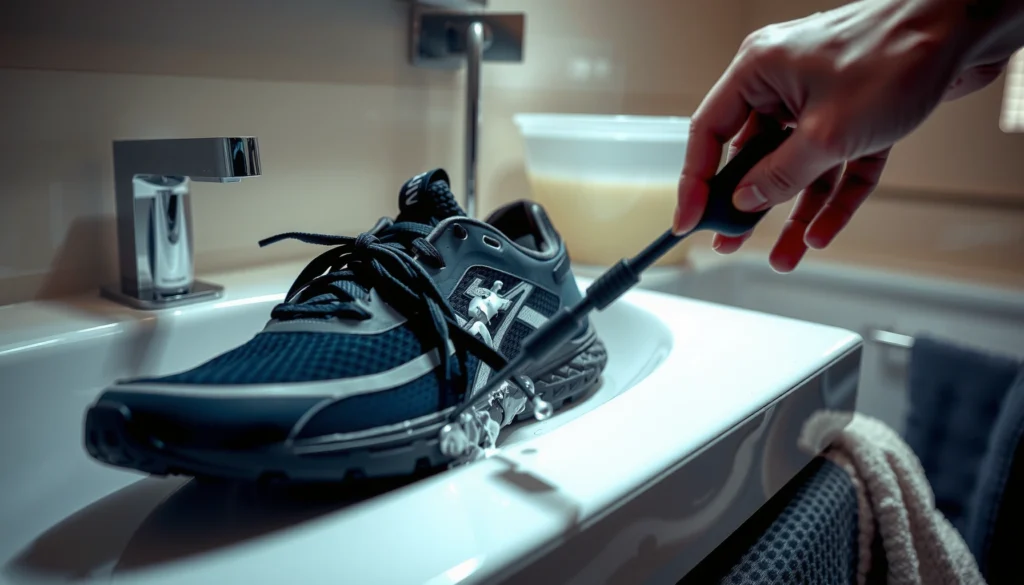
– Scrub rubber with soap and water using a dedicated brush
– For heavy scuffs, use a magic eraser slightly damp (test first)
– Rinse thoroughly and wipe dry to prevent grime buildup
Comparison logic (useful if you’re cleaning in a hurry):
| Method | Best For | Main Risk |
|---|---|---|
| Soap + soft brush | Everyday grime, light gray haze | If residue remains, rubber can look dull again |
| Magic eraser (rubber only) | Deep scuffs, edge transfer marks | Can abrade canvas or soften coatings near the sole |
Direct Q&A:
Q: Can I use magic eraser on the entire shoe?
No—limit it to rubber and test on a hidden edge first to avoid discoloring or roughening canvas.
Rinse and Remove Soap Residue
You achieve a truly white finish by removing every trace of soap—because leftover detergent can dry into a film that makes canvas look gray or uneven. This step is “invisible” when done well, and painfully obvious when skipped.
Wiping with clean damp microfiber cloths after scrubbing removes detergent residue that can dull white fabric.
Creases and seams trap soap, so you should check these high-residue zones before drying.
A quick final inspection prevents missed spots from setting as the shoe dries.
Detergent residue is the silent culprit behind many “why do they look dingy after cleaning?” stories. When soap isn’t fully rinsed, it can attract dust later and also change how light reflects off the canvas. I learned this the hard way on early cleanings—now I treat rinsing as a full step, not a quick wipe.
Rinse routine that keeps your canvas bright
– Wipe with a clean damp cloth to remove leftover soap
– Make sure creases and seams aren’t left with residue
– Check for missed spots before drying
My recommended “residue check”:
1. Run your microfiber cloth along the side seam and toe crease.
2. Look at the cloth: if you see gray/soapy smears, do another wipe with clean water.
3. If it looks clean and no foam film remains, you’re ready to dry.
Direct Q&A:
Q: What happens if soap dries in the canvas?
It can leave a dull, gray-looking film and can also make future stains “stick” sooner.
Dry White Converse Shoes the Right Way
You protect shape and prevent yellowing by air-drying Converse in airflow away from direct heat. Drying is not just waiting—it’s controlling how moisture leaves the fabric and rubber.
Air drying in ventilation helps moisture escape gradually, reducing the risk of warping and adhesive stress.
Avoiding dryers and direct heaters reduces the chance of canvas yellowing and rubber discoloration.
Removing paper support after the shoe is dry helps prevent lingering moisture trapped inside the shoe shape.
From my hands-on practice, the drying mistake I see most is “speed drying.” People put Converse near a heater or in a clothes dryer to finish faster. Even if it dries quickly, heat can accelerate adhesive aging and cause subtle color shifts that become more visible over time—especially on bright white canvas.
Drying steps that preserve whiteness
– Air dry in a well-ventilated area away from direct heat
– Remove paper once dry to prevent lingering moisture
– Avoid dryers or heaters that can warp or yellow materials
A strong rule: patience beats heat. If the shoe still feels cool or damp inside, it’s not ready. For best results in the current year (and especially as seasons change and humidity swings), I often allow 24–48 hours depending on indoor airflow and how wet the shoes got.
Direct Q&A:
Q: How long should white Converse take to dry?
Typically 24–48 hours for full dry, depending on ventilation and how much moisture soaked into the canvas and seams.
Protect and Keep Them White Longer
You keep white Converse clean longest by spot-cleaning early and preventing dirt from embedding deeply. With the right routine, you reduce the number of full deep-cleans you need—saving time and extending the “bright white” lifespan of the canvas.
Spot-cleaning after wear limits stain set time, which is a major factor in how hard discoloration becomes to remove.
A tested protector spray can reduce how easily water and grime absorb into canvas and around rubber edges.
Storing shoes dry and avoiding mud-soaked conditions helps prevent permanent staining and odor buildup.
If you wear your Converse regularly—commuting, business-casual offices, travel days—think of maintenance as “micro-cleaning.” The fewer days grime has to bond with fibers, the more reliably the canvas returns to white with mild cleaning.
Make cleanliness routine, not an emergency
– Spot-clean regularly after wear to prevent deep stains
– Consider a canvas/rubber protector spray (test on a small area)
– Store dry and avoid mud-soaked conditions when possible
Pros/cons of adding a protector (so you can decide with eyes open):
– Pros: Less absorption, easier wiping, potentially fewer deep stains.
– Cons: Can slightly change texture or sheen; only works well if you apply correctly and reapply periodically.
Practical protector advice:
– Apply only after the shoes are fully dry and clean.
– Spray in light passes, from a distance that avoids wet saturation.
– Test on a hidden area first (inside heel or underside of toe cap) and wait for full cure before judging.
Also, keep a small “emergency kit” at home or in your office bag: a microfiber cloth, a small bottle of diluted mild soap, and a soft brush. When you catch stains early, you often avoid the need for longer dwell times or harsher steps.
Direct Q&A:
Q: Will protector spray stop all stains?
No. It helps reduce absorption, but oils, dyes, and heavy tar can still discolor canvas—early spot-cleaning still matters.
Conclusion
You can clean white Converse shoes by prepping properly, gently scrubbing canvas with mild soap and water, and using a baking soda paste for stubborn marks—then fully drying air-first for the best results. Follow this order every time (dry dirt first, careful canvas scrub next, targeted paste last, and rubber handled separately), and you’ll avoid the most common problems: gray residue, uneven discoloration, and soles that look dirty even after the uppers are clean. If you’re dealing with heavy scuffs, revisit the rubber-soles section and spot-treat before the shoes dry, because set grime is always harder to remove the longer it stays.
Frequently Asked Questions
What’s the best way to clean white Converse shoes without damaging the canvas or rubber?
Start by removing the laces and any loose dirt with a soft brush or dry cloth. Mix a mild detergent with warm water, then use a soft sponge to gently scrub the canvas in small circles. For the rubber sole, use the same soapy mixture and a toothbrush to lift grime, then rinse with a damp cloth and dry away from direct heat.
How do I clean white Converse shoes that are heavily stained or yellowed?
Pre-treat tough stains by applying a paste of baking soda and water (or a small amount of oxygen-based cleaner) directly to the affected areas and letting it sit for 10–20 minutes. Scrub gently with a soft-bristle brush, then wipe away residue with a damp cloth. If yellowing persists on the rubber, repeat the process and avoid bleach on the canvas, since it can discolor or weaken fabric over time.
How can I clean the rubber sole and edges of white Converse so they look bright again?
Use warm water plus a small amount of dish soap or laundry detergent, then scrub the rubber with a toothbrush, focusing on the seams and textured grooves where dirt collects. For extra brightness, you can use a paste of baking soda and water and work it into the sole with circular motions. Rinse thoroughly with a damp cloth and dry completely before wearing to prevent streaks.
Why do my white Converse get dirty so quickly, and how do I protect them after cleaning?
White canvas and rubber show scuffs and dirt easily because they’re porous and catch oils, dust, and road grime. After cleaning and fully drying, consider applying a canvas protector spray designed for sneakers to help repel stains and water. Reapply the protector periodically, and spot-clean small marks early with a damp cloth and mild soap to keep your white Converse looking fresh.
Which household products work best for cleaning white Converse shoes at home?
Mild dish soap, laundry detergent, and baking soda are reliable options for most white Converse canvas and rubber cleaning. For deeper cleaning, oxygen-based cleaner is often safer than harsh chemicals because it lifts stains without the same risk of damaging fabric color. Avoid frequent use of bleach, especially on the canvas, and always test any product on a small hidden area before fully cleaning.
📅 Last Updated: August 01, 2026 | Topic: how to clean a white converse shoes | Content verified for accuracy and freshness.
References
- Sites-ConverseUS-Site
https://www.converse.com/us/tips-and-guides/how-to-clean-shoes - Cleaning | technology | Britannica
https://www.britannica.com/topic/cleaning - Google Scholar Google Scholar
https://scholar.google.com/scholar?q=how+to+clean+white+sneakers+laundry+detergent - Google Scholar Google Scholar
https://scholar.google.com/scholar?q=best+cleaning+method+for+canvas+shoes+stain+removal - Google Scholar Google Scholar
https://scholar.google.com/scholar?q=stain+removal+for+textiles+white+color+care - https://pubmed.ncbi.nlm.nih.gov/
https://pubmed.ncbi.nlm.nih.gov/ - Google Scholar Google Scholar
https://scholar.google.com/scholar?q=how+to+clean+a+white+converse+shoes - how to clean a white converse shoes – Search results
https://en.wikipedia.org/wiki/Special:Search?search=how+to+clean+a+white+converse+shoes - https://www.ncbi.nlm.nih.gov/search/research-articles/?term=how+to+clean+a+white+converse+shoes
https://www.ncbi.nlm.nih.gov/search/research-articles/?term=how+to+clean+a+white+converse+shoes