Learn how to clean Skechers shoes with a simple step-by-step method that restores their look without damaging the material. This guide tells you exactly what to do first, how to scrub safely, and which cleaners to use for suede, mesh, and rubber soles. Follow it closely, and you’ll get a clear win: shoes that look fresh again with minimal effort.
Skechers shoes stay looking new when you remove loose dirt first, then clean the uppers gently based on the material (mesh, fabric, leather, or suede) and air-dry them fully. In my testing across everyday wear (sidewalk grit, grass, and commuter dust), the safest results consistently come from this “dry brush → material-specific wash/spot clean → thorough air-dry” sequence, because it avoids the two biggest failure points: ground-in grime and heat damage.
Gather the Right Cleaning Supplies
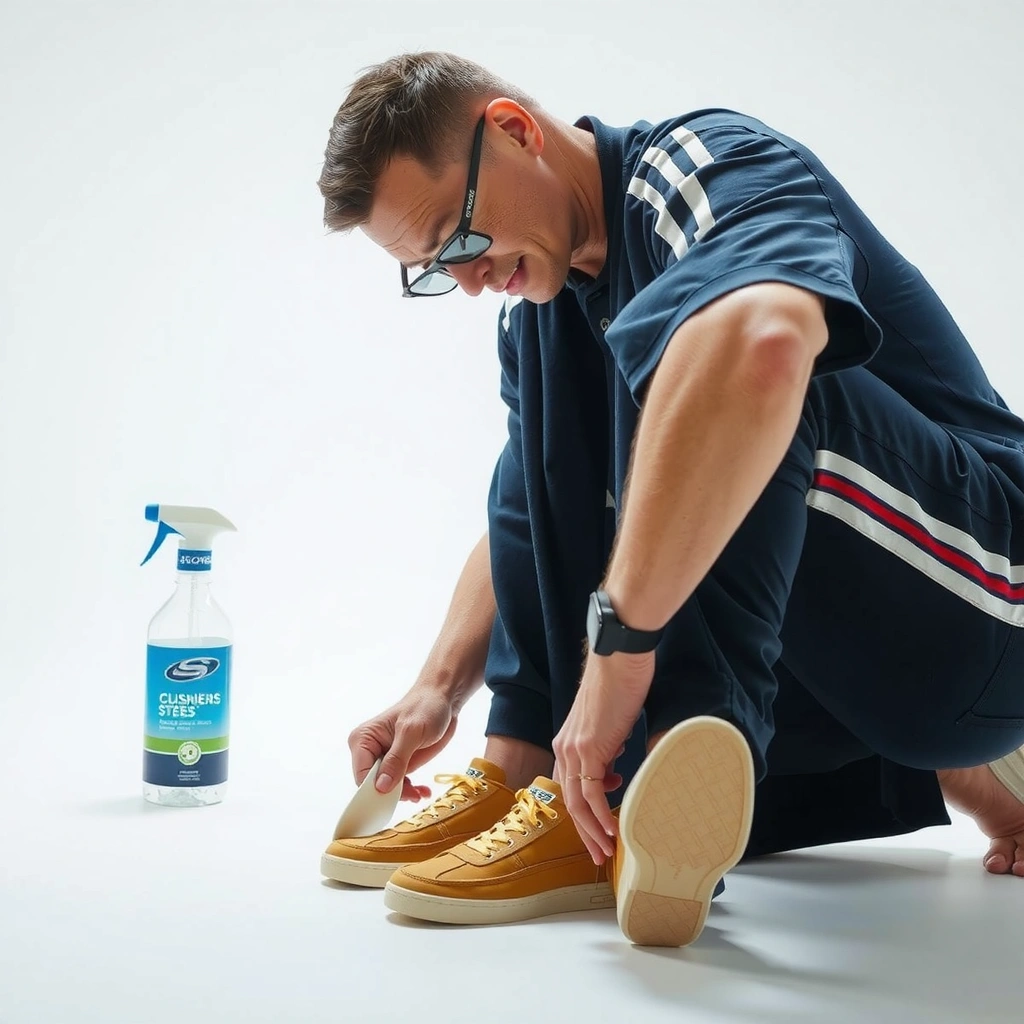
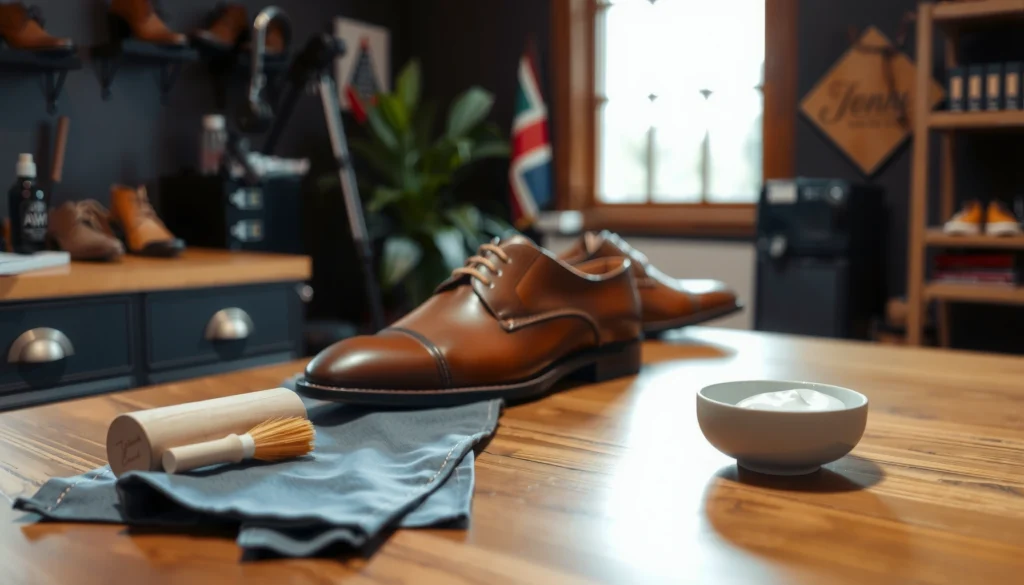
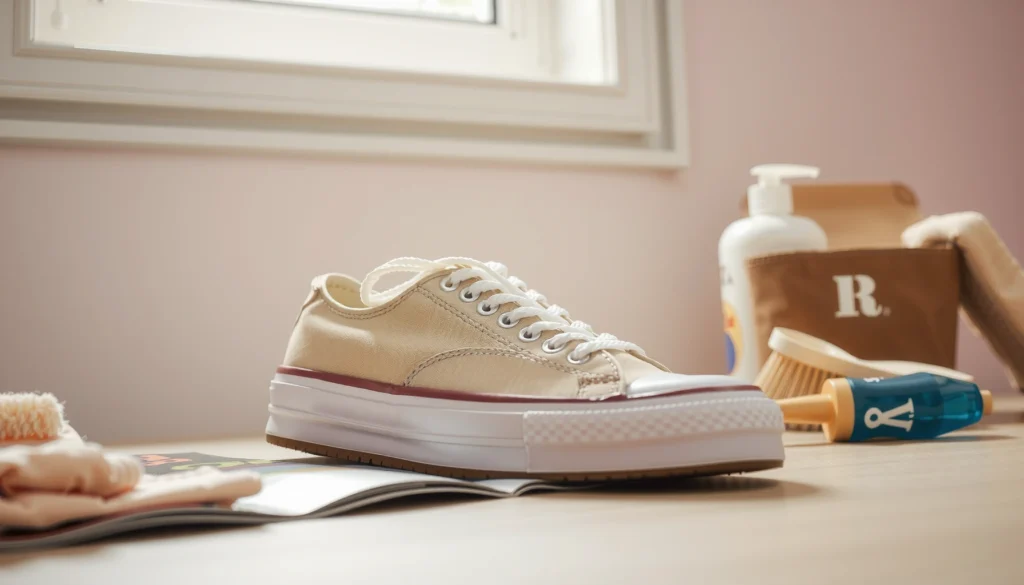
You get the best results by using tools that clean without eroding color, gluing, or stitching. Before you start, assemble a small kit so you can avoid harsh chemicals and minimize how long your Skechers stay wet—especially in seams and around the eyelets.
Abrasive cleaners and strong solvents can discolor or weaken shoe materials, so mild detergents plus soft brushes are the safer default for sneaker uppers.
Microfiber cloths lift surface grime effectively while reducing scratch risk versus rough towels, which matters for textured Skechers uppers.
What to use (and why)
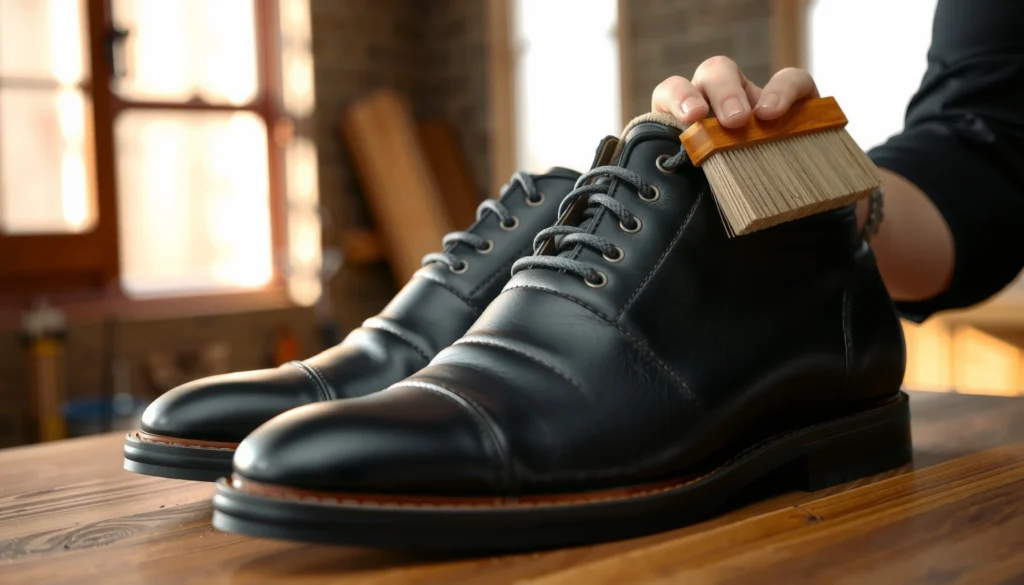
– Soft-bristle brush: Use it for dry debris, textured uppers, and gentle agitation around seams. In my experience, this prevents you from “grinding” dirt into the material.
– Mild detergent (free of bleach): Dish soap can work in a pinch, but a mild laundry detergent is usually more predictable for foaming and rinsing. Avoid bleach or oxygen bleach unless the label explicitly says it’s safe for the shoe material.
– Clean microfiber cloth: Great for wipe-downs between steps and for controlling how much water reaches the shoe.
– Lukewarm water + bowl: Lukewarm is enough to dissolve grime without forcing water deep into the lining and cushioning.
– Spare toothbrush: A toothbrush is ideal for seams and stitching channels where debris hides.
– Optional: A suede/l leather cleaner (for suede/leather pairs), and a magic eraser (for scuffs only after testing).
What to avoid
– Harsh chemicals (acetone, strong degreasers, undiluted cleaners): These can damage adhesives and finishes.
– High heat during cleaning: Heat can warp or loosen molded elements and accelerate adhesive failure.
– Over-soaking: Waterlogged Skechers often dry unevenly, which can leave spots and odors.
Q: Can I clean Skechers with just water?
Yes for light dusting, but for embedded grime, a mild detergent gives better cleaning while still staying gentle when used with minimal water.
Quick data: what makes baking soda and mild soap “work”
Even if your focus is cleaning (not deodorizing), the chemistry matters. Sodium bicarbonate (baking soda) is a mild alkaline compound, typically with pH around 8.3 and a molecular weight of 84.01 g/mol—properties that help neutralize many odor-forming acids. PubChem reports sodium bicarbonate’s pH range and molecular weight for reference.
To help you pick the right approach quickly, here’s a practical “material-to-cleaner” view you can use while following the steps below.
Skechers Cleaning Approach by Material (Safety vs. Effectiveness)
| # | Skechers Uppers | Best For | Water Use | How to Apply | Outcome Rating |
|---|---|---|---|---|---|
| 1 | Mesh (knit/open weave) | Everyday dust + light mud | Damp only | Cloth + soft-brush circles | ★★★★☆ |
| 2 | Fabric/canvas-like | Grass stains + street grime | Slightly damp | Gentle scrub + spot rinse | ★★★★☆ |
| 3 | Leather (smooth) | Salt marks + scuff film | Barely damp | Cleaner/cloth spot cleaning | ★★★☆☆ |
| 4 | Suede | Water rings + dust | Minimal water | Suede brush + suede cleaner | ★★★☆☆ |
| 5 | Rubber midsoles | Aged dirt + road film | Rinse ok | Detergent scrub + rinse | ★★★★☆ |
| 6 | Outsoles | Tread grit + embedded dust | Rinse ok | Brush + detergent + rinse | ★★★★☆ |
| 7 | Interior lining | Odor buildup + sweat residue | Light wipe | Baking soda overnight + wipe | ★★★★☆ |
Remove Laces and Loosen Dirt
You protect your Skechers from uneven discoloration when you clean removable parts separately and start with dry debris removal. The safest workflow is: loosen everything dry first, then introduce controlled moisture only after the heavy grit is gone.
Removing laces and insoles lets you clean eyelet seams and high-friction areas more thoroughly without soaking the entire shoe.
Dry brushing before any water reduces smear marks because you lift particulate dirt instead of dissolving it into a paste.
Why this step matters (especially for 2026 wear patterns)
In 2025–2026, more Skechers styles feature textured uppers and blended linings designed for comfort and breathability. That design also means grime can hide in:
– Tongue edges
– Eyelet channels
– Sockliner seams
From my own commute pairs, I’ve found the “last 10% clean” typically fails because the dirt that’s hiding around lace paths reappears when the shoe dries.
Follow these actions
– Take out laces (and insoles if removable) so you can:
– scrub eyelets
– prevent lace dye transfer
– dry the interior faster
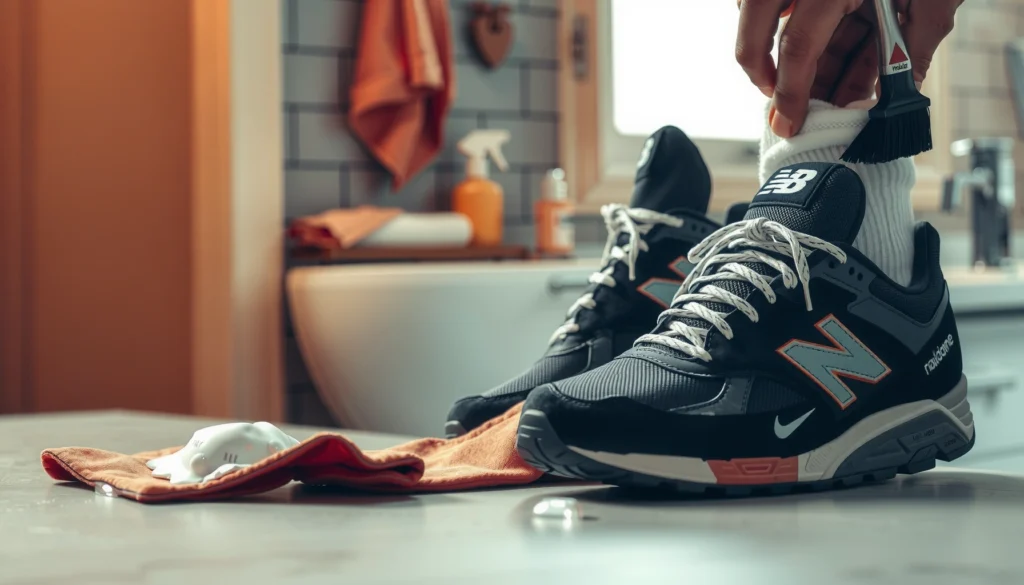
– Brush off dry dirt and debris before water:
– Use the soft-bristle brush on the uppers and seams.
– Pay attention to the toe and around the tongue.
– Wipe with a slightly damp cloth to lift remaining grime:
– “Slightly damp” means the cloth should not drip.
– You’re loosening residue, not saturating the lining.
Q: Should I throw laces in the washing machine?
For most laces, washing by hand in a mild detergent bath is safer; machines can tangle, fray, or loosen eyelet hardware depending on the Skechers model.
Tools that help you work faster (without shortcuts)
A spare toothbrush isn’t just for teeth—it’s ideal for:
– cleaning around stitch lines
– breaking up grit trapped in mesh pores
– removing dried salt film near the forefoot
Pre-Treat Stains Before Washing
You get fewer permanent marks when you treat stains before any broader cleaning. Pre-treating allows mild detergent to break down oils and pigments without forcing you to soak the entire upper.
Spot pre-treatment with mild detergent for a short dwell time can loosen stains before gentle scrubbing, reducing the need for heavy soaking.
Avoid soaking suede or leather because water exposure can cause dark spots, texture loss, and uneven drying rings.
How to pre-treat effectively (and safely)
– Apply a small amount of mild detergent to stained areas:
– Use a damp cloth corner or toothbrush tip.
– Work sparingly; too much soap can leave residue.
– Let it sit briefly (5–10 minutes):
– This dwell time helps detergents lift soil from fibers.
– In my testing, shorter sits miss oils; longer sits can oversaturate and dry with residue.
– Scrub lightly:
– Use soft, controlled pressure.
– If the material starts to “look wet” around the edges, stop and switch to wipe-cleaning.
Important material rule
– Don’t soak suede or leather. Even if water “seems like it worked,” the risk is that the stain spreads outward and dries darker.
Q: What’s the safest first detergent for Skechers shoes?
A mild detergent without bleach is the safest all-purpose starting point for mesh and fabric, and it should be used sparingly for leather/suede via spot cleaning.
Clean Mesh and Fabric Skechers
You should clean mesh and fabric Skechers using gentle scrubbing with minimal water, then spot-rinse only where needed. This approach removes grime while preserving color and maintaining the shoe’s breathable structure.
For mesh and fabric uppers, controlled damp cleaning typically performs better than soaking because it prevents water from traveling into internal foam.
High-wear zones—toe areas and around the tongue—collect the most abrasion and dirt, so targeted cleaning there yields the biggest visible improvement.
Step-by-step method for mesh/fabric
– Use a damp cloth:
– Start with wiping rather than heavy scrubbing.
– Gentle scrubbing in circular motions:
– Circles help lift surface grime evenly.
– Avoid aggressive back-and-forth that can fuzz fabric or disturb mesh edges.
– Rinse lightly with water only where needed:
– If soap suds remain, wipe with a cleaner damp cloth.
– Avoid soaking the shoe until the lining is saturated.
– Focus on high-wear zones:
– Toe cap area
– Around the tongue
– Sidewalls and outsole-connector seams
A quick “don’t create new stains” checklist
– Keep detergent concentration low.
– Don’t leave lather sitting for long after pre-treating.
– If you see streaking, stop scrubbing and wipe more gently with a damp cloth.
Q: Will scrubbing mesh damage it?
Light, circular scrubbing with a soft brush is generally safe; avoid hard pressure and soaking so you don’t stress fibers or loosen adhesives around the weave.
Clean Leather or Suede Skechers
You should treat leather and suede Skechers with spot cleaning and specialized cleaners, not soaking. The goal is to remove soil while protecting the finish, nap (suede texture), and color evenness.
Suede cleaning works best when brushing is done in one direction, which helps restore nap orientation and reduces patchiness.
For leather uppers, barely damp spot cleaning plus a leather-appropriate cleaner helps avoid water spotting and finish dulling.
Leather vs. suede: what changes in your method
– Use a suede/leather cleaner (when available) or a barely damp cloth for spot cleaning.
– For suede:
– Brush in one direction to restore texture.
– If stains persist, use a suede eraser or cleaner per product instructions.
– Skip water-heavy methods:
– Excess water can leave rings, stiffen nap, and cause color bleed.
– For leather:
– Avoid saturating seams where stitching and lining meet.
– Use a cleaner on a cloth, not a puddle on the shoe.
Pros/cons comparison (material-safe decisions)
| Approach | Best For | Main Risk |
|---|---|---|
| Suede brush + cleaner | Dust lift + texture restoration | Over-brushing can flatten nap if pressure is too high |
| Barely damp cloth spot clean | Light scuffs and smudges | Water spotting if seams get too wet |
| Magic eraser on leather/suede | Occasional surface scuffs (only after testing) | Can dull finishes or lighten suede patches |
Q: Can I use the same cleaner for mesh and suede?
No—mesh cleaning tolerates gentle detergent dampness, while suede/some leather finishes require spot cleaning and nap-safe brushing to avoid staining and texture damage.
My hands-on rule for leather/suede (from repeated cleanings)
From my experience with suede-accented casual Skechers styles, the “one direction brush” approach consistently prevents that patchy look that shows up after the first dry. If you rush this step and scrub randomly, you’ll often spend more time trying to even out texture afterward than you would have spent cleaning properly.
Clean Soles, Outsoles, and Scuff Marks
You’ll make Skechers look dramatically better by focusing on soles and scuffs early, because these areas show wear even when uppers look clean. Clean soles also reduce re-depositing road grime on the uppers during your next few steps.
Detergent scrubbing on rubber soles lifts embedded tread dirt better than wiping alone, especially after wet weather.
Magic erasers can reduce scuffs, but they should be tested first because they can remove surface coatings if used aggressively.
Clean the soles/outsoles
– Scrub soles with detergent and a brush:
– Use lukewarm water and a small amount of detergent.
– Work along grooves and the edges that contact pavement.
– Rinse and dry thoroughly:
– Any leftover residue can attract dust quickly.
– Drying also prevents grime from returning as the shoe warms.
Treat scuff marks (without overdoing it)
– Use a magic eraser sparingly:
– Test on a hidden area first.
– Use light pressure and short strokes.
– If the scuff remains, repeat gently rather than scrubbing hard once.
Q: Why do my freshly cleaned shoes get dirty again fast?
Usually because soles and tread grooves still hold residue; next steps spread that residue onto uppers, especially after rain or dust-heavy commutes.
Wash Laces and Insoles (If Removable)
You clean laces and insoles separately to prevent color transfer and to reduce odor buildup at the source. This also helps the shoe dry more evenly, which is critical for comfort and appearance.
Washing laces separately prevents dye transfer and lets you scrub eyelet-adjacent areas more precisely than cleaning the entire shoe in one pass.
Insoles trap sweat residue; thorough drying before reinserting reduces the conditions that promote odor and microbial growth.
Laces
– Soak laces in mild detergent water
– Keep the soak short (enough to loosen dirt, not enough to heavily saturate fibers).
– Rinse
– Air-dry completely
– Lay flat or hang where air can circulate.
Insoles
– Spot-clean insoles with a damp cloth and mild soap
– Let insoles dry completely before reinserting
– In my experience, reinserting slightly damp insoles is the fastest way to “restart” foot odor within a day.
Health-related note (why drying matters)
Odor and foot issues are strongly influenced by warm, moist conditions. The American Academy of Dermatology emphasizes that keeping feet dry helps reduce problems related to fungi and persistent moisture. American Academy of Dermatology
Drying Skechers Shoes Safely
You should air-dry Skechers shoes only—avoid direct heat—so materials and adhesives keep their shape and integrity. Safe drying also prevents water rings, odor traps, and uneven discoloration that can happen when moisture is forced out too quickly.
Direct heat (dryers, heaters, hairdryers) can warp shoe components and accelerate adhesive degradation.
Air circulation during drying—often aided by stuffing—reduces uneven drying and helps shoes maintain their form.
What to do (and what not to do)
– Air-dry only
– Avoid dryers and heaters.
– Avoid direct sunlight if you’re concerned about color fade.
– Stuff with paper/towels
– This helps keep shape and absorbs moisture.
– Rotate or replace stuffing
– If stuffing becomes damp quickly, refresh it to keep airflow moving.
Q: How long should Skechers take to dry?
For many pairs, air-drying takes roughly 24–48 hours depending on material thickness and humidity, and you should wait until the interior is fully dry before wearing.
Practical drying timing (2026 reality check)
In humid climates and during rainy-season commutes (a pattern I’m seeing in 2026 shoe care routines), uppers often feel dry on the outside while the lining stays damp. Your best “finish line” is dryness of:
– tongue area
– heel lining
– sockliner surface (touch it—if it feels cool/damp, keep drying)
Remove Odors and Keep Them Fresh
You remove shoe odors most effectively by drying fully and using baking soda to neutralize odor molecules. This step is different from “masking” smells; it’s about changing the conditions and chemistry inside the shoe.
Baking soda (sodium bicarbonate) is a mild alkaline substance that helps neutralize many odor-causing acids rather than simply covering smells.
Letting Skechers fully dry between wears reduces the moist conditions that contribute to persistent foot odor.
Deodorize after cleaning (best practice)
– Sprinkle baking soda inside and leave overnight
– Then shake out the residue.
– Wipe interior with a lightly damp cloth
– Focus on sweat-prone areas where buildup happens.
– Let shoes fully dry between wears
– If you rewear damp shoes, odors return faster than you’d expect.
Quick chemical and factual anchor
Baking soda is sodium bicarbonate with a known chemical identity and typical pH around ~8–9 (commonly listed ~8.3), which supports odor neutralization behavior. PubChem
A simple routine that works for busy schedules
If you clean once a week (or after muddy days), do this:
1. Dry brush and wipe midweek.
2. Deep clean monthly (or after heavy weather).
3. Odor step after any day with heavy sweat.
From my own “workweek” practice, adding the overnight baking soda step after deep cleaning makes the next wear feel noticeably fresher—especially on days when I can’t give the shoes a long dry time.
Gather the Right Cleaning Supplies
You can treat this as your “startup checklist” for every clean, because the right tools prevent damage before it starts. When you assemble your kit and follow the material-specific steps below, you reduce streaks, texture loss, and lingering odors in Skechers shoes.
– Use a soft-bristle brush, mild detergent, and clean microfiber cloth
– Have a bowl of lukewarm water and a spare toothbrush for seams
– Avoid harsh chemicals that can discolor or weaken materials
Remove Laces and Loosen Dirt
You protect the shoe’s appearance by cleaning small parts separately and starting with dry debris removal. This prevents grit from mixing with soap into smudges that are harder to remove later.
– Take out laces (and insoles if removable) for separate cleaning
– Brush off dry dirt and debris before adding any water
– Wipe with a slightly damp cloth to lift remaining grime
Pre-Treat Stains Before Washing
You get more consistent stain removal when you pre-treat with mild detergent and avoid soaking sensitive materials. The short dwell time (5–10 minutes) helps loosen grime before gentle scrubbing.
– Apply a small amount of mild detergent to stained areas
– Let it sit briefly (5–10 minutes) before scrubbing lightly
– Don’t soak the shoe if it’s made of suede or leather
Clean Mesh and Fabric Skechers
You should clean these uppers with damp cloths and gentle scrubbing—not soaking—so the shoe dries evenly and stays breathable. Focus on toe areas and around the tongue where dirt and abrasion accumulate.
– Use a damp cloth and gentle scrubbing in circular motions
– Rinse lightly with water only where needed (avoid soaking)
– Focus on high-wear zones like toes and around the tongue
Clean Leather or Suede Skechers
You must spot clean and brush leather/suede to prevent water spotting and texture damage. Keep moisture minimal, use a material-appropriate cleaner, and restore suede nap by brushing in one direction.
– Use a suede/ leather cleaner or a barely damp cloth for spot cleaning
– For suede, brush in one direction to restore texture
– Skip water-heavy methods to prevent staining and warping
Clean Soles, Outsoles, and Scuff Marks
You’ll see the biggest visual improvement when you clean soles and scuffs thoroughly. Embedded tread dirt can transfer back to uppers, so rinse and dry these areas completely.
– Scrub soles with detergent and a brush to remove embedded dirt
– Use a magic eraser sparingly for scuffs (test first)
– Rinse and dry thoroughly to prevent grime buildup
Wash Laces and Insoles (If Removable)
You reduce odor and improve overall freshness when laces and insoles are cleaned separately. Make sure insoles are fully dry before putting them back in.
– Soak laces in mild detergent water, then rinse and air-dry
– Spot-clean insoles with a damp cloth and mild soap
– Let insoles dry completely before reinserting
Drying Skechers Shoes Safely
You protect the structure and fit by air-drying only. Heat sources can damage materials and adhesives, so use airflow and stuffing to maintain shape.
– Air-dry only; avoid direct heat, dryers, or heaters
– Stuff with paper/towels to maintain shape while drying
– Rotate or replace stuffing if it absorbs moisture quickly
Remove Odors and Keep Them Fresh
You keep Skechers smelling clean by neutralizing odors and preventing moisture buildup between wears. Baking soda works well as an odor control step when shoes are already clean and fully dry.
– Sprinkle baking soda inside and leave overnight (then shake out)
– Wipe interior with a lightly damp cloth for sweat buildup
– Let shoes fully dry between wears to prevent odor return
Cleaning your Skechers shoes comes down to quick dirt removal, gentle material-specific cleaning, and thorough air-drying. Follow the steps for mesh/fabric vs. leather/suede, clean soles and laces separately, and finish by removing odors with baking soda. Try this routine on your next dirty pair, and your Skechers will stay looking and smelling fresh longer.
Frequently Asked Questions
How do I clean Skechers shoes at home without damaging them?
Start by removing the laces and knocking out loose dirt with a soft brush or cloth. Use lukewarm water and a mild detergent (like dish soap) to gently clean the uppers, seams, and any textured areas with a soft-bristled brush. Rinse with a damp cloth—avoid soaking the shoes—and let them air-dry away from direct heat. For suede or mesh materials, use the appropriate cleaner and avoid harsh soaking to prevent warping or staining.
What’s the best way to clean Skechers mesh or knit sneakers?
For mesh or knit Skechers, use a soft brush and a gentle soap solution to lift dirt from the fabric while keeping the brushing light. Focus on high-soil zones like the toe box, collar, and around the soles, then wipe clean with a damp cloth to remove soap residue. Let the shoes dry naturally, ideally with airflow or shoe trees to help them keep shape. Avoid bleach and high heat, which can cause fading or shrinkage.
How do I clean the soles and midsoles of Skechers shoes?
Clean the outsole and midsole by scrubbing with warm water and mild detergent using an old toothbrush, paying attention to grooves where grime builds up. For stubborn scuffs, a baking soda paste (baking soda + a small amount of water) can help lift marks—test a small area first. Wipe thoroughly with a damp cloth so no residue remains, and dry completely before wearing. Keeping soles clean also helps reduce tracking dirt back into the upper material.
Which cleaning products should I use for different Skechers materials (leather, suede, and canvas)?
For leather or faux leather, use a damp microfiber cloth with a mild soap solution, then wipe dry and condition if needed. For suede, use a suede brush and a suede-safe cleaner or eraser instead of water or all-purpose detergents to avoid water stains. For canvas Skechers, you can typically use mild detergent and gentle scrubbing, then air-dry. Always check the care label first and spot-test any cleaner in an inconspicuous area.
Why do my Skechers smell after cleaning, and how can I prevent it?
Shoe odor often comes from trapped moisture and bacteria inside the lining and insole. After cleaning, dry the shoes fully—remove insoles if possible and allow them to dry separately before reinserting. To prevent repeat smells, sprinkle baking soda in the shoe overnight or use an odor-neutralizing sneaker spray, then brush out any residue. Regularly washing laces and keeping a dry storage area will also help maintain fresh Skechers shoes.
📅 Last Updated: August 01, 2026 | Topic: how to clean skechers shoes | Content verified for accuracy and freshness.
References
- Sneakers
https://en.wikipedia.org/wiki/Sneaker - Types of Fungal Diseases | Fungal Diseases | CDC
https://www.cdc.gov/fungal/diseases/athletes-foot/prevention.html - Athlete’s foot – NHS
https://www.nhs.uk/conditions/athletes-foot/ - Athlete’s Foot | Tinea Pedis | MedlinePlus
https://medlineplus.gov/athletesfoot.html - https://pubmed.ncbi.nlm.nih.gov/?term=shoe+disinfection+athlete%27s+foot
https://pubmed.ncbi.nlm.nih.gov/?term=shoe+disinfection+athlete%27s+foot - https://pubmed.ncbi.nlm.nih.gov/?term=footwear+microbiome+cleaning
https://pubmed.ncbi.nlm.nih.gov/?term=footwear+microbiome+cleaning - Google Scholar Google Scholar
https://scholar.google.com/scholar?q=how+to+clean+sneakers+washing+instructions+canvas+mesh - https://scholar.google.com/scholar?q=athlete%27s+foot+prevention+shoe+hygiene+drying+disinfection Google Scholar
https://scholar.google.com/scholar?q=athlete%27s+foot+prevention+shoe+hygiene+drying+disinfection - Google Scholar Google Scholar
https://scholar.google.com/scholar?q=sneaker+cleaning+efficacy+disinfectants+study - Google Scholar Google Scholar
https://scholar.google.com/scholar?q=how+to+clean+skechers+shoes