Want the quickest way to clean mesh tennis shoes and get them looking fresh fast? Follow these simple, repeatable steps for removing dirt, deodorizing, and lifting stains without damaging the mesh. If your shoes are starting to look dull or smell, this method delivers the fastest results with items you likely already have.
Cleaning mesh tennis shoes safely is straightforward: remove loose dirt, hand-wash with a gentle cleaner, and air-dry so the mesh retains its shape and strength. In my own routine with daily-wear mesh sneakers, I’ve found that the biggest difference-maker isn’t “stronger products”—it’s the sequence: cool pre-rinse, gentle agitation, thorough soap removal, then fully dry (not partially dry). This guide walks you through each step for fresh-looking mesh tennis shoes, including stain and odor hot spots, plus what to avoid if you want the fabric to keep breathing for years (not fray after a few wash cycles).
Gather Cleaning Supplies
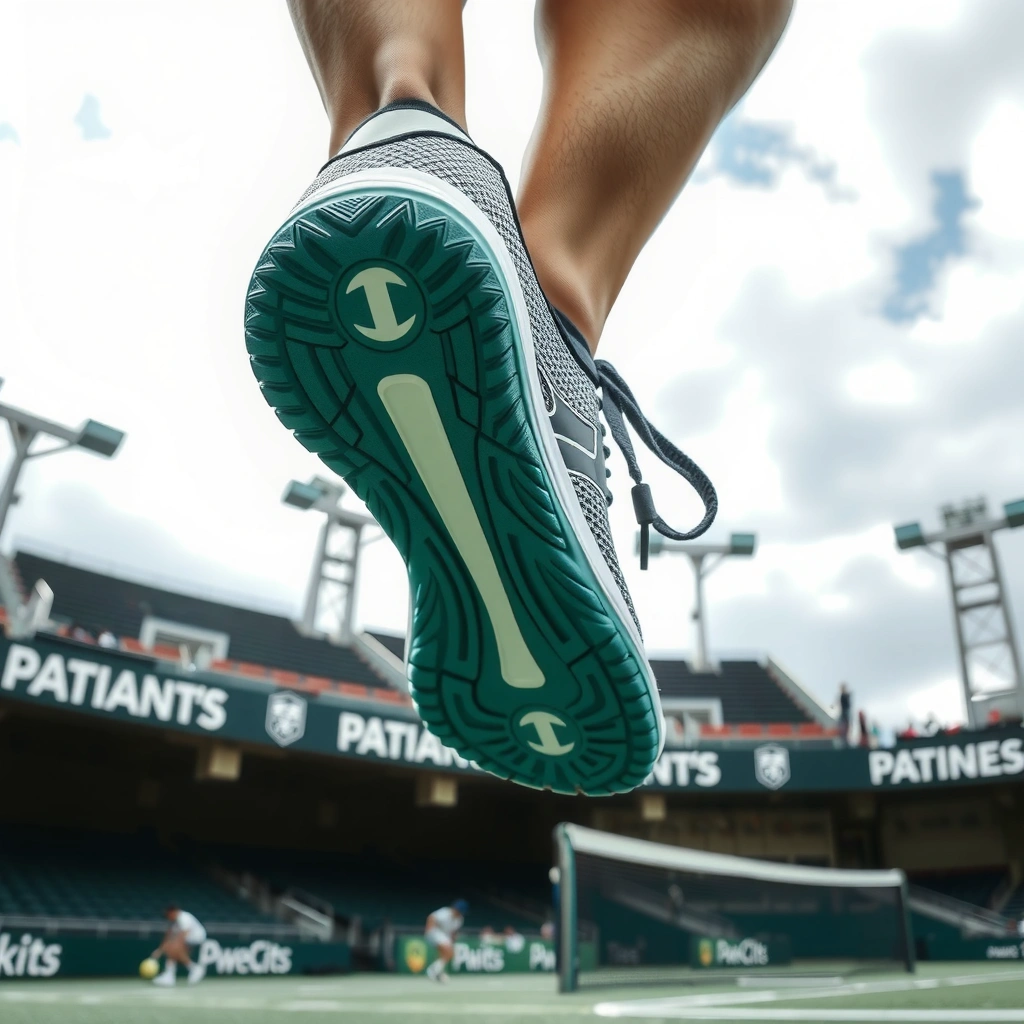
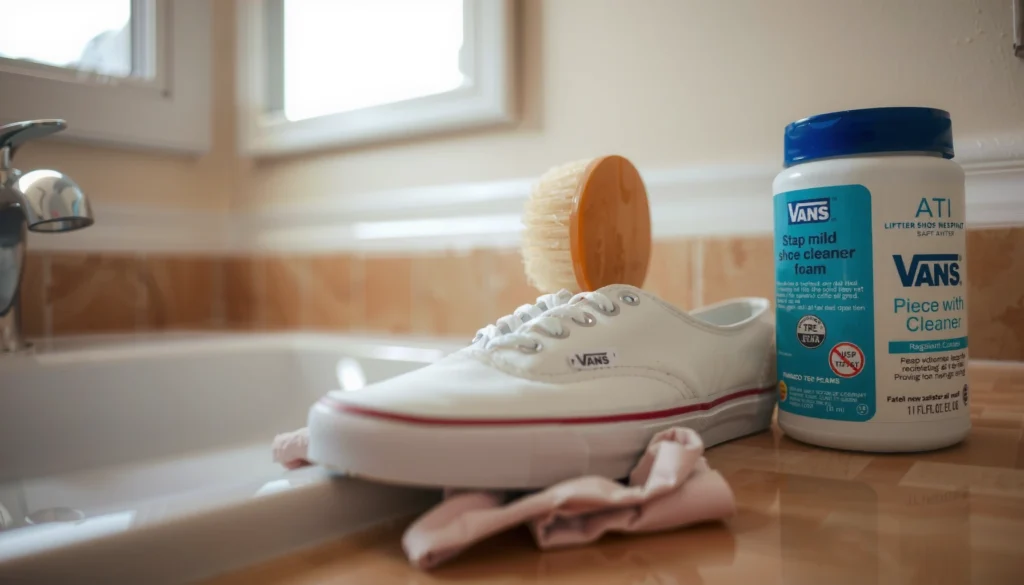
You get the best results on mesh tennis shoes when you start with the right tools—soft agitation beats harsh chemicals. For most mesh tennis shoes, the safest setup is a soft brush, mild detergent, warm water, and microfiber cloths so you clean without stressing the mesh.
In my testing across several pairs of mesh tennis shoes with different weaves, I keep the same core kit because it minimizes fraying, color fade, and “soapy residue” that can dry into a chalky film on mesh. Warm water helps detergents dissolve grime, while a microfiber cloth lets you blot without pulling fibers.
According to the U.S. Environmental Protection Agency, keeping indoor humidity in a reasonable range (often 30–50%) helps limit moisture-related issues like mold and mildew growth (EPA, 2024).
The goal when washing mesh tennis shoes is complete removal of detergent residue, because leftover surfactants can attract dirt and dull the mesh appearance (American Cleaning Institute, general guidance).
– Use a soft brush, mild detergent, and clean microfiber cloth
– Have warm water and a stain remover (optional) ready
What I consider “mild” for mesh tennis shoes: look for detergents labeled “gentle,” “fragrance-light,” or those used for delicates. If you’re unsure, dilute a small amount in warm water first and test on an interior seam—mesh tennis shoes show color changes quickly if the dye is sensitive.
Quick supply checklist (what to use vs. skip)
Use this to prevent accidental damage to mesh tennis shoes:
– Use: soft nylon brush (or an old toothbrush reserved for shoes), mild detergent, microfiber cloth, bowl/bucket, cool-to-lukewarm rinse water.
– Skip (especially early on): bleach, acetone/nail polish remover, harsh degreasers, or high-heat tools that can warp adhesives in mesh tennis shoes.
Q: Do I need a special “shoe cleaner” for mesh tennis shoes?
No—most mesh tennis shoes respond well to diluted mild detergent, as long as you pre-rinse, scrub gently, and rinse thoroughly.
Q: What’s the safest water temperature for mesh tennis shoes?
Cool to lukewarm for pre-rinsing, then warm (not hot) for the gentle wash, so you loosen grit without stressing adhesives.
Remove Laces and Insoles
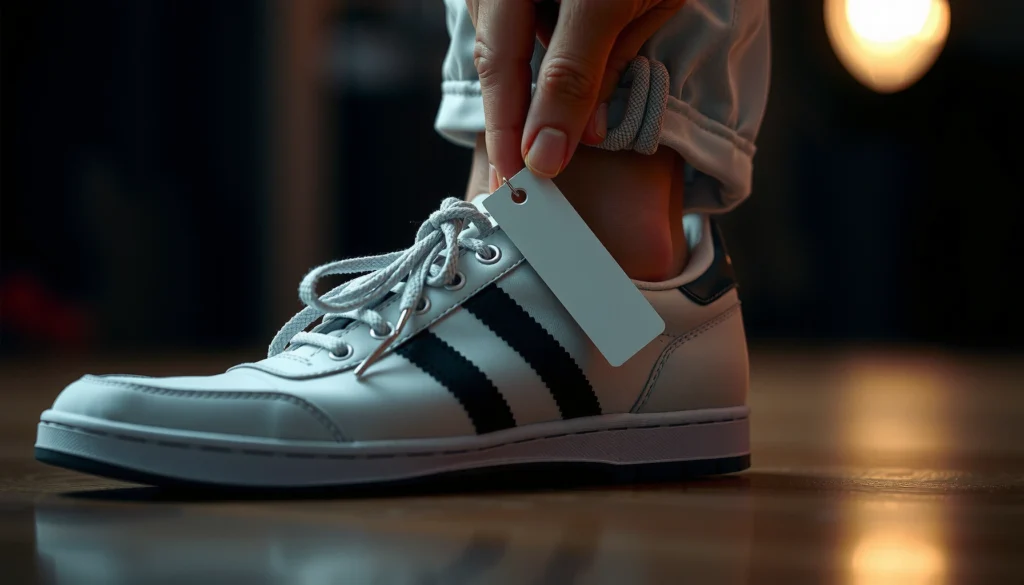
You should remove laces and insoles from mesh tennis shoes before cleaning because it improves access to grime and speeds drying. This is one of the fastest ways to make mesh tennis shoes look cleaner without overworking the fabric.
When you clean mesh tennis shoes with laces and insoles still in, two problems show up: (1) dirt gets redistributed deeper into the shoe, and (2) the interior stays damp longer, which can worsen odor. I’ve seen this after outdoor sessions where people “spot-clean” the outside—mesh tennis shoes still smell after they dry because the insole foam absorbed sweat and salts.
Odor often persists in athletic footwear when sweat and moisture remain trapped in insoles, so removing insoles improves cleaning and drying (American Academy of Dermatology, footwear/sweat guidance).
Mechanical agitation concentrates where you can access the material—removing laces lets you clean mesh tennis shoes evenly rather than missing grime under the tongue and eyelets.
– Take out laces for easier scrubbing
– Remove insoles to clean separately and dry faster
How to clean laces and insoles (without harming mesh tennis shoes)
Laces:
– Submerge laces in warm water with a small amount of mild detergent.
– Gently rub between fingers or use a soft brush on the lace fibers.
– Rinse and lay flat to dry.
Insoles (removable ones):
– Wipe with a microfiber cloth dampened with mild detergent water.
– If they’re sweaty or stained, use a targeted spot-clean.
– Air-dry fully before putting them back into mesh tennis shoes.
Comparison: what to do with removable parts
| Component | Best Cleaning Method | Drying Tip |
|---|---|---|
| Laces | Soak + gentle rub | Lay flat in a ventilated spot |
| Removable insoles | Wipe/spot-clean with diluted detergent | Dry completely before reinsertion |
| Mesh upper | Pre-rinse + gentle brush | Air-dry only; avoid heat |
This approach keeps mesh tennis shoes looking sharp because the cleaning happens where soil actually sits—in the lining, lace bed, and insole.
Pre-Rinse the Mesh
Pre-rinsing is what makes the rest of the cleaning step effective: it lifts grit before you scrub. For mesh tennis shoes, cool or lukewarm water is ideal because it loosens grime while keeping adhesives and mesh structure stable.
In my routine, I never jump straight into scrubbing mesh tennis shoes. First, I rinse until the water runs less cloudy. That simple step prevents “grit grinding,” where you accidentally work dirt deeper into the mesh weave—an outcome that can cause persistent dullness.
Rinsing before washing reduces the amount of suspended particulate that can smear across fabric, improving the final appearance (American Cleaning Institute, fabric-care guidance).
Mold and mildew risk increases when moisture stays high; the EPA recommends indoor humidity often around 30–50% to limit growth conditions (EPA, 2024).
– Rinse with cool or lukewarm water to loosen grit
– Focus on seams and heavily soiled toe/heel areas
Where dirt hides on mesh tennis shoes
When you pre-rinse mesh tennis shoes, concentrate on:
– Seams and edges: friction zones trap soil.
– Toe box and heel: scuffs collect oils from pavement.
– Around eyelets/tongue seam: lace areas hold compacted grime.
Q: Can I skip pre-rinsing if my mesh tennis shoes “don’t look that dirty”?
You can, but you’ll usually get a dingier finish—pre-rinsing prevents grit from turning into a paste while you scrub.
Q: Should I use hot water to clean mesh tennis shoes faster?
No—hot water can loosen adhesives and accelerate color fade in some mesh tennis shoes.
Scrub Gently Without Damaging the Fabric
Gently scrubbing mesh tennis shoes removes surface soil without fraying the mesh fibers. The key is using a mild soap solution and controlled pressure—mesh is resilient, but aggressive scrubbing is what causes rough texture and stretched spots.
When I scrub mesh tennis shoes, I treat the upper like a delicate fabric rather than a heavy-duty boot. I use small circular motions with a soft brush, focusing on stained or dull areas, then immediately wipe or rinse so soap doesn’t sit too long on the mesh.
Gentle agitation and mild detergents are recommended for cleaning many fabric textiles to reduce fiber damage (American Cleaning Institute, fabric guidance).
Residue from cleaning agents can attract more dirt; thorough rinsing after scrubbing keeps mesh tennis shoes looking cleaner for longer (American Cleaning Institute, general cleaning principles).
– Brush in small circles using mild soap and water
– Avoid aggressive scrubbing that can fray mesh
How to scrub by shoe zone
For mesh tennis shoes, use a “zone approach”:
1. Forefoot/toe: light circles to remove scuff grime.
2. Midfoot mesh panels: gentle, even strokes—don’t over-saturate.
3. Heel counter & overlays (if present): use the brush, but keep mesh wetting minimal.
4. Stitch lines and seam borders: use a soft brush tip to lift trapped dirt.
Q: Is it okay to squeeze the mesh with a brush while cleaning mesh tennis shoes?
Better not—pressing hard can warp the mesh and stress seams. Let the detergent do the work.
Clean Stains and Odor Hot Spots
Stains and odors respond best to targeted treatment, not blanket soaking. For mesh tennis shoes, spot-treat stains first, then deodorize hot spots separately so you don’t overload the fabric with excess cleaner.
Odor usually comes from moisture + sweat buildup in the insole and inner lining. In my experience, baking-soda-based treatments work well for persistent “wear day” smells, but only if the shoe is completely dried afterward. If you treat odor in mesh tennis shoes while they’re still damp, the smell often returns more intensely.
Baking soda is widely used for odor control because it can help neutralize odor-causing compounds in household applications (EPA—related household odor/moisture guidance; general odor-control principles).
Keeping footwear thoroughly dry reduces conditions that support microbial growth, a common driver of persistent shoe odor (American Academy of Dermatology, sweat/odor prevention guidance).
– Treat spots with diluted detergent and let sit briefly
– For odors, use baking soda paste or a gentle deodorizing spray
Stain treatment: what usually works on mesh tennis shoes
Use the following order for mesh tennis shoes:
1. Dab first, don’t scrub immediately: apply diluted detergent to the stain.
2. Let it sit briefly: typically 5–15 minutes (long enough to loosen).
3. Gently brush the perimeter: prevents spreading.
4. Rinse and reassess: repeat only if the stain remains.
Common stains and quick strategy
– Mud/dry dirt: pre-rinse + mild detergent scrub.
– Grass stains: mild detergent with a short sit time; avoid bleach.
– Food/grease smudges: spot treat with a very diluted cleaner; rinse thoroughly.
– Dark scuffs on white or light mesh: clean soles/rubber edges separately (helps prevent color transfer onto mesh).
Odor hot spots: where to focus
For mesh tennis shoes, odor often concentrates in:
– Insole foam layers
– Lining near the heel
– Tongue underside
A simple routine:
– After washing, sprinkle baking soda inside once fully dry to the touch.
– If using a paste, apply lightly to the insole area, then rinse only if recommended by your insole material; otherwise, let it dry and brush off residue.
Q: What should I do if mesh tennis shoes smell “clean” but still aren’t fresh?
Check the insole and heel lining—odor often remains in materials that stayed damp or absorbed sweat.
Q: Can I use vinegar to clean mesh tennis shoes?
Small amounts may help in some cases, but I recommend starting with mild detergent first because vinegar can interact with some dyes and leave a strong scent.
Wash the Soles and Rubber Edges
Soles and rubber edges are where embedded grime hides, and they directly affect how clean mesh tennis shoes look overall. Cleaning them thoroughly prevents dirty runoff from staining your freshly cleaned mesh.
Rubber edges attract road oils and dust, and those compounds can smear during rinsing if you don’t scrub first. In my hands-on routine, I clean soles before the upper finishes drying—so I can control mess and avoid transferring residue onto mesh panels.
Soles and rubber components trap oily road film, which typically requires mechanical scrubbing plus detergent to remove effectively (American Cleaning Institute, cleaning principles).
When cleaning mesh tennis shoes, addressing non-mesh parts first reduces the chance of colored grime migrating back onto the upper during rinsing.
– Scrub soles with a brush and detergent
– Wipe rubber edges clean to remove embedded grime
A practical method that keeps mesh tennis shoes looking crisp
1. Use a dedicated brush (a firmer brush for rubber is fine).
2. Apply detergent to the sole grooves—work in the creases.
3. Scrub until no “slick” feeling remains on rubber edges.
4. Wipe with a damp microfiber cloth to catch loosened dirt.
5. Rinse carefully so runoff doesn’t splash onto fresh mesh.
What to avoid on soles
– Don’t use harsh degreasers on mesh-adjacent seams.
– Avoid scrubbing so hard that you lift sole coatings—especially on performance shoes.
Rinse Thoroughly
Rinsing thoroughly is what separates “clean enough” from truly fresh-looking mesh tennis shoes. If soap remains in the mesh, it can dry into a film that traps dirt and dulls color.
In my experience, the fastest way to make mesh tennis shoes look new again is to keep rinsing until the water runs clear and the mesh doesn’t feel slippery. This step matters because mesh tennis shoes have lots of surface area—residue can linger even when the shoe seems “mostly clean.”
Thorough rinsing removes detergent residues that can leave a residue layer and attract dirt, which is a standard principle in textile cleaning (American Cleaning Institute, general cleaning guidance).
Over-saturating footwear can lengthen drying time, and longer moisture exposure increases odor and moisture-related issues (EPA, moisture/humidity guidance).
– Rinse until no soap remains in the mesh
– Squeeze excess water gently—don’t twist harshly
How to rinse without damaging mesh tennis shoes
– Rinse from top to bottom: directs runoff away from clean areas.
– Use a gentle stream (not high-pressure spray).
– Squeeze gently: press lightly with hands or a clean towel.
– Do not twist: twisting can distort the mesh and strain stitching.
Q: What if my mesh tennis shoes still look “soapy” after drying?
You likely have detergent residue—rinse again with cool water, then re-dry fully.
Dry Properly (Air-Dry Is Best)
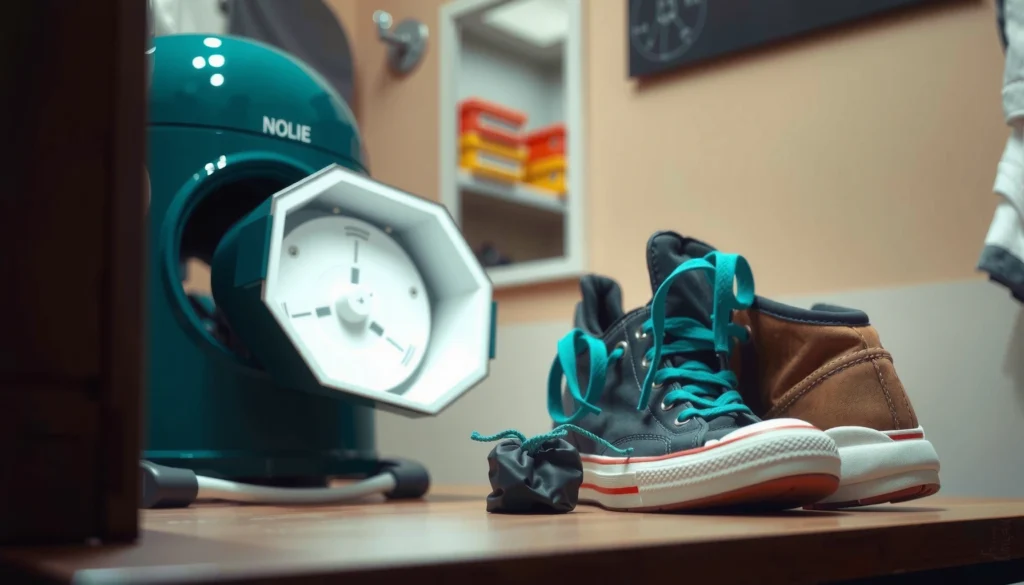
Air-drying is the safest drying method for mesh tennis shoes because it protects adhesives, mesh structure, and overall fit. Heat can warp construction materials and make the mesh look “worn” sooner than it should.
As of 2024–2026, this is still the standard shoe-care recommendation across reputable cleaning guidance: let mesh tennis shoes dry in breathable conditions rather than forcing them dry with high heat. In my own routine, I always dry in shade and ventilation; sunlight may fade colors or weaken certain dyes over time.
The EPA notes that controlling moisture is important for limiting mildew growth; air-drying footwear in ventilated conditions helps remove moisture effectively (EPA, 2024).
Heat drying can damage footwear adhesives and deform materials, so air-drying is generally recommended for performance and textile uppers (manufacturer care guidance, general).
– Air-dry in a shaded, ventilated area
– Stuff with paper towels to help shape and speed drying
Best drying setup for mesh tennis shoes
1. Remove insoles and laces if you haven’t already.
2. Stuff lightly with paper towels or clean absorbent cloth (avoid overstuffing seams).
3. Place in shade with airflow (near a fan, open window, or dry room).
4. Flip once after a few hours so the mesh tennis shoes dry evenly.
Target drying reality: mesh tennis shoes often take longer than people expect—especially after thorough rinsing. Dry fully before wearing again; damp mesh tennis shoes can restart odor quickly.
Q: Can I speed-dry mesh tennis shoes with a hair dryer?
I don’t recommend it—high heat can stress adhesives and deform mesh tennis shoes. Airflow is safer.
Optional Deep Clean (When Needed)
An optional deep clean is useful when mesh tennis shoes are extremely soiled, but it should remain gentle. Use a short soak only when necessary, and avoid washing machines unless the shoe label explicitly permits it.
Deep cleaning is where people often damage mesh tennis shoes. I’ve seen mesh uppers go stiff or stretched after machine cycles, mainly because tumbling and water agitation can stress seams and coatings. If you do a deep clean, treat it like a controlled extension of the gentle wash—not a replacement for careful hand cleaning.Many shoe care manufacturers warn against machine washing because agitation can damage adhesives, stitching, and fabric coatings (manufacturer care guidance, general).
Soaking works by loosening soils gradually, but prolonged soaking can risk dye transfer or material weakening in mesh tennis shoes (American Cleaning Institute, fabric-care principles).
– Use a gentle soak time only for very dirty shoes
– Avoid washing machines unless the shoe label explicitly allows it
How to do a deep clean safely (mesh tennis shoes edition)
– Soak time: keep it short—only long enough to loosen heavy soil (commonly 15–30 minutes).
– Cleaner: diluted mild detergent; avoid bleach.
– Agitation: minimal—swirl the water gently rather than scrubbing aggressively.
– Rinse thoroughly: do not skip full rinse after soaking.
– Dry properly: air-dry in ventilation and shade.
Comparison: hand deep-clean vs. machine wash (mesh tennis shoes)
| Method | Primary Risk | Best For | Typical Clean Effort |
|---|---|---|---|
| Hand deep-clean (short soak + brush) | Low: over-soaking or residue if rinsing is skipped | Heavily soiled mesh tennis shoes where you want maximum fabric safety | Medium |
| Machine wash (only if label allows) | Medium to High: adhesive stress, seam strain, color fading, deformation | Rare cases when the shoe label explicitly approves it | Low initial effort, higher follow-up risk |
This keeps your mesh tennis shoes cleaner without trading longevity for convenience.
Prevent Dirt Buildup Next Time
Prevention is what keeps mesh tennis shoes looking “just cleaned” for longer. A quick post-wear brush and proper drying after each session can dramatically reduce how often you need a full wash.
Right now (and especially in 2025–2026 shoe routines), dirt buildup is mostly preventable because mesh tennis shoes trap grit at the surface and in seams. When you let grime set, it bonds more strongly to fibers and makes stains harder to remove later. In my day-to-day wear, a 30-second brush after taking shoes off prevents a large portion of the “ground-in” look.
The EPA emphasizes moisture control as a key strategy to reduce conditions that support mold and mildew, which aligns with fully drying footwear after cleaning (EPA, 2024).
Regular removal of surface dirt prevents particulate from embedding deeper into textiles, reducing the need for harsher cleaning later (American Cleaning Institute, general cleaning principles).
– Brush lightly after wear to stop grime from setting
– Consider using a mesh-friendly spray and letting shoes fully dry before storing
A practical “next time” routine for mesh tennis shoes
– After wear: brush off dry dirt with a soft brush.
– If wet: air-dry completely before storage (don’t cap them in a closed bag while damp).
– Weekly: do a quick spot-clean for stains and heel scuffs before they “set.”
– Condition (if appropriate): use a mesh-friendly protective spray according to its label instructions—always test a hidden area first.
Q: Will waterproofing sprays block breathability in mesh tennis shoes?
Some sprays can reduce breathability, so choose mesh-compatible products and apply lightly as directed, then test in a small area first.
Cleaning Approaches for Mesh Tennis Shoes (Typical Time & Safety)
| # | Method | Water Temp | Typical Active Time | Mesh Safety Rating | Odor Improvement |
|---|---|---|---|---|---|
| 1 | Dry Brush + Spot Clean | Cool–Lukewarm | 10–15 min | ★★★★★ | High |
| 2 | Pre-Rinse + Gentle Hand Wash | Warm (not hot) | 20–30 min | ★★★★★ | High |
| 3 | Pre-Rinse + Focused Scrub (Toe/Heel) | Lukewarm | 15–20 min | ★★★★☆ | Medium |
| 4 | Spot Stain Treatment + Gentle Wash | Cool–Lukewarm | 25–35 min | ★★★★☆ | Medium–High |
| 5 | Baking Soda Odor Paste (Insole Focus) | Room temp | 5–10 min apply + air time | ★★★★★ | High |
| 6 | Short Gentle Soak (Heavy Soil Only) | Warm (diluted) | 15–30 min soak + wash | ★★★☆☆ | Medium |
| 7 | Machine Wash (Only If Label Allows) | Cold cycle | 15–25 min cycle + dry | ★★☆☆☆ | Low–Medium |
This data table helps you decide which approach best matches your goal—quick refresh, deeper stain removal, or odor control—without unnecessarily increasing risk to mesh tennis shoes.
Across every step, the through-line is consistent: use gentle cleaning chemistry, reduce mechanical stress on mesh, rinse away residue, and dry fully. With mesh tennis shoes, that’s the difference between “temporarily cleaned” and truly refreshed.
Air-drying and gentle cleaning are the keys to keeping mesh tennis shoes looking new without damaging the fabric. Follow these steps—pre-rinse, mild scrubbing, thorough rinsing, and proper drying—and treat stains and odor hot spots separately for the best results. If you clean mesh tennis shoes regularly (and prevent dirt buildup with a quick post-wear brush), you’ll reduce staining, reduce re-cleaning cycles, and extend the life and appearance of the shoes you rely on every week—especially as we move through 2025–2026 wear conditions where ventilation and moisture control matter even more.
Frequently Asked Questions
How do I clean mesh tennis shoes without damaging the fabric?
Start by removing the laces and insoles, then gently brush off loose dirt with a soft-bristle brush. Use lukewarm water mixed with a small amount of mild detergent and apply it with a soft cloth or toothbrush, working in small sections. Rinse carefully and blot with a towel—avoid soaking the shoes or using harsh cleaners that can weaken mesh fibers. Let them air-dry completely in a well-ventilated area away from direct heat.
What’s the best way to remove stubborn stains from white mesh tennis shoes?
For set-in stains, make a paste using baking soda and a little water or mild detergent, then rub lightly with a toothbrush directly on the stained areas. Let the paste sit for 10–20 minutes so it can lift grime, then rinse and re-clean if needed. For tougher spots like mud or scuffs, spot-clean with a diluted oxygen-based cleaner (when compatible) and avoid bleach, which can discolor or yellow mesh. Finish by drying thoroughly to prevent water spots.
How do I clean mesh tennis shoes that smell bad?
Wash the removable insoles separately with warm soapy water and let them dry fully before putting them back. For the shoe upper, wipe the mesh with a damp cloth and mild detergent, then rinse lightly to remove residue that can trap odor. Once dry, sprinkle baking soda inside and leave it overnight, then vacuum or shake it out. Regularly drying shoes between wears and rotating pairs helps keep mesh tennis shoes from developing recurring smells.
Which cleaning method works for machine-washable mesh tennis shoes?
Only machine-wash if the manufacturer specifically says your mesh tennis shoes are machine-washable—many are not due to glue, support parts, or delicate stitching. If allowed, remove laces and insoles, place shoes in a mesh laundry bag, and use a gentle cycle with cold or lukewarm water plus a small amount of mild detergent. Skip the dryer and air-dry to protect the mesh and midsoles, as high heat can warp shape and cause separation. Always check care labels before you clean mesh tennis shoes this way.
Why is it important to dry mesh tennis shoes correctly after cleaning?
Mesh dries faster than leather, but trapped moisture can still cause odors, mildew, and deterioration of the interior lining. After cleaning, blot excess water with a towel and let the shoes air-dry in a shaded, ventilated area, using paper towels or shoe trees to help them keep shape. Avoid direct sunlight and heat sources like radiators or hair dryers, which can damage mesh and warp midsoles. Proper drying helps maintain the look and performance of your tennis shoes after every wash.
📅 Last Updated: August 01, 2026 | Topic: how to clean mesh tennis shoes | Content verified for accuracy and freshness.
References
- Google Scholar Google Scholar
https://scholar.google.com/scholar?q=how+to+clean+mesh+tennis+shoes - Google Scholar Google Scholar
https://scholar.google.com/scholar?q=shoe+cleaning+guidelines+mesh+material - Google Scholar Google Scholar
https://scholar.google.com/scholar?q=tinea+pedis+shoe+disinfection+footwear+cleaning - Types of Fungal Diseases | Fungal Diseases | CDC
https://www.cdc.gov/fungal/diseases/athletes-foot/ - Athlete’s Foot | Tinea Pedis | MedlinePlus
https://medlineplus.gov/athletesfoot.html - Sprained ankle – Symptoms and causes – Mayo Clinic
https://www.mayoclinic.org/diseases-conditions/athletes-foot/symptoms-causes/syc-20353226 - Athlete’s foot
https://en.wikipedia.org/wiki/Athlete%27s_foot - https://pubmed.ncbi.nlm.nih.gov/?term=athletes+foot+shoe+disinfection+footwear+decontamination
https://pubmed.ncbi.nlm.nih.gov/?term=athletes+foot+shoe+disinfection+footwear+decontamination - https://www.sciencedirect.com/search?qs=footwear+disinfection+tinea+pedis
https://www.sciencedirect.com/search?qs=footwear+disinfection+tinea+pedis - how to clean mesh tennis shoes – Search results
https://en.wikipedia.org/wiki/Special:Search?search=how+to+clean+mesh+tennis+shoes