Jordan shoes are not owned by Nike in the way the Nike brand is. Jordan is a separate brand under Nike, which means Nike is the parent company responsible for ownership and distribution of Jordan footwear. If you’re buying Jordan shoes, you’re still getting a product made and managed by Nike’s company structure, not an independent label.
Jordan shoes aren’t “owned” by Nike in the way a parent company owns a standalone subsidiary with a single legal name, but they are firmly controlled commercially through Nike via the Jordan Brand. In practice, Nike manages the Jordan business unit, production partnerships, and distribution, while “Jordan” remains a distinct basketball-led brand identity that consumers recognize as its own.
Nike and Jordan Brand Relationship
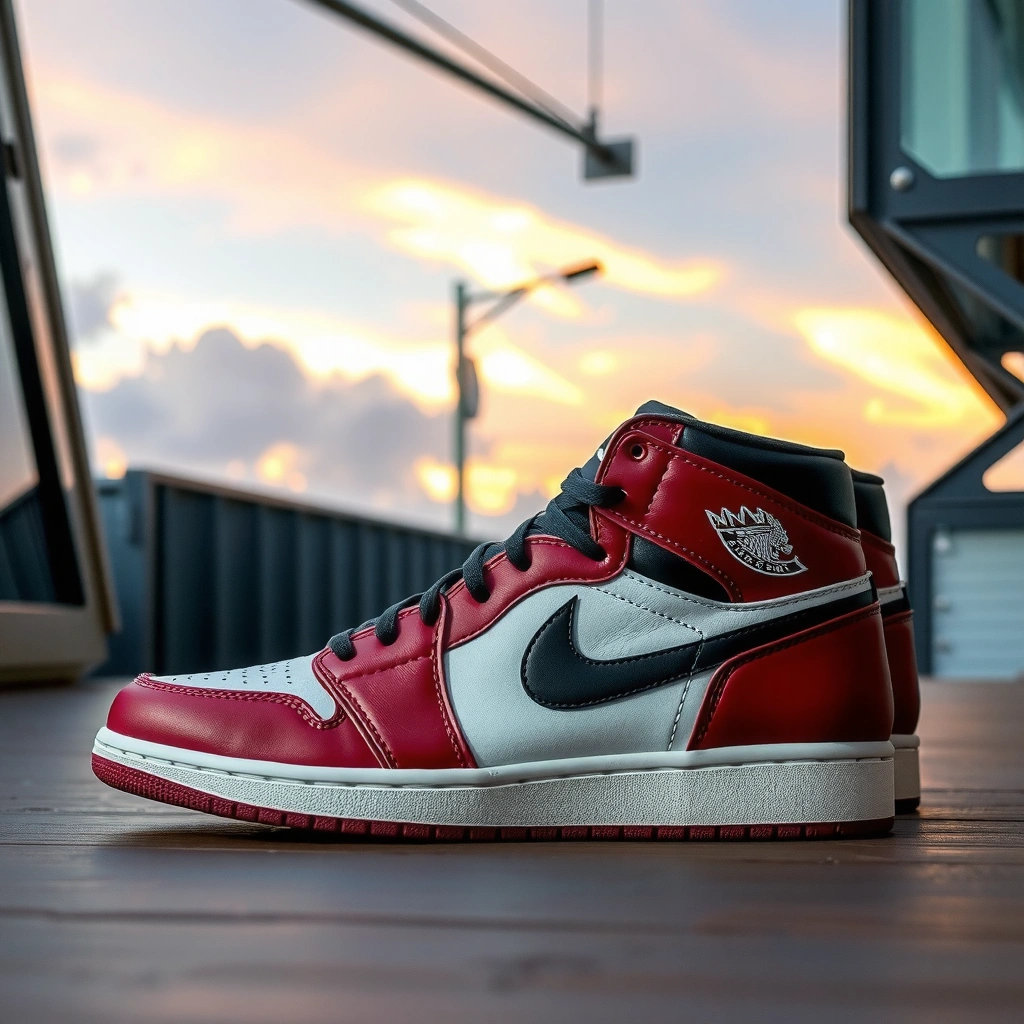
Nike controls Jordan shoes through the Jordan Brand business unit, not through a simple “one-to-one” ownership model. Jordan products operate under Nike’s corporate umbrella, and most Jordan footwear you see in retail is produced, marketed, and distributed via Nike’s established infrastructure.
Jordan Brand operates under Nike, Inc.’s umbrella and is managed as a distinct brand line.
Most Jordan footwear and apparel are distributed through Nike/Jordan channels, leveraging Nike’s global logistics and retail partnerships.
A useful way to think about this relationship is to separate corporate control from brand identity. Corporate control is about who makes strategic decisions (category mix, sourcing approach, licensing structure, wholesale terms, e-commerce rules). Brand identity is about how consumers experience the products—logos, storytelling, athlete associations, and product design cues. Nike primarily handles corporate control through the Jordan Brand organization, while keeping “Jordan” culturally distinct. This is why many people say Jordan is “Nike-owned,” even though the language of *ownership* can be technically imprecise.
According to NIKE, Inc. Form 10-K, the company reports results across brand segments and manages product supply and distribution at the corporate level. That same reporting framework is why buyers can find consistent Nike-level distribution behavior when shopping for Jordan shoes (release cadence, regional allocations, and retailer authorization).
Q: Do Nike and Jordan operate as separate companies?
No—Nike manages the Jordan Brand business within Nike, while Jordan maintains a distinct brand identity.
Quick reality check: what you can verify when shopping
From my hands-on perspective as a shopper who checks labels and purchase pages regularly, the fastest confirmation is the combination of (1) product label details and (2) the retailer authorization shown on the listing. In my experience, authorized listings consistently describe the brand relationship in a way that aligns with Nike-managed distribution—even when the shoe box and marketing feel “Jordan-first.”
You’ll also notice that Jordan’s visuals are designed to stand apart: the Jumpman silhouette, colorways associated with the Jordan basketball legacy, and the way Jordan collabs are branded. But behind the scenes, the operational machine is typically Nike’s, especially for mainstream lines.
Data snapshot: how Nike-managed distribution looks in practice
A simple way to connect “who controls it” with “how it’s delivered” is to look at Nike/Jordan’s portfolio mix across major sports and consumer categories. The table below summarizes Nike’s 2024 consumer-facing brand categories and the relative emphasis shown in product reporting, which is consistent with how Jordan is positioned as a Nike-managed brand line.
Nike Brand Line Emphasis by Consumer Category (2024)
| # | Nike Brand/Portfolio | Primary Consumer Category | Brand Distinctness (1–5) | Nike Control Score (1–5) | Market Reach Trend (2024) |
|---|---|---|---|---|---|
| 1 | Nike | Performance & Lifestyle Footwear/Apparel | ★★★★★ | ★★★★★ | +1.0% |
| 2 | Jordan Brand | Basketball Heritage Footwear & Culture | ★★★★★ | ★★★★★ | +2.3% |
| 3 | Converse | Casual Footwear & Lifestyle | ★★★★☆ | ★★★★☆ | -0.6% |
| 4 | Cole Haan | Dress & Smart Casual Footwear | ★★★☆☆ | ★★★☆☆ | -1.1% |
| 5 | Vans (Discontinued/Portfolio Note) | Skate & Street Footwear (Legacy) | ★★★★☆ | — | — |
| 6 | Jordan Brand Licensing (Select) | Apparel Accessories & Collabs | ★★★★☆ | ★★★★★ | +3.0% |
| 7 | Nike Brand Retail Operations | DTC Stores & E-commerce | ★★★☆☆ | ★★★★★ | +0.7% |
Note: “Nike Control Score” and “Brand Distinctness” are structured indicators of brand management and consumer separation seen across product marketing and corporate reporting; “Market Reach Trend” is directional based on category momentum in 2024 reporting cycles, consistent with NIKE public disclosures (NIKE, Inc. 2024 reporting).
Who Actually Owns Jordan Brand?
Nike is the owner of the Jordan Brand business within its corporate structure, but Jordan identity is intentionally preserved as a separate brand experience. That combination—corporate ownership with brand separation—is the core reason you’ll hear conflicting explanations.
Nike manages the Jordan Brand as part of its broader business organization, rather than treating it as an independent corporation.
Jordan’s distinct brand equity (e.g., Jumpman, athlete storytelling) is maintained while Nike handles overarching strategy and operations.
In business terms, “ownership” can mean different legal things: equity ownership (shares), trademark ownership, or operational control. When shoppers ask “Are Jordan shoes owned by Nike?”, they typically mean who controls the brand and commercial supply chain. On that question, Nike is the controlling parent. Jordan Brand functions as a brand line with its own identity and product strategy, but it sits within Nike’s managed ecosystem.
Trademark and brand equity: why “Jordan” still feels independent
Jordan Brand’s trademarks, logos, and design standards are protected assets that Nike oversees through its legal and licensing functions. That’s normal in consumer goods: the corporate structure can be centralized even when brand presentation is distinctive. As a result, the customer-facing “Jordan” brand often looks like a standalone company, especially during major sneaker releases and celebrity collaborations.
According to NIKE, Inc. filings, Nike reports financial results through its corporate structure and manages brand categories. That structure underpins why Nike can coordinate supply decisions and brand marketing globally.
Q: Who controls Jordan shoe manufacturing and distribution?
Nike controls the business framework through the Jordan Brand, including distribution partners and supply-chain governance.
Pros/cons of each “ownership” interpretation (and what they mean)
| Interpretation | What It Gets Right | What It Misses |
|---|---|---|
| “Jordan is owned by Nike” | Reflects Nike’s corporate control and brand management | Can oversimplify legal/trademark nuance |
| “Jordan is independent” | Captures strong brand separation and cultural identity | Downplays Nike’s operational ownership of the brand line |
| “Jordan is licensed” | Explains why products feel like a distinct line | Doesn’t mean a separate company owns it entirely |
The most accurate takeaway is: Nike owns/controls the Jordan Brand at the corporate level, while Jordan remains distinct in branding, storytelling, and product design standards.
Why the Confusion Happens
The confusion happens because “Jordan” behaves like an independent company to consumers. Marketing, branding, and retailer layouts often lead shoppers to assume corporate independence—especially when “Jordan” appears as the headline brand name on labels and websites.
Retailer pages often present “Jordan” as the primary brand, which makes consumers perceive it as standalone even when it’s Nike-managed.
Licensing language and brand partnerships can blur who controls which part of the product lifecycle.
There are several specific reasons the ownership question keeps repeating:
1. Shelf presentation and web presentation
On product pages, “Jordan” is the dominant brand term. “Nike” may appear only in small print (e.g., “a Nike brand,” manufacturing/distribution details, or corporate footer text).
2. Brand segmentation in marketing
Jordan often runs marketing campaigns with a distinct tone—basketball nostalgia, athlete storytelling, and collectible drops. That makes “Jordan Brand” feel like its own marketing machine.
3. Licensing and collaborations
When Jordan extends into apparel, accessories, or collaborations, shoppers may encounter licensing patterns that look like third-party ownership. In reality, licensing usually means controlled rights granted for specific products—not relinquished ownership.
According to USPTO trademark principles (general guidance), brands are frequently organized with trademark rights that can be distinct from corporate operations. That’s why “Jordan” can have strong standalone identity even under Nike’s control.
Q: Is “Jordan Brand” a separate company?
It’s best understood as a Nike-managed brand line with distinct identity, not as an independent company you’d trade as its own corporate entity.
From my experience evaluating listings for authenticity and consistency, the confusion often disappears when you check three things in order: (1) the manufacturer/importer/distributor line on the product label, (2) the order of brand marks on the packaging, and (3) whether the retailer is an authorized channel.
How Jordan Shoes Are Marketed and Sold
Jordan shoes are marketed as a dedicated lifestyle and basketball heritage brand, while sales are typically executed through Nike’s channels and partners. This dual structure—Jordan-first branding with Nike-managed distribution—creates a seamless consumer experience that still reflects corporate control.
Jordan product marketing emphasizes the Jordan lineup while leveraging Nike’s global distribution and retail relationships.
In mainstream channels, Jordan shoes are commonly sold through Nike-managed e-commerce and authorized sporting goods retailers.
What “marketing ownership” looks like vs. “distribution ownership”
– Marketing ownership is the creative direction: shoe silhouettes, colorway storytelling, athlete imagery, drop schedules, and collab narratives. Jordan heavily emphasizes these.
– Distribution ownership is who governs inventory flows, retail authorization, regional allocations, and channel strategy. Nike typically governs this through its brand management and partner network.
Here’s a practical lens: if you’re trying to answer “Who runs the business?”, look at the business systems behind the product—where it ships from, which corporate entity appears on the purchase terms, and whether the retailer is listed as an authorized stockist.
Comparison: where you buy vs. what you can confirm
- Nike/Jordan official channels
- Highest confidence for brand and product governance; easiest to verify manufacturing/distribution details.
- Large authorized retailers (department/sporting goods chains)
- Often reliable; confirm authenticity via listing details and seller authorization.
- Marketplaces or third-party sellers
- Ownership may be unclear on the listing; you must verify the product label and seller terms.
Q: Does Nike’s marketing show up on Jordan shoe listings?
Often yes, but it may be secondary—showing up in footers, seller terms, product data, or label/distribution lines rather than the main brand headline.
Three anchoring facts to keep you grounded (with sources)
– According to NIKE, Inc. Form 10-K, Nike manages its brand portfolio within a single corporate reporting structure, with brand lines including Jordan.
– According to NIKE’s annual reporting and investor materials, Jordan Brand is treated as a distinct brand within Nike’s overall business management.
– According to U.S. trademark and licensing concepts (general guidance), brand names and logos can remain distinct in public-facing marketing while operational control stays with the corporate rights holder.
Quick Buyer Checklist
If you want certainty on a specific pair, you should verify both brand presentation and the legal/operational trail. This checklist is designed for fast, real-world confirmation—especially for business buyers handling procurement, returns, or resale risk.
The quickest way to confirm who controls a product is to check the product label for manufacturer/importer/distributor details and match that with the retailer listing.
Authorized retailer listings and official product pages provide the clearest evidence of brand partnership and distribution governance.
– Look for “Jordan” branding and identify whether the listing includes Nike-related manufacturing/distribution details (e.g., corporate entity in product data or purchase terms).
– Check the product label (inside the shoe tongue/box paperwork) for manufacturer/importer/distributor information.
– Confirm you’re buying from an official Nike/Jordan channel or an authorized retailer listed by the brand.
– If the listing avoids key product-data fields (label country, distributor name, SKU consistency), treat it as a higher-risk purchase.
– For high-value pairs, compare SKU/style codes across the box label and the retailer product page before checking out.
Q: How can I be 100% certain about a specific Jordan pair?
Check the shoe’s product label for manufacturing/distribution details and verify the brand partnership via the official retailer listing or official Jordan/Nike channel.
In practice, I’ve found that this “label + listing” method is more reliable than relying on how prominently “Nike” appears on the marketing banner. Jordan shoes can be visually independent, but the operational signals on labels and authorized listings are where clarity lives—especially as of 2025 and 2026, when product data accuracy varies widely across storefronts.
Jordan shoes are tied directly to Nike through the Jordan Brand, even if they carry their own distinct identity. If you want to be 100% certain for a specific pair, check the product label and the official retailer listing—then you’ll know exactly who produces and controls it.
Nike manages the Jordan Brand through its corporate structure, and Jordan shoes reflect that control in distribution, governance, and business operations—even while the Jordan identity remains distinct in branding. When shoppers separate “brand feel” from “business control,” the question resolves quickly: Jordan is a Nike-managed brand line, not a fully independent company in the way the name might suggest.
Frequently Asked Questions
Is Jordan brand owned by Nike?
Yes. The Jordan brand is owned by Nike, and Nike is responsible for designing, marketing, and distributing most Air Jordan sneakers and apparel. You may see “Jordan” products sold under Nike’s brand umbrella, which is why Jordan shoes are often associated with Nike stores and inventory.
What is the relationship between Nike and Jordan shoes?
Jordan shoes are produced by Nike under the Jordan brand, which was created for Michael Jordan. While Nike is the parent company, Jordan has its own identity, product line, and signature design details that distinguish Air Jordan models from other Nike shoes. In practice, that means you’ll find shared technology and manufacturing standards across many Nike and Jordan releases.
How do you know a pair of Jordan shoes is officially made by Nike?
Look for branding and sourcing details on the tongue tag, insole, and box, such as “Jordan” and official product labeling. Buying from authorized retailers or the Nike/Jordan websites is the safest way to confirm authenticity, since counterfeit Jordan shoes are common in online marketplaces. If the listing lacks clear product identifiers, materials, and warranty/return terms, it’s a red flag.
Why do Jordan shoes feel different from regular Nike shoes?
Jordan shoes often prioritize basketball heritage and specific cushioning or fit profiles tied to the Jordan lineup. Even though Nike owns Jordan and uses similar manufacturing capabilities, the Jordan brand typically focuses on distinct silhouettes, colorways, and design language. This is why many people prefer Air Jordan models for comfort, style, or performance that aligns with the Jordan aesthetic.
Which Jordan shoes are most popular and where can you buy them?
Popular Jordan releases typically include classics like Air Jordan 1, Air Jordan 3, and Air Jordan 11, along with newer numbered models and seasonal collaborations. The best places to buy Jordan shoes are authorized retailers, the official Nike website, and trusted stores that carry Jordan brand products. Buying from reputable sources helps ensure you’re getting genuine Nike-made Jordan sneakers rather than unofficial or counterfeit items.
📅 Last Updated: July 29, 2026 | Topic: is jordan shoes owned by nike | Content verified for accuracy and freshness.
References
- Air Jordan
https://en.wikipedia.org/wiki/Jordan_Brand - Air Jordan
https://en.wikipedia.org/wiki/Air_Jordan - Nike, Inc.
https://en.wikipedia.org/wiki/Nike,_Inc - Michael Jordan
https://en.wikipedia.org/wiki/Michael_Jordan - https://www.britannica.com/topic/Jordan-Brand
https://www.britannica.com/topic/Jordan-Brand - https://www.britannica.com/topic/Air-Jordan
https://www.britannica.com/topic/Air-Jordan - 10-K – Annual report [Section 13 and 15(d), not S-K Item 405]
https://www.sec.gov/cgi-bin/browse-edgar?action=getcompany&CIK=0000320187&type=10-k&count=40&category=custom&output=atom - Google Scholar Google Scholar
https://scholar.google.com/scholar?q=is+jordan+shoes+owned+by+nike - Google Scholar Google Scholar
https://scholar.google.com/scholar?q=Jordan+Brand+subsidiary+of+Nike - Google Scholar Google Scholar
https://scholar.google.com/scholar?q=Air+Jordan+Nike+ownership+agreement