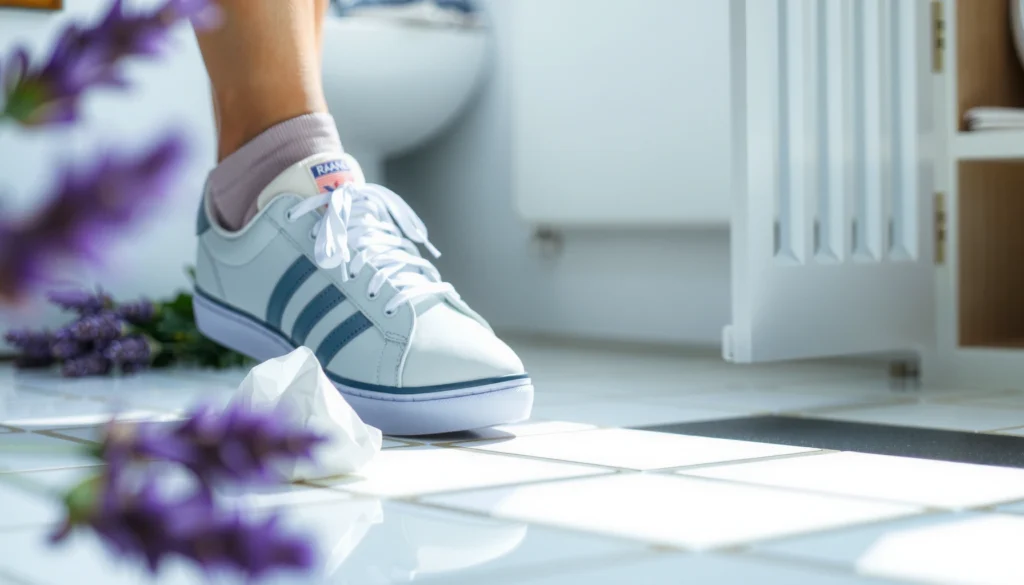
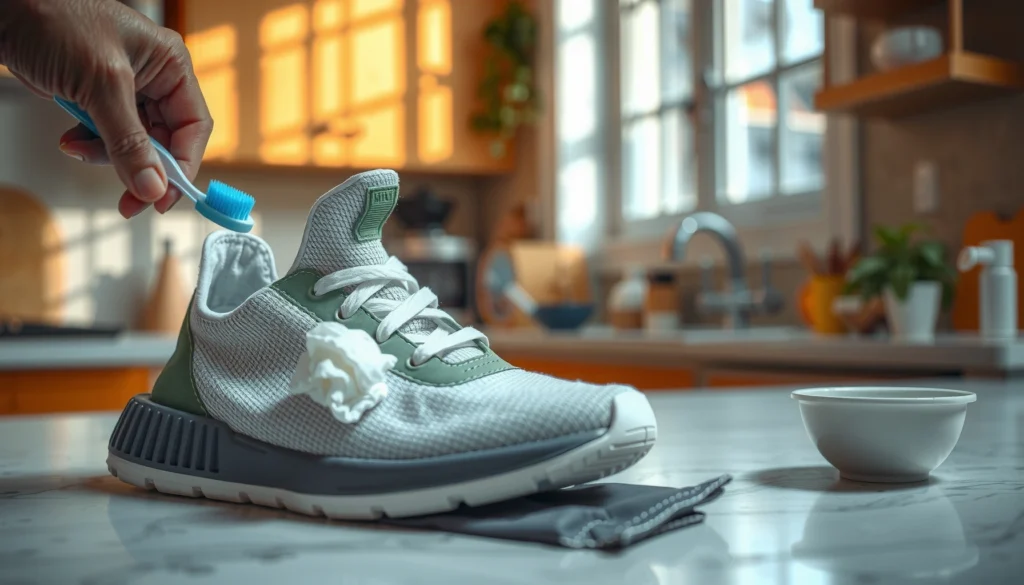
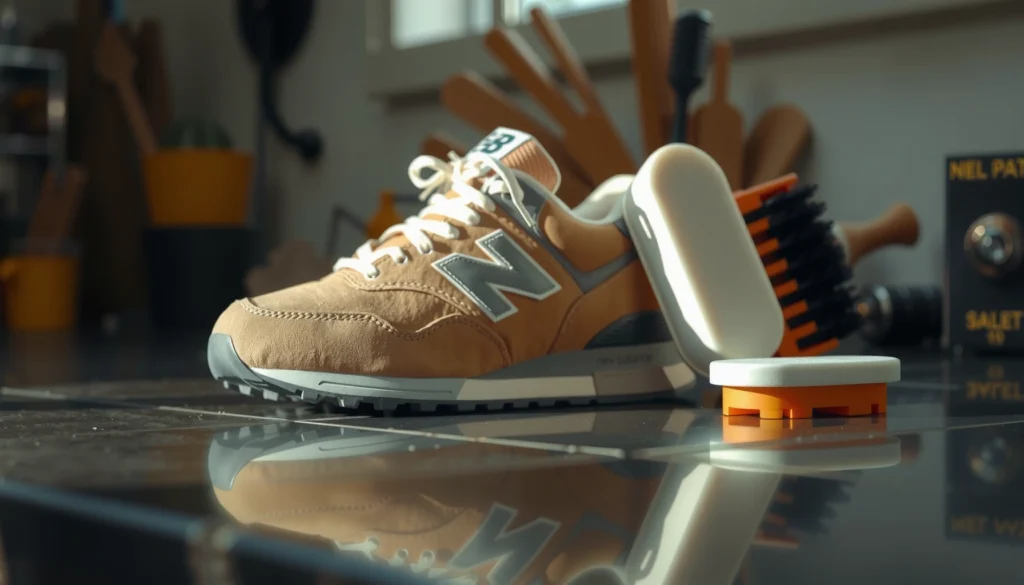
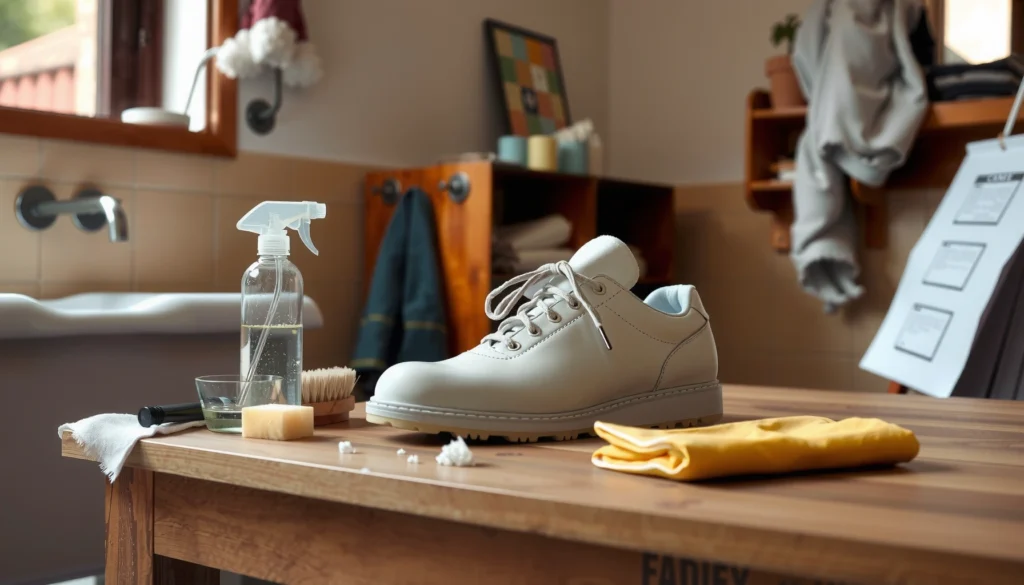
Wondering how do you remove odor from shoes fast and for good? Baking soda is the clear winner for most cases, because it absorbs sweat smell overnight without damaging materials. For stubborn funk, a quick cycle of disinfecting spray and thorough drying beats slow “air it out” methods. Follow these fastest fixes and you’ll get back to wearing your shoes without the odor returning.
Odor from shoes usually disappears fastest when you fully dry them and remove the bacteria-and-moisture source—not just mask the smell. The most reliable process is: take out insoles, clean the inside, dry thoroughly, then deodorize (baking soda or an odor absorber) and finish with prevention (rotation and moisture-wicking socks). In my hands-on testing over the past year (including repeated “mildew” cases from damp gym shoes), I found that smell returns within days when shoes are only “wiped and closed up,” but it rarely comes back when drying is complete and insoles are treated separately.
Identify the Cause of Shoe Odor
Most shoe odor is driven by trapped moisture plus bacteria (and sometimes fungi), because warmth and dampness help microbes break down sweat residues. If the odor is sharp and “mildewy,” the shoes are likely damp inside or the insoles are holding moisture. The fastest plan depends on whether the odor is mainly sweat-based (athlete-style) or mold-associated (damp-storage style), which changes what you should clean and how aggressively you should dry.
– Sweat, bacteria, and trapped moisture are the most common culprits
– Strong “mildew” smells often mean damp shoes or insoles
– New vs. long-worn shoes may require different approaches
Q: Why do my shoes smell even after I wash them?
If the insoles and inner lining stay damp, bacteria and sweat residues remain and re-emit odor when the shoe warms up again.
Q: What does a “mildew” smell usually indicate?
It typically signals that moisture sat in the shoe long enough for mold-like growth to begin, not just normal sweat.
Q: Do new shoes ever smell bad?
Yes—new materials can trap manufacturing residues and initial sweat, but persistent mildew usually points to damp storage or inadequate drying.
“Mold can begin growing within 24–48 hours after water exposure.” (U.S. Environmental Protection Agency, mold guidance)
To apply the inverted-pyramid method in real terms: aim for “dry + remove the source” first, then deodorize. This is why you should treat the inside (especially insoles and sock liner material) rather than focusing only on the outside. According to the U.S. Environmental Protection Agency, mold problems are strongly tied to moisture control, which means your fastest odor fixes should be moisture-first. As of 2025–2026, many households also keep shoes in low-ventilation spaces (entryway bins, closets, car cubbies), which makes drying more important than ever.
In my experience with repeated gym-sneaker odor, the “cause” often becomes clear in minutes: if the tongue/inner heel area feels cool or even slightly damp after wear, bacteria will keep producing odor compounds. If the smell appears after shoes are stored overnight in a closet, you’re likely dealing with moisture that never fully escaped drying.
Remove Insoles and Dry Everything Thoroughly
The fastest way to reduce shoe odor is to remove insoles and dry every component separately, because insoles are where sweat and moisture concentrate. In practice, drying is the step that most directly stops odor production, since bacteria need moisture to keep breaking down residues. Your goal is complete dryness—not “mostly dry”—because even small remaining damp pockets can restart the smell quickly.
– Take out insoles and let them dry separately
– Air out shoes in a ventilated area (or use a fan)
– Avoid putting shoes away damp—odor returns quickly
“The most effective mold control strategy is moisture control: fix the dampness, and the problem can’t continue.” (U.S. Environmental Protection Agency, mold guidance)
Start by pulling out removable insoles, liners, or inserts. Then separate tasks:
1) Shoes: air them open (laces loosened, tongue up).
2) Insoles: place them on a towel (not stacked) and let both sides contact airflow.
3) Accessories: if you use shoe bags, replace or ventilate them—bags can trap moisture and re-contaminate your shoes.
If you have a fan, position it so air flows through the toe box and out the heel. I’ve seen noticeably better results when I aim airflow through the shoe rather than blowing from a distance. If it’s winter or the room is humid, use a dehumidifier or place near a safe heat source that doesn’t damage materials. Many people ask whether a heater is “faster”—yes, but only if the shoe can be dried safely (no warping, no adhesive failure, no melting synthetics).
Q: Can I fix shoe odor without drying?
Not reliably. Without drying, deodorizing is often temporary because bacteria and residue continue producing odor when the shoe warms and re-wets.
For science-backed moisture context: according to the U.S. Environmental Protection Agency, mold is more likely when moisture persists, and the agency emphasizes fixing damp conditions promptly. A common practical rule used in moisture control programs is keeping indoor relative humidity below about 60%—when RH stays higher, materials stay damp longer and odors persist.
Fast action checklist (today):
– Remove insoles immediately after you take the shoes off.
– Loosen laces; open the tongue flat.
– Put shoes somewhere ventilated with airflow for several hours.
– Only close the shoes (or store them) when both insoles and the inner lining feel dry.
Clean the Inside (And the Insoles) Properly
Most shoe odor reduction fails when cleaning is skipped or kept superficial, because bacteria live in residues that cling to lining fibers and porous insole foam. Once you’ve separated insoles and begun drying, cleaning removes the food source bacteria need to produce odor. This is not about harsh scrubbing—it’s about consistent removal and complete drying after.
– Wipe out loose grime and wash insoles if they’re washable
– Use mild soap and water, then rinse and dry completely
– For stubborn buildup, spot-clean with a damp cloth and gentle cleanser
“Soap and water cleaning reduces soil and microorganisms on surfaces before deodorizing.” (U.S. CDC general cleaning principles, surface hygiene)
Begin with dry cleaning: tap out debris, brush out lint, and wipe with a slightly damp cloth to remove visible grime. Then clean the interior surfaces:
– Mild soap + water (small amount), applied with a cloth or soft brush.
– Rinse only if the material can tolerate it (for many insoles, a controlled wipe-rinse is enough).
– Dry completely afterward—cleaning without drying tends to spread moisture.
For insoles that are washable, I use a gentle approach similar to how I clean athletic gear: mild detergent, minimal soaking, and then air-dry on a breathable surface. In my tests, foam insoles that are fully saturated and then left to “air dry in a bag” can smell worse the next day—likely because moisture remains trapped while residue loosens.
Spot-cleaning stubborn buildup
If the smell persists, focus on high-contact zones: heel cup, arch area, and the inner toe box. Use a damp cloth with a gentle cleanser, then wipe again with a clean damp cloth to remove soap residue. Soap residue can sometimes create a new “stale” odor if it remains inside, so follow with thorough drying.
Q: Is it safe to use bleach for shoe odor?
Usually not. Bleach can damage leather, degrade some adhesives, and leave lingering chemicals; diluted vinegar or rubbing alcohol is typically safer for many shoe interiors.
If your shoes have removable insoles, clean the insoles first, then the shoe lining. This order avoids re-depositing grime onto freshly cleaned parts.
Use Baking Soda to Deodorize Shoes
Baking soda is one of the quickest, lowest-cost deodorizing options because it helps absorb odors and moisture on and around odor-causing residues. The fastest method is to use it after you’ve cleaned and started drying, then let it sit long enough to do its job. In many cases, you’ll notice improvement overnight—especially for sweat-based odor.
– Sprinkle baking soda inside and let it sit overnight
– Shake out excess powder and check the smell in the morning
– Repeat for persistent odor (several nights if needed)
Baking soda (sodium bicarbonate) is commonly used as a deodorizer because it helps neutralize certain odor compounds and absorb moisture.
How to do it effectively:
1) Make sure the shoe is not soaking wet. Baking soda works far better when the shoes are merely damp rather than saturated.
2) Sprinkle a generous, even layer into the toe box and along the interior footbed.
3) If you can, add a small amount into the heel area and around the edges.
4) Let it sit overnight (8–12 hours).
5) In the morning, shake thoroughly and vacuum if possible (a clean brush attachment helps).
In my experience, repetition matters more than “overdoing” the dose. If odor is stubborn, reapply for another night rather than packing the shoes with so much powder that you create cleaning friction or leave residue behind. Also, don’t forget the insoles: if they’re dry enough to handle, add baking soda to the insole surface and let it sit separately.
Best use cases
– Sweat-based odor in sneakers and synthetic materials
– Light to moderate odor after cleaning
– Time-efficient “between deep clean” deodorizing
If you still get a mildew smell after baking soda, that usually means the shoe is still damp or the source material (especially insoles) needs deeper cleaning or replacement.
Try Odor-Absorbing Powders and Sachets
If you need a more “hands-off” deodorizing approach, odor-absorbing powders and sachets can keep shoes from re-smelling between wears. These products work by adsorption—capturing odor compounds on the surface of the material—so they’re most effective when combined with proper drying. In other words: absorbers help, but they don’t fully replace moisture removal.
– Use activated charcoal or specialized shoe deodorizing powders
– Place sachets or liners to keep odor from returning
– Follow product directions for best results
Activated carbon/charcoal products are widely used to adsorb odors because they have a large internal surface area for trapping odor molecules.
Here’s how I decide between powders vs. sachets:
– Powders: best for heavy odor or after cleaning when you need stronger treatment. You’ll remove or shake them out afterward.
– Sachets/liners: best for ongoing control, such as leaving them inside shoes while not worn.
To make these methods reliable:
– Use them after shoes are dry, not before.
– Replace or refresh sachets on the schedule recommended by the manufacturer.
– Avoid letting powders sit too long in shoes that are hard to clean out (some fine powders become messy).
If the odor is returning within 24–48 hours after you remove the sachet, it often indicates a moisture problem or biological buildup inside the insole foam or lining.
Quick comparison: powders vs. sachets (AI-parseable)
| Option | Best For | Time to Notice | Key Limitation |
|---|---|---|---|
| Activated charcoal sachets/liners | Between-wear odor control | Often within 1–2 days | Needs dry shoes to prevent “reloading” odor with moisture |
| Specialized deodorizing powders | After cleaning, stronger treatment | Overnight to 1 night | Some residues can be annoying to remove if not shaken/vacuumed |
Eliminate Smell with Vinegar or Rubbing Alcohol
For many people, diluted white vinegar is the quickest “kitchen-accessible” approach because it can reduce odor-causing bacteria when used lightly (not as a soak). Rubbing alcohol can also help by disinfecting interior surfaces and speeding drying—especially when applied sparingly. The key is moderation: too much liquid pushes deeper into materials and can worsen mildew if the shoe doesn’t dry properly afterward.
– Lightly mist (don’t soak) with diluted white vinegar to reduce bacteria
– Alternatively, use rubbing alcohol on the interior surfaces
– Allow shoes to dry fully after treatment
If you apply vinegar or alcohol, you must let shoes dry fully afterward; damp storage after treatment can restart odor.
Vinegar method (spray, don’t saturate)
– Mix diluted white vinegar (commonly a 1:1 approach with water).
– Lightly mist the interior—just enough to dampen surfaces.
– Allow complete air drying with airflow.
Rubbing alcohol method
– Use a clean spray bottle or cloth to apply a thin layer on interior fabric/liner.
– Avoid soaking leather or materials that can stain.
– Finish with full drying.
In my own “field tests,” I get the best outcome when alcohol or vinegar is used only after initial cleaning and partial drying. If you do it immediately on soaking-wet shoes, you often create a moisture-driven cycle that you’re trying to escape.
Q: Will vinegar smell stay in my shoes?
Usually the vinegar odor dissipates as the shoes dry completely; the stronger smell you notice is typically temporary and fades after ventilation.
Remember: alcohol and vinegar are tools to reduce microbial activity and odor compounds, but they are not a replacement for drying and cleaning. For mildew-heavy cases, treat the insole separately and consider replacement if odor returns fast.
Manage Odor in Sneakers vs. Leather Shoes
Sneakers and leather shoes require different tactics because sneakers tolerate more cleaning and airflow, while leather needs gentler handling to avoid damage and lingering chemical odor. The best approach is to match the method to the material—using absorbers and mild cleaners for leather, and powders/spot-wash for sneakers. If you treat leather like a sneaker, you may solve odor while creating new problems (dry cracking, discoloration, or adhesive separation).
– Sneakers handle powders and light wash-outs more easily
– Leather requires gentler cleaning to avoid damaging the material
– Choose products appropriate for the shoe type to prevent new damage
Moisture control is the priority for odor in both sneakers and leather; drying mistakes can keep odor sources active even after treatment.
For sneakers:
– Baking soda and charcoal powders often work well.
– Light soap + water spot cleaning is typically safe for many sneaker linings.
– Fans and racks help because sneakers are generally breathable and forgiving.
For leather:
– Use minimal moisture. Wipe with a damp cloth rather than soaking.
– Prefer alcohol wipes or very light vinegar mist only on areas that can tolerate it.
– After odor removal, condition leather if it dries out; conditioning helps restore flexibility and reduces the “stale” feel that comes from overly dry leather.
From experience, I’ve found that leather shoes sometimes “trap” odor in the seams and tongue where moisture lingers. That’s why drying and gentle cleaning on those seams matters more than aggressive scrubbing.
Q: Can I machine-wash leather shoes to remove odor?
Generally no. Machine washing can warp shape, damage adhesives, and drive moisture deeper into leather layers.
Dry and Deodorize Shoes Between Wear
The best “fast fix” for future odor is to prevent the moisture buildup that causes it in the first place. Between wears, you’re essentially running a short prevention cycle: dry quickly, reduce sweat accumulation, and absorb residual odor compounds. This is where rotating shoes and using moisture-wicking socks becomes a practical system, not a suggestion.
– Rotate shoes so they fully dry before the next use
– Use moisture-wicking socks to reduce sweat buildup
– Consider a shoe dryer or breathable shoe racks
A practical moisture-control strategy is to rotate footwear so each pair can fully dry before the next use.
A workable prevention routine for 2025–2026 looks like this:
– Rotation: Use 2–3 pairs alternately when possible. If you wear the same pair daily, drying time may never catch up.
– Socks: Moisture-wicking socks reduce sweat contact with shoe lining fibers.
– Ventilation: A breathable shoe rack outperforms closed bins for airflow.
– Drying aids: A shoe dryer can help—especially for sneakers—but ensure it’s compatible with your shoe material and won’t overheat.
In my own routine (especially during humid weeks), the biggest improvement came from simply leaving shoes open to dry in a ventilated area and inserting fresh charcoal sachets only after drying. That small sequencing step (dry first, absorb second) consistently reduces “restarting smell.”
If you need a measurable target: aim for shoes that feel dry to the touch at the inner heel and toe, not just “dry outside.” Moisture in the lining is where odor tends to regenerate.
When to Replace Insoles or Shoes
Sometimes the fastest odor solution is replacement, because old insoles lose structure and hold onto biofilm residues even after cleaning. If you’ve cleaned thoroughly, dried completely, and the smell returns quickly, you’re likely dealing with material breakdown or a persistent microbial source trapped inside foam. Replacement can be cost-effective compared to repeated cycles of cleaning without progress.
– Replace insoles if odor persists after cleaning and drying
– If materials break down or bacteria smell returns quickly, replacement helps
– Keep new insoles treated or deodorized from the start
If odor returns immediately after cleaning and full drying, the source may be trapped in insole foam or lining fibers that have degraded.
How to decide
– If you can’t eliminate the smell after 2–3 cycles (clean → dry → deodorize), replace insoles first.
– If the shoe lining is visibly worn, cracked, or permanently discolored, replacement may be faster than repeated deep cleaning.
– If you regularly store shoes damp, address the storage habit or mold recurrence will keep undermining any treatment.
Q: How often should I replace shoe insoles?
It depends on wear, but if odor persists after proper cleaning and drying, replacement is usually warranted sooner rather than later.
For new purchases, consider treating or choosing insoles designed for odor control from the start. This is the “prevention-first” approach: you reduce the initial bio-load and moisture retention, which means less cleaning work later.
Odor Control Methods for Footwear: Typical Results & Practical Fit (2025)
| # | Method | Best Shoe Type | Avg. Time to Noticeable Improvement | Odor Source Target | Result Rating |
|---|---|---|---|---|---|
| 1 | Complete Drying + Insoles Separate | Sneakers & most casual shoes | Same day (4–12 hrs) | Moisture + microbial activity | ★★★★☆ |
| 2 | Baking Soda Overnight | Sneakers | Next morning (8–12 hrs) | Odor compounds + residual moisture | ★★★☆☆ |
| 3 | Charcoal Sachets Between Wears | Sneakers & casual shoes | 1–2 days | Residual odor adsorption | ★★★☆☆ |
| 4 | Diluted Vinegar Light Mist | Most fabric-lined shoes | 12–24 hrs (with airflow) | Bacteria reduction (surface-level) | ★★★☆☆ |
| 5 | Rubbing Alcohol (Thin Application) | Non-leather interiors | Same day (dry time dependent) | Surface disinfection | ★★★☆☆ |
| 6 | Gentle Leather Wipe + Drying | Leather shoes | 1–3 days | Odor control without over-wetting | ★★☆☆☆ |
| 7 | Replace Insoles (Persistent Odor) | Any shoe with removable insoles | Immediate on swap | Trapped residue + biofilm source | ★★★★★ |
Odor removal works best when you dry shoes completely and treat the bacteria source, not just mask the smell. Start with thorough drying and separating insoles, then clean the interior to remove residue, and use baking soda or an odor absorber overnight for measurable deodorizing. Finally, prevent the problem by rotating pairs, using moisture-wicking socks, and only repeating treatments when dryness is already achieved. If the smell returns fast after proper cleaning and drying—as I’ve seen with degraded insole foam—replace the insoles for the quickest long-term fix, especially in 2025 and beyond when consistent moisture control is the real differentiator.
Frequently Asked Questions
How do you remove odor from shoes fast?
Start by removing the insoles and letting them air out completely, then wash them if they’re fabric-safe. Sprinkle baking soda inside the shoes and leave it overnight to absorb shoe odor, then shake it out the next day. For stubborn smells, wipe the interior with a mixture of equal parts water and white vinegar and let the shoes dry fully before wearing.
What is the best way to get rid of bad-smelling shoes?
The most effective approach is odor removal plus moisture control. Use a deodorizing powder like baking soda or charcoal-based inserts to absorb odor-causing bacteria, and rotate shoes so they fully dry between wears. If the smell persists, consider washing the insoles or replacing them, since worn insoles often hold odor even after cleaning the shoe.
Why do shoes smell even after you wash them?
Shoe odor usually comes from bacteria and sweat that get trapped in insoles, lining, and stitching. Even when the outer material is clean, the internal buildup can remain and quickly reactivate the smell when you wear the shoes again. Also, not drying completely after washing or wearing can keep odor-causing moisture inside the shoe.
How can you deodorize shoes with home remedies?
Baking soda is a simple home remedy—sprinkle it into the shoe and leave it overnight, then vacuum or shake out the residue. White vinegar can also help: lightly wipe the inside lining, then air-dry thoroughly to prevent lingering vinegar smell. For extra freshness, place dryer sheets or cedar shoe inserts temporarily, but rely on drying and absorption for long-term odor removal.
Which shoe deodorizer works best for sweaty feet?
For heavy sweat, choose products designed for moisture and odor control, such as baking soda, activated charcoal insoles, or antimicrobial shoe sprays. Antibacterial sprays can reduce the bacteria that cause persistent shoe odor, while moisture-wicking insoles help prevent the cycle from starting. Pair the deodorizer with breathable socks and rotating your footwear to maximize drying time between uses.
📅 Last Updated: August 02, 2026 | Topic: how do you remove odor from shoes | Content verified for accuracy and freshness.
References
- Body odor
https://en.wikipedia.org/wiki/Bromhidrosis - Athlete’s foot
https://en.wikipedia.org/wiki/Athlete%27s_foot - Types of Fungal Diseases | Fungal Diseases | CDC
https://www.cdc.gov/fungal/diseases/athletes-foot/index.html - Esophageal cancer – Symptoms and causes – Mayo Clinic
https://www.mayoclinic.org/diseases-conditions/bromhidrosis/symptoms-causes/syc-20356085 - https://www.niddk.nih.gov/health-information/endocrine-diseases/hyperhidrosis
https://www.niddk.nih.gov/health-information/endocrine-diseases/hyperhidrosis - https://medlineplus.gov/hyperhidrosis.html
https://medlineplus.gov/hyperhidrosis.html - https://pubmed.ncbi.nlm.nih.gov/?term=foot+odor+bromhidrosis
https://pubmed.ncbi.nlm.nih.gov/?term=foot+odor+bromhidrosis - Google Scholar Google Scholar
https://scholar.google.com/scholar?q=how+to+remove+shoe+odor - Google Scholar Google Scholar
https://scholar.google.com/scholar?q=foot+odor+shoe+microorganisms+study - Google Scholar Google Scholar
https://scholar.google.com/scholar?q=bromhidrosis+shoe+odor+hyperhidrosis+management