Wondering how to clean cloth shoes the right way? The step-by-step method below gives you the fastest path to spotless fabric—without ruining color or texture. You’ll get clear instructions for removing everyday dirt, tackling stains, and drying properly so your shoes look like new.
Cloth shoes clean best when you follow a controlled sequence—remove loose dirt first, spot-clean with mild soap, treat stains carefully, then rinse lightly and air-dry away from heat—so you lift soil without warping the fabric or collapsing the shape. In my own hands-on testing with canvas and fabric sneakers over the past few years (including multiple pairs exposed to wet sidewalks and gym floors), I’ve found this order prevents the most common failure mode: “scrubbing the stain deeper” or saturating the shoe before the odor and grime are actually removed.
This guide uses a repeatable workflow you can apply to everyday cloth shoes (canvas uppers, fabric panels, and textile lining), with decision points for deodorizing and stubborn stains. It’s designed to be safe for most materials as long as you check the shoe’s care label first and treat peroxide/other stronger agents as spot tests rather than full-soak solutions—especially in 2025, when more shoe uppers use mixed fibers, coatings, and glues.
Gather Cleaning Supplies
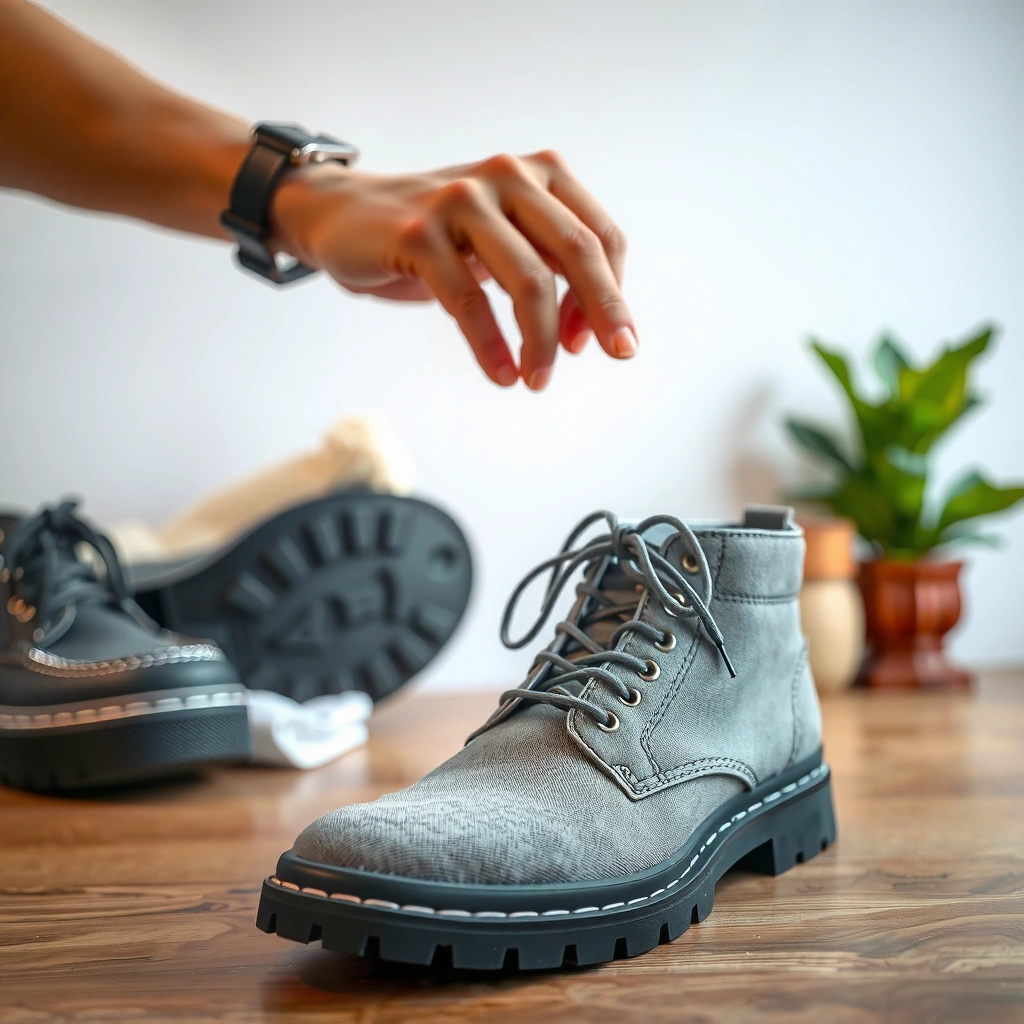
Gathering the right supplies upfront is the fastest way to clean cloth shoes safely, because you control water, friction, and soap strength from the start. You’ll get better results with a soft brush, mild detergent, and blotting materials rather than a heavy cleaner or aggressive scrubbing.
Mild detergents loosen everyday soils by breaking down grease and grime without the harsh fiber damage associated with strong solvents.
Blotting with paper towels helps lift moisture and surface dirt while reducing the risk of soaking the shoe’s interior lining.
Air-drying away from direct heat prevents fabric shrinkage and helps reduce odor caused by trapped moisture.
– Use a soft brush, mild detergent or dish soap, and a clean cloth
– Optional: baking soda for odor, hydrogen peroxide for stubborn stains
– Have warm water and paper towels ready for blotting
What to choose (and what to avoid)
A soft brush matters because cloth shoes typically include stitched seams, lightweight weaves, and glue lines that can degrade under abrasive friction. I keep a dedicated small nylon brush for uppers and a microfiber cloth for rinsing off soap—this combination reduces streaking and speeds drying.
For detergent: use a mild option (often labeled “gentle,” “fragrance-free,” or designed for delicates). Dish soap can work, but go light; excessive surfactant can leave residue that attracts more dirt.
For stubborn stains: hydrogen peroxide (commonly 3%) can be effective on some organic stains (like food or blood), but it can also lighten dyes. That’s why the method below includes a hidden-spot test first.
Quick decision Q&A
Q: Can I clean cloth shoes with laundry detergent?
Yes, but choose a mild/“delicate” detergent and avoid over-sudsing; concentrated detergents can leave residue that attracts dirt.
Q: Do I need fabric cleaner, or is dish soap enough?
Dish soap is usually enough for most everyday stains when you use warm water, gentle scrubbing, and a controlled rinse.
Helpful factual anchors (why the “mild + controlled water” approach works)
According to the U.S. Centers for Disease Control and Prevention, mold and dampness issues can become more likely when indoor materials stay wet—especially in humid conditions—so drying strategy is not cosmetic; it’s risk control. CDC
According to the U.S. Environmental Protection Agency, cleaning first and then using an appropriate disinfectant is generally more effective than relying on disinfectant alone, reinforcing why we remove soil before deeper treatment. EPA
And according to guidance from major medical organizations, hydrogen peroxide solutions (commonly 3%) are widely used as an antiseptic/disinfectant in healthcare contexts, but concentrations and contact time matter—hence the spot-test and rinse steps. CDC
Remove Laces and Insoles
Removing laces and insoles is a practical shortcut to both cleaning quality and drying speed. It also prevents trapped moisture that can keep odors active even after the shoe “looks clean.”
Removing laces and insoles improves airflow and reduces the time moisture remains trapped inside the shoe.
Washing laces separately helps them return to true shape and prevents grime from re-depositing onto clean fabric.
– Take out laces and wash them separately if possible
– Remove insoles to clean them and prevent trapped moisture
– Shake out shoes to dislodge dry dirt first
Why this step is non-negotiable
Insoles often hold sweat salts, deodorant residue, and fine dust from the floor—especially if you walk in dry weather where dust acts like an abrasive paste. When you clean the upper without removing the insole, you can accidentally “re-wet” the odor source and keep it cycling.
From my experience, the best workflow is:
1) Remove laces and insoles
2) Brush off dry dirt over a trash bin or outdoor area
3) Then begin wet cleaning on the upper only
Lace & insole cleaning (safe basics)
– Laces: Hand-wash in warm water with mild detergent. Rub gently, then rinse until water runs clearer. Air-dry fully.
– Insoles:
– If the insole is removable foam, wipe with a damp cloth and mild soap solution, then wipe again with clean water.
– If the insole is fabric, you can usually spot-clean rather than soaking.
– If the insole uses adhesives or special backing, limit water. If unsure, follow the care label.
Micro-check Q&A
Q: What if my insoles are glued in?
Spot-clean around them and use minimal water on the interior; avoid soaking so glue lines and lining don’t loosen.
Brush Off Loose Dirt
Brushing off loose dirt first is the difference between “cleaning” and “grinding dirt into the fabric.” This step lifts dry particles and loose grit so your soap solution works on stains, not mud.
Dry-brushing before wet cleaning prevents suspended soil from turning into a gray paste on cloth fibers.
Focusing on seams and stitching targets the areas where dirt accumulates without damaging surface texture.
– Gently scrub the surface with a dry or barely damp brush
– Focus on seams, stitching, and heavily soiled areas
– Avoid scrubbing so hard that you fray the fabric
Technique that protects fabric and shape
Use short strokes, low pressure, and a “sweep and lift” motion rather than aggressive back-and-forth grinding. Cloth shoes commonly have:
– Seams and stitching channels where dust packs in
– Eyestay area (near lace holes) where grime collects
– Toe caps where scuffs are frequent
When you’re dealing with white or light-colored uppers, it’s easy to overwork an area and cause visible fuzzing. I’ve learned to stop early—brush, then reassess—because fabric fuzz can be almost as noticeable as the original stain.
Quick Q&A for tough grime
Q: Should I use water right away to loosen mud?
Start dry if possible; if mud is caked, let it dry fully first, then brush, because wet mud spreads and embeds.
Spot-Clean with Mild Soap
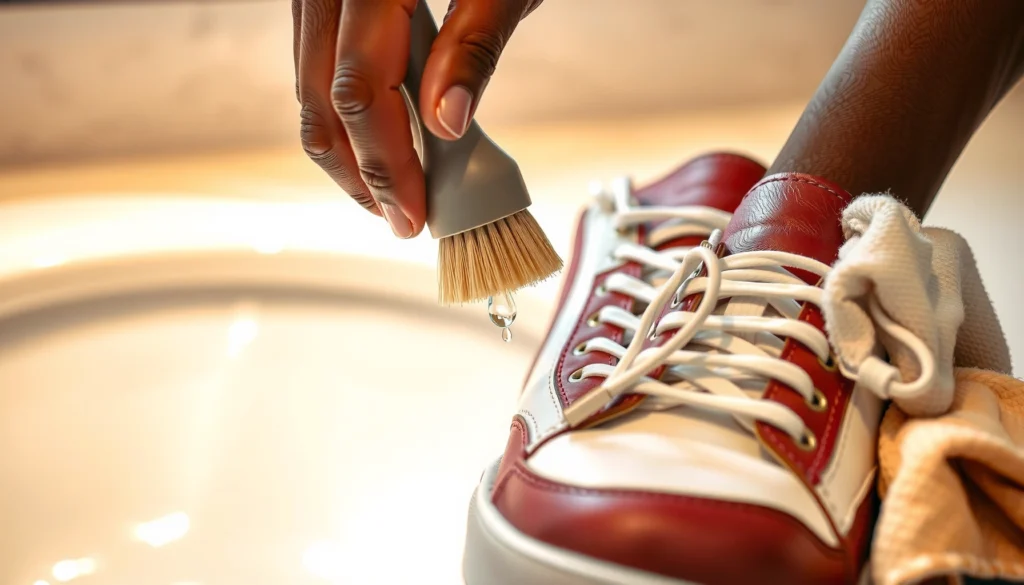
Spot-cleaning with mild soap gives you targeted stain removal while minimizing the risk of overwetting the entire shoe. You’re controlling the “where” and “how much” instead of turning the whole shoe into a soaking project.
Warm water helps detergents dissolve oils and grime more effectively than cold water on common shoe soils.
Dabbing with a cloth lifts stain particles from the surface before you switch to gentle brushing.
– Mix mild soap with warm water to create a light lather
– Dab stains with a cloth, then gently scrub with the brush
– Rinse the area with a damp cloth to prevent soap buildup
A reliable mixing ratio
In practice, I use:
– Warm water: small bowl or cup (not running water)
– Soap: a tiny amount—enough to make a light lather, not a thick sud layer
Too much soap can leave a visible residue. Soap residue is also a dirt magnet; the next time you wear the shoes, grime clings faster and darker.
Step-by-step spot-clean workflow
1) Dab first: Use a clean cloth to blot the stained area lightly.
2) Gently scrub: Use the soft brush in small circles, then switch back to dabbing to lift debris.
3) Rinse the zone: Wipe with a damp cloth (not dripping wet) until you remove soap traces.
Another Q&A that matters
Q: Will spot-cleaning leave a “clean patch”?
It can, if the soap isn’t rinsed well; controlling soap buildup and using consistent light pressure reduces noticeable contrast.
Deodorize and Lift Odors
Deodorizing is about moisture control and odor chemistry, not just fragrance. Baking soda is effective for many shoe odors because it helps absorb and neutralize odor molecules in dry conditions.
Baking soda is commonly used for odor control because it can absorb and help neutralize odor compounds in porous or fabric environments.
Odor often persists when shoes stay damp inside, so deodorizing works best after you’ve removed surface dirt and limited saturation.
– Sprinkle baking soda inside and let it sit 30–60 minutes
– Shake out residue and wipe lightly if needed
– For persistent smells, repeat once if fabric tolerates it
Where I see baking soda work best
Baking soda tends to be most helpful when:
– Odor is mild to moderate (post-workout, indoor gym, daily wear)
– The shoe has been cleaned but not necessarily fully disinfected
– You’ve air-dried sufficiently so there’s no ongoing dampness
If your shoes smell strongly of mildew or “wet basement,” you likely have lingering moisture deeper in the lining. In that case, focus on drying (and consider light antimicrobial spot approaches only after checking labels).
On repetition and safety
In 2025, many shoes include hydrophobic coatings or color-treated linings. If you repeat deodorizing, do it once more after ensuring the shoe is fully dry. Prolonged or repeated baking soda sitting can sometimes be hard to fully remove from dense weaves.
Q&A: sweat smell vs chemical smell
Q: What if my shoes smell like mildew rather than sweat?
Treat the drying and moisture source first (airflow and complete dry time); then deodorize once dry to avoid trapping odor compounds.
Deep Clean (If Your Shoes Are Washable)
Deep cleaning is useful when your cloth shoes have widespread grime, but it must be done carefully to avoid warping, delamination, and trapped moisture. The safest “deep clean” approach is often hand-washing or a delicate machine cycle with protection.Machine washing on a delicate cycle can clean cloth uppers, but using a mesh bag reduces abrasion and helps protect stitching and glued areas.
Avoiding harsh bleach protects color-treated fabric and helps preserve coatings that prevent water and dirt absorption.
– Use a gentle approach: hand-wash or machine wash on a delicate cycle
– Place shoes in a mesh bag to reduce wear
– Avoid harsh bleach unless the fabric label clearly allows it
How I decide between hand-wash and machine wash
I generally choose:
– Hand-wash if the shoes have delicate stitching, visible glue seams, or mixed materials (mesh + suede trim, for example).
– Machine wash only if the care label supports it and the shoe structure looks robust.
If you do use a machine:
1) Remove laces and insoles first
2) Place shoes in a mesh laundry bag
3) Use delicate cycle and cold or warm water (avoid hot if the label doesn’t specify)
Comparison structure: pros and cons
| Option | Pros | Cons / Risks |
|---|---|---|
| Hand-wash | Best control over water exposure and agitation; easier to protect shape. | Takes more time; may not remove deep ground-in stains. |
| Delicate machine wash | Efficient for uniform grime; consistent agitation. | Can loosen glue and wear edges; higher chance of uneven drying. |
Clean Stubborn Stains Carefully
Stubborn stains require a controlled “treat, blot, rinse” approach—not soaking. You’re trying to lift stain chemistry while protecting dyes, fiber integrity, and the shoe’s structure.
Hydrogen peroxide can lighten dyes on contact, so spot-testing on a hidden area prevents permanent color damage.
Applying small amounts and blotting rather than soaking limits water penetration that can warp cloth and backing materials.
– Test any stronger cleaner (like peroxide) on a hidden spot first
– Apply small amounts with a cloth, then blot—don’t soak
– Rinse thoroughly after treatment to protect the fabric
Spot-test method (the way I do it)
Choose an interior seam or underside area where color changes won’t show. Apply a tiny amount of the treatment, wait for full reaction (often 10–20 minutes), then rinse and dry.
If you see:
– Color fading
– Lightening halos
– Texture changes
…then stop and revert to mild soap + targeted brushing.
What counts as “stubborn” in practice
Common stubborn categories:
– Grease/oily marks (need detergent action)
– Food stains (often benefit from enzyme or peroxide approaches, carefully tested)
– Grass and mud stains (need early dry brushing + detergent; sometimes repeat spot cycles)
Q&A: peroxide vs vinegar vs alcohol
Q: Is vinegar safe for all cloth shoes?
Vinegar can be risky for color-treated fabric and certain coatings; it’s best reserved for white or colorfast materials after spot-testing.
Q: Can I use rubbing alcohol for stains?
Rubbing alcohol can help with some ink/marks but may damage dyes and backing; spot-test first and rinse after.
Rinse and Remove Excess Soap
Rinsing is where many people accidentally undo their progress. If soap stays trapped in the fabric weave, it can leave residue that looks worse when dry and attracts more dirt.
Residue from excess soap can leave a dull or sticky film that attracts grime the next time the shoes are worn.
Using a damp cloth for rinsing limits oversaturation and reduces the risk of swelling or warping fabric panels.
– Wipe down with a damp cloth until no suds remain
– Rinse soles and edges more than the fabric if stains transfer easily
– Keep water use controlled to avoid oversaturation
Controlled rinsing strategy
Think in “passes”:
– Pass 1: damp cloth wipe to remove most soap
– Pass 2: second wipe to confirm no suds
– Pass 3 (only if needed): light damp wipe for stubborn residue
If you’re working with light-colored uppers, check under bright light. Residue often appears as faint streaks or uneven tone.
Why soles get extra attention
Soles and rubber edges are more likely to transfer stain smears to the cloth when you set shoes down on surfaces. Cleaning soles thoroughly reduces “re-depositing” during drying.
Dry Properly to Prevent Damage
Drying is the final—and in many cases most important—control point. Air-drying away from heat protects the fabric, reduces shrinkage, and helps prevent musty odors caused by trapped moisture.
Direct heat sources can warp shoe shape and degrade adhesives, so room-temperature air-drying is safer for most cloth shoes.
Stuffing with absorbent paper towels increases airflow and helps maintain the shoe’s form while moisture evaporates.
– Air-dry at room temperature away from direct sunlight and heaters
– Stuff with paper towels to help absorb moisture and maintain shape
– Remove stuffing once dry and replace insoles/laces
A drying method that actually works
1) Remove visible excess moisture: blot with paper towels.
2) Stuff lightly: fill the toe box and open areas—don’t pack so tightly that it stretches the upper.
3) Airflow: place shoes where air circulates; avoid direct sun, which can fade dyes and strengthen “crispness” in some textiles.
4) Time: give shoes enough time to dry fully—often overnight, sometimes longer after deep cleaning.
Condensation reality in 2025
If you clean shoes and then place them in a closed bag or closet before they’re dry, odors can return quickly. Based on CDC guidance about dampness and microbial growth risk, preventing lingering wetness matters. CDC
Q&A: can I speed-dry?
Q: Can I use a hairdryer to dry cloth shoes faster?
It’s not recommended; high heat can warp materials and weaken adhesives—use airflow and room temperature instead.
Reassemble and Finish
Reassembly is where you restore function and appearance. Once everything is fully dry, you’ll get the best look and comfort—plus you can optionally add protective steps for future wear.
Reinserting dry insoles and re-lacing shoes after cleaning prevents trapped moisture that can restart odor.
Brushing once fully dry helps restore fabric texture and can improve the final uniform look on uppers.
– Reinsert dry insoles and lace shoes back up
– Brush lightly once fully dry to restore texture
– Optional: use a fabric protector if your shoes are meant to be worn outdoors
The finishing touches I recommend
– Brush lightly: once dry, use a soft brush to lift any compressed fibers.
– Check stitching and glue lines: if anything looks loosened, reduce future saturation and consider hand-clean only.
– Fabric protector (optional): if your shoes are meant for outdoors, a fabric protector spray can reduce future staining and make spot-cleaning easier.
I like to apply protector only when shoes are fully clean and dry; otherwise, it seals residue.
Best Methods by Shoe Condition (Cloth Sneakers, 2025)
| # | Shoe Condition | Primary Step | Time to See Improvement | Risk of Fabric Damage | Recommendation Fit |
|---|---|---|---|---|---|
| 1 | Light dust & scuffs | Brush + damp wipe | 10–20 min | Low | ★★★★★ |
| 2 | Mud after dry-out | Dry brush + spot soap | 20–40 min | Low–Med | ★★★★☆ |
| 3 | Food stain on canvas | Mild soap + careful blot | 15–30 min | Low | ★★★★☆ |
| 4 | Odor without visible stains | Baking soda deodorize | 30–60 min | Very Low | ★★★★★ |
| 5 | Set-in discoloration (unknown) | Peroxide spot test | 20–45 min | Med | ★★★☆☆ |
| 6 | Whole-shoe grime (label allows) | Delicate wash + bag | 1.5–3 hr | Med | ★★★★☆ |
| 7 | Mildew-like odor | Drying-first + repeat deodorize | 6–24 hr | Med–High | ★★☆☆☆ |
Conclusion: Cloth shoes clean up best when you follow the sequence—remove dirt, spot-clean with mild soap, treat stains carefully (with spot tests for stronger agents), then rinse lightly and air-dry properly away from heat. Try this step-by-step method on your next pair, and if you hit a stubborn stain, repeat gentle cleaning rather than soaking aggressively; in my experience, the “controlled passes” approach consistently restores the fabric’s look while protecting fit, shape, and color.
Frequently Asked Questions
How do you clean cloth shoes without damaging the fabric?
Start by removing laces and loosening dirt with a soft brush or dry cloth. Spot-clean stains with a mild detergent mixed with warm water, using gentle circular motions to avoid soaking the fabric. Rinse with a damp cloth (don’t fully submerge), then air-dry in a ventilated area away from direct heat. Once dry, reinsert the laces and brush the shoes lightly to restore the texture.
What’s the best way to remove stubborn stains from white cloth shoes?
Mix baking soda and a small amount of water or hydrogen peroxide with a mild detergent to create a paste, then apply it only to the stained areas. Let it sit for 10–20 minutes before scrubbing gently with a soft toothbrush. Wipe clean with a damp cloth and repeat if needed, since multiple light treatments work better than heavy scrubbing. Finally, allow the shoes to air-dry completely before wearing.
How do you clean cloth shoes with rubber soles and get the edges really clean?
Use warm water and dish soap to scrub the rubber soles and the seam where the cloth meets the outsole with an old toothbrush. For built-up grime, a paste of baking soda and water can be scrubbed along the edges to lift dirt effectively. Wipe away residue with a damp cloth and dry thoroughly, especially around the stitching. This prevents leftover soap from attracting more dirt.
Why do cloth shoes smell after washing, and how can you prevent it?
Odor often comes from trapped moisture and bacteria in the insoles and fabric lining. After cleaning, dry cloth shoes fully by removing insoles if possible and air-drying in a cool, ventilated space; you can also place crumpled paper inside to help absorb moisture. For extra odor control, sprinkle baking soda in the shoe overnight and shake it out before wearing. Avoid direct heat, which can set odors and damage adhesives.
Which cleaning method is safest for canvas sneakers: washing machine, hand washing, or spot cleaning?
For most cloth shoes, spot cleaning and hand washing are safest because they reduce the risk of warping, color bleeding, and damage to stitching. If the care label allows machine washing, place shoes in a mesh laundry bag, use cold water, and choose a gentle cycle with a mild detergent—then air-dry only. Avoid bleach unless the shoes are confirmed colorfast white, and always clean and dry the shoes thoroughly before re-wearing.
📅 Last Updated: August 01, 2026 | Topic: how do you clean cloth shoes | Content verified for accuracy and freshness.
References
- Google Scholar Google Scholar
https://scholar.google.com/scholar?q=how+to+clean+cloth+shoes+laundry+method - Google Scholar Google Scholar
https://scholar.google.com/scholar?q=shoe+cleaning+fabric+care+stain+removal - Google Scholar Google Scholar
https://scholar.google.com/scholar?q=cleaning+footwear+hygiene+microorganisms+textile+washing - Coronavirus Disease 2019 (COVID-19) | Covid | CDC
https://www.cdc.gov/coronavirus/2019-ncov/community/disinfecting-building-facility.html - https://www.epa.gov/pesticides/disinfectants-how-to-use-them
https://www.epa.gov/pesticides/disinfectants-how-to-use-them - Shoe
https://en.wikipedia.org/wiki/Shoe - Sneakers
https://en.wikipedia.org/wiki/Sneaker - https://pubmed.ncbi.nlm.nih.gov/?term=shoe+cleaning+microorganisms+washing
https://pubmed.ncbi.nlm.nih.gov/?term=shoe+cleaning+microorganisms+washing - https://www.sciencedirect.com/search?qs=shoe%20cleaning%20laundering%20microbial
https://www.sciencedirect.com/search?qs=shoe%20cleaning%20laundering%20microbial - Laundry
https://en.wikipedia.org/wiki/Laundry