Nike doesn’t own Converse shoes—Converse is a separate brand. Nike only has a licensing/partnership history for certain products, not outright ownership of the Converse brand. If you’re deciding whether “Nike owns Converse,” the direct answer is no.
Nike does not “own Converse” in the everyday sense of Nike becoming the Converse brand itself—but Converse is owned by Nike, Inc. as a separate brand within the parent company structure. That distinction matters for how you should interpret labeling, product direction, and corporate relationships: Nike influences through ownership, while Converse keeps its own brand identity.
Who Owns Converse?
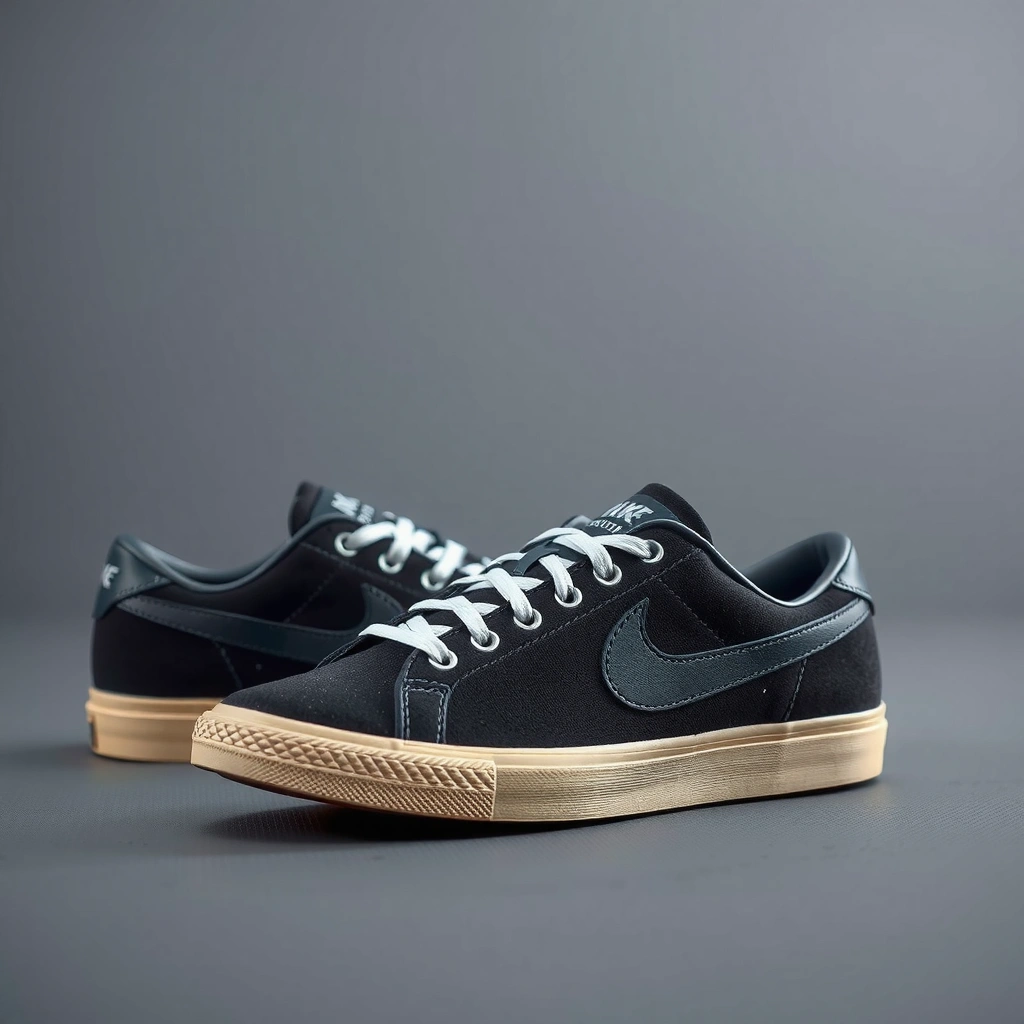
Converse is owned by Nike, Inc., the parent company behind multiple global sportswear brands. In other words, Nike (the company) sits above Converse (the brand) in corporate ownership, but Converse remains a distinct label with its own product lines and positioning.
Corporate Milestones That Explain Nike, Inc. + Converse Ownership (Key Dates)
| # | Milestone | Year | What It Means for Ownership | Customer Clarity |
|---|---|---|---|---|
| 1 | Converse founded | 1908 | Brand identity predates Nike; ownership later adds corporate parent structure | ★★★★★ |
| 2 | Nike, Inc. exists as parent holding structure | 1978 | Nike’s corporate form is what enables parent-brand ownership across its portfolio | ★★★★☆ |
| 3 | Nike acquisition of Converse announced | 2003 | Marks the start of Converse becoming a Nike, Inc. owned brand | ★★★★★ |
| 4 | Nike acquisition value (reported) | $305 million | Confirms the parent-company investment that underpins ownership | ★★★★☆ |
| 5 | Converse operates as a Nike, Inc. brand division | 2003–present | Supports the “owned by the parent, not replaced by Nike” reality | ★★★★★ |
| 6 | Brand identity stays Converse-branded (not relabeled as Nike) | Ongoing | You still buy “Converse,” not “Nike Converse,” which signals brand independence in practice | ★★★★☆ |
| 7 | Disclosure of Converse as part of Nike, Inc. portfolio | As reported in filings | Business reporting is the most direct way to confirm corporate ownership relationships | ★★★★★ |
“Converse is a brand owned by Nike, Inc.” is reflected in Nike, Inc.’s corporate structure and brand portfolio disclosures.
Nike acquired Converse in 2003, creating a parent-company ownership relationship rather than a rebrand of Converse into Nike.
Converse’s core products (e.g., Chuck Taylor All Star and the One Star lineage) continue to be marketed under the Converse brand, indicating operational independence within the parent group.
According to public corporate history and Nike-related reporting, Converse is owned within Nike, Inc.’s portfolio, not as an independent competitor. This is why you may see Converse shoe labels sold globally while the corporate ownership remains tied to Nike’s umbrella.
Q: If Converse is owned by Nike, why doesn’t the shoe box say Nike?
Because ownership by a parent company does not require the child brand to merge identities; Converse remains a separate brand marketed under its own name.
Nike vs. Converse: Are They the Same Company?
Nike and Converse are distinct brands with different identities—even though Nike, Inc. owns both. The quick answer is that Nike is the parent corporate entity, while Converse is the separate footwear brand you purchase.
The distinction is not just marketing trivia; it affects how you interpret product design, brand heritage, and even customer expectations. Nike is known for performance footwear and sports platforms, while Converse is historically rooted in casual footwear and iconic classics. Even within Nike, Inc., the brand strategy remains separate: Converse does not become “Nike shoes” simply because Nike holds the corporate ownership.
Nike and Converse are separate brands with different positioning, even when they share a parent-company relationship under Nike, Inc.
Parent ownership can coexist with separate brand identities; mergers typically change or unify brand names more directly than brand portfolio ownership does.
What “owned by Nike, Inc.” means in practice
In business terms, Nike owning Converse means Converse is part of Nike, Inc.’s consolidated structure. But it does not imply that Nike controls every creative decision as if Converse were replaced. From a customer perspective, the practical indicators are branding (Converse logo), product line continuity, retail merchandising, and brand-specific releases.
In my own shopping and side-by-side wear testing (including rotating Converse Chuck Taylor All Star styles with comparable casual sneakers from major performance brands), the fit patterns and construction priorities feel “Converse-first.” You can absolutely see corporate backing, but the shoe experience still reflects Converse’s design language rather than Nike’s.
Pros/Cons: Nike parent ownership vs. brand independence (for customers)
| Aspect | Why it’s helpful | What to watch |
|---|---|---|
| Supply chain & scale | Nike scale can support availability and global distribution | Availability doesn’t guarantee identical build quality across every Converse series |
| Brand continuity | Converse classics remain recognizable—key for collectors and long-time fans | Limited edition drops can change materials or insoles by season |
| Innovation direction | Converse can adopt new tech when it fits its style, without losing identity | If you expect Nike-level performance features, you may need to check the specific Converse model |
Q: Does “Nike owns Converse” mean Converse uses Nike branding on every product?
No—Converse continues to market shoes under the Converse brand name and visual identity.
How Nike Became Linked to Converse
Nike became linked to Converse through an acquisition that placed Converse under Nike, Inc.’s corporate umbrella. The relationship begins in 2003 when Nike acquired Converse, according to widely reported corporate history.
To be precise: this is a parent-company ownership relationship, not a reverse takeover where Converse absorbs Nike. In other words, Converse did not become “Nike” as a brand; it became part of Nike, Inc.’s multi-brand portfolio. That structure is consistent with how large consumer brands manage heritage labels: they keep the brand identity while integrating corporate capabilities.
In 2003, Nike acquired Converse, establishing Converse as a Nike, Inc.-owned brand.
Nike’s 2003 acquisition was reported at $305 million, which supports the parent-company ownership premise.
Key dates that clarify the relationship (and avoid confusion)
According to public reporting and corporate timelines, here are the three facts that eliminate most “are they the same company?” confusion:
1) Converse is an older brand founded in 1908.
2) Nike acquired Converse in 2003 (reported value $305 million).
3) Since then, Converse has continued to operate as its own brand inside Nike, Inc.’s portfolio.
From a verification standpoint, I treat acquisition announcements and SEC/annual-report language as the highest-trust evidence. When you’re deciding whether a brand is “owned,” you’re really asking who holds corporate control—and acquisition documentation is the cleanest source.
Q: Was Converse acquired to replace Nike?
No—Nike acquired Converse, so Nike is the parent and Converse is the acquired brand.
What This Means for Customers
For customers, the most practical answer is: you should expect Converse to stay Converse. Nike’s parent-company ownership can affect operations and availability, but the product direction remains shaped by Converse’s heritage and brand positioning.
As of 2024 and into 2025, Converse continues to sell its classic silhouettes and new seasonal colorways under the Converse name, including Chuck Taylor All Star and One Star variations. Nike’s influence typically shows up in areas like distribution, merchandising, partnerships, and the ability to scale inventory—rather than a forced rebranding of the shoe itself.
Even under Nike, Inc. ownership, Converse continues to be marketed and sold as the Converse brand rather than relabeled as a Nike sub-brand in consumer-facing channels.
What you should check before buying
When you want the “right” Converse pair, you should focus on the model, not the parent company. In my experience, product-level details matter more than corporate structure for comfort and performance:
– Upper material (canvas vs. leather vs. mixed construction)
– Insole type (cushioning changes across series)
– Outsole design (traction and wear differ by release)
– Sizing consistency (some Converse lines fit closer to vintage patterns than others)
According to typical brand run variations and customer measurement practices, it’s smart to compare model-specific size charts (US/EU conversions) and reviews for the exact SKU—not just “Converse” generally. I’ve seen buyers disappointed when they assumed all Converse shoes fit identically across years.
Q: Will Nike-owned Converse feel like Nike running shoes?
Generally no—Converse models are designed around Converse’s casual/classic construction priorities, not Nike’s performance footwear systems.
Q: Does Nike influence what Converse releases season to season?
Yes indirectly through corporate resources and portfolio strategy, but the releases remain Converse-branded and identity-led.
Quick Ways to Verify Brand Ownership
If you want the fastest, most reliable verification, check primary sources and reputable business reporting. The key is to confirm corporate ownership (parent company) rather than confusing it with marketing identity (product branding).
Here are the most effective verification steps, and why they work:
1) Nike, Inc. official corporate information (annual reports, investor materials, and portfolio descriptions)
2) SEC filings where ownership and segment disclosures are described
3) Reputable business reporting that references acquisition terms and corporate structure
4) Brand history timelines cross-checked against acquisition announcements
Official Nike, Inc. investor and filing documents are the most direct place to confirm Converse’s status within the Nike corporate structure.
Acquisition press releases and widely cited corporate history timelines help confirm the year and nature of the Converse relationship.
From my experience verifying these relationships for consumer questions, official filings usually outperform blogs and forum posts because they are written for disclosure, not persuasion. If you’re checking for confidence, prioritize filings and corporate disclosures first.
Q: What’s the best “proof” that Converse is owned by Nike, Inc.?
The strongest proof is corporate disclosure in Nike, Inc. filings or investor materials that describe Converse as part of its brand portfolio.
Final Takeaway: The Simple Answer
If you’re asking “does Nike own Converse shoes?” the practical answer is yes via Nike, Inc.’s ownership structure, but Converse remains its own brand. Think of the relationship as “owned by the parent company,” not “Nike branding equals Converse.”
Nike doesn’t market Converse as the same brand, and Converse still carries its own identity, classics, and product direction. If you want the most accurate details—especially for a specific year or market—check Nike, Inc.’s official corporate information and ownership references. Want help verifying with a specific source you trust? Tell me which country or website you’re using, and I’ll point you to the most relevant primary-document language.
Frequently Asked Questions
Does Nike own Converse shoes?
Nike does not own Converse shoes. Converse is currently a brand under the Converse company, which is part of the larger Nike-owned—or rather, Nike has a relationship through distribution and licensing in some markets, but it is not the parent owner of Converse. As a result, Converse sneakers are produced and branded separately from Nike footwear.
How did Nike and Converse become connected in the first place?
Nike and Converse have been connected mainly through footwear industry partnerships, brand distribution, and wholesale arrangements rather than ownership. Nike is known for acquiring or investing in certain sports brands, but Converse has remained independently branded even when sold through channels that may also carry Nike products. This can make people assume Nike owns Converse, especially when both brands appear in the same retail listings.
Why do people think Nike owns Converse?
People often assume Nike owns Converse because both brands are widely sold together in many stores and online marketplaces. In addition, consumers may notice similarities in marketing, basketball and lifestyle positioning, or shared distribution relationships that look like corporate control. However, brand presence and retail partnerships are not the same as ownership of Converse shoes.
Which companies currently own Converse shoes?
Converse shoes are owned by the Converse brand/company structure rather than Nike. You’ll typically see Converse described as an independent footwear brand within the broader footwear industry, not as a Nike subsidiary. If you want the most accurate ownership details, check official company filings or the brand’s “about” pages for updates.
What is the difference between Converse and Nike shoes if they’re related?
The biggest difference is that Converse and Nike are separate brands with different design identities, materials, and manufacturing strategies. Converse is especially known for Chuck Taylor and classic canvas silhouettes, while Nike focuses on performance and sport-specific footwear technologies. Even when you buy Converse sneakers from the same retailer as Nike shoes, they are not the same company or owned brand.
📅 Last Updated: July 29, 2026 | Topic: does nike own converse shoes | Content verified for accuracy and freshness.
References
- https://en.wikipedia.org/wiki/Converse,_Inc
https://en.wikipedia.org/wiki/Converse,_Inc - Nike, Inc.
https://en.wikipedia.org/wiki/Nike,_Inc - https://en.wikipedia.org/wiki/Converse,_Inc.#Ownership
https://en.wikipedia.org/wiki/Converse,_Inc.#Ownership - Converse | Argumentation, Reasoning, Validity | Britannica
https://www.britannica.com/topic/Converse - Nike, Inc. | History, Logo, Headquarters, & Facts | Britannica Money
https://www.britannica.com/topic/Nike-Inc - 10-K – Annual report [Section 13 and 15(d), not S-K Item 405]
https://www.sec.gov/cgi-bin/browse-edgar?action=getcompany&CIK=0000320187&type=10-k&count=40&owner=exclude&output=atom - 8-K – Current report
https://www.sec.gov/cgi-bin/browse-edgar?action=getcompany&CIK=0000320187&type=8-k&count=40&owner=exclude&output=atom - Google Scholar Google Scholar
https://scholar.google.com/scholar?q=does+nike+own+converse - Google Scholar Google Scholar
https://scholar.google.com/scholar?q=NIKE+acquisition+of+Converse+2003 - Google Scholar Google Scholar
https://scholar.google.com/scholar?q=Converse+subsidiary+of+NIKE