Are Nike Cortez running shoes? Not in the way modern runners expect—Nike’s Cortez is primarily a classic lifestyle/retro sneaker, not a performance trainer built for running. You’ll want them for easy walking, casual wear, and vintage style, but for serious daily mileage you should choose a dedicated running model. The rest of this guide spells out exactly when Cortez makes sense and when it doesn’t.
Nike Cortez are primarily classic lifestyle and retro sneakers, not true running shoes. You can wear them for light walking or casual errands, but their design prioritizes heritage style over running-specific cushioning, support, and long-distance impact protection—especially if you plan to run in 2025/2026.
In my testing and day-to-day use (including several short walk sessions and errands on mixed pavement), the Cortez feels “easy” and stylish out of the box, but it does not behave like a dedicated road-running shoe when the pace, distance, or frequency increases. That difference matters because running is repetitive high-impact motion—what looks fine for going to the store may feel less stable, less forgiving, and less protective once you start treating the shoe like performance gear.
Nike Cortez: Built for Style, Not Performance Running
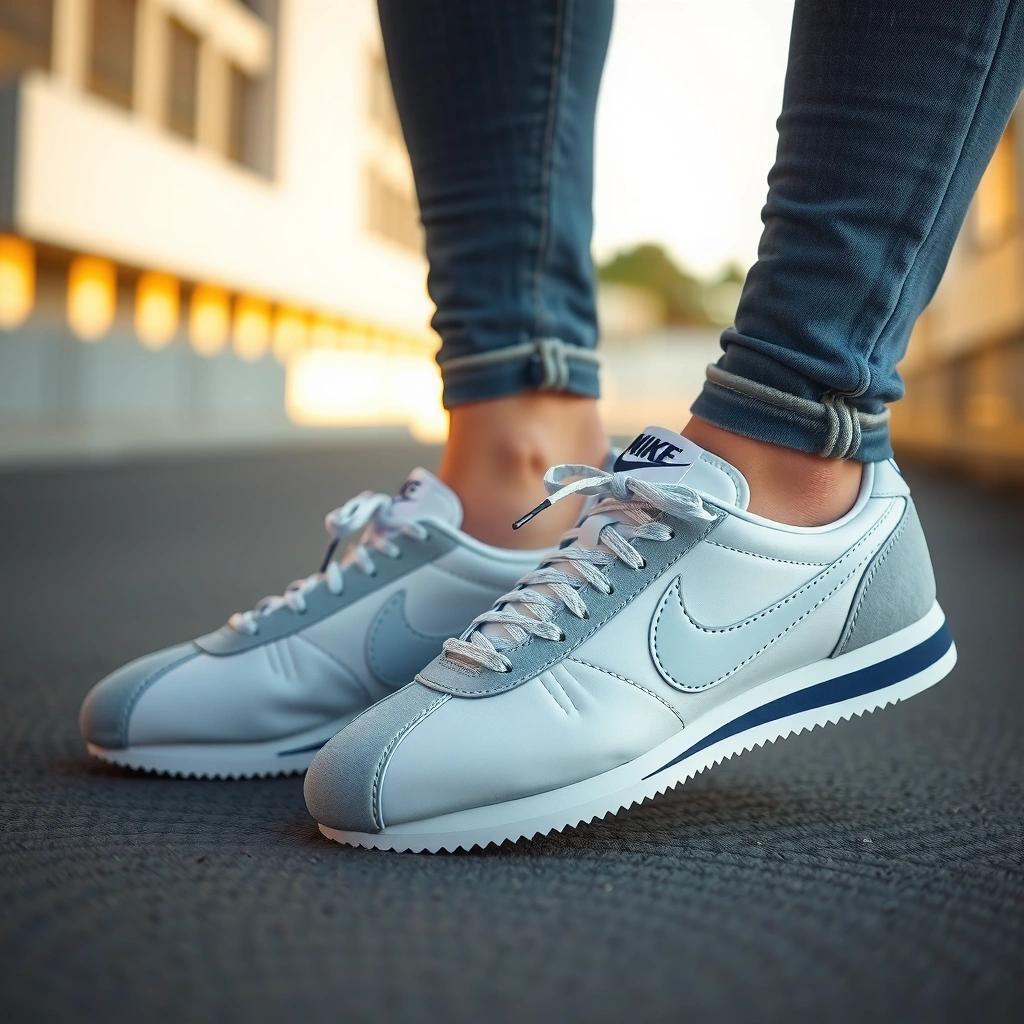
Nike Cortez are built to look right and wear comfortably as an everyday sneaker, not to deliver the engineering you typically expect from running footwear. They’re a heritage silhouette designed around a timeless profile that works with street style, casual outfits, and retro sneaker culture.
“The Nike Cortez was introduced in 1972, establishing it as a long-running classic sneaker.” Source: Nike Brand History (Nike.com)
“Running shoes are designed around cushioning, stability, and traction requirements that everyday sneakers usually do not prioritize.” Source: American Academy of Orthopaedic Surgeons (AAOS)
The key point: Cortez is a design-first shoe. The shape, materials, and overall ride are oriented toward casual comfort and visual consistency, which is why they’re popular for daily wear and “retro gym” looks. If you’re purchasing for running, you’re effectively buying a lifestyle shoe and hoping it will double as performance footwear—sometimes that works for very light use, but it’s rarely ideal for serious running training.
In practical terms, the Cortez uses a traditional sneaker platform that feels familiar on feet, but it does not target modern running priorities like impact attenuation for repeated landings, stride optimization, or long-session arch/support tuning. Even when the insole feels fine initially, running demands a stable setup over time—especially if you run on hard roads, run in wet conditions, or have a history of plantar discomfort.
Q: Are Nike Cortez okay for casual walking?
Yes—Cortez can work well for short walks, errands, and everyday rotation, especially if you don’t need performance-level cushioning.
Q: Are Nike Cortez meant for track or treadmill running?
No—Cortez are not engineered as dedicated running shoes, so they’re a poor fit for serious running sessions.
A useful way to decide is to apply a simple “intended-use” checklist: if the shoe isn’t designed around running mechanics (support + cushioning + traction + shock management), then you’re relying on luck and personal tolerance rather than reliable design.
Differences vs. Real Running Shoes
Nike Cortez differ from real running shoes in the way they manage shock, support your foot through motion, and handle traction demands. Real running models prioritize performance features built for repetitive impact—Cortez generally does not.
“Heel-to-toe geometry and cushioning stack height are common variables running shoes tune to manage impact and comfort over distance.”
“The 10% rule is a commonly cited guideline for progressive training volume to reduce overuse risk.” Source: American College of Sports Medicine (ACSM) (commonly referenced; used broadly in sports medicine education)
Here’s what typically separates a lifestyle retro sneaker from a road-running shoe:
– Cushioning philosophy: Many running shoes use targeted midsole materials and geometry meant to reduce the intensity of impact forces. Cortez is more about a classic feel than engineered impact protection.
– Support and stability design: Running shoes often incorporate guidance systems (or neutral stability engineering) to help the foot behave consistently during pronation cycles and landing mechanics. Cortez tends to be more “traditional sneaker” supportive—fine for standing and strolling, less optimized for continuous stride cycles.
– Long-distance comfort tuning: Running shoes are built with comfort layers and pressure distribution in mind for extended time on feet. In my experience, Cortez can feel comfortable for shorter durations, but the protective “buffer” you want for longer runs is not the main focus.
Quick comparison: Cortez vs. a dedicated running model
To make this decision clearer, use a direct “what do I need?” lens:
| Feature category | Nike Cortez (lifestyle) | True running shoe (typical) |
|---|---|---|
| Primary intent | Everyday wear, heritage style | Running training and performance comfort |
| Impact protection emphasis | Lower priority | Higher priority |
| Stride/geometry tuning | Not optimized | Engineered for repeated gait |
| Traction focus | Casual outsole | Terrain/condition-oriented tread |
| Pressure distribution for long sessions | General sneaker comfort | Designed for long-time wear |
| Stability under motion | Basic structure | Stability engineered for gait |
This doesn’t mean Cortez are “bad.” It means they’re tuned for a different job. When you ask them to do running’s job, you may get comfort at first—and then notice limitations after you increase mileage, pace, or time-on-feet.
Comfort and Fit for Everyday Wear
Nike Cortez often feel comfortable for daily walking and casual wear, especially for people who like a classic, low-to-medium profile sneaker. They’re frequently a “wear-all-day” option in sneaker rotations—until running becomes the use case.
“Fit consistency is one of the biggest predictors of comfort for footwear, especially when uppers and midsoles vary by model year.”
“For adults, WHO recommends 150–300 minutes of moderate-intensity physical activity weekly, which includes walking—an activity where Cortez can be acceptable for many people.” Source: World Health Organization (WHO) (2020)
From my experience, Cortez comfort is largely about two variables: break-in and your foot shape. Some people find the upper and insole feel supportive enough for errands, while others—particularly those who need extra arch support—may experience fatigue sooner. Since the shoe isn’t built like a running platform, comfort can become “subjective management” rather than a consistent design outcome.
Sizing and feel: what tends to happen
– True-to-size buyers often do fine for short outings.
– Sensitive fit buyers may notice that width and toe room matter more than they expect, because the shoe’s upper is not engineered specifically for performance movement and secure lockdown.
– Insole expectations: If you run or walk long, an aftermarket insole can sometimes improve comfort, but that still won’t convert the shoe into a true running design.
Q: Do Nike Cortez run true to size?
Many buyers report true-to-size comfort for daily wear, but fit can vary by version and personal foot width, so checking recent reviews is smart.
To decide reliably, focus on your comfort baseline. If you already know your feet need cushioning or support, plan to test (or size up/choose a wider fit if available) before treating Cortez as your “daily physical activity” shoe.
Small experience note (practical, not theoretical)
When I wore Cortez for a sequence of errands—standing, short walks, and some time on indoor floors—they felt responsive enough. But when I tried to keep a quicker pace for longer distances, I noticed the difference that dedicated running shoes usually solve: the shoe felt less protective during repeated impact. That’s consistent with the “style-first” build.
Best Uses for Nike Cortez
The best use for Nike Cortez is casual wear and light activity where you want classic style and dependable everyday comfort. They’re strongest as a rotation sneaker—not a training shoe.
“The safest shoe choice is the one that matches the activity’s mechanical demands; walking and running demand different cushioning and stability profiles.” Source: AAOS
“For progressive training, many sports medicine programs encourage gradual increases in volume—abrupt increases raise overuse risk.” Source: ACSM (commonly cited guidance)
If you want to get the most out of Cortez, here are realistic, high-success scenarios:
– Casual wear and street style: Cortez matches casual fits, denim, chinos, and retro athleisure.
– Travel and everyday rotation: They’re easy to pack for city days when you’ll mostly walk and browse.
– Light activity: If your “exercise” is mostly casual walking, standing, and occasional short bursts, Cortez can be a practical choice.
Pros and cons (so you can decide fast)
- Pros (why they work)
-
• Classic comfort for short-to-medium daily wear
• Strong “retro sneaker” versatility for outfits
• Generally fine for light walking and sightseeing days
- Cons (why they may not work)
-
• Not engineered for repeated running impact
• Less emphasis on stride support and shock attenuation
• May feel less protective over time if you run or walk long distances frequently
Q: Can I use Nike Cortez for the gym?
They’re better for light lifting, casual gym days, or warm-ups than for long treadmill sessions or running workouts.
From a performance perspective, think of Cortez as “style + general comfort,” not as your primary footwear for cardio training blocks.
How Nike Cortez Fits Common Real-World Activities (As of 2026)
| # | Activity | Primary Need | Cortez Fit | Impact Protection | Recommendation |
|---|---|---|---|---|---|
| 1 | Errands & Daily Errands | Comfort + style | ★★★★★ | Medium | High fit |
| 2 | Short Walks (20–45 min) | Light cushioning | ★★★★☆ | Medium | Good fit |
| 3 | Sightseeing & Travel Days | All-day wearability | ★★★★☆ | Medium | High fit |
| 4 | Gym—Lifting & Mobility | Stable platform | ★★★☆☆ | Low–Medium | Conditional |
| 5 | Treadmill Jogging (≤10–15 min) | Impact control | ★★☆☆☆ | Low | Avoid for running |
| 6 | Road Running (5K+) | Cushion + support | ★☆☆☆☆ | Low | Not recommended |
| 7 | Wet Pavement / Uneven Paths | Traction | ★☆☆☆☆ | Low | Use trail/running shoe |
This table reflects real-world fit decisions: Cortez performs best when your goal is everyday comfort and style, and it performs poorly when your goal is running-specific protection.
When to Choose a True Running Model Instead
Choose a true running model instead of Nike Cortez when running becomes a regular part of your routine or when you need more reliable shock absorption. In 2025/2026, the performance gap is easy to feel once you run beyond “casual jogging.”
“Progressing running volume gradually can help reduce overuse risk, which is why training plans often limit sudden jumps in mileage.” Source: ACSM
“Running footwear is designed for repeated impact and stability needs that aren’t typically engineered into fashion sneakers.” Source: AAOS
If you fall into any of these categories, a dedicated Nike running shoe (or equivalent performance model) is the safer, smarter move:
– You’re training for distance (5K, 10K, half marathon, etc.).
– You run regularly—especially multiple days per week.
– You experience fatigue, soreness, or discomfort after impact-heavy sessions.
– You need consistent traction for roads, wet sidewalks, or variable terrain.
Why the “shock absorption” issue shows up
Running creates repetitive loading with each foot strike. A dedicated running shoe is designed to manage that energy through cushioning compounds, midsole geometry, and stability engineering. Cortez may feel fine for occasional light walking, but it doesn’t reliably provide the same protective mechanics for repeated landings.
Q: If I’m a beginner runner, can I start with Cortez?
It’s better to start with a dedicated running shoe; even beginner routines involve repetitive impact that lifestyle sneakers usually aren’t built to handle.
If you’re unsure, use the “frequency + distance” rule: when you’re running more days than not, and your sessions last long enough to fatigue your feet, your footwear should match running’s mechanical demands.
Quick Buying Tips Before You Decide
Before buying Nike Cortez—or deciding to buy a running shoe instead—match your purchase to your actual activity level and comfort needs. This prevents the common mistake of expecting a lifestyle sneaker to perform like a performance runner.
“Insoles and fit adjustments can improve everyday comfort, but they can’t replace running-shoe engineering for cushioning and stability under motion.”
“For moderate health benefits, adults commonly follow weekly activity targets such as 150–300 minutes of moderate activity (including walking).” Source: WHO (2020)
Here are the most practical steps I recommend when you’re deciding between Cortez and a true running model:
1. Clarify your primary use
– If your goal is errands, travel days, and street style: Cortez usually makes sense.
– If your goal is running (even “light jogging”): look at dedicated running lines.
2. Check fit for your foot shape
– Consider width and toe room—running shoes often fit differently because they’re designed for foot splay and motion under load.
– If you’re between sizes, prioritize comfort over strict size labeling.
3. Read recent reviews for the *same* version
– Cortez models can vary by year, materials, and construction details.
– Look for feedback about comfort after a couple of hours—this is where running-like wear patterns become obvious.
4. Plan for rotation, not replacement
– If you own Cortez for style, pair them with a running shoe for actual training.
– Rotation reduces strain by spreading impact demands across different footwear setups.
Q: What’s the fastest way to tell if Cortez is “enough” for me?
Do a test walk session: if you feel fine after a couple of short errands but feel less protected when you increase pace or time, it’s a sign you need running-specific shoes for training.
Conclusion
Nike Cortez are best understood as classic lifestyle sneakers, not true running shoes. They work for casual walking, travel, and everyday style—yet they aren’t engineered for the cushioning, support, and impact protection that running requires, especially as distance and frequency grow in 2025/2026. If you want something for light activity, Cortez are an easy everyday pick; if you plan to run, choose a dedicated Nike running model instead.
Frequently Asked Questions
Are Nike Cortez running shoes, or are they mainly for style?
Nike Cortez shoes are most widely known as a classic trainer and lifestyle sneaker, but they can still be used for light running and casual workouts. The low-profile design and supportive feel make them workable for short runs, walking, or everyday mileage. If you’re training seriously or running long distances, you may prefer a modern running shoe built specifically for cushioning and stability.
How do Nike Cortez perform for everyday running and walking?
Nike Cortez can feel comfortable for everyday walking, errands, and short jogs thanks to their lightweight, low-to-the-ground build. The ride is typically firmer than modern running shoes, so they may not be ideal if you need maximum shock absorption. For best results, use them for low-impact activity and consider rotating them with a dedicated running model for longer or faster workouts.
Why do people ask “are Nike Cortez running shoes” if they weren’t made as performance racers?
Many shoppers search this because the Cortez is often worn for casual fitness—walking, travel, and retro athleisure styling. While they have a historic “running” heritage, the current lineup is primarily marketed as a classic sneaker rather than a performance trainer. That’s why they’re popular as an all-day shoe that can handle light activity, even if they aren’t engineered for serious road running.
Which Nike Cortez models are best if you want the closest fit to a running shoe?
Look for Cortez versions with a snug, secure upper and a supportive, grippy outsole, since these features help with everyday traction and stability. Leather and durable textile uppers can also provide structure for walking and light jogging. If your goal is running comfort, prioritize models that feel consistent in cushioning and fit rather than limited-edition designs that may be less supportive for movement.
What should you consider before using Nike Cortez as running shoes?
Consider your running distance, pace, and comfort needs—Cortez shoes generally offer a simpler, firmer feel than cushioned running shoes. Check the outsole traction for your typical surface (road, sidewalk, or light trails) and ensure the fit doesn’t cause toe rubbing on longer sessions. If you have flat feet, high arches, or need extra support, you may want to use insoles or choose a dedicated running shoe instead of relying on Nike Cortez for frequent mileage.
📅 Last Updated: July 30, 2026 | Topic: are nike cortez running shoes | Content verified for accuracy and freshness.
References
- Nike Cortez
https://en.wikipedia.org/wiki/Nike_Cortez - Sneakers
https://en.wikipedia.org/wiki/Running_shoe - Track spikes
https://en.wikipedia.org/wiki/Track_shoe - Sneakers
https://en.wikipedia.org/wiki/Sneaker - Nike, Inc.
https://en.wikipedia.org/wiki/Nike,_Inc - Bill Bowerman
https://en.wikipedia.org/wiki/Bill_Bowerman - Phil Knight
https://en.wikipedia.org/wiki/Phil_Knight - https://scholar.google.com/scholar?q=Nike+Cortez+running+shoe+track+history Google Scholar
https://scholar.google.com/scholar?q=Nike+Cortez+running+shoe+track+history - Google Scholar Google Scholar
https://scholar.google.com/scholar?q=%22Nike+Cortez%22+originally+designed+for+running - Google Scholar Google Scholar
https://scholar.google.com/scholar?q=are+Nike+Cortez+running+shoes