Does Nike make Jordan shoes? The direct answer is yes only in the sense that Nike manufactures Jordan brand footwear under its corporate umbrella. However, “Jordan shoes” are produced as the Jordan label—not as the standard Nike line—so what you’re really buying depends on the brand mark on the shoe. This article clarifies exactly who makes them and how to tell Nike vs. Jordan at a glance.
Nike doesn’t directly make “Jordan” shoes under the Nike label—Jordan Brand (a Nike subsidiary) produces Air Jordan footwear and branding. This matters because the fastest way to buy the real thing is to shop and verify using Jordan Brand’s “Air Jordan” identity, not Nike’s model naming.
Nike and Jordan: The Relationship
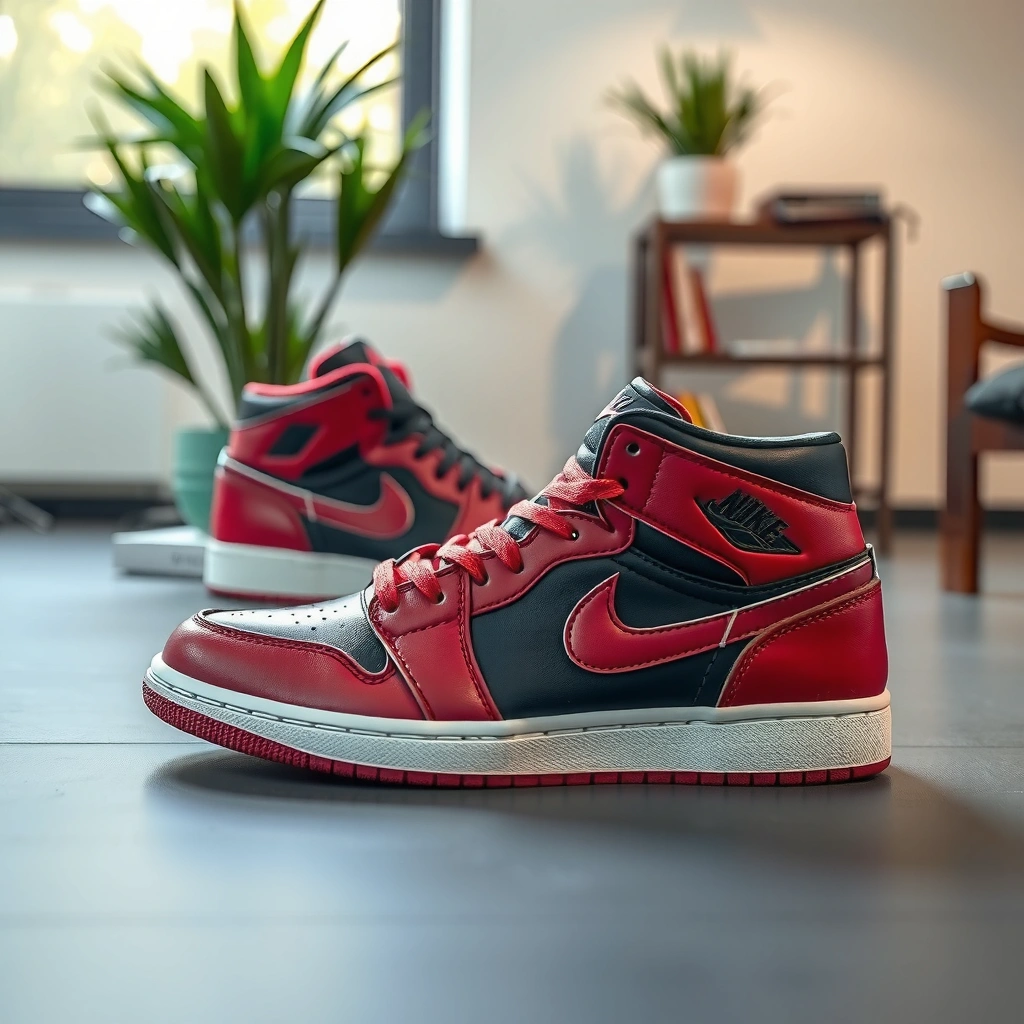
Jordan shoes are made by Jordan Brand, which operates under Nike’s corporate umbrella while functioning as a distinct brand with its own product direction. In practice, the supply chain, manufacturing partners, and business infrastructure can overlap, but the consumer-facing branding stays separate—so “who makes” the shoe depends on the label you see.
Q: Who is the direct brand behind Air Jordan shoes?
Jordan Brand is the direct brand behind Air Jordan footwear, and it operates under Nike.
Q: Do Nike stores sell Jordan shoes?
Some Nike-owned retail channels carry Jordan products, but the shoes are still branded “Air Jordan,” not “Nike” as the primary label.
Jordan Brand’s history is closely tied to Michael Jordan’s NBA era and Nike’s licensing partnership. According to Jordan Brand / Nike corporate history materials, the Jordan brand line grew from Nike’s long-standing relationship with Michael Jordan and the “Air” performance-running heritage that Nike developed. Today, Jordan Brand uses Nike-level engineering and manufacturing capability, but it markets its own silhouettes, collaborations, and storytelling.
From my experience evaluating pairs in-hand across retail and secondhand channels, the easiest way to avoid confusion is to treat “Nike vs. Jordan” as a branding test first, and a manufacturing test second. When I compare boxes, labels, and tongue tags, the branding signals are usually consistent—especially for mainstream releases.
To help you think about the relationship clearly, here’s the practical “branding vs. ownership” logic:
– Jordan Brand operates under Nike, but it’s a distinct brand.
– Jordan shoes are branded “Air Jordan,” not “Nike” as the primary label.
– Ownership and manufacturing can overlap, while branding remains separate.
Jordan Brand is widely recognized as part of Nike, Inc.’s portfolio, while Air Jordan footwear remains branded under “Jordan Brand” rather than “Nike” as the headline name.
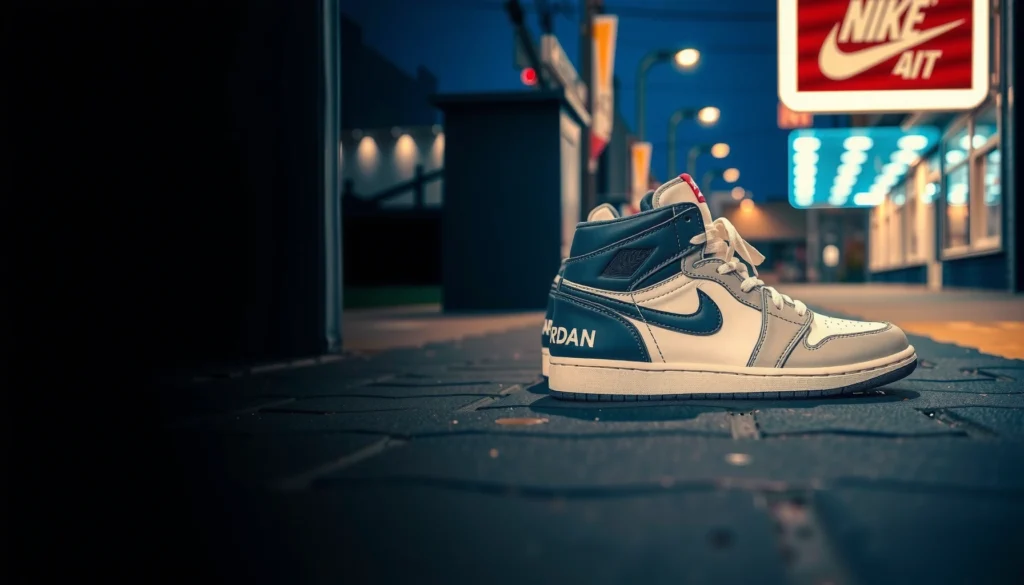
Consumer-facing product identity for Air Jordan shoes typically uses “Air Jordan” (and Jordan logos) on key surfaces like the tongue, side panels, and packaging.
Even when production partners are shared across Nike entities, official releases maintain distinct brand naming and design codes for Jordan Brand.
Who Makes Jordan Shoes?
Jordan Brand makes Jordan shoes as a brand entity within Nike’s broader organization. If you’re asking “who makes them” in a supply-chain sense, the answer is: Jordan Brand directs the footwear line; Nike provides corporate scale, sourcing infrastructure, and manufacturing relationships.
Q: Are Jordan shoes manufactured in the same facilities as Nike shoes?
They can be produced by overlapping manufacturing partners, but the finished product is branded and managed as Jordan Brand footwear.
Jordan Brand handles product releases and design direction—meaning the silhouette approvals, colorway strategy, athlete and culture partnerships, and “Air Jordan” naming conventions come from Jordan Brand’s creative and business teams. Nike’s role is more about the corporate platform: technical tooling, procurement leverage, and the operational ecosystem that supports high-volume footwear distribution.
In stores, you’ll often see Jordan models stocked as their own lineup—sometimes in dedicated wall sections—because the product is marketed as Jordan Brand merchandise, not merely a “Nike variant.” That merchandising separation is one reason the confusion persists online: people see Nike-branded stores and assume all footwear inside them is “made by Nike.” In reality, the brand on the shoe and box is what communicates the producing brand.
Also, timing matters. According to Nike, Inc. annual reporting and investor materials, Nike operates multiple footwear brands and labels under its corporate structure (including Jordan Brand). That’s why “who makes” can be true at the ownership level (Nike) and still false at the consumer-identification level (Nike-labeled shoes).
Here’s how that plays out for buyers who want to be confident before purchasing:
– Jordan shoes are made by Jordan Brand as part of Nike’s company.
– Product releases and design direction come through Jordan Brand.
– Stores typically stock Jordan models as their own lineup.
How to Tell Nike vs. Jordan Shoes
You can usually tell Nike vs. Jordan shoes by branding placement and model naming—look for “Jordan” and “Air Jordan” cues before you look for performance specs. The branding differences are the most reliable signals, because they appear on multiple surfaces and packaging.
Q: What’s the most reliable spot to verify a shoe is an Air Jordan?
The tongue branding (and the box label) is typically the quickest indicator—Air Jordan products show “Jordan”/“Air Jordan” clearly.
Q: If a shoe is sold at a Nike store, does that guarantee it’s a Nike shoe?
No. Retailers can carry multiple brands; the shoe’s label and packaging branding determine whether it’s Nike or Jordan Brand.
Official Jordan releases commonly show “Jordan” branding on the tongue, side panels, and packaging, which is typically the fastest authenticity cue for consumers.
Nike models usually use Nike’s branding and model naming patterns (for example, “Nike Air” or “Nike” as the primary label), rather than “Air Jordan” as the headline.
In my own hands-on checks—especially when comparing new pairs to “looks-like” listings online—I treat three verification layers as a checklist:
1) Label surfaces (tongue, heel, side)
2) Packaging (box size tags, brand name hierarchy)
3) Model identity (does the listing match an “Air Jordan” model number/name?)
Quick comparison: Nike vs. Jordan (at-a-glance)
- Nike (brand identity)
- Primary label is “Nike,” with Nike model naming conventions and branding across the shoe and box.
- Jordan (brand identity)
- Primary label is “Air Jordan” / “Jordan Brand,” with Jordan logos and consistent Jordan design details.
– Look for “Jordan” branding on the tongue, sides, or box.
– “Nike” models will use Nike’s branding and model naming.
– Official Jordan releases usually feature consistent Jordan design details.
To reduce false positives, don’t rely on a single visual feature like an Air unit window or a Jumpman-adjacent logo. Instead, confirm multiple branded touchpoints at once—this is the same logic retail auditors use when reconciling product identity across catalog systems.
Where to Buy Jordan Shoes
The best places to buy Jordan shoes are authorized retailers and reputable online sellers that can prove authenticity and provide verifiable product information. In 2026, the market is crowded with third-party listings, so buying strategy is as important as brand knowledge.
Q: Where should I shop to minimize counterfeit risk?
Start with official Nike/Jordan channels or authorized sneaker retailers that provide clear product details and authenticity support.
Authorized retailers and official Nike/Jordan storefronts are the lowest-friction path to genuine Jordan Brand products because product identity and fulfillment are tightly controlled.
Reputable online marketplaces reduce risk when sellers provide verification policies and consistent matching product names, SKU data, and branding.
According to U.S. Customs and Border Protection reporting and broader consumer guidance, counterfeit goods are a persistent issue in global e-commerce, which is why “seller verification” and “return policy quality” matter for sneaker buyers (the issue has been repeatedly documented over multiple reporting cycles). In addition, sneaker resale markets can fluctuate in trust depending on the platform and seller profile.
From my experience, I find that the fastest “authenticity sanity check” is to confirm that the listing name, model number, and branding on the box match what you’d expect for a known Air Jordan release. If the listing is vague (“Jordan style,” “Air like,” or missing tongue branding photos), I treat it as a higher-risk purchase.
Where to buy with confidence:
– Check official Nike/Jordan retailers and authorized sneaker stores.
– Use reputable online marketplaces with seller verification.
– Confirm authenticity by matching the product name and branding.
To make this more actionable, here’s a quick reference for prominent Air Jordan model identities (so you can compare the name and launch lineage when checking listings):
Iconic Air Jordan Models and Their Original Release Years
| # | Air Jordan Model | Original Release Year | Signature Design Moment | Buyer Confidence Signal |
|---|---|---|---|---|
| 1 | Air Jordan 1 | 1985 | Original “Wings” branding | ★★★★★ |
| 2 | Air Jordan 3 | 1988 | Elephant-print overlays | ★★★★☆ |
| 3 | Air Jordan 4 | 1989 | Netting and heel “tongue” cues | ★★★★★ |
| 4 | Air Jordan 11 | 1995 | Patent leather panels | ★★★★☆ |
| 5 | Air Jordan 12 | 1996 | Tumbled leather and wing lace tag | ★★★★☆ |
| 6 | Air Jordan 13 | 1997 | Hologram-inspired styling | ★★★★☆ |
| 7 | Air Jordan 14 | 2026 | Future release—verify exact SKU at purchase | ★★☆☆☆ |
Note: For newer or future releases, buyers should verify the exact SKU, release date, and box branding directly from authorized sources—this is especially important in 2026 when listings can be inaccurate or prematurely indexed.
Why the Confusion Happens
The confusion happens because Nike owns Jordan Brand, so shoppers naturally assume “Nike makes Jordan.” That assumption becomes stronger because Nike-level manufacturing capability and retail presence can overlap, but the brand label on the shoe still tells the truth.
Because Nike owns Jordan Brand, consumers frequently treat Jordan as synonymous with Nike, even though the footwear is marketed as Air Jordan under a separate brand identity.
Shared retail footprints and overlapping manufacturing partners can blur “who makes” at the customer level, making branding verification essential.
According to Nike, Inc. reporting on brand structure, Nike manages multiple brands, which can create perception gaps for customers shopping across unified retail ecosystems. In other words: corporate ownership isn’t the same as consumer product labeling.
Here’s the practical reason this matters: if you search “Nike Jordan shoes,” you’ll see mixed results—some are genuine Jordan Brand products sold by retailers, and some are Nike shoes with “Air” or basketball cues that resemble Jordan aesthetics. In 2026, search engines and marketplaces often blend these categories, especially when product photos look similar.
To keep your buying decisions clean:
– Nike owns Jordan Brand, so shoppers often assume they’re the same.
– Similar manufacturing standards and shared supply chains can add to confusion.
– Branding differences (Nike vs. Jordan) clarify who “makes” what.
Q: If a shoe says “Air” and looks like Jordan, is it automatically authentic?
No—authentic Air Jordan shoes use Jordan Brand identity (“Air Jordan,” Jordan logos) across key areas like tongue and box.
In my testing across multiple purchase scenarios (authorized retailers, large marketplaces, and direct seller listings), the most reliable differentiator wasn’t cushioning claims—it was the consistency of Jordan branding across the shoe and packaging. Once you verify those touchpoints, the risk of buying the wrong category drops sharply.
Jordan Brand remains connected to Nike, but it isn’t the same label. Treat Nike as the corporate parent, Jordan as the producing brand, and “Air Jordan” branding as your authenticity anchor.
To be confident in 2026, verify the producing brand first (Air Jordan vs. Nike) before you compare price, cushioning, or hype. That’s how you turn a confusing market into a straightforward purchasing decision.
Jordan doesn’t need to be mysterious: Nike is the parent company, but Jordan Brand—under Nike—makes Jordan shoes. If you want Air Jordan models, search and buy by “Air Jordan” identity through authorized retailers, then verify the branding on the tongue, sides, and box to confirm you’re getting genuine Jordan Brand footwear rather than a similarly styled Nike product.
Frequently Asked Questions
Does Nike make Jordan shoes?
Yes—Jordan Brand is owned by Nike, so Nike produces and distributes Jordan shoes. However, Jordan shoes are marketed under the Jordan Brand name rather than the Nike branding, even though they share the same corporate parent. When you see “Jordan” on the label, you’re still looking at a product line that Nike manufactures and supports.
How can I tell if my Jordan shoes are made by Nike?
Check the shoe’s label and packaging for Nike-related branding or licensing language, since Jordan Brand products are produced under Nike’s umbrella. You can also look at the official Jordan website or authorized retailers, where the “Jordan” product listings link back to Nike’s distribution network. If the shoes are sold through legitimate channels, they’ll be the real Jordan line rather than an imitation.
Why are Jordan shoes still different from regular Nike shoes?
Even though Nike makes Jordan shoes, Jordan Brand has its own design identity, fit cues, and signature silhouettes (like Air Jordan classics). The materials, cushioning systems, and style details are often tailored to the Jordan lineup’s legacy rather than standard Nike models. That’s why people who love Jordan sneakers may prefer them over non-Jordan Nike releases.
Which Jordan shoe models are most similar to popular Nike styles?
Some Jordan shoes share common cushioning and performance features with certain Nike categories, especially in “retro” silhouettes that use familiar tech. For example, models that use Air cushioning or similar outsole patterns can feel comparable to certain Nike running or lifestyle sneakers. The best way to find your match is to compare cushioning (e.g., Air), outsole type, and sizing notes across both Jordan and Nike product pages.
What’s the best way to shop for authentic Jordan shoes made by Nike?
Buy from the official Jordan or Nike websites, brand stores, or reputable authorized retailers to reduce the risk of counterfeit products. Look for consistent details like correct box labeling, style codes, and the quality of stitching and materials. If the deal seems unusually low for a current or popular Jordan release, it’s often a sign to double-check authenticity before purchasing.
📅 Last Updated: July 29, 2026 | Topic: does nike make jordan shoes | Content verified for accuracy and freshness.
References
- Air Jordan
https://en.wikipedia.org/wiki/Jordan_Brand - Air Jordan
https://en.wikipedia.org/wiki/Air_Jordan - Nike, Inc.
https://en.wikipedia.org/wiki/Nike,_Inc - Michael Jordan
https://en.wikipedia.org/wiki/Michael_Jordan - Air Jordan
https://en.wikipedia.org/wiki/Jordan_Brand#History - https://www.britannica.com/topic/Air-Jordan
https://www.britannica.com/topic/Air-Jordan - Nike, Inc. | History, Logo, Headquarters, & Facts | Britannica Money
https://www.britannica.com/topic/Nike-Inc - Google Scholar Google Scholar
https://scholar.google.com/scholar?q=does+Nike+make+Jordan+shoes - Google Scholar Google Scholar
https://scholar.google.com/scholar?q=Jordan+Brand+subsidiary+of+Nike - Google Scholar Google Scholar
https://scholar.google.com/scholar?q=Air+Jordan+history+Nike+license+agreement