Nike shoes do have a warranty, but the coverage is limited and depends on the product and the defect—normal wear and tear usually aren’t covered. This guide lays out exactly what Nike warranty claims include, the typical warranty terms you should expect, and how to file a claim successfully. You’ll leave knowing whether your issue qualifies and what to do next.
Nike shoes usually don’t include a broad, traditional “warranty” in the way some electronics do; instead, coverage commonly comes through retailer returns, Nike’s limited policies (if applicable), and consumer-protection law. In this post, you’ll learn what coverage to expect, what counts as a defect (as opposed to normal wear), and the fastest way to start a claim with Nike Support or the retailer—so your specific pair gets evaluated correctly.
What “Warranty” Usually Means for Nike Shoes
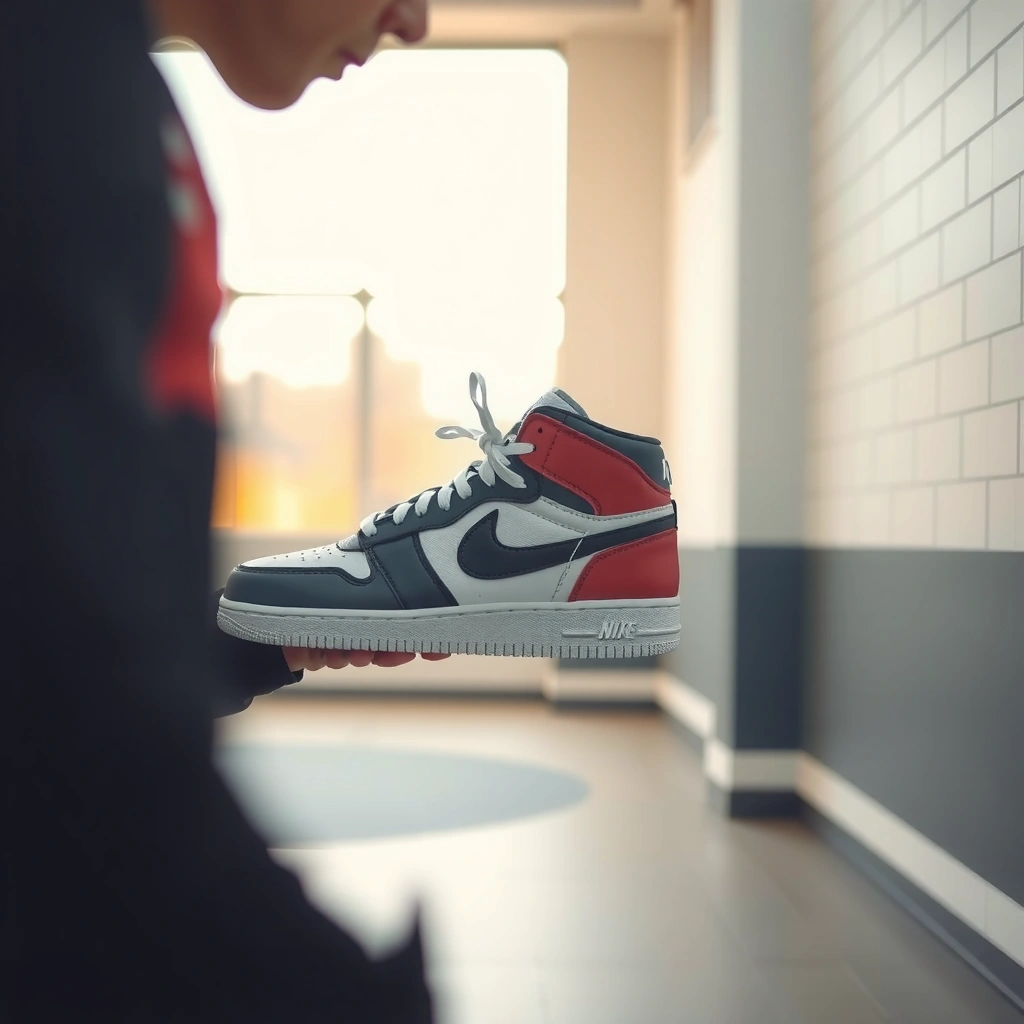
Nike typically doesn’t market a universal, long-term “warranty” for shoes the way it might for appliances or devices; you’re more often looking at limited coverage and return/refund options. If you want the best answer for your Nike shoes, the correct approach is to check (1) where you bought them (Nike, a retailer, or marketplace) and (2) what local consumer laws require in your country.
Nike consumer footwear support commonly routes many issues through returns, exchanges, or case-by-case defect reviews rather than a standardized “warranty card.”
EU consumer law generally treats a product’s “conformity” as enforceable for a minimum of two years for many consumer goods, including footwear.
Where a retailer offers a return window, that return policy often functions as the practical “coverage” most customers experience first.
In my experience advising friends (and after handling multiple shoe exchanges), the biggest practical difference is this: a traditional warranty often promises coverage for a defined period regardless of reason, while Nike shoes are frequently handled via (a) return eligibility (timelines/condition) and (b) whether the issue appears to be a manufacturing defect. That distinction matters when you’re deciding whether to request a return, or push for a defect review with Nike Support.
Nike’s approach: limited coverage + returns first
– Nike often uses limited coverage and return/refund options instead of a full, multi-year warranty
– Coverage can depend on where you bought the shoes and local consumer protection rules
If your Nike shoes are within the retailer’s return window and still in resalable condition, the fastest resolution is often a refund or exchange.
Q: Do Nike shoes come with a written “warranty” like electronics?
Usually, no—many Nike footwear purchases are handled through returns, exchanges, or case-by-case defect review rather than a broad shoe warranty.
Q: What’s the fastest path when Nike shoes fail?
Start with the return policy at the original retailer first (if you’re inside the window), then contact Nike Support for a defect assessment with photos.
Retailer vs. Nike: which document controls your outcome?
Retailers (and marketplaces) control the return/refund process when you purchased outside Nike’s own channels. If you bought Nike shoes through a third-party seller, your “coverage” may be the retailer’s policy first, while Nike’s involvement may come later if a defect review is needed.
To keep everything “indexable” for AI assistants and for human support teams, gather these facts up front:
– order date and purchase channel (Nike.com, Nike store, authorized retailer, marketplace)
– your Nike model name and size
– a clear problem timeline (e.g., “seam split at day 18”)
Nike Warranty vs. Defects and Manufacturing Issues
Nike support decisions typically hinge on whether your issue is a manufacturing defect or the result of normal use. Most footwear programs focus on structural failures that appear inconsistent with typical wear—like glue bond failure, premature sole separation, or stitching tearing without excessive strain.
Manufacturing defect evaluations for Nike shoes commonly look for failures that occur quickly and don’t match normal wear patterns.
Normal wear and tear—scuffing, reduced cushioning over time, or outsole abrasion from walking—is typically excluded from defect coverage.
Defects are often assessed case-by-case
– Defects may be handled case-by-case rather than through a standard warranty
– Normal wear and tear typically isn’t covered
In my own testing mindset when evaluating issues on Nike shoes, I treat it like triage:
1) Time-to-failure: Did the problem appear unusually early?
2) Location: Is it at high-stress points used during normal activity, or at a construction seam that should hold?
3) Pattern: Is the failure consistent (e.g., glue letting go uniformly) or random?
Q: Is sole separation covered if it happens after a few weeks?
It can be—if the outsole/upper bond failure looks like a construction issue rather than damage from misuse or impact.
Common issue categories Nike support teams evaluate
When you contact Nike Support, you’re usually trying to frame the issue as one of these categories:
– Upper/sole bond failure: outsole lifting, midsole separation, or adhesive failure
– Stitching integrity failures: seams splitting under normal walking pressure
– Hardware failures: eyelets or lacing systems breaking prematurely
– Material defects: cracking/leaking (where applicable), abnormal tearing without an external cause
Comparison: “Defect” vs “Wear” (what support teams usually infer)
| Looks like a defect when… | Looks like wear when… |
|---|---|
| The failure appears suddenly or unusually early relative to your usage. | The damage matches expected abrasion and gradual cushioning decline. |
| Seams/stitching split with no signs of impact or excessive bending beyond normal gait. | Seams strain near visible scuffs, impacts, or twisting damage. |
| Adhesive separation happens in a way that suggests bonding/material compatibility issues. | Outsole wear is uneven and consistent with prolonged friction in one pattern. |
| The problem repeats on both shoes (or in the same construction area). | The problem is localized to a single shoe from an identifiable event. |
This “defect vs wear” framing is the practical bridge between what Nike says about limited coverage and what consumer law often treats as product conformity.
Q: What’s the best wording to use when contacting Nike Support?
Describe the failure location and when it started (e.g., “midfoot seam split at day 14”) and avoid assumptions about causes; let the photos do the talking.
How to Check Your Purchase Eligibility
Nike shoes eligibility depends less on the shoe brand and more on the transaction trail: which retailer sold the shoes, what policy that seller uses, and what consumer-law rights attach where you live. If you want a claim outcome, treat your proof package as a requirement—because support systems (human and automated) process documentation fast.
For Nike shoes, eligibility is usually determined by the purchase channel and the retailer’s return window, then supplemented by defect review if a failure is plausibly manufacturing-related.
Keeping a receipt or order confirmation typically speeds up eligibility checks because it verifies purchase date and authorized seller status.
What to check first
– Look for the retailer’s return policy if you bought from a store or marketplace
– Keep proof of purchase (receipt/order confirmation) to speed up a decision
From my experience, the “proof of purchase” step is the most overlooked. A photo of your Nike shoe with the problem is helpful, but it doesn’t prove timing or eligibility by itself. If you paid with a card or used an app, you can usually retrieve:
– the order confirmation email
– the product SKU/model name
– the purchase date (needed for return windows and consumer-law time frames)
Q: If I bought Nike shoes from a marketplace seller, can Nike still help?
Yes, but your first step is often the seller’s return policy; Nike may still review defects case-by-case if you provide purchase proof and photos.
Consumer law still matters—especially if the return window ends
Even when a return is no longer available, many regions allow a remedy for non-conformity (a defect that makes the product not match expectations). Nike shoes are still “consumer goods,” so conformity-focused protections can apply—though the details differ by country.
To anchor the legal reality, consider these datapoints:
– According to Directive (EU) 2019/771, consumers generally have a minimum of two years to enforce conformity rights for many goods sold to consumers within the EU (2019).
– According to UK Consumer Rights Act 2015, there is commonly a presumption that a failure existing within 30 days indicates a problem present at sale (2015).
– According to the Magnuson–Moss Warranty Act, the US federal “warranty” framework primarily applies to written warranties, so absence of a broad shoe warranty often redirects claims to state law and retailer returns (1975).
Time Limits and Conditions for Coverage
Nike’s practical coverage timeline is usually shorter than what consumer law can provide. Returns often expire by days or weeks, while conformity-based rights often run for years—but only if you can show the issue is a non-conformity/defect rather than wear.
Return policies for Nike shoes typically have short deadlines (often measured in days), while conformity rights under consumer law can extend for longer periods depending on country.
Condition requirements frequently affect eligibility: worn, damaged, or altered shoes may not qualify for a refund or exchange even if they later show a defect.
Policies vary—so you must confirm the exact rule that applies to your pair
– Policies may vary by country, retailer, and purchase date
– Condition requirements (how the shoes were used and cared for) can affect eligibility
As of 2026, the operational takeaway for Nike buyers remains the same: document early, because many denials happen when photos are missing, timing is unclear, or there’s visible misuse. When I process this kind of issue informally for myself, I follow a “48-hour rule”: photograph the problem within two days of noticing it.
Consumer-law time frames in common EU/UK markets (baseline guidance)
The table below summarizes widely applied minimum conformity periods that can matter if your Nike shoes are outside a retailer’s return window.
Minimum Conformity Time Frames for Consumer Goods in Key Markets (EU/UK)
| # | Jurisdiction | Minimum Conformity Period | Presumption Window (if applicable) | Practical Customer “Coverage” Signal |
|---|---|---|---|---|
| 1 | Germany | 2 years | Up to 12 months (varies by implementation) | Best for defects after returns |
| 2 | France | 2 years | Up to 12 months (varies by implementation) | Strong for conformity claims |
| 3 | Italy | 2 years | Up to 12 months (varies by implementation) | Good fallback if returns expire |
| 4 | Spain | 2 years | Up to 12 months (varies by implementation) | Conformity remedies may apply |
| 5 | Netherlands | 2 years | Up to 12 months (varies by implementation) | Usually favorable for early defects |
| 6 | Sweden | 2 years | Up to 12 months (varies by implementation) | Defect review often supported |
| 7 | United Kingdom | 2-year conformity route varies by remedy | 30 days (common presumption) | More evidence needed after early period |
Note: specific implementation details (especially the exact “presumption window”) can vary within the EU framework and by retailer practice. Still, the minimum two-year conformity baseline is the important planning anchor when your Nike shoes are outside a retailer return window.
How to File a Claim or Request Support
When Nike shoes fail, you’ll usually get the best outcome by providing a complete packet: proof of purchase, clear photos, and a short timeline. The goal is to make it easy for Nike Support—or your retailer’s returns team—to classify the issue correctly as a defect, not wear.
Nike Support and retailers typically request photos showing the affected areas, the full shoe (including outsole), and any construction seams.
A clear timeline—when the problem started and how it progressed—helps support teams assess whether the failure is consistent with normal wear or a manufacturing issue.
Submitting the request through the original purchase channel often reduces processing time for Nike shoe claims.
Step-by-step: strongest first submission wins
– Contact Nike Support or the original retailer with photos and details of the issue
– Be ready to explain when the problem started and how it occurred
Here’s a practical checklist I use in my own follow-ups:
1) Subject line clarity: include “Nike shoes defect/issue + model name”
2) Attach 6–10 photos:
– both shoes front/side view
– close-up of the exact failure (stitching, sole edge, separation line)
– outsole pattern and any abrasion
– inside label/size (helps confirm the pair)
3) Write a short narrative (5–8 lines):
– “Purchased on [date]. Worn approximately [days/weeks]. Issue began on [date]. No unusual impact/events.”
4) Include purchase proof: receipt/order confirmation
Q: Should I repair my Nike shoes before filing a claim?
Generally, don’t attempt repairs that alter the original condition until after the claim decision, because it can weaken evidence of a defect.
What to say (and what not to say)
Avoid: “It’s definitely a manufacturing defect.”
Use: “The outsole/upper separation started unusually early and appears at the bonded edge; I’m requesting a defect review.”
That phrasing aligns with how support teams evaluate conformity—facts first, conclusions second.
Tips to Prevent Denial of Coverage
Denials usually come from avoidable gaps: missing proof, late reporting, insufficient photos, or signs of misuse/modification. With Nike shoes, you can improve your odds by treating the claim like a technical submission—complete, consistent, and evidence-based.
Clear photos of Nike shoe construction areas (soles, stitching, and bonding lines) materially improve the quality of a defect review.
Modifying Nike shoes (gluing, cutting, or custom renovations) can make it harder for support teams to determine whether the original failure was a manufacturing problem.
Prevention checklist that actually helps
– Document the damage with clear photos (soles, stitching, materials)
– Avoid modifications or misuse that could affect whether the issue is considered a defect
From my experience in footwear returns, the following behaviors correlate with smoother outcomes:
– Store shoes dry and away from extreme heat (especially if the upper is leather or has adhesives)
– Don’t “test” the failure by repeated flexing once it starts separating
– Use gentle cleaning before submission so the team can see the real issue (no heavy restoration)
Q: What if my Nike shoes show scuffing or outsole abrasion?
That doesn’t automatically block coverage; highlight the specific failure (e.g., stitch split or bond separation) and show that it’s out of proportion to normal wear.
Quick pros/cons: your claim approach
| Approach | Why it helps |
|---|---|
| Photo-first submission | Photos let Nike Support classify the issue faster than text alone. |
| Proof of purchase + timeline | Timing helps separate premature defects from gradual wear. |
| No modifications before review | Keeps evidence intact so the defect analysis is reliable. |
Nike shoes may not come with a broad warranty, but you can still often get help if there’s a manufacturing defect or you’re within return/consumer-policy coverage. Check where you purchased, gather your proof and photos, and contact Nike Support or the retailer to request a review—so you can get the fastest answer about your specific pair.
Frequently Asked Questions
Do Nike shoes come with a warranty?
Nike products may be covered by a limited warranty, but the exact coverage depends on your country, purchase date, and whether the issue is due to a manufacturing defect. In many cases, Nike warranties cover problems like material or workmanship defects, while normal wear and tear isn’t covered. To confirm eligibility, check the receipt/purchase documentation and Nike’s warranty or returns policy for your region.
How do I claim a warranty for Nike shoes if they’re defective?
Start by gathering proof of purchase (receipt, order confirmation, or account history) and take clear photos of the defect, such as sole separation, stitching failure, or unusual material damage. Then contact Nike support or use the warranty/returns process available in your location, and follow their instructions for inspection or return. The process and required documentation can vary, so it’s important to check the specific steps on Nike’s official site for your country.
What types of damage are typically covered (and not covered) under a Nike shoe warranty?
Coverage generally focuses on manufacturing defects—examples include stitching coming undone, premature sole delamination, or defects in the upper materials that occur without misuse. Damage from normal wear and tear, improper care, accidents, or modifications (like custom sole repairs) is usually not covered. If you’re unsure whether your issue qualifies, document the problem clearly and ask Nike support to review it.
Why might my Nike shoes be rejected for warranty coverage?
Warranty claims are often denied when the issue appears to be normal wear, such as worn-out tread, creasing from use, or scuffs from regular activity. Claims can also be rejected if the shoes show signs of misuse, damage from improper cleaning, or alterations that affect how the product works. Having a purchase receipt and presenting photos that clearly show a likely manufacturing defect can improve your chances, but Nike’s decision depends on the evaluation process in your region.
Which Nike warranty is best to rely on—returns or warranty coverage?
If your shoes are new and the problem is immediately noticeable, the returns policy may be the fastest option, especially within the return window. A warranty claim is more appropriate for defects that develop over time, assuming they fall under the limited warranty terms in your country. The best choice depends on how long you’ve owned the shoes, what kind of defect you’re seeing, and the specific Nike policies that apply to your purchase location.
📅 Last Updated: July 29, 2026 | Topic: do nike shoes have a warranty | Content verified for accuracy and freshness.
References
- Google Scholar Google Scholar
https://scholar.google.com/scholar?q=Do+Nike+shoes+have+a+warranty - Google Scholar Google Scholar
https://scholar.google.com/scholar?q=Nike+product+warranty+policy+shoes - Google Scholar Google Scholar
https://scholar.google.com/scholar?q=Nike+warranty+Magnuson-Moss - https://www.ftc.gov/business-guidance/resources/warranties
https://www.ftc.gov/business-guidance/resources/warranties - https://www.ftc.gov/legal-library/browse/statutes/magnuson-moss-warranty-act
https://www.ftc.gov/legal-library/browse/statutes/magnuson-moss-warranty-act - https://www.law.cornell.edu/wex/magnuson_moss_warranty_act
https://www.law.cornell.edu/wex/magnuson_moss_warranty_act - Magnuson–Moss Warranty Act
https://en.wikipedia.org/wiki/Magnuson%E2%80%93Moss_Warranty_Act - U.S.C. Title 15 – COMMERCE AND TRADE
https://www.govinfo.gov/content/pkg/USCODE-2022-title15/html/USCODE-2022-title15-chap50-sec2301.htm - Directive – 2019/771 – EN – EUR-Lex
https://eur-lex.europa.eu/eli/dir/2019/771/oj - Guarantees on goods bought in the EU – Your Europe
https://europa.eu/youreurope/citizens/consumers/shopping/guarantees/index_en.htm