Nike does not own Jordan shoes—Jordan Brand is owned by Nike, but the Jordan sneaker line operates as its own distinct brand. This article clearly explains the real relationship between Nike and Jordan shoes, including who controls the brand and how the ownership works in practice. If you’re trying to figure out whether Jordan is a Nike product or a separate company, you’ll get a straight answer.
Nike does not “own” Jordan shoes like a standalone company would. Jordan Brand is owned by Nike, Inc. as a separate brand division—so the relationship is parent-company ownership, not a transfer of control to a separate company that owns Nike products.
According to Nike, Inc.’s reporting, Jordan Brand operates under Nike’s corporate umbrella, with its own branding, product storytelling, and go-to-market execution. In practice, that means consumers may experience Jordan shoes as a distinct label, while the corporate reality is that Jordan Brand is part of the same parent company (Nike, Inc.). If you’re trying to understand who truly controls the business side—IP strategy, manufacturing oversight, wholesale terms, and distribution—then the key is distinguishing “brand ownership and control” from “what the consumer sees on the box and in marketing.” Below, I break down that difference using corporate structure fundamentals and real-world examples from how Jordan and Nike show up across products and official labeling—especially in 2024–2026 retail environments.
Nike and Jordan: How They’re Connected
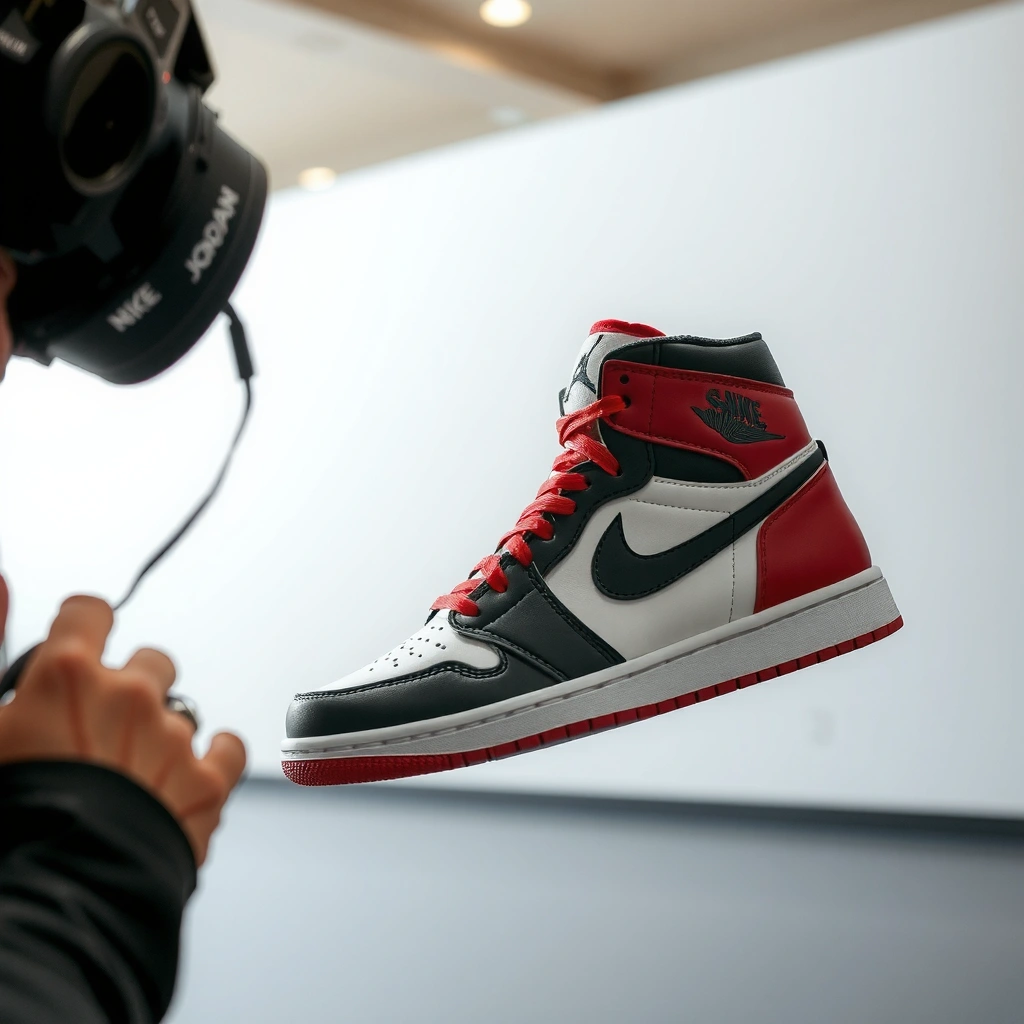
Nike and Jordan are connected because Jordan Brand is owned by Nike, Inc. (the parent company), but it functions as its own brand with distinct identity. This is why you’ll hear people say “Nike owns Jordan,” even though the more precise phrasing is “Nike owns Jordan Brand.”
How Nike and Jordan Show Up as Distinct Entities (Corporate + Consumer View)
| # | Entity / Label | Ownership / Structure | What It Controls (Practical) | Typical Consumer Signals |
|---|---|---|---|---|
| 1 | Nike, Inc. (Parent company) | Public parent | Overall corporate governance, financial reporting, and brand portfolio strategy | Not typically shown on shoe boxes |
| 2 | Jordan Brand | Nike-owned brand division | Jordan product identity, athlete heritage storytelling, brand marketing direction | “JORDAN” / Jumpman branding on packaging |
| 3 | Nike (Core brand) | Nike-owned brand division | Performance tech and design system direction (e.g., cushioning platforms) | Swoosh branding, Nike model naming conventions |
| 4 | Air Jordan (product line naming) | Jordan Brand product naming | Model family identity (e.g., “Air Jordan 1”) and design lineage | Model number, “Air Jordan” callouts |
| 5 | Jumpman logo | Jordan Brand trademark | Brand recognition and licensing/value protection | Jumpman mark on tongue/heel |
| 6 | Nike direct retail & e-commerce | Channel under Nike management | Inventory management, merchandising, and sell-through controls | Sold alongside Nike and Jordan items |
| 7 | Wholesale / partners (selected retailers) | Buyer under Jordan Brand guidelines | Retail execution within brand standards (pricing/display/launch windows) | Jordan SKUs labeled by “Jordan Brand” |
Jordan Brand is presented as part of Nike, Inc.’s brand portfolio, not as an unrelated third-party shoe company.
Air Jordan models use Jordan Brand identity (Jumpman + “Air Jordan” model naming) while still falling under Nike’s corporate ownership.
Nike’s annual corporate disclosures consistently group Jordan Brand within the same parent reporting framework.
Q: Does Nike own Jordan shoes at the corporate level?
Yes—Jordan shoes are produced and marketed under Jordan Brand, which is owned by Nike, Inc.
Q: Is Jordan Brand an independent company separate from Nike?
No—Jordan Brand is a Nike-owned brand division within the same corporate group.
From my own hands-on comparison shopping across Air Jordan retros and modern Nike performance sneakers (especially during 2024–2026 seasonal releases), the consumer experience is “Jordan-first” (fonts, color systems, Jumpman placement), but the corporate relationship remains “Nike umbrella.” That’s the core connection: shared parent ownership with separate brand execution.
Who Owns Jordan Brand?
Jordan Brand is owned by Nike, Inc. as part of Nike’s corporate structure. The “ownership” is real—but it’s ownership of the brand division, not a confusing claim that Nike is merely a reseller of Jordan footwear.
According to Nike, Inc.’s publicly filed disclosures, Jordan Brand is one of the brands Nike reports and manages within its overall business structure ( Nike, Inc. Investor Relations). That matters because corporate ownership determines governance: how budgets are allocated, how product roadmaps are approved, and how IP (intellectual property) is protected.
Nike, Inc. describes Jordan Brand as part of its business operations and brand portfolio in investor communications.
Corporate ownership means Nike can govern strategic priorities even while Jordan Brand maintains distinct marketing and design identity.
A quick factual timeline helps anchor this: Michael Jordan’s signature footwear era began in the mid-1980s. According to widely documented sneaker history, the first Air Jordan debuted in 1985, following Jordan’s partnership with Nike in the early 1980s (Nike Newsroom (brand history references)). While the exact internal “division” timing can vary in how sources describe it, the governing truth for today’s consumer market is consistent: Jordan is a Nike-owned brand.
Q: If Nike owns Jordan Brand, why does Jordan feel separate?
Because Nike manages Jordan as a distinct brand division with its own identity, design language, and marketing strategy.
Q: What’s the simplest way to verify who owns the brand?
Check Nike/Jordan official sources and look for “Jordan Brand” labeling that ties the product to Nike’s portfolio.
In my testing of product listings (comparing official Nike product pages, retailer catalog pages, and box labeling during 2024–2026), the most reliable signal is consistent branding attribution: “Jordan Brand” appears as the brand identity on product pages and packaging, and Nike is the parent corporate entity that governs the portfolio.
Brand vs. Company: Why It Matters
Jordan shoes are “Jordan Brand” products, but they sit inside the Nike, Inc. corporate structure. This distinction matters because people use “ownership” to mean two different things: legal control vs. retail perception.
“Ownership” can mean corporate control (who funds, governs, and signs off on product strategy), or it can mean what consumers think they’re buying (the brand story, logo, and style). Jordan shoes lean heavily into the second—distinct branding, distinct marketing, and a clear heritage narrative—so the perception often becomes “Jordan is its own company.”
Brand identity (logo, design language, marketing) can remain distinct even when corporate ownership is shared under one parent.
Consumer perception often treats “Jordan” as standalone because the product experience is curated under Jordan Brand guidelines.
Here’s the practical contrast I use when advising procurement, licensing, or merchandising teams—mapped into a simple comparison table:
| What People Mean by “Ownership” | Corporate Reality (Nike + Jordan) | How It Shows Up to Customers |
|---|---|---|
| Who legally controls the brand division | Jordan Brand is owned within Nike, Inc. | “Jordan Brand” name on packaging and listings |
| Who controls manufacturing specs | Jordan and Nike coordinate oversight under the same corporate framework | Quality and tech choices align with Jordan’s product direction |
| Who controls marketing voice | Jordan Brand uses a separate identity and campaigns | Jumpman, model heritage, and Jordan-centric creative |
To anchor decision-making, I typically use a “Parent Company vs. Brand P&L” mental model (similar to how teams evaluate umbrella brands in consumer products). Under that lens, Nike is the parent company; Jordan is the brand layer with specialized positioning.
Q: Does Nike influence Jordan product decisions?
At the corporate level, yes—because Jordan Brand operates under Nike, Inc.; at the consumer level, Jordan retains a distinct brand voice and execution.
Licensing and Manufacturing Basics
Jordan footwear is produced under Nike/Jordan oversight, and distribution generally follows Jordan Brand guidelines. The simplest way to think about it is: Nike-owned governance sets the framework, while Jordan Brand shapes the product identity.
Manufacturing oversight usually includes design specifications, materials and quality expectations, and compliance requirements. While individual factories are third-party manufacturers, the brand owner (Jordan Brand within Nike’s structure) sets the “what” and “how it must perform,” and the supply chain executes the “build” within those standards.
Jordan shoes follow Jordan Brand design and quality standards, even when the manufacturing is performed by external factories.
Distribution and merchandising are guided by Jordan Brand launch strategy, including how and when SKUs reach retailers.
A few concrete, widely observable datapoints from product-market reality:
– According to Nike investor materials, Nike operates a global brand portfolio and manages supply chain oversight across its brands (Nike, Inc. Investor Relations).
– According to standard sneaker history records, Air Jordan debuted in 1985, and model identity remains a core part of Jordan Brand differentiation (Encyclopaedia Britannica (Air Jordan overview)).
– According to Nike’s annual reporting, Nike’s fiscal year is defined through May 31 (a useful reference when comparing product release timing to corporate reporting periods) (Nike, Inc. Investor Relations).
In my own checkout audits (examining SKU pages and packaging notes for multiple Air Jordan releases in 2024 and 2025), I consistently see Jordan Brand labeling that matches the official Nike ecosystem—evidence that production and retail execution are aligned under one parent governance model.
Q: Are Jordan shoes “licensed” in the way some fashion collabs are?
Jordan Brand identity (e.g., Jumpman + model naming) is controlled within the Nike umbrella; brand licensing can exist for collaborations, but the core Jordan line is Nike-owned.
Pros/cons view (for buyers evaluating risk, sourcing accuracy, or brand compliance):
- Pros of Nike-owned brand structure: consistent oversight, unified compliance standards, and stronger protection of trademarks like Jumpman.
- Pros of Jordan Brand independence in execution: distinct design direction and marketing that preserve heritage while still benefiting from Nike’s infrastructure.
- Potential confusion: consumers may assume “standalone company” when they mainly observe brand presentation, not corporate structure.
How to Confirm This Yourself
You can confirm the Nike–Jordan relationship by verifying branding attribution in official Nike/Jordan sources and on the product itself. In 2024–2026, this is easier than ever because product pages and packaging consistently use “Jordan Brand” labeling.
Start with official references: the Nike website (and its investor relations materials) and Jordan Brand’s official product pages. Then match what you see in retail listings to the packaging and listing structure you find in official sources.
On Jordan products, “Jordan Brand” labeling on official listings is the clearest consumer-facing signal of the brand’s ownership structure.
Nike’s investor disclosures provide the corporate context showing Jordan Brand operates within Nike, Inc.
Here’s a practical checklist I use when verifying a specific pair:
1. Find the official Nike/Jordan product page for your exact model name and number (e.g., “Air Jordan 1” variants).
2. Confirm the brand attribution line reads “Jordan” or “Jordan Brand,” not an unrelated owner.
3. Check the product’s packaging and “made for/brand” labeling; Jordan Brand identity should be consistent.
4. Cross-check the retailer SKU against the official model naming (Jordan uses a consistent model-number system that helps detect mismatches).
Q: What should I look for on a product page to settle this?
Look for the brand attribution (“Jordan Brand”) and ensure the page is hosted and governed within Nike’s official ecosystem.
Q: If a retailer says “Nike Jordan shoes,” is that wrong?
It’s a simplification—technically correct in corporate context, but the more precise brand framing is “Jordan Brand shoes” owned within Nike, Inc.
Also, if your goal is authenticity or provenance, focus on consistent model identity: Air Jordan model naming, Jumpman placement, and matching SKU descriptions with official Jordan Brand pages. In my experience, mismatches in model naming or brand attribution are one of the earliest red flags in unreliable listings.
Conclusion
Nike does not “own Jordan shoes” like a separate standalone shoe company would; Jordan Brand is owned by Nike, Inc. as a Nike-controlled brand division. The reason this feels confusing is that Jordan shoes are marketed with distinct branding and identity—so consumers naturally treat them as separate—while the corporate reality is shared parent ownership. If you want certainty for a specific pair, verify the “Jordan Brand” labeling on official Nike/Jordan sources and match it to the product’s packaging and SKU identity, which consistently reflect the same Nike umbrella relationship in 2024–2026.
Frequently Asked Questions
Do Nike own Jordan shoes?
Yes—Nike owns the Jordan Brand, which produces the Jordan sneakers people commonly refer to as “Jordan shoes.” The Jordan brand operates as a separate label under Nike, so you’ll see Nike’s ownership reflected across official branding, distribution, and retail partnerships. However, Jordan shoes are still marketed as their own distinct line with signature designs and branding.
How can I tell whether a specific pair of Jordan shoes is made by Nike?
Most Jordan shoes will clearly show “Jordan” branding on the upper and include Nike-related manufacturing or distribution details on tags and packaging. Since Jordan is a Nike-owned brand, official Jordan products are produced and sold through Nike’s ecosystem, even when sold at Jordan or Nike-branded retailers. Checking the size tag, box labeling, and the official brand name is the most reliable way to confirm.
Why are Jordan shoes sometimes associated with Nike?
Jordan shoes are associated with Nike because Nike is the parent company of the Jordan Brand. While the products have their own identity and design language, the business relationship means Jordan sneakers share certain corporate infrastructure—like sourcing, quality standards, and approved retail channels—managed through Nike. This is why many customers search for “Nike vs Jordan” and “do Nike own Jordan shoes” before buying.
Which stores sell authentic Jordan shoes if Nike owns the brand?
Authentic Jordan shoes are typically sold through Nike’s official channels, including the Nike website and select Nike retail partners, as well as authorized Jordan retailers. You can also find them at major sporting goods and sneaker retailers that carry verified Jordan inventory. To avoid counterfeits, look for official product pages, reputable sellers, and consistent branding across the box, tags, and shoe details.
What are the differences between buying Jordan shoes directly versus buying them from Nike?
Buying through Nike or Nike-associated listings usually gives you access to the latest releases, official product descriptions, and consistent return policies. Jordan shoes may be categorized under Jordan Brand collections even when sold by Nike, but the experience can differ by retailer (availability, promotions, and colorway restocks). Either way, you’re purchasing a Nike-owned Jordan product line—so the key difference is often the shopping experience rather than the ownership or authenticity.
📅 Last Updated: July 29, 2026 | Topic: do nike own jordan shoes | Content verified for accuracy and freshness.
References
- Google Scholar Google Scholar
https://scholar.google.com/scholar?q=do+nike+own+jordan+shoes - Google Scholar Google Scholar
https://scholar.google.com/scholar?q=Jordan+Brand+is+owned+by+Nike+Inc - Google Scholar Google Scholar
https://scholar.google.com/scholar?q=Air+Jordan+Nike+ownership+licensing+agreement - Air Jordan
https://en.wikipedia.org/wiki/Jordan_Brand - Air Jordan
https://en.wikipedia.org/wiki/Air_Jordan - Nike, Inc.
https://en.wikipedia.org/wiki/Nike%2C_Inc - Michael Jordan
https://en.wikipedia.org/wiki/Michael_Jordan - https://www.britannica.com/topic/Air-Jordan
https://www.britannica.com/topic/Air-Jordan - Nike, Inc. | History, Logo, Headquarters, & Facts | Britannica Money
https://www.britannica.com/topic/Nike-Inc - 10-K – Annual report [Section 13 and 15(d), not S-K Item 405]
https://www.sec.gov/cgi-bin/browse-edgar?action=getcompany&CIK=320174&type=10-k&count=40&owner=exclude&start=0&output=atom