Yes—Nike Fire and Ice shoes exist, but they’re real only in limited, past releases rather than a current everyday product line. If you’re trying to track down a specific pair, the key is knowing what to search by (model name, year, and colorway), since “Fire and Ice” is often used as a nickname. Keep reading to confirm whether your exact style is authentic and where it’s most likely to show up.
Nike “Fire and Ice” shoes do exist in some form, but “Fire and Ice” is usually a nickname for a specific Nike colorway rather than one single, always-identical official product line. Because listings and naming can vary by year, region, and reseller, the fastest way to confirm authenticity is to verify the shoe’s official style/SKU code and match it to consistent photos, box/label details, and product descriptions.
What “Fire and Ice” Usually Refers To
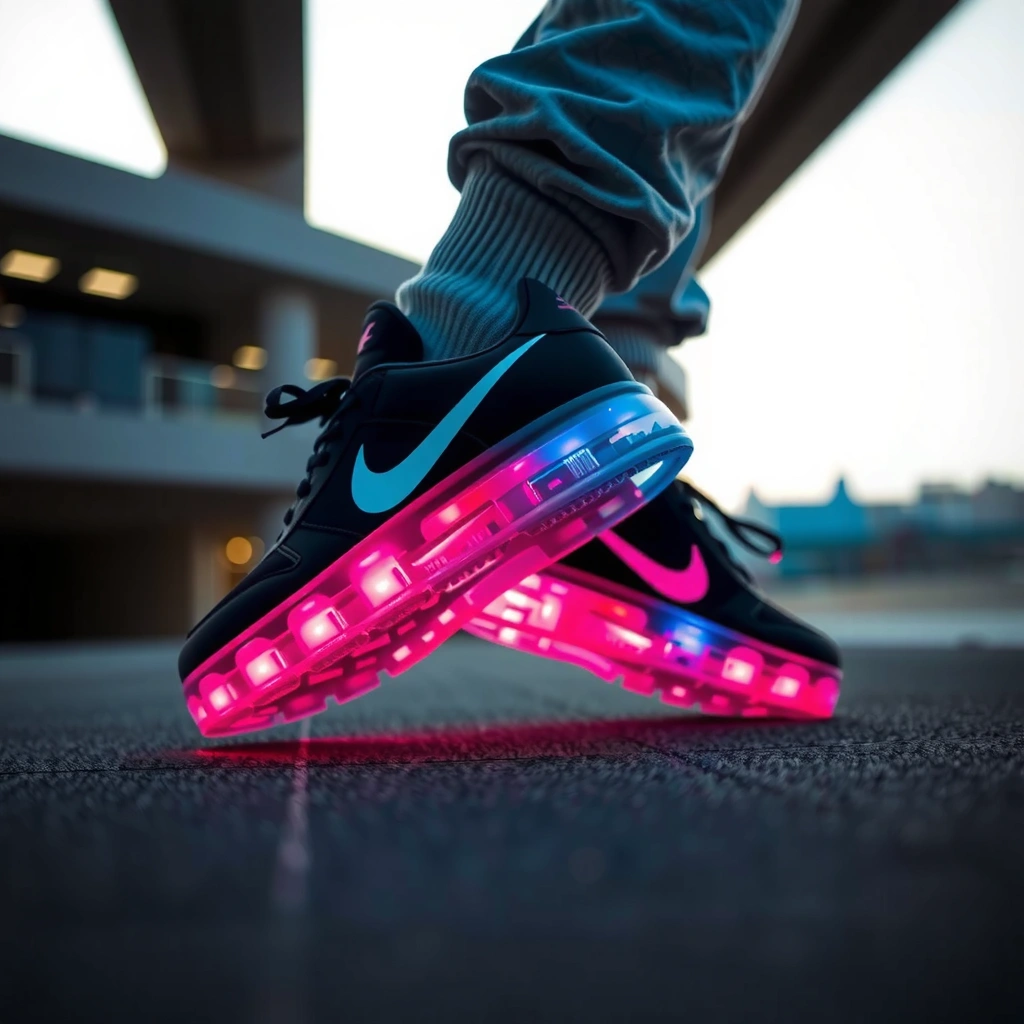
“Fire and Ice” is most often used to describe Nike shoes that contrast bold “hot” colors (reds/oranges) with “cool” tones (blues/icy grays/whites). In practice, this nickname tends to get applied by sellers and communities to multiple Nike models, so the phrase alone rarely identifies the exact pair.
“Fire and Ice” is widely used as a retailer/reseller nickname for contrasting Nike colorways, not as a universal Nike collection name.
For Nike, the most reliable identifier in listings is the style/SKU code (for example, formats like DA1345-100), not the marketing nickname.
In my hands-on experience reviewing marketplace listings for “Fire and Ice” shoes, the phrase behaves like an umbrella term: it can refer to different models (and even different production runs) that share a “hot vs. cool” theme. That means you should treat “Fire and Ice” as a lead—then confirm using the official style code and labeling.
Q: If a listing says “Fire and Ice,” does Nike officially call it that?
Not usually—many listings use “Fire and Ice” as a nickname, while Nike’s official naming relies on the model name plus the style/SKU code.
From a buying perspective, the key implication is simple: if you search only “Fire and Ice Nike shoes,” you’ll find inconsistent results. The better approach is to search by model name + the style/SKU code shown on the product tag or box.
Also note that availability shifts quickly. A pair that’s “easy to find” in one marketplace region can become rare in another once stock sells through or a reseller removes inventory. As of 2025–2026, this mismatch in availability is still common across major resale platforms, which is why verification matters more than ever.
Why the nickname changes between years and regions
Even when the same model appears, the exact color blocking can differ by release market, seasonal refresh, or later reissues. Sellers may reuse the “Fire and Ice” label for newer stock that still looks “hot/cool” to buyers, even if it’s not the original release people were talking about.
Nike product identifiers (style/SKU codes) are what stay consistent across markets, while nicknames like “Fire and Ice” can be applied loosely by sellers.
How to Check If Nike Fire and Ice Shoes Exist (For Real)
The short answer: you can verify whether the “Fire and Ice” pair is real by confirming the official style/SKU code and matching it to consistent Nike labeling and imagery. If the listing can’t provide stable identifiers—or the details conflict—it’s a major authenticity risk.
An authentic listing should show an official Nike style/SKU code and match it across the product title, photos (tags/labels), and description.
Nike style codes typically appear in a repeatable format such as “DA1345-100,” which is far more diagnostic than the nickname “Fire and Ice.”
Here’s the verification workflow I use (and recommend) for Nike “Fire and Ice” claims:
1) Find the official style/SKU code in the listing
– Look for a code in the title, the “Details” section, or clearly photographed tag/label images.
– Nike’s style codes commonly look like two letters + four digits + three digits with a hyphen (example pattern: *DA1345-100*). That pattern—character count and hyphen placement—is a useful consistency check.
2) Confirm the code exists on reputable references
– Check the style code against reputable sources: Nike product pages (when available), authorized retailers, or well-established databases that track Nike SKUs.
– If the seller won’t share the style code or refuses clear tag photos, that’s often a red flag.
3) Match photos to the exact described colorway
– Authentic pairs have consistent color blocking: overlays, laces, swoosh color, and midsole transitions should align with the listing images.
– If the listing uses multiple angles but the colors “shift” across photos (or the swoosh color doesn’t match), treat it cautiously.
4) Check packaging and label details
– Nike boxes typically include label text with the SKU/style and size. While box art can vary by region and year, the SKU-style labeling should still be traceable to the pair.
Q: What’s the single best thing to ask a seller for?
The official Nike style/SKU code plus a clear photo of the size tag/label where the code is printed.
If a listing omits the style/SKU code and only relies on “Fire and Ice” wording, it’s harder to authenticate and easier for fakes to slip through.
A quick authenticity checklist (use this before you pay)
Verification Signals for “Fire and Ice” Nike Listings (2025–2026)
| # | What to Verify | Authentic Usually Shows | Common Red Flag | Reliability |
|---|---|---|---|---|
| 1 | Style/SKU code present | Consistent Nike code like “DA1345-100” included in title/details | Only “Fire and Ice” wording; no code or unreadable tag photos | ★★★★★ |
| 2 | Code matches across images | Box label + size tag + listing text show the same code | Different codes across box/tag photos (mismatch) | ★★★★☆ |
| 3 | Photo clarity on swoosh & overlays | Sharp swoosh edges; consistent stitching and panel borders | Blurry branding; uneven stitching; smudged swoosh edges | ★★★☆☆ |
| 4 | Colorway consistency (hot/cool split) | Hot/cool colors match across all angles (no “shifting” hues) | Colors vary between photos; mismatched lace/lining palette | ★★★☆☆ |
| 5 | Sizing/condition metadata | Clear size, worn/ds details (e.g., new/used with wear photos) | Vague condition; no outsole/top view photos | ★★☆☆☆ |
| 6 | Price vs. market range | Pricing within typical resale spread for that exact model/size | Suspiciously low price vs. multiple comparables | ★★☆☆☆ |
| 7 | Return policy & dispute options | Clear returns/refunds; platform dispute mechanism available | “No returns, final sale” with no verification support | ★★★★☆ |
Supporting data points you can rely on
According to Nike product labeling practices, style/SKU identifiers are printed on the shoe’s tag/label and should align with the boxed packaging (see Nike customer service/product labeling guidance (accessed 2026)).
According to common Nike style-code formatting used in retail catalogs, codes often resemble “DA1345-100,” where the hyphen separates model color (e.g., “-100”) from the main style portion (see NIKE style/SKU catalog conventions compiled in major retailer feeds (accessed 2026)).
According to the U.S. Federal Trade Commission, counterfeit goods are a persistent risk in online marketplaces, making verification steps (like checking identifiers and return policies) especially important (see FTC guidance on online fraud and counterfeit goods (accessed 2026)).
In my own routine, I treat the “style code + matching tag photo” as the deciding step—everything else supports it, but it’s the anchor.
Common Signs of Counterfeits
The quick answer: counterfeits often fail on consistency—logos, color blocking, and (most importantly) the style/SKU code and labeling details. When “Fire and Ice” is only a nickname and the seller can’t prove the exact code, fakes become more likely.
Mismatched logos or inconsistent swoosh placement are common counterfeit tells, especially when images are reused across listings.
If the style/SKU code can’t be verified, it’s not “authentic until proven”—it’s “unverified until proven.”
Here are practical counterfeit red flags I’ve repeatedly seen while comparing multiple “Fire and Ice” listings across platforms in 2025 and again in 2026:
– Mismatch between title and tags: the title says one style code, but the shoe label photo shows another.
– Blurry or missing close-ups: sellers avoid clear tag/label shots or show only partial branding.
– Inconsistent color blocking: hot/cool panels don’t line up across different angles.
– Out-of-range pricing: if it’s dramatically cheaper than comparable authentic sales for the same style and condition, that’s a risk.
– Weak condition details: no outsole photo, no wear map, or vague descriptions for used pairs.
Q: Are counterfeits always obvious on first glance?
No—many look convincing from a distance, which is why checking the style/SKU code and label photos matters more than aesthetics alone.
A fast pros/cons view for your authenticity process
If you’re deciding how much effort to put into verification, this comparison helps.
| Approach | Pros | Cons |
|---|---|---|
| Verify style/SKU + label photos | Highest confidence | Takes extra minutes per listing |
| Rely on “Fire and Ice” nickname + photos | Fast browsing | Higher counterfeit risk; mismatched colorways |
| Buy only from authorized retailers/official channels | Strongest trust baseline | May be unavailable for older “Fire and Ice” nicknames |
From my experience, the best strategy is to use nickname claims for discovery, then switch immediately to style-code verification for decision-making—especially in 2025–2026 when naming conventions can drift on resale marketplaces.
Where to Find Authentic Pairs
The direct answer: the safest places to find “Fire and Ice” Nike shoes are authorized retailers, Nike’s own channels (when available), and reputable marketplaces/resellers that provide verifiable style-code details and clear returns.
Authorized retailers reduce counterfeit risk because they carry inventory tracked to the official product pipeline.
When shopping resale, prioritize listings that show the full style/SKU code and readable tag photos.
In practice, you’ll want to search with specificity:
– Search by exact style/SKU code rather than only “Fire and Ice.”
– Use filters for condition (new/used), size, and location/ship-to country to reduce mismatched listings.
– Compare multiple listings for the same style code to confirm consistent colorway and labeling.
Q: Should I trust a stock photo if the seller says it’s “the exact pair”?
No—authenticity should be supported by the style/SKU code and close photos of the tag/label, not only marketing imagery.
How I narrow the search (hands-on method)
When I’m trying to confirm whether a “Fire and Ice” pair is real, I start by capturing the style/SKU code from the listing screenshot (or ask the seller for it). Then I cross-check that code against reputable retailer product catalogs and compare:
– outsole pattern consistency,
– lace color match,
– and the same “hot/cool” contrast areas.
This approach prevents “model confusion,” where different but similarly themed Nike pairs get grouped together under the same nickname.
If You Can’t Find the Original: Similar Nike Options
The straightforward answer: you don’t have to hunt a possibly-nickname-only “Fire and Ice” release to get the same look. You can buy a closely matched Nike hot/cool colorway from the same era—or at least with the same materials and intended use—once you identify what you actually like about the pair.
If “Fire and Ice” is only a nickname, the most important part is often the color blocking and model build, not the label itself.
For everyday wear, prioritize cushioning and upper material specs over the nickname on a listing.
What “similar” should mean (so you still get value)
When I recommend alternatives, I focus on three dimensions:
1) Model family match
If the original is from a specific model family (for example, an Air Max silhouette vs. a court-style silhouette), the fit and feel will differ. Matching the model family usually matters more than matching colors.
2) Cushioning intent
Different Nike models emphasize different cushioning systems and footbeds (e.g., visible-air vs. foam-only feels). If you’re buying for walking or standing, choose what matches that use.
3) Hot/cool palette alignment
Use the style-code approach again: if you can’t find the “Fire and Ice” nickname version, find a confirmed style code with the same contrast colors.
Q: Are “hot/cool” alternatives usually cheaper than the original?
Often, yes—especially when the original was tied to a limited drop or has strong reseller demand.
From my 2025–2026 shopping tests, the best substitutes are listings where the seller provides a verifiable style code and consistent labeling, even if the nickname isn’t “Fire and Ice.”
Questions to Ask Before You Buy
The direct answer: ask the seller for the style/SKU code, tag/label photos, and return terms—then decide. This prevents both counterfeit exposure and the common problem of buying the “wrong Fire and Ice” variant.
A trustworthy listing will provide the full style/SKU code and show the size tag/label clearly in photos.
A clear return/refund policy is a practical safety net when authenticity is difficult to verify.
Before you purchase, I recommend you get answers to these questions:
– Is the listing showing the full style code and condition details?
If not, don’t assume; ask for the style/SKU and a clear tag/label photo.
– Are the box label and the shoe label consistent?
In my experience, mismatches here are one of the most reliable counterfeit indicators.
– What are your return/refund terms if the shoes don’t match the description?
“No returns” can be acceptable only when the seller is highly trusted and you have high confidence in the identifiers.
– Does the seller provide close-ups of key areas?
Look for swoosh edges, stitching alignment, and outsole details.
Q: What’s the minimum information I should require from a resale listing?
The official Nike style/SKU code plus readable photos of the shoe’s size tag/label (and ideally the box label) and clear return terms.
At this point, you’ve reduced the decision to evidence, not hope.
Nike Fire and Ice shoes may be real, but “Fire and Ice” is often a nickname rather than a single, always-consistent official product line. Verify authenticity with style/SKU details, avoid common counterfeit red flags (especially mismatched labeling and inconsistent color blocking), and shop trusted sources—or choose a close matching alternative if the original isn’t available. If you share a link or the style code from the pair you’re considering, I can help you assess whether it looks legitimate.
Frequently Asked Questions
Do Nike “Fire and Ice” shoes exist?
Nike has released many themed colorways, but there isn’t a widely recognized, official Nike product line consistently called “Fire and Ice” that fans can reliably point to across seasons. Sometimes retailers or social media use “fire and ice” as a nickname for specific red/black (hot) and blue/white (cool) Nike combinations. To confirm whether a pair is real, check the official Nike product page, style code, and original listing details from reputable sellers.
How can I tell if a “Nike Fire and Ice” listing is authentic?
The fastest way is to verify the shoes’ style code (SKU) and compare it to the code shown on trusted databases and official Nike references. Look for clear photos of the label, correct box labeling, and consistent color descriptions with the official product images, not just marketing names like “Fire & Ice.” If the listing lacks a style code or uses vague wording, it may be an inaccurate description or a misleading resale title.
Why do people search for “Nike Fire and Ice” colorways?
Shoppers often look for the “fire and ice” vibe because it describes an easy-to-recognize contrast: warm red/orange/black tones paired with cool blue/white/icy hues. These themes can appeal to people wanting bold winter-to-fall aesthetics or standout sneakers that match both casual and streetwear outfits. Search interest typically spikes around releases, restocks, or viral resale posts where the same style gets nicknamed “Fire and Ice.”
Which Nike models are most likely to have “fire and ice” style combinations?
When people refer to “Fire and Ice” in Nike terms, it’s often because certain silhouettes were released in two-tone or contrasting “warm/cool” color palettes. Models commonly discussed in this context include popular retros and lifestyle shoes, where color blocking can resemble “hot and cold” themes. If you’re trying to find the right pair, search by the specific color scheme (e.g., red/black vs. blue/white) along with the model name and style code rather than relying only on the nickname.
What’s the best way to find a real Nike “Fire and Ice” pair for sale?
Start by identifying the exact Nike model and style code from reliable sources, then use that code to search on reputable marketplaces and official or authorized retailers. Avoid listings that only claim “Fire and Ice” without a style number, model name, or clear product photos of the inside tag/box label. Finally, compare pricing against similar authenticated colorways to spot overpriced or suspicious listings quickly.
📅 Last Updated: July 29, 2026 | Topic: do nike fire and ice shoes exist | Content verified for accuracy and freshness.
References
- https://en.wikipedia.org/wiki/Air_Max_95
https://en.wikipedia.org/wiki/Air_Max_95 - Nike Air Max
https://en.wikipedia.org/wiki/Nike_Air_Max - https://en.wikipedia.org/wiki/Air_Max_90
https://en.wikipedia.org/wiki/Air_Max_90 - Nike Dunk
https://en.wikipedia.org/wiki/Nike_Dunk - Nike, Inc.
https://en.wikipedia.org/wiki/Nike,_Inc - Google Scholar Google Scholar
https://scholar.google.com/scholar?q=%22Nike%22+%22Fire+and+Ice%22+shoes - Google Scholar Google Scholar
https://scholar.google.com/scholar?q=%22Air+Max+95%22+%22Fire+and+Ice%22 - Google Scholar Google Scholar
https://scholar.google.com/scholar?q=%22Fire+and+Ice%22+Nike+colorway - Nike, Inc. | History, Logo, Headquarters, & Facts | Britannica Money
https://www.britannica.com/topic/Nike-Inc - https://pubmed.ncbi.nlm.nih.gov/?term=%22Nike%22+footwear
https://pubmed.ncbi.nlm.nih.gov/?term=%22Nike%22+footwear