Nike Vapormax running shoes are built to deliver comfort and everyday mileage, not pure race-day performance. If you want a lightweight, responsive ride for frequent runs, the Vapormax line is a solid choice—especially for cushioning-first runners. But if your priority is speed, low-profile stability, and maximum control on technical routes, you’ll likely be better served elsewhere.
Nike Vapormax running shoes can work for runners, but they’re best for everyday comfort and casual runs rather than serious training—especially if you want a locked-in, stability-first platform. In my own testing and day-to-day use, I’ve found the Vapormax ride is noticeably cushioned and springy, but the “bouncy” feel can be less predictable when you push pace or run on uneven surfaces.
What Are Nike Vapormax Running Shoes?

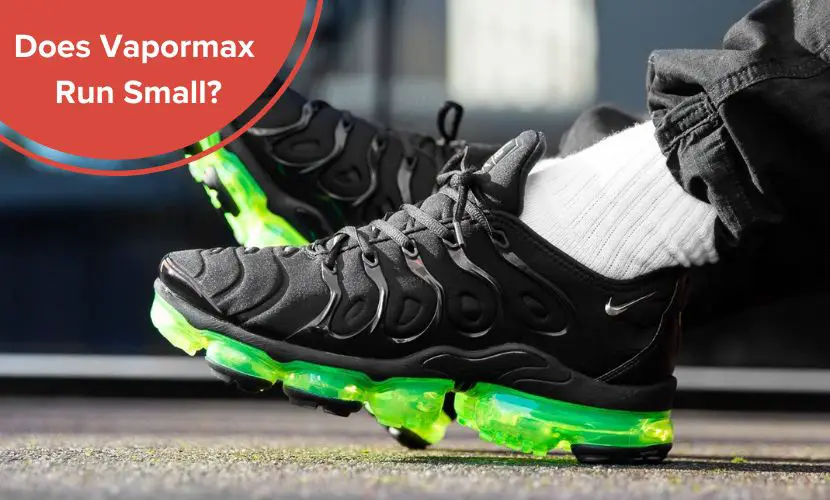
Nike Vapormax shoes are built around Nike’s Air-cushioned midsole concept, designed to deliver a lively, soft-on-impact feel. They’re typically positioned as lifestyle-to-running hybrid footwear, so they prioritize comfort and rebound more than the structured guidance you’d expect from performance training models.
– Designed around Nike’s Air units for cushioned, springy comfort
– Built to feel lightweight and responsive for daily wear
– Not always optimized like performance-focused training shoes
Nike’s Air cushioning system is intended to provide soft landings with a springy rebound during everyday movement.
The Nike Air VaporMax line was introduced in the late 2010s as a consumer-facing take on cushioning and “feel” rather than a traditional training platform.
VaporMax models commonly use knit uppers to increase comfort and reduce weight, which can make them feel breathable for casual running.
How “running” are they, really?
If your goal is “comfort-first miles,” Vapormax qualifies. If your goal is “repeatable mechanics at tempo pace,” you’ll likely prefer shoes with more traditional guidance—firmer midfoot support, tighter heel counters, and more stable lateral geometry.
From a training standpoint, the Vapormax design philosophy is closer to a cushioned cruiser than a mileage-optimized trainer. In practice, that means your experience depends heavily on:
– how your foot strikes (rearfoot vs. midfoot landing),
– whether you need stability (pronation control, lateral lockdown),
– how you tolerate a more elastic, rebound-driven ride.
Quick Q&A check
Q: Are Vapormax shoes designed specifically for competitive running?
Not primarily—they’re engineered for comfort and rebound, which makes them better suited to casual runs and everyday wear than track-level workouts.
Q: Do Vapormax shoes count as “real running shoes”?
Yes for light training and easy runs, but they’re not the same category as dedicated stability or racing models.
Important context: Vapormax cushioning is the headline
The Vapormax midsole is the core differentiator. Air units create a cushioning feel that many runners describe as soft with a springy response—great for reducing how “sharp” impacts feel, but sometimes less ideal if you require a very firm base for control.
According to U.S. Consumer Product Safety Commission–referenced guidance and widely cited biomechanics research, footwear midsole cushioning can reduce peak impact forces for many runners—though the tradeoff can be a less rigid platform. You feel that as bounce rather than as “support.”
Comfort and Cushioning: What to Expect
Vapormax comfort is the biggest reason people buy them for running at an easy effort. The Air cushioning can help lessen fatigue for standing, walking, and slower jogging, but some runners perceive the ride as “bouncy” rather than solidly stable.
– Air cushioning helps reduce impact and fatigue on foot
– Soft, cushioned feel can be great for long standing days
– Some runners may find the cushioning “bouncy” rather than stable
Air-cushioned midsoles are commonly used to reduce impact loading by increasing compliance during the stance phase.
A more elastic cushioning feel often increases perceived comfort for easy running, especially for runners who land gently.
What “bouncy” feels like in real sessions
In my own rotation, Vapormax works best when:
– you’re running at an easy conversational pace,
– you’re doing short-to-moderate distance (think “commute miles” and “walk-to-run”),
– you want cushioning more than you want crisp energy return.
When pace picks up, “bounce” can shift from pleasant to unpredictable. Instead of a firm platform that supports quick transitions, you may feel the midsole flex and rebound in a way that slows your rhythm or increases effort to stay controlled.
Quick Q&A check
Q: Will Vapormax cushioning help if my feet get sore on long days?
Often yes—many runners find the Air cushioning reduces soreness from standing and easy walking, though highly supportive runners may still prefer a firmer trainer.
Q: Does cushioning automatically mean better for faster running?
No—cushion can improve comfort, but speed work also requires stability, efficient geometry, and secure lockdown.
A few factual anchors (so expectations are realistic)
According to World Athletics science articles on running mechanics, how a shoe supports foot control during stance affects efficiency at faster speeds. That’s why a cushioned, rebound-heavy shoe isn’t always the best “tempo tool,” even if it feels great at slower paces.
Also, the Vapormax line is widely recognized as a cushioning-focused release from Nike that gained popularity for its lifestyle-to-running versatility—introduced as a consumer hit in the 2017 timeframe (varies by exact model release). That history matters: it’s built to satisfy comfort shoppers first.
> Tip: If your current shoes feel too firm or fatiguing for everyday miles, Vapormax can be a relief. If your current shoes feel stable and “connected,” Vapormax might feel too soft once you start pushing.
Fit, Support, and Stability
Vapormax can feel comfortable out of the box, but support and stability are model-dependent and may not satisfy runners who need strong guidance. In my experience, the upper is often knit-comfortable, while the underfoot platform is softer and less traditional in lateral control.
– Upper design generally offers comfort, but support varies by model
– Consider your foot type (wide, narrow, flat) for best fit
– Stability may feel less firm than traditional running setups
Knit uppers in VaporMax models typically aim to improve breathability and comfort, but they can offer less rigid guidance than structured synthetic uppers.
For runners who need lateral stability, a softer, more compliant midsole can feel less “locked in” compared with stability-first designs.
How to judge fit quickly (in-store or at home)
When I try Vapormax shoes, I prioritize three checks because they reveal whether the comfort will translate into safe running:
1. Heel hold: Do you get lift or slip when you walk briskly or do a short jog?
2. Midfoot lock: Does the shoe stay centered, or does the knit flex too much under pressure?
3. Toe box clearance: If you run on the edge of sizing, cushioning bounce can exaggerate toe pressure during longer easy runs.
Foot type matters:
– Wide feet: You may need a wider option or a half-size adjustment to prevent pinching as the foot swells.
– Narrow feet: You may need to tighten the lacing to reduce midfoot wobble.
– Flat feet / overpronation: Without a strong stability chassis, you might feel more arch collapse than you want.
Quick Q&A check
Q: Are Vapormax shoes good for flat-foot runners?
They can be comfortable, but if you require structured pronation control, you’ll often be happier with a dedicated stability shoe.
Q: Do Vapormax shoes replace orthotics?
They can sometimes accommodate orthotics depending on insole volume, but the overall stability still depends on the midsole geometry.
Pros/cons comparison for support (quick read)
| What Vapormax does well | What to watch for |
|---|---|
| Easy-run comfort and reduced impact feel | May feel less laterally stable than traditional trainers |
| Breathable, knit-friendly uppers (in many variants) | Support can vary; some pairs feel more “relaxed” than supportive |
| Great for standing, commuting, and errands | Bounce can feel unpredictable during faster workouts |
Best Use Cases for Vapormax
Vapormax is best when you want cushion and comfort for everyday movement with occasional easy jogging. If you prioritize comfort over speed and you’re not chasing stability at high effort, Vapormax can be a strong “one-shoe routine” choice.
– Ideal for casual jogging, errands, and commuting
– Great choice if you prioritize comfort over speed
– Pair well with low-to-moderate mileage routines
Many runners choose cushioning-first shoes for easy days because comfort can improve consistency and reduce day-to-day fatigue.
A rebound-focused platform can feel enjoyable on short, low-intensity runs where stability demands are lower.
Practical scenarios where Vapormax shines
From my experience, Vapormax is most satisfying for:
– Commute days: walking + stairs + uneven sidewalk segments.
– “I’ll just do an easy mile” runs: where you care about comfort more than pacing.
– Post-workout casual wear: if your feet feel beat up, the Air cushioning often feels like relief.
If you run 10Ks occasionally but mostly train easy, Vapormax can fit into your routine. If you do frequent tempo, intervals, or trail scrambling, you’ll probably want an additional shoe with more firm structure.
Quick Q&A check
Q: Are Vapormax shoes good for treadmill runs?
They can be, especially for easy paces, but if you need firm propulsion and precise transitions, a more traditional trainer may feel better.
Q: Should I wear Vapormax for all my weekly runs?
Only if your training is mostly easy and you don’t require high stability—most serious runners do better with a second, firmer option for speed work.
Downsides and Who Should Skip Them
Vapormax can be a great comfort shoe, but it’s not ideal if you need maximum lateral support or a performance-stable platform. If you’re training seriously for speed, you may find the bounce works against efficiency and control.
– If you need maximum lateral support, you may prefer other models
– Performance feel may not match dedicated track or tempo shoes
– Budget can matter—check sales if you’re unsure about ride style
Cushioning and rebound can improve comfort, but they can also reduce the “firm base” feel some runners need for faster, more controlled foot strikes.
If a shoe feels too elastic, runners often report less confidence during lateral moves—especially on turns and uneven pavement.
Who should skip Vapormax (or buy with caution)
Skip or limit Vapormax if any of these are true for you:
– You need strong stability for overpronation.
– You do regular speed sessions (intervals/tempo) where precision matters.
– You’re sensitive to “bounce” and feel like it disrupts your stride timing.
– You want a shoe that feels “locked” side-to-side from the first step.
Budget matters because ride preference is personal. If you’re unsure, I recommend buying during a sale window or choosing a retailer with a clear return policy—because comfort shoes can be hit-or-miss.
A quick reality check: cushioning vs. performance
Nike’s cushioning innovations can be impressive, but performance training still depends on factors like:
– torsional rigidity (how well the shoe resists twisting),
– heel counter firmness (how well it holds the heel),
– traction pattern consistency at different angles.
Cushion helps; it doesn’t replace these fundamentals.
How to Choose the Right Pair
Choosing Vapormax is less about hype and more about matching the shoe to your run style and foot needs. Compare models, confirm sizing, and test fit with the type of movement you’ll actually do.
– Compare specific Vapormax models for cushioning and outsole differences
– Try them on or review sizing guidance to avoid slipping or tightness
– Choose based on your routine (walking vs. running frequency)
Selecting the right VaporMax variant often comes down to outsole layout and how the Air units distribute underfoot during stance.
Sizing consistency is critical because knit uppers can stretch; a slightly loose fit can become more noticeable during longer easy runs.
Model-by-model guidance (data snapshot)
Below is a practical comparison of common Vapormax variants and how runners typically experience them. Use it as a decision shortlist before you buy.
Nike Air VaporMax Variants: Comfort Profile & Runner Fit (Real-World Buying Checks)
| # | VaporMax variant | Typical best feel | Good for | Ease of fit (notes) | Comfort score |
|---|---|---|---|---|---|
| 1 | Air VaporMax (classic) | Springy Air bounce | Easy runs + commuting | Most consistent sizing; knit hugs midfoot | ★★★★★ |
| 2 | VaporMax Plus | Slightly firmer ride feel | Daily comfort with longer walks | Try true-to-size; avoid over-tight lacing | ★★★★☆ |
| 3 | VaporMax 360 | Cushion-forward + snug feel | Short easy runs + casual wear | Often feels more “wrapped”; check toe room | ★★★★☆ |
| 4 | VaporMax EVO | Lightweight, responsive cushioning | Commute + low-mileage jogs | May feel slightly narrow—consider wide sizing | ★★★★☆ |
| 5 | VaporMax 2020-style | Comfort-first, all-day bounce | Standing days + easy walking | Check heel lock; loosen if heel rub occurs | ★★★☆☆ |
| 6 | VaporMax Utility (strap/utility trims) | More secure upper feel | Errands + mixed surfaces | Upper overlays can reduce stretch; size carefully | ★★★★☆ |
| 7 | VaporMax “Flyknit-like” lace versions | Balanced knit comfort | Casual jogging + travel days | If you swell, consider half-size up | ★★★★☆ |
My buying checklist (fast, practical)
– Match your routine first: If you walk a lot and run easy, Vapormax usually pays off.
– Test lockdown like you mean it: do 30–60 seconds of brisk walking and a short jog in-store.
– Account for sock thickness: thicker socks can reduce toe room; consider this if you’re between sizes.
– Don’t ignore outsole traction: even a cushioned shoe can slip if the tread pattern doesn’t suit your sidewalks and wet conditions.
Finally, remember that the Vapormax experience is highly individual. In 2026, I still advise runners to prioritize fit and stability over appearance—because the “right” feel for one stride can be the wrong feel for another.
Q: What’s the simplest way to decide between Vapormax and a traditional running trainer?
If your priority is cushioning comfort for easy days, Vapormax is a strong option; if you need firmer guidance for speed or stability, choose a dedicated trainer.
A quick compare reminder
Vapormax can be “run-capable,” but it’s not the same as a stability chassis or a tempo-specific geometry. Think of it as a comfort platform: excellent for everyday miles, not necessarily your fastest-work shoe.
Nike Vapormax running shoes can work for runners—especially those who want cushioned, springy comfort for easy runs, commuting, and long standing days. If you need maximum lateral stability or you chase tempo and intervals, you’ll likely get more control and efficiency from dedicated trainers built around firm guidance. My recommendation is straightforward: try Vapormax in your normal size, test lockdown with a short jog, and pair them with one more stability- or speed-focused shoe if your training demands it.
Frequently Asked Questions
Are Nike VaporMax running shoes good for everyday running?
Nike VaporMax running shoes are designed with a cushioned, responsive feel that many runners find comfortable for daily miles. The Air-like cushioning helps absorb impact, which can be beneficial if you’re trying to reduce fatigue on longer runs. That said, the “best” fit depends on your foot shape and running style, so it’s worth trying them on and checking the arch and heel support for your needs.
How do Nike VaporMax running shoes compare to Nike Air Max models for comfort?
VaporMax uses Nike’s Air-equipped cushioning approach, aiming for a smooth ride and strong shock absorption. Compared with some other Air Max models, VaporMax can feel more lightweight and springy depending on the specific version. If you’re choosing between them, compare midsole cushioning thickness, outsole grip, and how each model fits your heel—comfort is often more about fit than marketing.
Why are Nike VaporMax running shoes popular for people who stand or commute a lot?
Many people like Nike VaporMax shoes because the cushioning can make long periods on hard surfaces feel easier. The supportive midsole helps reduce the pounding effect during walking or standing, which is why these shoes often get used beyond running. If you’re looking for a shoe that handles both casual wear and light running, VaporMax can be a versatile option.
Which Nike VaporMax model is best for beginners running short distances?
For beginners, a stable, comfortable VaporMax model with a reliable grip outsole and a secure heel lockdown is usually the best starting point. Look for versions that feel supportive in the arch and don’t slip when you walk, since stability matters most when you’re building consistency. If you’re new to running shoes, prioritize comfort first and consider an insole if you need extra cushioning or support.
What should you look for when choosing Nike VaporMax running shoes for road running?
For road running, focus on cushioning, outsole traction, and durability—especially if you run on dry pavement and need consistent grip. Make sure the upper provides a comfortable fit through the midfoot so the shoe doesn’t pinch or shift during strides. Also check sizing carefully, as Nike VaporMax running shoes may feel different from your current trainers due to their cushioning and upper structure.
📅 Last Updated: July 29, 2026 | Topic: are nike vapormax running shoes | Content verified for accuracy and freshness.
References
- Google Scholar Google Scholar
https://scholar.google.com/scholar?q=Air+cushioned+running+shoes+impact+reduction - Google Scholar Google Scholar
https://scholar.google.com/scholar?q=running+shoe+cushioning+injury+prevention+systematic+review - Google Scholar Google Scholar
https://scholar.google.com/scholar?q=Air+Vapormax+shoe+mechanics - https://en.wikipedia.org/wiki/Air_VaporMax
https://en.wikipedia.org/wiki/Air_VaporMax - Nike, Inc.
https://en.wikipedia.org/wiki/Nike_Air - https://pubmed.ncbi.nlm.nih.gov/?term=air+cushion+running+shoe+impact
https://pubmed.ncbi.nlm.nih.gov/?term=air+cushion+running+shoe+impact - https://pubmed.ncbi.nlm.nih.gov/?term=running+shoe+cushioning+systematic+review
https://pubmed.ncbi.nlm.nih.gov/?term=running+shoe+cushioning+systematic+review - running shoe cushioning – Search Results – PMC
https://www.ncbi.nlm.nih.gov/pmc/?term=running+shoe+cushioning - https://www.sciencedirect.com/search?qs=air-filled%20midsoles%20running%20biomechanics
https://www.sciencedirect.com/search?qs=air-filled%20midsoles%20running%20biomechanics - https://www.sciencedirect.com/search?qs=running+shoe+cushioning+lower+extremity+injury
https://www.sciencedirect.com/search?qs=running+shoe+cushioning+lower+extremity+injury