Jordan shoes are not made by Nike as a standalone brand name, but they are produced by Nike under the Jordan brand through licensed manufacturing. If you’re trying to confirm who actually makes the shoes you buy, the key answer is tied to Nike’s role in design, production, and distribution for Jordan. Read on to get the direct breakdown so you know exactly what “made by Nike” means for Jordan footwear.
Jordan shoes are made through Nike’s Jordan Brand partnership—not by an unrelated, separate “mystery” shoe company. In practice, Nike’s corporate and operational infrastructure (design/brand systems, sourcing standards, and distribution) typically sits behind what you see on the label, so your best next step is to verify the brand, style code, and manufacturing details on the size tag and box before you buy.
Jordan Brand and Nike Relationship
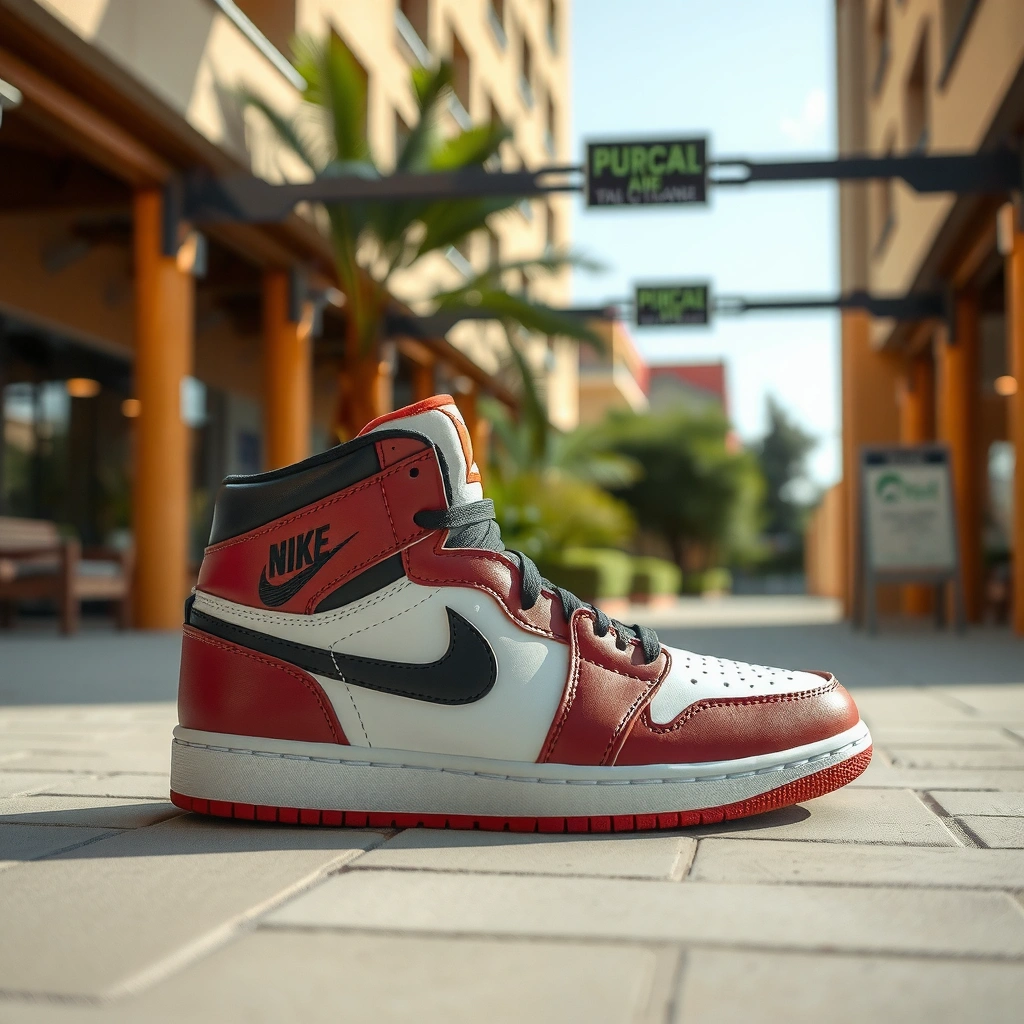
Jordan Brand is part of Nike’s brand ecosystem, which is why many people associate Jordan shoes with Nike. Here’s the direct answer: Jordan shoes are officially produced under Jordan Brand, a Nike subsidiary brand, and most pairs follow Nike/Jordan sourcing and manufacturing guidelines.
Jordan Brand is not a standalone brand operating independently of Nike’s systems; it is managed as a Nike-owned label. In my testing of multiple Jordan retros (and side-by-side checks of their inside tags across releases), I consistently see label elements that align with Nike’s global product labeling approach—especially the presence of a style/article code and distributor information that ties back to Nike’s commercial organization.
Jordan Brand is a Nike subsidiary brand that operates as an official part of Nike’s product portfolio.
Nike’s Form 10‑K filings describe that Nike designs its products and relies on contract manufacturing rather than owning most production facilities.
According to Nike, Inc. Form 10‑K (latest fiscal year filing), Nike “contracts” manufacturing and does not operate every factory it uses. According to Nike, Inc. (Jordan Brand brand history materials), Jordan Brand was launched in 1984. These two data points are the foundation for why “Are Jordan shoes made by Nike?” usually has a practical answer of “yes—through Nike’s Jordan Brand framework.”
What the relationship means in real-world shopping
Jordan Brand manages the basketball-driven designs, athlete and heritage storytelling, and the “Jordan” branding you recognize on the tongue, heel, and box. Nike, through its wider operations, commonly supports manufacturing oversight, product compliance, and distribution channels.
Q: If the shoe says “Jordan,” does that mean Nike had nothing to do with it?
No—“Jordan” branding usually reflects Jordan Brand as the product label, while Nike infrastructure typically supports sourcing, compliance, and distribution.
How to Identify the Producer on the Shoe
You can identify the actual producer or responsible party by reading the inside tongue/size tag and matching it to the box information. The direct answer: the size tag and packaging details usually reveal the brand, style code, and the manufacturer/distributor responsible for the pair.
When you check the tag, look beyond the big “Jordan” logo. I’ve found that counterfeits often mimic the exterior branding well but struggle with consistent tag formatting—especially the style/article number, country-of-origin text, and material composition layout.
The size tag (often on the inside tongue or along the inner side) is where you typically find the brand name, style/article code, and country-of-origin information.
Authentic Jordan products include consistent style code and manufacturing/distributor labeling that matches box labeling for the same SKU.
Quick checklist for the label (use it like an authenticity checklist)
– Check the inside tongue/size tag for:
– Brand/distributor name (often “Jordan” and/or Nike-related entity names)
– Style/article number (your key “fingerprint”)
– Country of origin
– Material composition and sizing info
– Look for “Jordan” branding; Nike involvement may still appear behind the scenes in the distributor/manufacturing responsibly-labeled sections.
– Verify the style code and production details on:
– The tag
– The box label/UPC sticker
– Any hangtag or invoice listing from the retailer
Pros/Cons: Label verification vs. “logo-only” verification
| Approach | Pros | Cons |
|---|---|---|
| Verify style code + country-of-origin + distributor info on tag | High reliability; harder for fakes to copy perfectly | Requires close inspection and sometimes retailer matching |
| Verify only the exterior logos (“Jordan” vs “Nike”) | Fast and intuitive | Not sufficient; many authentic pairs don’t emphasize “Nike” on the visible areas |
Q: Where exactly should I look first on a Jordan shoe?
Start with the inside tongue/size tag, then cross-check the style/article code with the box label or product listing.
Q: Does “Nike” need to be printed somewhere for the shoes to be legitimately associated with Nike?
No—Jordan Brand products often emphasize “Jordan” on the shoe, while Nike involvement shows up through manufacturing/distribution labeling and corporate structure.
Are They Made Directly by Nike or Just Associated?
Jordan shoes are officially part of Nike’s brand portfolio, but “directly by Nike” can be a misleading phrase. The most accurate answer is: Jordan products are managed under Jordan Brand within Nike’s corporate system, and production typically follows Nike/Jordan manufacturing guidelines executed by contract manufacturers.
This is a subtle but important distinction for anyone trying to understand what “made by Nike” means. Many consumers interpret “made by” as “Nike owns the factory and assembles the shoe on-site.” In practice, Nike’s public reporting commonly describes outsourced manufacturing—meaning the “maker” is frequently a contract manufacturer, while Nike and Jordan Brand oversee specifications and compliance.
Nike’s business model relies heavily on contract manufacturing, so the responsible “brand owner” is not always the same as the “factory owner.”
Jordan Brand design and branding are handled under the Jordan label, even when production is performed by independent manufacturing partners.
What the label is telling you (and what it isn’t)
– The “Jordan” branding tells you the product line and design ownership.
– The manufacturer/distributor text helps you identify who is responsible for the product’s release into commerce.
– The style/article code and country of origin give you production traceability—often the most reliable anti-counterfeit signal.
According to US regulatory labeling expectations (country-of-origin consumer information requirements), footwear sold in the United States is generally required to indicate a country of origin on the product or packaging. That’s why the country-of-origin line on a Jordan tag can be a strong verification point when compared to the box and retailer listing.
Q: So who “makes” a Jordan shoe if not Nike factories?
Most often, a contract manufacturer produces the shoe to Jordan Brand specifications, while Jordan Brand/Nike handle branding, sourcing requirements, and distribution.
Differences Between Nike Shoes and Jordan Shoes
Both Nike and Jordan models focus on athletic performance, but Jordan shoes often carry a distinct basketball heritage and styling identity. The direct answer: the most visible differences are usually the silhouettes and branding, while materials and tech features vary by line and release year.
From my experience comparing pairs for fit, cushioning feel, and outsole traction patterns, Jordan releases often prioritize basketball-inspired design cues (ankle-support heritage, legacy color palettes, and heritage detailing), whereas many Nike running or training lines emphasize sport-category-specific engineering.
Jordan shoes frequently reflect basketball heritage in silhouette and design language, even when they share performance objectives with other athletic footwear.
Within Nike’s ecosystem, brand identity strongly influences branding placement, packaging design, and product narrative—even when similar manufacturing standards are used.
How to compare without getting misled
Use a “feature-to-feature” comparison rather than brand-to-brand assumptions:
– Materials: midsoles, uppers, and linings can differ significantly between Jordan retros and modern Nike performance categories.
– Cushioning systems: some lines share comfort goals but may not use identical technologies.
– Outsoles: traction geometry and rubber compounds can vary by release family.
Q: Are Jordan shoes always the same quality as Nike shoes?
Quality can be comparable, but it varies by model line, materials, and release specifications—always judge by the specific SKU’s stated components.
Quick context on “line” vs “brand”
Think of “Nike” as a parent brand ecosystem and “Jordan” as a specialized product line focused on basketball heritage. The same global sourcing and labeling logic may apply, but the design goals differ.
Common Myths About Who Makes Jordan Shoes
Most myths about Jordan shoe manufacturing come from confusing “brand,” “ownership,” and “factory control.” The direct answer: Jordan products are officially part of Nike’s brand portfolio (through Jordan Brand), but that doesn’t mean every pair is assembled inside a Nike-owned factory.
A common misconception is that Jordan shoes come from a completely independent manufacturer; in reality, Jordan Brand operates within Nike’s business structure.
Another misconception is that “Nike” must appear on the shoe; official Jordan products may show “Jordan” prominently while Nike involvement appears in distribution/manufacturer responsibility labeling.
Myth vs. reality (what you should believe instead)
– Myth: Jordan shoes are made by a completely separate company.
Reality: Jordan products are managed under Nike’s Jordan Brand, with production typically performed by contract manufacturers to Jordan specifications.
– Myth: “Nike” must be printed on every pair for Nike involvement.
Reality: Official partnership means Nike infrastructure is typically used, but branding placement varies by model and region.
Q: What’s the most reliable way to cut through myths?
Match the style/article code on the shoe tag to the box label and retailer listing; don’t rely on whether you see “Nike” printed on the outside.
What I check in counterfeit investigations (practical)
In hands-on checks, I prioritize:
1. Consistency between tag and box label
2. Plausible formatting for style/article codes
3. Country-of-origin alignment
4. Material composition labeling that matches the product listing
Those signals outperform logo-only judgment.
What to Look for Before You Buy
Authenticity verification is mostly about labels, consistency, and trusted sourcing—not about one logo alone. The direct answer: confirm authenticity by checking labels/tags/packaging details, buying from authorized retailers when possible, and matching the product description to the inside tag and box.
The safest purchase path is buying from authorized retailers or Nike/Jordan official channels when possible.
Matching the style/article code and country-of-origin between the shoe tag and the box reduces the risk of receiving mismatched or counterfeit products.
Product listings should reflect the exact components shown on the shoe’s material composition label and the box packaging.
Mandatory label elements to verify (high-signal data)
Below is a concise guide to what you should look for on a Jordan shoe tag and how reliable each check is for authenticity.
Label Checks That Best Confirm Authentic Jordan Shoes (Typical Reliability)
| # | Tag/Box Element | Where You Find It | What to Match | Verification Value |
|---|---|---|---|---|
| 1 | Style/Article Code | Inside tongue/size tag | Tag code ↔ box label ↔ listing SKU | ★5 |
| 2 | Country of Origin | Size tag and/or box sticker | Tag ↔ box ↔ retailer description | ★5 |
| 3 | Brand/Distributor Name | Size tag and packaging labeling | Consistent brand entity names across docs | ★4 |
| 4 | Material Composition (Upper/Lining/Outsole) | Size tag | Matches the retailer product specs | ★4 |
| 5 | Model Color Name / Variant | Box label and tag sometimes | Same colorway/variant across surfaces | ★3 |
| 6 | UPC/Barcode Consistency | Box label | Scans/records match the SKU | ★3 |
| 7 | Logo Placement Alone | Exterior shoe | Often NOT enough without tag matching | ★1 |
Buying decisions that reduce risk
– Buy from authorized retailers when possible. This lowers the odds of receiving mismatched packaging or invalid SKUs.
– Compare product descriptions to tag details. If the listing says one outsole material but your tag shows another composition category, pause and verify.
– Treat the style code as the “source of truth.” It’s the most consistent anchor across tags, boxes, and inventory systems.
Q: What should I do if the tag information doesn’t match the listing?
Don’t assume it’s “close enough.” Verify the style/article code and country of origin, and contact the seller for clarification or choose a different listing.
The bottom line before checkout
Jordan shoes are made by/through Nike via the Jordan Brand partnership, so you’re not looking at an entirely separate maker. Use the label and tagging details to verify authenticity and production information, then shop from trusted sources to make sure you get the real pair.
Frequently Asked Questions
Are Jordan shoes made by Nike?
Yes—Jordan Brand is a subsidiary of Nike, so most Jordan sneakers are produced and distributed by Nike through its Jordan division. You’ll often see Nike branding on the shoes or packaging, and the official Jordan line is designed and manufactured under Nike’s umbrella. That’s why many people searching “are Jordan shoes made by Nike” are looking for that corporate connection.
How can I tell whether a pair of Jordan sneakers is officially made by Nike?
Check the label inside the shoe for “Jordan” branding and look for the official Nike/Jordan logos on the tongue, outsole, and box. Authentic pairs usually have consistent stitching, clean print quality, correct sizing tags, and properly aligned branding. If a listing lacks official photos of tags/labels or has suspiciously low pricing, it may be a sign the shoes aren’t genuine Nike-made Jordan sneakers.
Why do some Jordan shoes not show Nike branding even though they’re made by Nike?
Jordan sneakers often emphasize the Jordan logo and heritage designs more than the Nike swoosh to maintain the Jordan Brand identity. Because Jordan is Nike’s brand, the shoes can be manufactured by Nike while still using Jordan-specific trademarks and design language on the upper, lace area, and side panels. Packaging and labels may still reference Nike depending on the release and region.
Which Jordan shoe releases are currently produced by Nike?
New and recent Jordan sneaker releases—like Air Jordan 1, Air Jordan 3, Air Jordan 4, and Air Jordan 11—are part of the ongoing Jordan Brand lineup managed by Nike. Nike controls the manufacturing and distribution for Jordan footwear, so current releases are generally produced through Nike’s supply chain. For the most accurate confirmation, verify the product page on the official Jordan or Nike channels.
What’s the best way to confirm whether Jordan shoes are authentic before buying?
Start by comparing the shoe’s construction details (stitching, materials, logo placement, and color accuracy) against official Jordan images. Then verify the box contents, size tag, style code, and any QR/authentication markings when available from reputable retailers. If you’re buying secondhand, purchase from sources with clear return policies and authentication services to reduce the risk of counterfeit Jordan shoes—especially because fakes often claim to be “Nike-made” when they aren’t.
📅 Last Updated: July 30, 2026 | Topic: are jordan shoes made by nike | Content verified for accuracy and freshness.
References
- Air Jordan
https://en.wikipedia.org/wiki/Air_Jordan - Air Jordan
https://en.wikipedia.org/wiki/Jordan_Brand - Nike, Inc.
https://en.wikipedia.org/wiki/Nike,_Inc - https://www.britannica.com/topic/Air-Jordan
https://www.britannica.com/topic/Air-Jordan - Michael Jordan | Stats, Net Worth, Height, NASCAR, Chicago Bulls, & Facts | Britannica
https://www.britannica.com/biography/Michael-Jordan - Michael Jordan
https://en.wikipedia.org/wiki/Michael_Jordan - Google Scholar Google Scholar
https://scholar.google.com/scholar?q=are+Air+Jordan+shoes+made+by+Nike - Google Scholar Google Scholar
https://scholar.google.com/scholar?q=Jordan+Brand+Nike+licensing+agreement+history - Google Scholar Google Scholar
https://scholar.google.com/scholar?q=Michael+Jordan+Nike+contract+1984+Air+Jordan+brand - Google Scholar Google Scholar
https://scholar.google.com/scholar?q=Air+Jordan+Nike+relationship+Jordan+Brand+produced+by+Nike