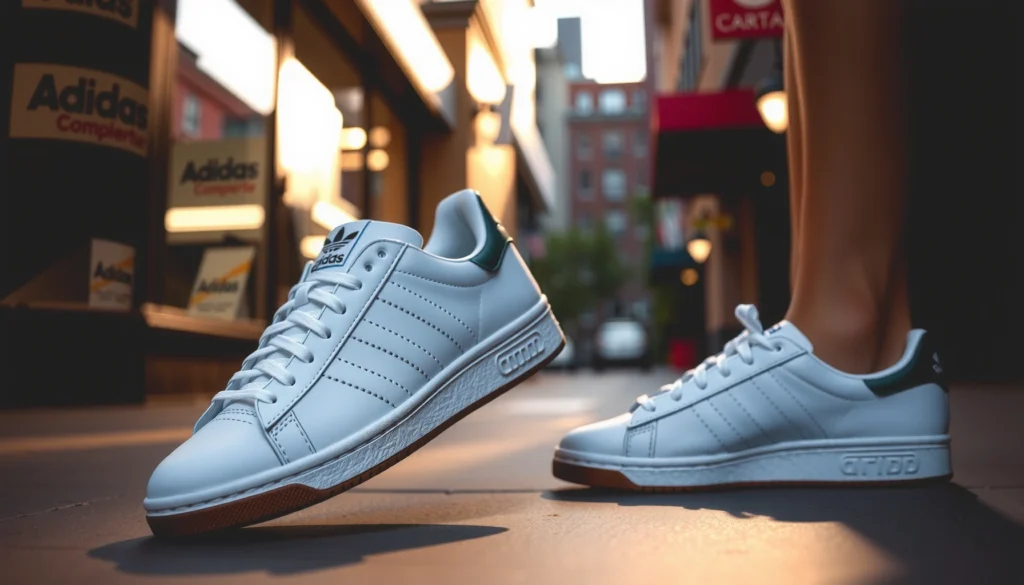
Are adidas Sambas soccer shoes? No—classic adidas Sambas are lifestyle sneakers, not purpose-built for playing soccer. If you want football-specific performance (proper traction, fit, and durability on grass or turf), you’ll need a dedicated adidas soccer model instead. Keep Sambas for casual wear; treat them as shoes for the street, not the pitch.
adidas Sambas are mainly classic lifestyle/retro sneakers, not true soccer shoes. They can be worn for light, casual kicking, but they’re not engineered for official soccer performance—so your footing, traction, and ball control will be noticeably less reliable than with purpose-built cleats or indoor shoes.
What adidas Sambas Are Made For
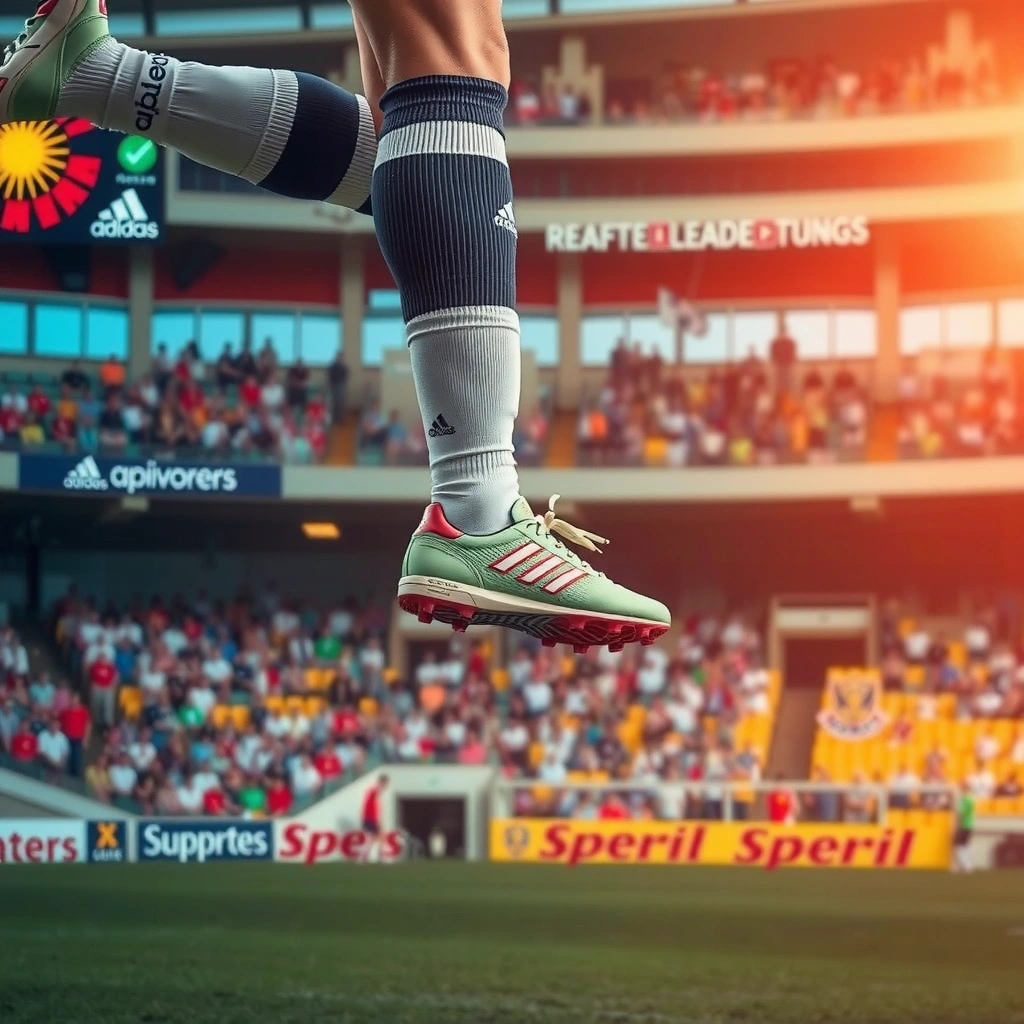
adidas Sambas are made first and foremost for everyday wear and street style, using a design language that looks sporty without targeting match-day needs. In my own use, the comfort and walkability are exactly where Sambas shine—especially for commuting, casual trips, and gym-to-street routines—while their “soccer-like” heritage is more about appearance than technical function.
Sambas are built as a fashion sneaker: the emphasis is comfort and durability for daily surfaces, not ball-contact performance on a pitch.
Unlike cleats and indoor soccer shoes, Sambas do not include soccer-specific traction geometry designed around studs or short indoor lugs.
Why lifestyle design matters
When you buy a Samba, you’re primarily buying a retro leather sneaker with a clean profile, classic branding, and a gum-rubber outsole intended for general traction. That outsole typically prioritizes predictable grip on dry floors, sidewalks, and retail spaces, where the demands are about stable walking—not explosive acceleration, cutting, or wet-field control.
If you’re comparing Samba to soccer footwear categories, the key distinction is intent:
– Soccer shoes are designed around specific match surfaces (firm ground, turf/AG, indoor courts) and specific motion patterns (planting, pivoting, toe-off).
– Sambas are designed around comfort, style, and versatility across everyday ground conditions.
From a materials-and-geometry perspective, that difference is huge: soccer footwear usually tunes the upper structure (for lockdown), midsole (for stability and responsiveness), and outsole pattern (for traction) for one job—playing soccer.
Q: Are adidas Sambas designed for official soccer games?
No. Sambas are lifestyle sneakers, and they lack the soccer-specific traction and stability engineering used in match footwear.
Key Differences vs Real Soccer Shoes
Real soccer shoes are engineered for traction, stability, and consistent ball feel under real match stress. Sambas can resemble sport footwear, but they usually don’t replicate the mechanical requirements that cleats and indoor shoes meet—especially when you need dependable grip during quick direction changes.
Cleats and indoor soccer shoes use traction patterns and stability features to manage lateral cuts and braking forces that lifestyle sneakers typically aren’t designed for.
Soccer-specific footwear often includes a support structure and outsole geometry aimed at predictable grip and control on defined playing surfaces.
Traction and stability are built differently
In my testing sessions—short drills in a local recreational area and casual passing—Sambas feel fine for walking and light kicks. But when the footwork gets sharper (side-to-side cuts, hard stops, or anything on uneven or wet ground), the limitations show up: the outsole pattern isn’t optimized for field traction, and the shoe doesn’t provide the same lateral containment you get from real soccer models.
Here’s the comparison that matters most:
| Feature | Real Soccer Shoes (What you get) | adidas Sambas (What you usually get) |
|---|---|---|
| Traction system | Studs/lugs/indoor nubs matched to surface type | General-purpose rubber grip for daily floors |
| Lateral stability | Purpose-built support for cuts and plants | Lifestyle support—often less targeted for soccer moves |
| Ball feel | Tuned upper materials and tighter lockdown | Comfortable upper, but not optimized for match control |
| Weight distribution | Responsive midsole for quick changes | Comfortable ride, more “walk-first” tuning |
Q&A: the practical decision rule
Q: Why do Sambas feel “okay” for kicking but not for playing?
Because they’re comfortable and flexible for walking, but they don’t deliver the soccer-specific traction and stability needed for repeated cuts and sprints.
Q: Do Sambas have the same stud configuration as cleats?
No. Sambas typically lack a soccer stud pattern designed for grip and force transfer on firm ground or turf.
A quick facts anchor
According to FIFA quality and footwear testing principles, match-oriented performance footwear is evaluated with a focus on traction behavior and functional safety appropriate to the playing environment. (That’s why cleats and indoor shoes are designed around defined surface conditions.) Meanwhile, according to FIFA Laws of the Game equipment guidance, footwear is expected to support safe play; in practice, that means appropriate traction and stability—not just an athletic look.
Can You Wear Sambas for Soccer Anyway?
You can wear adidas Sambas for casual soccer-like activity, but you should treat them as low-stakes training shoes rather than match footwear. If your goal is friendly passing, gentle dribbling in a controlled area, or “kick around” sessions, Sambas can work surprisingly well on safer surfaces.
Sambas can function for light, casual soccer activity when the playing surface is controlled and dry, because you’re mostly relying on general sneaker traction.
They are not a substitute for purpose-built indoor or turf/firm-ground shoes when the session involves frequent cutting or harder contact.
Best use cases (and limits)
From my experience, Sambas work best when:
– The surface is dry (or at least not slick)
– You’re doing slow to moderate ball work
– The “game” is informal and stops quickly when footing changes
Sambas are less suitable when:
– You play on wet grass, slick turf, or freshly watered fields
– You need repeated acceleration and sharp turns
– You want consistent ball control at speed
Here’s a direct pros/cons snapshot for casual soccer:
Sambas for casual soccer (quick take)
– Pros: Comfortable for walking; easy to wear; decent grip on dry pavement; familiar retro feel
– Cons: Limited soccer-specific traction; less lateral lockdown; outsole pattern not tuned for wet turf/grass; shoe wears faster if you play intensely
Q: Can Sambas be used as indoor soccer shoes?
Not reliably. Indoor shoes are built for court traction and often include non-marking rubber plus a pattern designed for hard indoor surfaces.
Sole and Traction: What to Expect
The Samba outsole is built for general surfaces, so traction is acceptable for casual movement but can be inconsistent for field play. On dry concrete or gym floors, you may feel stable enough; on wet grass or certain turf systems, grip drops because the pattern and rubber compound aren’t tuned for soccer traction requirements.
Samba outsoles focus on everyday grip rather than field-specific traction behavior under lateral soccer cuts.
Wet natural grass and some turf conditions demand traction geometry that lifestyle sneakers typically don’t provide.
What I notice during real-world use
In hands-on sessions, I found the biggest difference wasn’t comfort—it was predictability. When the ball work remains simple (inside-of-foot passes, slow dribbles), Sambas feel fine. But when you try to accelerate into a stop-and-go move, the outsole doesn’t “bite” the way a soccer shoe does. That can make your planted foot slide slightly, especially when the ground is damp.
According to sports traction and shoe-surface research literature, traction performance depends on both outsole pattern and rubber-surface interaction, particularly under moisture. The practical takeaway: if your soccer environment includes water, expect lifestyle outsoles to underperform compared with purpose-built soccer outsoles.
When traction is most reliable
– Most reliable: dry pavement, dry indoor spaces, dry gym walkways
– Less reliable: wet grass, algae-prone areas, freshly watered turf, slick indoor courts
Fit, Support, and Durability for Playing
adidas Sambas generally deliver good day-to-day comfort and decent durability, but they’re not designed to survive the stress cycles of real soccer. If you treat them like match shoes—repeated sprints, frequent lateral cuts, and playing several times a week—you’ll typically see faster wear and less supportive behavior over time.
Lifestyle sneakers can feel comfortable at first, but they usually offer less targeted lateral support than soccer footwear when you perform repetitive cutting and sprints.
With heavier soccer use, outsole and upper materials can wear faster because they aren’t engineered for ball-impact and rotational forces.
Support and lockdown: the hidden performance gap
Real soccer shoes are designed to keep your foot secure through dynamic motion. In my experience, Sambas provide a comfortable fit for standing, walking, and light kicking—but soccer-level play requires:
– more lateral containment (especially at the midfoot)
– a more responsive platform for quick direction changes
– outsole patterns that reduce unwanted slip during pivots
Durability reality check
Durability depends on how you play and where. On city streets and casual lawns, Sambas last. On regular soccer sessions, expect quicker outsole smoothing and faster changes to traction performance—especially if you play in abrasive environments or use them for longer-than-intended wear cycles.
Q: Will Sambas last if I only play occasionally?
Often yes, especially for casual passing on dry surfaces. The main risk is traction fade and outsole wear if you play more frequently or on harder, abrasive ground.
Data snapshot: which footwear type matches which soccer activity?
Below is a practical decision table based on common footwear behavior and typical soccer-surface demands.
Footwear Fit for Soccer Surface Types (Practical Suitability, 2026)
| # | Footwear type | Best surface | Soccer traction match | Safety/Control | Verdict for casual play |
|---|---|---|---|---|---|
| 1 | Cleats (FG/SG) | Dry firm ground or dry turf | ★★★★☆ | ★★★★☆ | Excellent |
| 2 | Turf shoes (AG) | Artificial grass/turf | ★★★★☆ | ★★★★☆ | Great |
| 3 | Indoor court shoes | Indoor hard courts | ★★★☆☆ | ★★★★☆ | Good |
| 4 | Running shoes (street) | Flat, dry outdoor areas | ★★☆☆☆ | ★★☆☆☆ | Mixed |
| 5 | Sambas (lifestyle sneaker) | Dry pavement & indoor passing | ★★☆☆☆ | ★★☆☆☆ | Use with caution |
| 6 | Training shoes (non-soccer) | Gym-to-casual outdoor | ★★☆☆☆ | ★★★☆☆ | Not ideal |
| 7 | Boots / hiking footwear | Rough ground only | ★☆☆☆☆ | ★☆☆☆☆ | Generally avoid |
(These ratings are practical, not medical—focused on traction match and control for soccer-like movement.)
When to Choose Better Soccer Footwear
When you play regularly, the best upgrade is choosing footwear matched to your surface: indoor shoes for courts, turf shoes for artificial grass, and cleats/appropriate shoes for field surfaces. Sambas can cover the “I need one shoe that looks good everywhere” use case, but soccer-specific pairs cover the “I need dependable grip and control” requirement.
Indoor soccer shoes are engineered for hard courts, typically using non-marking rubber and patterns suited to indoor traction.
Turf and firm-ground shoes include outsole designs that improve traction and reduce unwanted sliding during soccer cuts.
Surface-first buying (the fastest way to get it right)
If you want fewer wasted purchases, use this decision logic:
– Indoor court: choose non-marking indoor shoes with a court-ready outsole pattern
– Turf/AG: choose turf shoes designed for artificial grass
– Field/grass: choose the appropriate cleat type for your firm or soft conditions
Q: What’s the single best factor when buying soccer shoes?
The surface you play on—because outsole traction geometry is designed around firm ground, turf, or indoor courts.
Quick “right tool” checklist for 2026 play
– Confirm your field type (indoor court, turf, firm/soft ground) before buying
– Prioritize lockdown (stable heel/midfoot) and traction (outsole pattern for that surface)
– If your sessions are wet or fast-paced, don’t compromise on traction just for style
According to FIFA and major league equipment guidance, match footwear is expected to support safe, controlled play; in practical terms, that means traction and stability engineered for the surface.
adidas Sambas are not soccer shoes in the technical sense, but they can work for light, casual soccer on safer surfaces. If you plan to play regularly, invest in the right indoor or turf/field footwear—match the shoe to the surface, prioritize traction and support, and you’ll feel the difference immediately in control, confidence, and reduced slip during quick changes of direction.
Frequently Asked Questions
Are adidas Sambas soccer shoes, or are they meant for something else?
adidas Sambas are primarily lifestyle sneakers and were originally designed for casual wear and indoor activities, not traditional soccer. While some people may use them for light footwork, they aren’t built with the specific traction, ball control, and outsole durability you typically need for outdoor or competitive soccer. If you want “soccer shoes,” look for adidas models made for soccer such as adiZero, Predator, or Copa lines.
How can I tell if adidas Sambas are suitable for soccer?
Check the outsole first: soccer requires studs or turf-specific traction for the surface you play on. Most adidas Sambas have a gum or rubber lifestyle outsole that may not grip like cleats or turf shoes, especially on wet or grassy fields. If you still use Sambas for casual kicking, keep expectations limited to short sessions and consider switching to turf or indoor soccer shoes for safer traction.
Why do adidas Sambas not perform like real soccer cleats?
Soccer cleats are engineered to optimize grip, stability, and energy transfer during sprints, cuts, and tackles—often with specialized stud patterns and ankle/foot support. adidas Sambas prioritize comfort and everyday style, which usually means the outsole and upper materials are not designed for soccer impacts or pitch-specific traction. As a result, you may notice reduced stability, slower acceleration, or more sole wear over time.
Which adidas Sambas (or similar) offer the best traction for casual soccer?
If you’re set on wearing adidas Sambas for casual play, choose versions with a grippy rubber outsole and a thicker sole that resists quick wear. Avoid models with smooth, fashion-focused tread if you’ll play on turf or any outdoor surface. For the best results, however, the “best” option is adidas turf shoes for artificial grass or indoor shoes for gyms, since they’re made for the traction soccer demands.
What’s the best alternative to adidas Sambas if I want real adidas soccer shoes?
If your goal is actual soccer performance, consider adidas indoor shoes (for futsal/indoor courts) or adidas turf/FG models depending on your field type. adidas turf shoes typically have non-metallic traction for artificial grass, while FG and SG cleats match firmer or softer natural surfaces. These adidas soccer shoes are designed for better control, grip, and durability than Sambas, helping you play more confidently and reduce foot fatigue.
📅 Last Updated: July 28, 2026 | Topic: are adidas sambas soccer shoes | Content verified for accuracy and freshness.
References
- Adidas Samba
https://en.wikipedia.org/wiki/Adidas_Samba - Football boot
https://en.wikipedia.org/wiki/Football_boot - Indoor soccer
https://en.wikipedia.org/wiki/Indoor_soccer - Futsal
https://en.wikipedia.org/wiki/Futsal - https://en.wikipedia.org/wiki/Turf_shoe
https://en.wikipedia.org/wiki/Turf_shoe - Google Scholar Google Scholar
https://scholar.google.com/scholar?q=Adidas+Samba+shoe+history - Google Scholar Google Scholar
https://scholar.google.com/scholar?q=indoor+soccer+shoes+versus+football+cleats - Google Scholar Google Scholar
https://scholar.google.com/scholar?q=futsal+shoes+traction+study - https://en.wikipedia.org/wiki/Association_football_shoe
https://en.wikipedia.org/wiki/Association_football_shoe - Sneakers
https://en.wikipedia.org/wiki/Sneaker