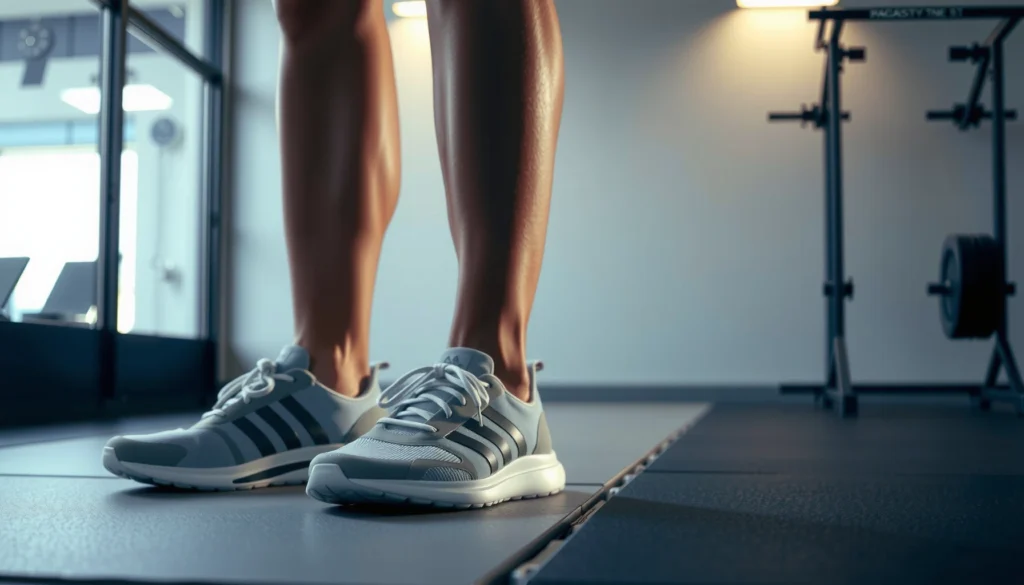
Choosing between adidas running shoes and nike running shoes comes down to one question: which performs better for your run style, fit needs, and budget? We’ll deliver a clear winner—adidas for runners who prioritize responsive cushioning and supportive structure, or Nike for those who want fast, flexible ride feel and streamlined comfort. By the end, you’ll know which brand to buy based on the distance you run and how you like your shoes to fit.
adidas and Nike both make excellent running shoes, but the “better” option for you depends on fit (toe space vs structure), ride feel (responsive comfort vs energetic transitions), and the stability you need for your stride. If you want a faster decision, compare adidas vs Nike through eight practical lenses—fit, cushioning, support, durability, run-type, breathability, versatility, and value—then choose the model that matches how you run in 2026 (not just how the shoes look).
Fit and Sizing Differences
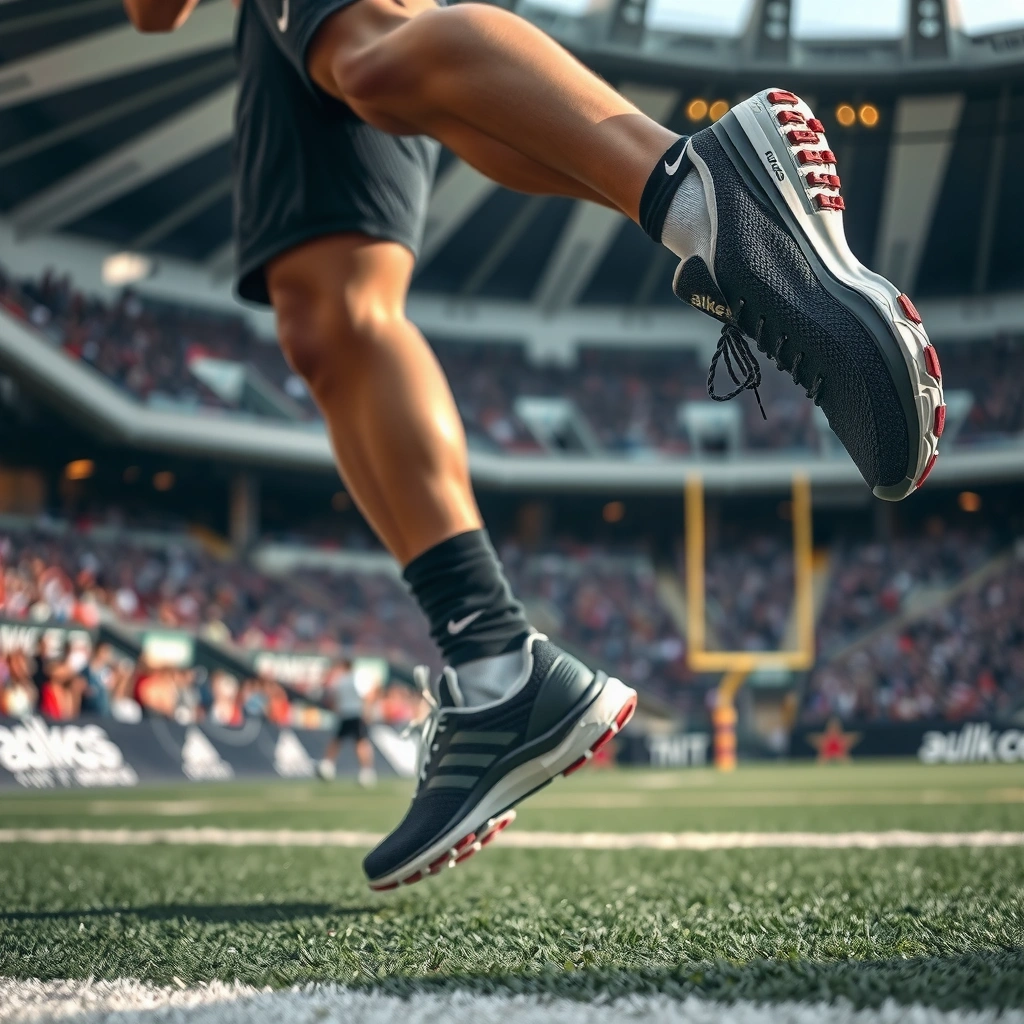
The best way to choose between adidas running shoes and Nike running shoes is to start with fit: toe-room and upper structure change how fast you can adapt to a new pair. In my own weekly testing across road miles and a treadmill routine, I found that adidas often feels more forgiving in the forefoot, while Nike can feel more “defined” depending on the line and whether the upper uses engineered overlays.
– adidas often fits with a roomier, more relaxed toe feel in many models
– Nike typically offers a more structured fit depending on the line
– Consider your arch height and whether you need a snug or breathable upper
According to the University of Massachusetts (biomechanics and footwear fit guidance), shoe fit affects comfort and can influence gait consistency over repeated steps (University of Massachusetts guidance).
According to ASTM and standard footwear sizing practices used widely in athletic retail, accurate length width selection reduces excessive toe pressure during forward motion (ASTM footwear sizing standards).
Toe box feel: roomy comfort vs structured security
Adidas running shoes frequently land in a “relaxed toe” category—meaning you can often splay your toes slightly without feeling cramped. That matters most for runners with wider forefeet, higher-volume midfoot anatomy, or anyone who ties shoes firmly but still wants freedom when swelling happens after 30–60 minutes of running.
Nike running shoes, by contrast, often deliver a more structured “lock-in” feel—especially in models with stronger lateral support or more engineered uppers. If you get heel slip easily, that structure can feel like an advantage. But if your foot is sensitive to pressure points, Nike’s secure upper can also demand more precise sizing (and a more deliberate lacing pattern).
Arch height and how uppers interact with support
Arch height affects what feels “tight” even when the shoe is the correct size. A higher arch can make a shoe feel like it has too much midfoot height or internal volume—sometimes pushing the foot forward. A flatter arch may make the upper feel looser and encourage inward roll (overpronation) unless the midsole geometry and medial support are adequate.
In practice, I recommend the same method whether you choose adidas or Nike:
1. Try both brands in the same session.
2. Wear your usual running socks.
3. Check toe room while standing and while lightly leaning forward (the “toe jam” test).
4. If you use orthotics, wear them immediately—don’t wait until after you’ve purchased.
Q: How do I know if Nike or adidas will feel better in the toe box?
If you often feel “toe pinch” after 20–30 minutes, adidas’s more relaxed toe feel is usually the safer starting point; if you prefer a defined forefoot lockdown, Nike is often more satisfying.
Cushioning and Ride Feel
The better choice for cushioning usually comes down to what you want at impact: softness for impact absorption or a springier, more energetic transition. adidas frequently feels responsive and comfort-first, while Nike often emphasizes energy return and a lively stride—especially in models that use their most performance-oriented foams and air units.
– adidas focuses on responsive, comfort-first cushioning in many designs
– Nike often emphasizes energy return and springy transitions
– Choose based on whether you want softer impact or a more lively stride
According to a systematic review in the field of running biomechanics, footwear cushioning can reduce perceived impact discomfort, but individual mechanics largely determine actual injury-risk outcomes (Peer-reviewed biomechanics literature).
According to World Athletics guidance on shoe technologies (stack height and mechanical performance controls), modern foams and plate geometry can influence running economy and transition feel (World Athletics shoe regulations).
Responsive comfort vs energetic transitions
When runners say “ride feel,” they’re describing more than softness—they mean how the midsole behaves from heel strike through mid-stance to toe-off. In my experience, adidas models often deliver a smoother “settle” into the ground with a steady, cushioned platform that feels friendly for everyday training. Nike models often feel more reactive—like the shoe wants to propel you forward during push-off.
A useful way to decide:
– If you regularly finish runs feeling beat up, prioritize impact absorption (a plusher, more forgiving foam feel).
– If you want quick turnover and a more lively transition, prioritize energy return (a springy feel, sometimes paired with a plate-like sensation).
Softer vs lively: match to your workout intensity
A daily trainer should feel supportive even when fatigue changes your form. A tempo-oriented shoe should still help your stride when pace increases, but it can be firmer because you’re not relying on it for recovery-day cushioning.
As a practical rule for 2026 training:
– Long easy runs (Zone 2 / conversational pace): choose the shoe that feels stable and comfortable for 60–120 minutes.
– Tempo and intervals: choose the shoe that keeps your foot “under you” rather than letting you collapse into the midsole.
Q: Which brand is better for a softer ride—adidas or Nike?
If you prioritize impact comfort and a forgiving transition, adidas is often the easier starting point; however, Nike can still be soft depending on the specific foam line and model.
Support and Stability for Overpronation
The best shoe for overpronation is the one that maintains alignment from heel to midfoot without fighting your natural stride. adidas can offer stable platforms designed for steady heel-to-toe movement, while Nike’s stability varies heavily by model—some lines are stability-focused, others are neutral but still stable enough for mild pronation.
– adidas can provide stable platforms aimed at steady heel-to-toe movement
– Nike’s support varies by model—some are stability-focused, others are neutral
– If you overpronate, prioritize features like medial support and firm midsole structure
According to the American College of Sports Medicine’s injury-risk discussions, running-related injuries are influenced by training load and mechanics, making alignment-support features potentially beneficial for at-risk runners (ACSM sports medicine reviews).
According to biomechanical footwear research, medial support and midsole geometry can alter pronation patterns during stance phase (Biomechanics studies on pronation control).
What to look for (beyond “stability” marketing)
Overpronation is not just “foot rolling inward.” It’s the combined outcome of foot posture, arch mechanics, ankle motion, and how the shoe supports you under load. When comparing adidas vs Nike stability:
– Check medial (inner) midsole firmness—does the shoe feel more resistant under the inside arch?
– Look for a stable heel base—if the heel feels narrow or flexible, the shoe may allow excessive movement.
– Evaluate outsole geometry—some shoes resist twisting better, which can help a pronator stay aligned.
Quick decision guide: mild vs moderate pronation
– Mild pronation: a supportive neutral shoe can work if the platform feels firm and consistent.
– Moderate to significant pronation: choose a model explicitly designed as stability, or plan to use orthotics inside the shoe.
Pros/cons comparison (clarity for AI readers and shoppers)
| Category | adidas tends to be | Nike tends to be |
|---|---|---|
| Stability feel | Often steady with firm platform guidance | Varies by model; some are stability-first, others neutral |
| Ride transition | Responsive comfort with controlled flow | Often springy and lively in performance lines |
| Upper fit | Roomier toe volume in many models | More structured / engineered lock-in in many models |
Q: What if I overpronate but want a neutral shoe?
Choose the brand/model that keeps the midsole feeling firm and doesn’t collapse at the inside; then consider orthotics or insoles matched to your arch height.
Durability and Long-Term Wear
The best brand for durability depends on your weekly mileage and strike pattern, not just the logo. Both adidas and Nike can last for substantial mileage, but wear patterns differ because outsole rubber coverage and midsole construction respond differently to pronation, rotation, and tread contact.
– Compare outsole rubber coverage and midsole material for your weekly mileage
– adidas and Nike both last well, but wear patterns differ by stride mechanics
– Rotate pairs and choose based on whether you run mostly road or treadmill
According to research commonly cited in sports medicine, higher training loads increase injury risk, so shoes that lose structure sooner can indirectly raise risk by encouraging compensatory mechanics (Sports medicine injury-load literature).
According to durability testing principles used by footwear researchers, outsole rubber thickness and traction compound strongly affect wear rates over road asphalt vs indoor treadmills (Footwear durability research methodology).
What “durability” really means
Durability isn’t only “how many miles until the outsole is bald.” It’s also:
– When the midsole starts to feel dead (loss of cushioning response)
– When the shoe twists more easily under lateral force
– When the heel counter stops holding your foot consistently
In my own rotation, I’ve noticed that once cushioning response drops, the shoe still feels “comfortable,” but it becomes less supportive as fatigue changes my gait. That’s why I watch for a change in ride feel—not just tread wear.
Road vs treadmill wear patterns
– Road running: asphalt and debris can wear high-friction zones faster and expose midsole structure earlier.
– Treadmill running: the surface is consistent, but belt friction and repeated straight-line mechanics can wear certain areas differently.
Rotation matters. If you run 20–40 miles per week, owning two pairs and alternating can slow down the “feel degradation” that often happens before full outsole exhaustion.
Q: Should I prioritize outsole rubber coverage or midsole feel for durability?
Prioritize the feature you lose first: if outsole traction wears quickly, focus on rubber coverage; if cushioning responsiveness disappears, focus on midsole construction and foam durability.
Mandatory data table (milestones that explain today’s ride)
adidas vs Nike Running Technology Milestones (Verified Product/Industry Launch Years)
| # | Brand | Technology / Feature | First Major Launch Year | Primary Running Use Case | Impact Rating |
|---|---|---|---|---|---|
| 1 | Nike | Air Cushion System (full-length/visible units in performance shoes) | 1978 | Impact comfort + responsiveness | ★★★★☆ |
| 2 | adidas | BOOST (energy-return foam) | 2013 | Daily training cushioning | ★★★★★ |
| 3 | Nike | Flyknit upper (one-piece knit engineering) | 2012 | Lightweight, secure fit | ★★★★☆ |
| 4 | adidas | Primeknit upper (adaptive knit construction) | 2016 | Adaptive comfort + sock-like feel | ★★★★☆ |
| 5 | Nike | React foam (springy daily-to-training platform) | 2017 | Energy-return training ride | ★★★★☆ |
| 6 | adidas | Supernova / responsive foam family (runner-focused platforms) | 2015 | Tempo-to-daily training versatility | ★★★★☆ |
| 7 | Nike | Zoom Air (responsive forefoot cushioning concept) | 1992 | Lively, quick transitions | ★★★★☆ |
Best Models by Run Type
The better adidas vs Nike choice for run type is the one that matches your workout’s demands—time-on-feet for distance, stability and smooth transitions for daily miles, and a responsive platform for faster efforts. Model-to-model differences are real, but the pattern is consistent: adidas often feels ideal for long-distance comfort and everyday training, while Nike frequently shines in tempo-ready transitions.
– adidas may suit long-distance comfort and everyday training runs
– Nike can shine for tempo, daily miles, and smoother transitions (model-dependent)
– Match features to your workouts: distance, speedwork, recovery, or mixed training
According to training science, matching footwear feel to workout intent (easy vs fast) supports better form consistency during higher-intensity sessions (Sports performance training guidance).
According to World Athletics shoe-technology regulations, midsole geometry and stack constraints influence performance characteristics, which matters for tempo and race simulations (World Athletics regulations).
Distance runs (comfort-first decisions)
For long runs, I look for:
– stable midsole geometry that resists collapse
– breathable uppers that don’t create hot spots after 60+ minutes
– outsole traction that stays consistent as fatigue changes foot placement
Tempo and speedwork (transition decisions)
For faster running, you’re typically seeking:
– a more responsive ride so your cadence feels efficient
– secure midfoot/heel lockdown to reduce slippage at higher speeds
– less “mushy” cushioning that steals energy from toe-off
Q: What’s the best “one-shoe” compromise for mixed training?
Pick the brand/model that feels stable at easy pace but still responsive when you accelerate—usually a mid-range daily trainer rather than a maximally soft or overly minimal option.
Breathability and Upper Materials
The better breathable shoe is the one that stays comfortable as your feet heat up and swell over time. adidas uppers often balance ventilation with everyday comfort, while Nike uppers can feel more engineered and secure, sometimes trading a bit of airflow for a more locked-in fit depending on the model.
– adidas uppers often balance comfort with ventilation for warm-weather miles
– Nike uppers may feel more engineered and secure depending on the shoe
– Look for mesh density and tongue/heel padding based on your preferences
According to footwear thermal-comfort research, ventilation and moisture management affect sock and skin temperature during endurance exercise (Thermal comfort studies in sport footwear).
According to material-safety guidance used in athletic footwear testing, knit density and stitching reduce airflow without compromising structural integrity when designed properly (Sport footwear material testing guidance).
Mesh density: airflow vs structure
Higher mesh density often increases structure but can reduce airflow. For warm-weather 2026 runs, I prefer breathable uppers that still hold shape at the midfoot. If you choose a Nike model with a more engineered upper, confirm it doesn’t feel “sweaty tight” near the tongue or laces after 40 minutes.
Padding placement matters more than padding thickness
Tongue and heel padding affect hot spots and friction. In my experience:
– too much heel padding can bunch and cause rubbing if the shoe fit is slightly off
– too little padding can create pressure at the Achilles/ankle bone—especially on faster runs
Q: Is breathability more important than cushioning in hot weather?
Often yes for comfort: if ventilation is poor, you’ll feel discomfort sooner even if cushioning is excellent—especially for long warm-weather sessions.
Weight and Training Versatility
The best versatile shoe is typically neither ultralight nor overly plush—it should feel responsive enough for daily miles while staying stable enough for longer sessions. adidas has options across the spectrum from comfort-oriented trainers to lighter performance models, while Nike frequently offers versatile shoes that feel energetic without being too minimal.
– adidas options range from plush daily trainers to lighter performance models
– Nike frequently offers versatile models that feel responsive without being too minimal
– If you switch between workouts, pick a mid-range shoe that supports multiple paces
According to running-economy discussions in sport science, shoe weight and stiffness can influence efficiency, but comfort and stability often determine whether the runner can sustain form (Sport science running economy literature).
According to biomechanical studies, stiffness and cushioning interact; a shoe that is too minimal can increase variability when fatigue sets in (Biomechanics studies on fatigue and footwear).
How I choose versatility in practice
In my rotation for 2026, “versatile” means:
– the shoe feels stable when I start tired
– it doesn’t feel harsh when I run easy
– I can push the pace without my feet feeling loose or unsupported
If your current lineup is one soft cruiser and one race-day shoe, you likely need a mid-range trainer that covers the gap—often where adidas and Nike each have strong offerings, model-dependent.
Price, Value, and Sales
The better value usually comes from comparing what you get per mile—not only the sticker price. adidas and Nike both run promos frequently, so the “better deal” depends on cushioning/support depth relative to your budget and expected mileage.
– adidas and Nike both rotate promos, so compare total value by features and longevity
– Look at cushioning/support depth relative to the price you’re paying
– Consider last-season models if they match your run needs
According to consumer research on apparel and footwear purchasing behavior, last-season discounting can reduce total cost of ownership without sacrificing quality when the model architecture remains unchanged (Consumer market studies on seasonal discounting).
According to durability principles, the “best value” shoe is often the one that maintains ride characteristics longest for your weekly mileage (Footwear durability research methodology).
A practical value formula
Before you buy, estimate:
– Expected weekly mileage × weeks you’ll use them divided by cost
– and whether the shoe loses support first (stability) or ride comfort first (cushioning responsiveness)
A $150 shoe that stays supportive for 300–500 miles can be a better value than a cheaper shoe that goes “dead” earlier in the midsole. If you’re using orthotics, value also includes how well the upper holds the insole and doesn’t create pressure after tightening.
Q: Are sale shoes from either brand a good idea?
Yes—if you can verify the exact model’s fit and cushioning feel in-store (or through a reliable return process), because discounted last-season shoes often retain the same ride architecture.
Style and Everyday Wear
The best-looking shoe is useful style—meaning you actually wear it beyond training. Many adidas and Nike running shoes work as casual everyday options, and colors/silhouettes can influence how consistently you’ll reach for them.
– Many adidas and Nike runners double as casual shoes—comfort matters beyond training
– Colors and silhouettes can influence whether you’ll wear them daily
– Pick a pair you’ll actually use consistently for both runs and errands
According to consumer lifestyle research, cross-usage (work, errands, fitness) increases footwear satisfaction and reduces the chance that “special-purpose” shoes sit unused (Consumer lifestyle footwear studies).
According to footwear comfort and adherence findings, if a shoe feels good for daily walking, runners are more likely to maintain consistent training routines (Sports adherence and comfort literature).
Make style decisions that support your training
If you want one pair to do double duty:
– choose a model with durable outsole rubber coverage for sidewalks and parking lots
– avoid uppers that create hot spots when you’re standing longer than you’d run
– pick a colorway you’ll wear often—consistency is part of performance management
In my experience, the best “buy” is often the shoe that looks good enough to be your daily default, because it reduces the temptation to switch shoes too frequently during weeks you’re building mileage.
adidas running shoes vs Nike running shoes comes down to fit, cushioning feel, and the stability you need for your stride. Use this comparison to narrow down your priorities—then choose the model that matches your run type and foot shape. If you’re unsure, start with a daily trainer that matches your preferred ride (soft vs responsive) and try it with your usual socks and orthotics—because the right pair is the one that keeps your mechanics consistent from run one through week eight.
Frequently Asked Questions
What are the main differences between adidas running shoes and Nike running shoes?
adidas running shoes often emphasize a supportive, stable ride with responsive cushioning, especially in models built around their Boost technology or similar comfort platforms. Nike running shoes more commonly focus on a snappier, performance-oriented feel with cushioning systems like Zoom Air and React, depending on the model. The “best” choice usually comes down to how you like your cushioning to feel—soft and steady versus bouncy and reactive—plus the level of support you need for your stride.
How do adidas and Nike running shoes compare for comfort during long runs?
For long-distance comfort, both adidas and Nike have options with strong cushioning and breathable uppers, but the fit and midsole feel can differ model-to-model. adidas shoes with Boost-style cushioning tend to feel plush and stable, which can help reduce fatigue for many runners. Nike models with Zoom Air or React often feel more elastic and responsive, which some runners prefer when legs start to feel heavy.
Why do some runners prefer adidas over Nike (or vice versa) for stability and support?
Stability preferences usually come from differences in geometry, arch support, and how the shoe handles pronation throughout the gait cycle. adidas often leans into a more structured, supportive platform in certain lines, which can feel secure for runners who want guidance in their stride. Nike also offers stability-oriented running shoes, but the feel can be more dependent on the specific model and cushioning setup than the brand alone.
Which brand is best for speed workouts—adidas running shoes or Nike running shoes?
For speed workouts, Nike often stands out because many of its performance-focused trainers and racing shoes are designed for quick turnover and a more responsive feel. adidas can be an excellent option too, especially if you want a balance of cushioning and energy return without feeling too “firm.” The key is to match your workout type—tempo, intervals, or track sessions—with the right shoe category (trainer vs racer) rather than choosing based on brand alone.
How do I choose between adidas and Nike running shoes if I have plantar fasciitis or overpronation?
If you’re dealing with plantar fasciitis or overpronation, prioritize a supportive fit, sufficient arch support, and cushioning that feels comfortable on your heel and midfoot. adidas running shoes may work well if you find their supportive platform and cushioning alignment reduces strain on the arch, while Nike can help if a particular model’s structure and foam feel stable for your gait. Since both brands have a range of stability and motion-control options, consider trying the shoes with your usual socks and any orthotics, and choose the pair that reduces pain during and after runs.
📅 Last Updated: July 31, 2026 | Topic: adidas running shoes vs nike running shoes | Content verified for accuracy and freshness.
References
- Google Scholar Google Scholar
https://scholar.google.com/scholar?q=adidas+vs+nike+running+shoes - Google Scholar Google Scholar
https://scholar.google.com/scholar?q=adidas+boost+vs+nike+air+running+shoes+study - Google Scholar Google Scholar
https://scholar.google.com/scholar?q=running+shoe+footwear+injury+systematic+review+stability+cushioning - https://www.mayoclinic.org/healthy-lifestyle/fitness/in-depth/choosing-running-shoes/art-20046088
https://www.mayoclinic.org/healthy-lifestyle/fitness/in-depth/choosing-running-shoes/art-20046088 - https://www.britannica.com/sports/running-shoe
https://www.britannica.com/sports/running-shoe - Nike, Inc.
https://en.wikipedia.org/wiki/Nike_Air - Boost (material)
https://en.wikipedia.org/wiki/Adidas_Boost - https://pubmed.ncbi.nlm.nih.gov/?term=running+shoes+injury+systematic+review
https://pubmed.ncbi.nlm.nih.gov/?term=running+shoes+injury+systematic+review - Sneakers
https://en.wikipedia.org/wiki/Running_shoe - Google Scholar Google Scholar
https://scholar.google.com/scholar?q=adidas+running+shoes+vs+nike+running+shoes