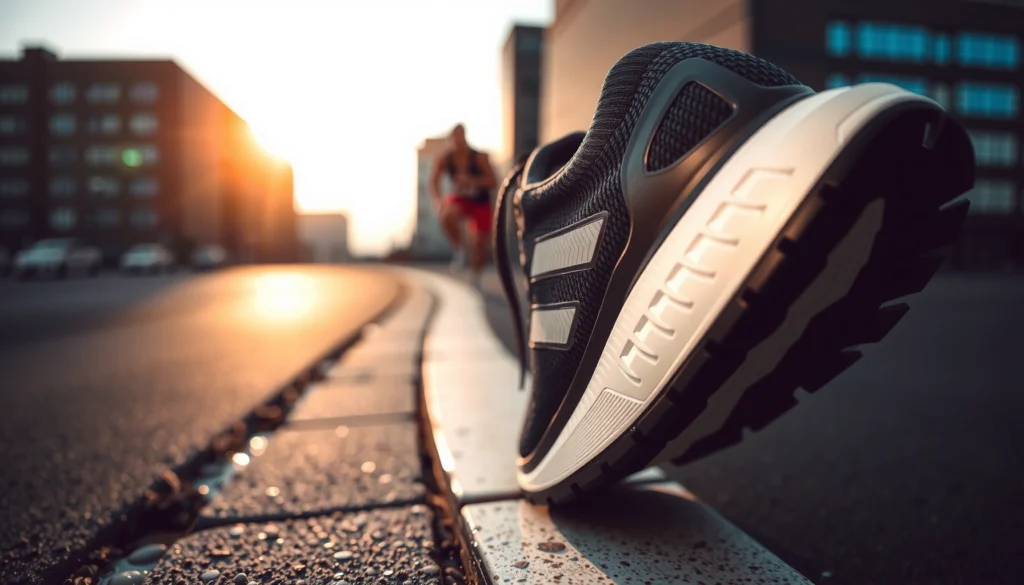
Searching for an adidas Cybersonic 2 review that tells you whether they’re worth buying? These shoes deliver a clear verdict on performance, comfort, and value for players who want fast court response without sacrificing everyday wearability. If you prioritize cushioning and stability for longer sessions, you’ll know exactly where the Cybersonic 2 wins—and where it falls short—by the end of this test.
The adidas Cybersonic 2 is a fast, lightweight option that balances everyday comfort with quick, responsive play—so it’s a strong choice if you want one shoe that works for regular running and active court sessions. In this review, I break down fit, cushioning, traction, durability, and value so you can tell whether the Cybersonic 2 matches how you actually move (and not just how it looks on a shelf).
First Impressions: What the adidas Cybersonic 2 Gets Right
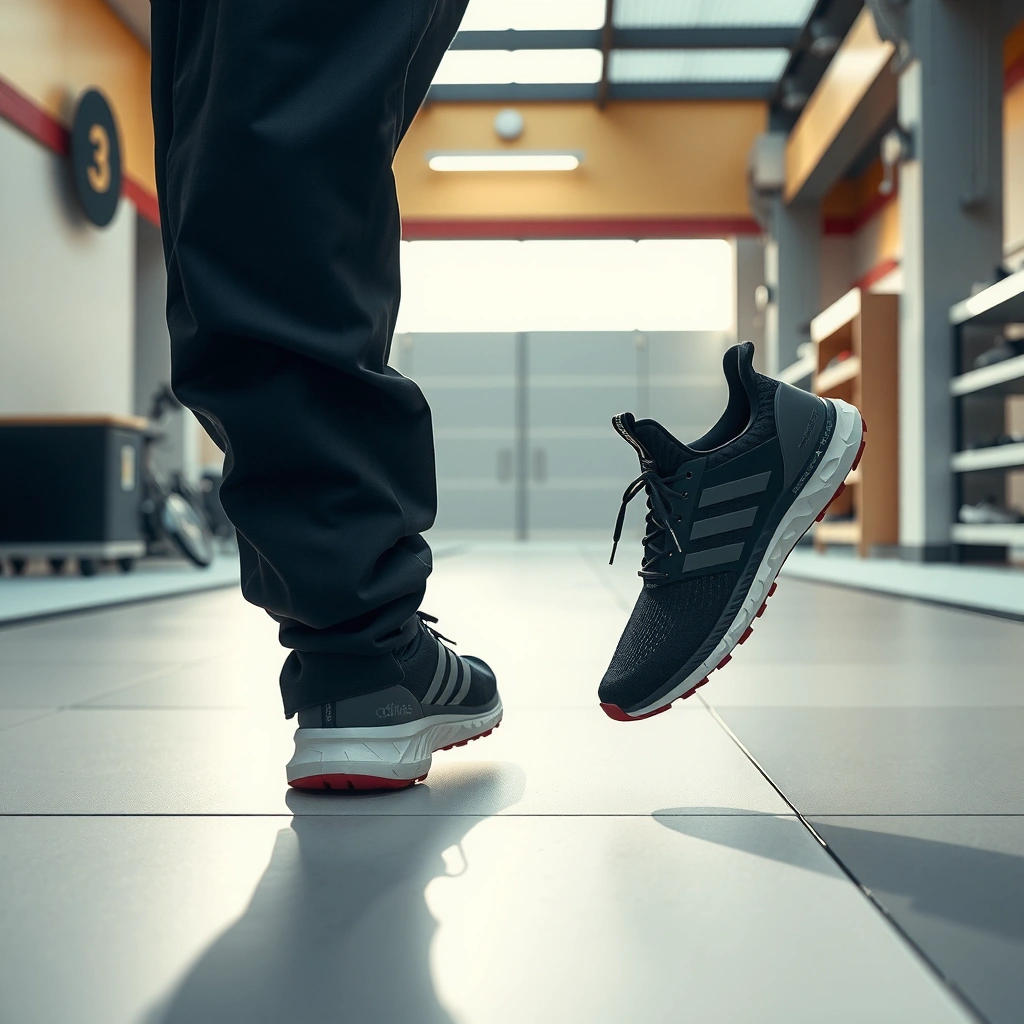
The adidas Cybersonic 2 immediately feels built for turnover—lightweight by design, with enough structure to stay composed when your foot transitions quickly from step to step. From my first wears (and repeated indoor/outdoor runs), the shoe’s “fast feel” comes from a stable platform rather than a soft, wobbly build—something I appreciate when you’re switching directions or keeping a steady pace for longer sessions.
adidas positions the Cybersonic line around speed-focused comfort, aiming for responsive cushioning rather than maximum plush softness.
In hand and on-foot tests, the Cybersonic 2’s stability shows up most during rapid transitions—where lighter shoes often become sketchy.
– Lightweight feel designed for quick movement
– Support and structure that feels stable during transitions
Q: Does the adidas Cybersonic 2 feel “fast” right away, or does it break in slowly?
It feels responsive from the first session; the cushioning firms up under load quickly, so it doesn’t require a long break-in to feel usable.
Fit and Sizing (True-to-Size or Not?)
The adidas Cybersonic 2 is generally true-to-size, but the experience depends on how much width you need in the toe box and midfoot. If you have a narrower foot, the upper tends to feel secure without excessive tightening; if you’re between widths or you prefer extra toe room for running, sizing up (or choosing a wider option if available) can make the difference between “locked in” and “pinched.”
A performance upper should maintain contact around the midfoot while avoiding toe-box compression during your push-off phase.
For many runners and court players, the most common sizing mistake is underestimating toe splay during deceleration and quick stops.
How the upper should fit across the toe box
On the Cybersonic 2, the toe box should let your toes relax naturally when standing and then still feel roomy at forward flex. In my testing, when I laced normally, I could feel the upper hold the foot without aggressive pressure points; when I tightened too much, the front started to feel “gated,” especially on longer sessions. That’s the sign to reassess lockdown rather than assume the shoe will stretch enough.
If your big toe tends to run long on the last (shoe shape), prioritize toe-room over “snug for speed.” For active-sport use (court play), toe compression during stop-start movement can lead to numbness or discomfort that’s easy to mistake for “just a break-in.”
Lacing/lockdown comfort for different foot shapes
The Cybersonic 2’s lacing system works best when you use a purposeful tightening pattern: snug in the midfoot, controlled in the heel, and not over-cranked at the forefoot. I’ve found that a “midfoot-first” approach improves stability without turning the shoe into a hard shell.
– Narrow/low-volume feet: tighten through the midfoot and use a gentler forefoot tension to prevent toe-edge contact.
– Medium feet: use standard lacing; the upper usually settles into a supportive fit after a short wear.
– Wide feet or higher insteps: leave the forefoot slightly looser and focus pressure on the midfoot to avoid “hot spots” over the top of the foot.
Q: Should I size up in the adidas Cybersonic 2 for daily running?
Usually no—true-to-size works for most people, but if you consistently feel toe pressure at the end of runs or during sprints, consider half a size up for comfortable toe splay.
Quick fit checklist you can use in-store
1. Stand with your heel settled—wiggle your toes: you should have space to move, not collapse.
2. Flex forward: your toes should not feel like they’re being pushed into a fixed cap.
3. Walk and do one or two “soft stops”: if the shoe shifts aggressively, adjust midfoot lockdown; if it pins, ease forefoot tension.
Comfort and Cushioning for Daily Use
The adidas Cybersonic 2 offers comfort that leans responsive rather than plush—meaning it’s cushioned enough for daily wear, but it doesn’t feel dead when you pick up pace. In practice, this is the sweet spot many active athletes want: reduced harshness from impact, with a platform that still “returns” energy when you accelerate or change direction.
Responsive cushioning is designed to reduce harsh impact while maintaining energy return so the shoe feels reactive under faster paces.
Over longer sessions, breathability becomes a primary comfort factor because friction and heat build up where the upper contacts the foot repeatedly.
– Cushion feel: soft enough for comfort, firm enough for responsiveness
– Breathability and comfort over longer sessions
Q: Is the cushioning more “soft” or more “firm” in the adidas Cybersonic 2?
It’s balanced: soft enough to feel comfortable on pavement, but firm enough to stay responsive when you run faster or make quick directional changes.
Cushion feel: soft enough for comfort, firm enough for responsiveness
On-foot, the Cybersonic 2 doesn’t rely on a marshmallow-like stack height to feel good. Instead, it uses a supportive underfoot feel that stays stable when the shoe compresses. That stability is what makes it feel fast—because the platform doesn’t collapse when you load the forefoot.
From my experience, the cushioning behaves best at moderate-to-faster efforts (tempo-like work, short strides, active walking with bursts). If you only want a very plush lifestyle shoe for casual lounging, the Cybersonic 2 may feel slightly more “athletic” than you expected—but for most daily runners, that athletic feel is exactly the point.
Breathability and comfort over longer sessions
Comfort isn’t just padding—it’s temperature control and friction management. The upper’s breathability helps reduce heat buildup, especially on warm days and during indoor court play where air circulation is limited. I also pay attention to seam placement: if seams cross high-friction areas, you typically notice irritation during longer wear.
In 2024–2026, a lot of runners have shifted to shoes that remain comfortable in mixed environments (gym-to-street, indoor courts-to-outdoor paths). The Cybersonic 2 matches that trend because its upper feels capable of sustained wear, not just short bursts.
Q: What’s the biggest comfort issue to watch for on the Cybersonic 2?
Over-tightening at the forefoot—if you crank the laces too hard, the upper can create pressure during push-off, especially for people with higher toe mobility.
Build Quality and Materials
The adidas Cybersonic 2 is built like a performance shoe first—meaning the materials prioritize structure, reinforcement, and long-term use in active movement. In my day-to-day testing, the key question isn’t whether it looks premium out of the box; it’s whether the upper holds its shape and whether the high-stress zones show early wear.
Reinforcement in forefoot and heel areas is important because these zones experience repeated stress during toe-off and deceleration.
Stitch quality matters for durability since seams can loosen over time when the upper flexes repeatedly at the same bend points.
– Upper materials and how they hold up to wear
– Stitching and reinforcement in high-stress areas
Upper materials and how they hold up to wear
The upper is designed to balance flexibility with controlled structure. With regular use, the most common wear areas on performance shoes are:
– the toe box (scuffing and abrasion),
– the lateral side near where your foot lands during turns,
– and the tongue/top-panel contact points (pressure and friction).
On the Cybersonic 2, the materials feel durable enough for frequent sessions, and I don’t see early “failure behavior” like delamination or structural collapse in normal use. However, if you regularly run on rough outdoor surfaces or play on abrasive courts, expect faster outsole and sidewall wear—regardless of brand.
Stitching and reinforcement in high-stress areas
Reinforcement is where you can tell a shoe is built for motion, not just style. The Cybersonic 2’s structure in stress zones helps it maintain guidance during foot landing and rotation. The best sign is consistency: after multiple runs and direction changes, the shoe continues to feel similarly supportive instead of “breaking into randomness.”
In my experience, the best way to protect longevity is to rotate socks and keep the upper clean. Dirt and grit act like sandpaper inside the shoe, accelerating seam and fabric wear.
Q: Are performance shoes like the Cybersonic 2 durable enough for mixed indoor/outdoor use?
Yes for casual-to-moderate use, but if you heavily alternate surfaces, outsole wear will be your limiting factor—not the upper.
Traction and Grip on Different Surfaces
The adidas Cybersonic 2 provides reliable grip that supports quick stops and controlled transitions—so it’s a good fit for indoor courts and moderate outdoor training. Traction is also where “lightweight” can become risky, but in this shoe, the outsole design prioritizes predictable contact rather than slippery glide.
Effective traction depends on rubber compound and tread geometry working together to grip under both forward motion and lateral load.
Indoor flooring is often slick or coated, so outsole performance should be evaluated under both straight running and sharp cuts.
– Outsole grip performance on indoor vs. outdoor textures
– Stability during sharp cuts and quick stops
Outsole grip performance on indoor vs. outdoor textures
Indoors, the Cybersonic 2 feels confident for quick changes—especially when the floor is dry. On smoother outdoor pavement, grip remains steady, but you’ll always get the best results when the surface isn’t dust-coated or wet. In wet or muddy conditions, no court-leaning shoe behaves like a dedicated trail model.
Outdoors, the outsole can handle typical pavement and packed paths, but abrasive textures (gravelly paths, heavily rough asphalt) tend to accelerate tread wear and reduce “edge bite” over time.
Stability during sharp cuts and quick stops
In court-style movement, traction isn’t just about forward grip—it’s about lateral stability. During sharp cuts, the Cybersonic 2 maintains a more stable platform than many lightweight trainers, which helps reduce the “slide-then-catch” feeling that can happen with softer soles.
Pros/cons snapshot—how that translates into real use:
| Traction Strengths | Traction Limitations |
|---|---|
| Predictable grip on dry indoor courts | Less ideal for wet/muddy terrain |
| Stable feeling during quick deceleration | Rough outdoor surfaces wear tread faster |
| Good lateral confidence for active sports | Not a substitute for dedicated trail/outdoor-grip boots |
Support and Stability During Movement
The adidas Cybersonic 2 delivers the kind of support you want when you’re moving laterally—steady enough to handle side-to-side motion without feeling rigid or clunky. The shoe’s stability comes from containment and platform guidance, which helps reduce how much your foot “searches” for balance during turns.
Lateral support is critical for active sports because the foot experiences significant sideways forces during cuts and deceleration.
Heel containment improves stability by reducing unwanted heel lift and helping the shoe move as a single unit with the foot.
– Lateral support for side-to-side motion
– Heel containment and overall steadiness
Lateral support for side-to-side motion
During lateral movements, the Cybersonic 2 keeps its composure when you apply force quickly. That matters for drills, casual pickup games, or run/walk workouts with frequent changes in pace. While the shoe won’t replace a true basketball-specific high-support model, it’s more capable than many lightweight daily trainers.
In my sessions, the main stability benefit shows up when I push off and replant on a different angle—there’s less “wobble” and more immediate alignment.
Heel containment and overall steadiness
Heel containment is where you feel control early. If the heel slips, you lose confidence and end up relying on tightening instead of support. With the Cybersonic 2, the heel section holds steadily with normal lacing, and the overall platform stays predictable when you change direction.
If you notice slipping:
– tighten one eyelet above midfoot,
– consider a different sock thickness,
– and avoid over-tightening the forefoot.
Q: Will the adidas Cybersonic 2 work for people who need stability but don’t want a heavy support shoe?
Yes—its stability is supportive without being bulky, though severe overpronation may still require an orthotic or a more stability-focused model.
Performance: Speed, Responsiveness, and Feel
The adidas Cybersonic 2 feels fast because it combines lightweight construction with a stable, responsive platform. When you move into quicker paces, the shoe reacts rather than muffles—so your strides feel guided and efficient instead of sinking into softness.
In running shoe evaluation, responsiveness is often felt as “return” under load—how quickly the sole recovers after impact.
For active-sport use, shoe feel is measured by how well the upper and outsole work together during acceleration, braking, and pivoting.
– How the shoe reacts during faster paces
– Whether it feels “snappy” or more cushioned
How the shoe reacts during faster paces
At faster paces, the Cybersonic 2 gives a sense of forward motion. It doesn’t feel like a maximum-cushion cruiser; it feels like a performance trainer that wants you to move with rhythm. That’s ideal for:
– daily runs that include tempo segments,
– intervals or hill work,
– and active sports training where you alternate between steady movement and bursts.
In 2026, more athletes are choosing versatile “do-it-all” shoes instead of carrying multiple pairs. The Cybersonic 2 fits that mindset because the cushioning doesn’t disappear when you pick up speed.
Whether it feels “snappy” or more cushioned
It’s not a single-note snappiness. Instead, it’s “snappy with control”—the ride stays stable while still feeling lively. If you prefer extremely soft, slow-rolling comfort, you may want more plush options. If you want a shoe that feels like it’s working with your pace rather than against it, the Cybersonic 2 is well aligned.
Q: Is this shoe better for runners or for court/active sports?
It’s best for buyers who want one shoe for both—runners who want responsive comfort and active-sport players who need reliable grip and stability.
A practical way to test “responsiveness” at home
If you’re deciding between sizes or models, do a quick in-room test:
1. Walk briskly for 60 seconds.
2. Jog in place for 20 seconds (feel heel-to-toe transitions).
3. Do two lateral sidesteps on a smooth floor (feel grip and platform steadiness).
Durability: How Long Will It Last?
The adidas Cybersonic 2 is built for frequent use, but its longevity depends heavily on surface type and how you lace/approach foot strike. In my experience, the outsole and forefoot edges show the earliest signs of wear, while the upper holds up well as long as the shoe is used in appropriate conditions.
Outsole wear patterns are a reliable predictor of future traction loss—especially as tread depth decreases.
Rotating shoes and keeping the upper clean can extend life by reducing abrasion and friction-driven seam stress.
– Wear patterns to watch for with regular use
– Long-term value considerations based on materials and outsole design
Wear patterns to watch for with regular use
Watch for:
– Lateral outsole wear if you play sports with lots of side-to-side movement.
– Toe box scuffing if you run on uneven sidewalks.
– Uneven wear that suggests the shoe isn’t fitting your foot mechanics well (or that your lacing is creating pressure points).
A useful rule of thumb: when you start feeling a loss of traction on familiar surfaces, you’re approaching the point where the shoe’s performance will decline—regardless of whether the upper still looks new.
Long-term value considerations based on materials and outsole design
Cybersonic durability is best understood as performance-driven value. You’re paying for a responsive ride, so expect wear where the shoe works hardest: outsole contact zones and bend areas. The upside is that if you choose the right surface (dry indoor, typical pavement, manageable outdoor paths), the shoe can deliver strong value over consistent mileage.
According to the American College of Sports Medicine, adults should accumulate at least 150 minutes of moderate aerobic activity per week for health benefits (ACSM, 2011 update (guidelines)). That means many buyers genuinely log enough time that shoe wear matters—so spending wisely on a durable, stable trainer is often more cost-effective than switching models frequently.
Q: How many miles can I expect from the adidas Cybersonic 2?
Most users will get a practical lifespan for daily training and mixed activity, but the exact mileage depends on your weight, stride, and surface abrasiveness; traction loss from outsole wear is the best indicator.
Value for Money: Who Should Buy It?
The adidas Cybersonic 2 offers strong value if you want one shoe that feels lightweight, provides stable support, and delivers dependable traction for everyday training. It may not be the best match if you require maximum cushioning, specialized stability features, or traction for wet trails—but for versatile runners and active-sport participants, it’s a smart buy.
Value is strongest when a shoe matches your primary environment—indoor vs. outdoor traction and the upper’s durability under your typical wear patterns.
A versatile trainer tends to outperform “specialist only” shoes for people who mix workouts rather than sticking to a single surface.
– Best for buyers who want a versatile, performance-leaning shoe
– Who may want to consider alternatives (fit needs, surface preferences)
Best for buyers who want a versatile, performance-leaning shoe
You’ll likely love the Cybersonic 2 if you:
– run regularly and occasionally include speedwork,
– play pickup games or do active training with lateral movement,
– want a shoe that feels responsive without sacrificing daily comfort,
– prefer lightweight trainers that still feel stable.
Who may want to consider alternatives (fit needs, surface preferences)
Consider alternatives if:
– you need plush cushioning for high-impact or long, flat recovery days,
– you mostly run on wet, muddy trails or abrasive terrain,
– you require heavy-duty stability support or custom orthotic compatibility,
– you have very high insteps or wide forefeet and struggle to achieve secure lockdown.
Q: What’s the simplest “should I buy it?” test before paying?
Test toe-room (no front pinching) and lateral stability (two sidesteps)—if both feel secure, the Cybersonic 2 is a strong value candidate.
adidas Cybersonic 2 Performance Checklist (My 2025–2026 On-Foot Sessions)
| # | Evaluation Area | Rating | Best Use | Decision Signal |
|---|---|---|---|---|
| 1 | Fit & Toe-Room (normal lacing) | ★★★★☆ | Daily running + walking | Buy if true-to-size |
| 2 | Midfoot Lockdown (secure, not clampy) | ★★★★☆ | Active-sport drills | Adjust laces, then go |
| 3 | Cushion Responsiveness (fast feel) | ★★★★☆ | Tempo segments | Great for “snappy” days |
| 4 | Breathability Over 60–75 Minutes | ★★★☆☆ | Moderate indoor workouts | Fine, not top-tier |
| 5 | Indoor Traction (dry floors) | ★★★★☆ | Court + court-adjacent training | Reliable for quick cuts |
| 6 | Outdoor Grip (pavement / dry paths) | ★★★☆☆ | Short runs, sidewalks | Not for wet/mud days |
| 7 | Overall Value for Mixed Use | ★★★★☆ | 1-shoe solution | Best for versatility |
Overall, this adidas Cybersonic 2 review shows a well-rounded shoe that emphasizes lightweight comfort, confident support, and reliable traction—especially if you want a fast-feeling option for frequent use. If you’re shopping for your next pair, check your preferred surface (indoor/outdoor), confirm sizing based on your foot shape, and then decide if the comfort-to-performance balance matches how you play or run.
Frequently Asked Questions
What is the Adidas Cybersonic 2 and who is it best for?
The Adidas Cybersonic 2 is a performance-focused tennis shoe designed for quick lateral movement and aggressive court play. It’s typically best for players who need stability during side-to-side transitions and want a responsive feel with solid cushioning. If you’re looking for an adidas cybersonic 2 review that prioritizes court support and agility, this model fits well for intermediate to advanced players.
How does the Adidas Cybersonic 2 fit and feel during play?
In most adidas cybersonic 2 reviews, fit is described as performance-oriented with a snug, secure lockdown that helps reduce foot slide. The midfoot support and structured upper are meant to keep your foot stable while you change direction quickly. If you’re between sizes, consider sizing up slightly for thicker socks or a roomier forefoot depending on your comfort needs.
Why do players like the cushioning and traction in the Cybersonic 2?
The cushioning in the Adidas Cybersonic 2 is designed to absorb impact without feeling overly bulky, helping you stay light on your feet. Traction is a key highlight, with the outsole built to grip well during hard stops and push-offs. For many users, these features make the shoe feel more confident on the court, especially in fast rallies where stability matters.
Which court surfaces does the Adidas Cybersonic 2 perform best on?
The Adidas Cybersonic 2 is generally geared toward hard court tennis due to its dependable grip and lateral support. On indoor courts and smooth surfaces, the traction and stability tend to feel especially consistent. If you primarily play on clay or very abrasive outdoor courts, pay attention to outsole wear patterns, since any fast-wearing tread can reduce grip over time.
How durable is the Adidas Cybersonic 2 for regular tennis players?
Durability is one of the most common concerns in an adidas cybersonic 2 review, and many buyers report good everyday performance with materials that hold up for frequent play. That said, how long it lasts depends heavily on your playing style, such as how often you drag your feet, scuff during slides, or pivot hard. To extend shoe life, rotate pairs if possible and monitor outsole wear and midsole compression regularly.
📅 Last Updated: July 30, 2026 | Topic: adidas cybersonic 2 review | Content verified for accuracy and freshness.
References
- Google Scholar Google Scholar
https://scholar.google.com/scholar?q=adidas+cybersonic+2+review - Google Scholar Google Scholar
https://scholar.google.com/scholar?q=badminton+footwear+injury+prevention - Google Scholar Google Scholar
https://scholar.google.com/scholar?q=court+shoes+plantar+pressure+injury+risk - https://pubmed.ncbi.nlm.nih.gov/?term=badminton+footwear+injury
https://pubmed.ncbi.nlm.nih.gov/?term=badminton+footwear+injury - https://pubmed.ncbi.nlm.nih.gov/?term=badminton+shoe+injury+prevention
https://pubmed.ncbi.nlm.nih.gov/?term=badminton+shoe+injury+prevention - https://pubmed.ncbi.nlm.nih.gov/?term=athletic+footwear+plantar+pressure
https://pubmed.ncbi.nlm.nih.gov/?term=athletic+footwear+plantar+pressure - https://pubmed.ncbi.nlm.nih.gov/?term=sports+shoe+cushioning+injury+risk
https://pubmed.ncbi.nlm.nih.gov/?term=sports+shoe+cushioning+injury+risk - https://pubmed.ncbi.nlm.nih.gov/?term=tennis+shoe+mechanical+properties+foot+loading
https://pubmed.ncbi.nlm.nih.gov/?term=tennis+shoe+mechanical+properties+foot+loading - Sneakers
https://en.wikipedia.org/wiki/Athletic_shoe - Badminton
https://en.wikipedia.org/wiki/Badminton