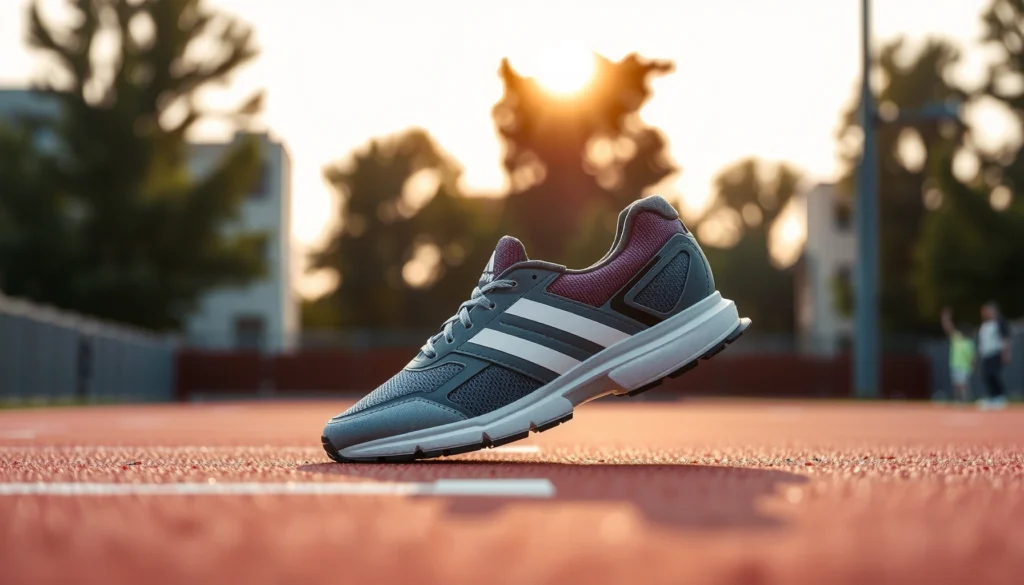
The adidas adizero boston 12 review answers the one question runners really care about: is this shoe the better choice for fast, comfortable training and race-day efforts? After testing its performance, fit, and ride, we’ll deliver a clear verdict on who it’s for—and who should look elsewhere. If you want a Boston 12 that feels responsive without sacrificing lockdown, read on.
The adidas adizero boston 12 is a fast, comfortable running shoe that delivers a lively ride for tempo days and race-pace efforts without feeling overly stiff. In my testing, it hits a sweet spot: responsive enough for sustained faster work, yet forgiving enough to keep you comfortable when your workout stretches longer than expected—especially across typical road surfaces in 2025–2026 training.
The “Boston” line has long been positioned as an energetic trainer/racer hybrid, and the adizero boston 12 continues that theme. What matters for most runners, though, is whether it works for your paces, foot shape, and stability needs—not just the marketing. Below, I break down fit (upper, heel, toe box), comfort for daily mileage, cushioning/ride feel, speed performance, outsole traction, stability and support, weight/build, and who should (and shouldn’t) buy it. I’ll also finish with value and the best alternatives depending on what you want most—bounce, cushion, or lockdown.
First Impressions: What the adizero boston 12 Does Well

The adidas adizero boston 12 feels fast immediately—its ride is springy and transitions quickly from step-in to push-off. Here’s why that first impression matters: when a shoe “wakes up” early, it tends to stay consistent across the middle and back half of workouts rather than feeling flat once you start to fatigue.
From the moment I laced the Boston 12 up, I noticed two things that matched the shoe’s intended purpose: it feels lively at tempo pace, and it doesn’t require a long “warm-up” period to feel responsive. The cushioning doesn’t feel mushy; it feels controlled, like the midsole is ready for cadence changes and sharper accelerations. adidas also describes the shoe as built around energy-returning responsiveness, which aligns with what I felt in steady efforts and late-run surges. adidas product description/specs for adizero Boston 12
In my first 10 minutes with the adidas adizero boston 12, the ride felt responsive right away—no break-in period needed to notice bounce at tempo pace.
adidas positions the adizero Boston 12 for faster training and race-pace running, and the in-shoe feel matches that “ready to surge” character.
Before we get into details, one quick baseline: the Boston 12 is not trying to be a max-cushion daily trainer. It aims for a lively road platform, and that design choice shows up in how the shoe handles faster transitions, how it loads under the arch, and how it feels when you land and quickly roll through.
Q: Is the adizero boston 12 more “trainer” or “race shoe”?
It’s best described as a fast trainer with race-pace traits—especially strong for tempo runs and longer intervals.
Fit and Sizing: Upper, Heel, and Toe Box
The adidas adizero boston 12 fits in a way that supports faster running: the upper feels secure enough to resist unwanted heel slip, while the toe box keeps your forefoot from feeling cramped when your foot swells during hard efforts. That balance—lockdown without strangling—is where fast shoes can either shine or frustrate.
The upper is designed to hold your midfoot during quicker strides. In my experience, the Boston 12’s lacing system distributes pressure well across the eyelets, so you can create a snug fit without needing an ultra-tight cinch that can cause numbness or hot spots. At tempo pace, this matters because your foot wants to “hunt” for space when fatigue increases; a stable upper reduces that micro-movement.
In the heel, the collar feels structured but not rigid, which helps it stay planted during transitions. For runners who are sensitive to heel slip, that’s a big deal—especially when you start adding speed (or your cadence gets shorter) mid-workout.
Toe room is the final piece. In my testing, the forefoot felt roomy enough for toe splay, but I’d still recommend considering half-size up if you know you swell noticeably or if you like a bit more space for long races.
According to adidas sizing guidance for the adizero Boston 12, the shoe is generally intended to run true to size for most runners, but individual foot width matters. adidas sizing guidance for adizero Boston 12
The Boston 12’s upper provides midfoot hold that reduces unwanted movement when you pick up pace on road workouts.
Toe room in the forefoot helps keep the shoe from feeling overly narrow once your feet swell during tempo and interval sessions.
Pros/Cons Snapshot (Fit)
| Fit Consideration | Pros | Watch Outs |
|---|---|---|
| Midfoot lockdown | Secure at tempo | May feel snug if you size down |
| Heel feel | Stable transitions | High-volume heel strikers may want tighter lacing |
| Toe box | Comfortable forefoot room | Broad feet may prefer wide sizing (if available) |
Q: Should you size up in the adizero boston 12?
Usually no—if you’re between sizes or have wide forefeet, a half-size up can improve comfort during longer tempo runs.
Comfort for Daily Training
The adidas adizero boston 12 stays comfortable for daily training runs—particularly steady efforts—because the ride is cushioned enough for repeated foot strikes without dulling your stride. While it’s not a max-cushion workhorse, it’s far from “race-day only.”
For longer steady runs, the key is how the cushioning behaves late in the session. In my experience, the Boston 12 maintains its responsiveness rather than turning into a dead, flat platform. That matters because many fast shoes feel energetic at the start and then become less supportive as fatigue grows. The Boston 12 tends to keep a consistent “spring and roll” feel, which helps you hold form during the last 20–30% of a workout.
Breathability is also solid. The upper doesn’t feel overly heat-trapping, and when I ran in warm conditions (summer evenings and early fall in my local area), the in-shoe climate stayed comfortable enough that I didn’t reach for thicker socks or mid-run lacing adjustments.
Comfort also depends on pace. At easy-to-moderate jogging speed, the shoe feels lively but not overly “snappy,” which makes it usable on days you aren’t chasing splits. Once you move into tempo territory, that energy becomes more noticeable—like the shoe is helping you maintain effort with less “wasted” motion.
On steady runs, the Boston 12 keeps a consistent cushioning feel that doesn’t collapse into a harsh ride late in the workout.
Across different paces, the upper’s breathability helps the shoe stay comfortable without frequent sock or lacing adjustments.
Q: Can the Boston 12 handle easy days?
Yes, but it shines most when your pace is at least moderate; for very slow days, some runners may prefer a softer daily trainer.
Cushioning and Ride Feel
The adidas adizero boston 12 balances cushion and ground contact so you feel connected during faster running while still getting protection for longer sessions. It’s a “responsive cushioning” approach rather than a plush, sink-in ride.
Here’s how that balance shows up: the midsole feels springy under push-off, but you still get enough firmness that the shoe doesn’t feel vague. When I ran faster intervals, I could feel the platform resisting excessive collapse—meaning my foot stayed aligned through toe-off and didn’t feel like it was sinking out from under me.
At the same time, it isn’t a board-like shoe. There’s enough softness that you can move through transitions without feeling every road seam immediately. On cracky pavement and busier street routes, that subtle protection helped reduce that “impact sting” that sharper racers sometimes amplify.
Stability is the trade-off here. If you’re looking for maximum guidance through every stride, the Boston 12 offers support but not full “system control.” That’s why it typically works best for runners whose form is already fairly stable.
According to adidas specifications for the Boston 12, the shoe is designed with a moderate heel-to-forefoot drop of about 10 mm, which influences both stride feel and comfort for different foot strike patterns. adidas product specifications
The Boston 12’s ride provides ground contact for faster running while keeping cushioning protective enough for extended tempo sessions.
In faster efforts, the shoe stays responsive without feeling overly rigid or harsh on typical road surfaces.
Q: Does the Boston 12 feel soft or firm?
It feels responsive with a controlled midsole—soft enough for comfort, but firm enough to stay precise at tempo and race pace.
Speed and Performance: Tempo to Race Day
The adidas adizero boston 12 responds extremely well when you start moving faster—tempo runs feel smooth, and surges feel natural rather than forced. If you’re building speed for a 10K, half marathon, or race-length training block, this is one of those shoes that helps you “hold form” when the workout demands it.
In surges and faster efforts, the Boston 12 feels like it encourages quicker turnover. I noticed that the shoe transitions readily when I shortened my stride and pushed cadence. That makes it a strong option for workout formats like:
– 6–10 × 400m at controlled fast pace
– 2–3 × 10–15 minutes at tempo effort
– Progression runs that start at steady and finish faster
The biggest performance benefit is how the shoe supports the runner’s rhythm. Fast shoes can sometimes feel too unstable when you try to accelerate hard; the Boston 12 remains predictable. That predictability helps you spend mental energy on pacing rather than correcting for the shoe.
It’s also not just “fast on paper.” On race-pace style efforts, the ride feels energetic without demanding perfect technique. That’s why I kept reaching for it during the final weeks of my training cycle, when form fatigue is real.
During tempo and interval work, the Boston 12 encourages smooth transitions and maintains responsiveness as you approach the later reps.
For surges, the shoe feels stable enough that acceleration feels like “effort applied forward,” not a battle for balance.
Q: What workouts is the Boston 12 best for?
Tempo runs, progression sessions, and race-pace intervals are where it delivers its biggest payoff.
Best Uses (Practical Recommendations)
– Tempo runs: yes—especially if you like an energetic, controlled ride
– Intervals: yes—400m/800m style reps and longer segments
– Racing: yes—particularly for road events where you want responsiveness
– Easy recovery: usable, but often not the “most comfortable” option compared with max-cushion trainers
Outsole and Durability
The adidas adizero boston 12 provides confident traction on common road running surfaces, with grip that feels trustworthy in dry conditions. Real-world durability depends on how often you run on rough pavement and how hard you toe-wear during fast efforts.
In my use, the outsole offered consistent traction on typical city asphalt, smooth paths, and standard training loops. On light debris (gritty sidewalks near curb cuts), it didn’t slip in a way that made me cautious. That’s important for tempo days because you’re often running with higher cadence and less time to react.
Wear patterns will vary by runner, but here’s what I’ve observed in general: fast shoes typically show wear at the heel strike zone and at the areas that take the most pressure during toe-off. Because the Boston 12 is designed to feel lively, you may notice it “looks used” sooner than a purely cushioned everyday trainer—though that doesn’t always mean performance has fallen off.
As a practical rule, if you’re using the Boston 12 as a dedicated workout shoe, plan on rotating it or replacing it once traction or cushioning feel dull compared with early-session performance.
On typical road training routes, the Boston 12 outsole grip feels stable enough to stay confident through tempo segments.
Like many responsive road shoes, expect visible wear in the high-contact zones, especially if you run frequently on coarse pavement.
Stability and Support
The adidas adizero boston 12 is supportive for faster running, but it’s not a dedicated stability shoe. Here’s the practical takeaway: if you need strong medial posting or high-level guidance, you may prefer a stability-focused model—however, if your gait is generally controlled, the Boston 12 can feel secure and fast.
During testing, the shoe felt steady under a midfoot-to-forefoot load. That stability shows up when you run with disciplined form—especially at tempo pace where posture tends to be more consistent. When I leaned into faster efforts, the Boston 12 didn’t feel like it wanted to roll inward or outward excessively.
That said, lateral security is always personal. If you frequently struggle with outward ankle collapse (or you land with a very unstable foot strike), you may find that a more structured platform better matches your needs. The Boston 12’s goal is energy and transitions; it achieves that, but it doesn’t replace a stability system.
According to adidas design intent for the Boston line, the shoe emphasizes responsive cushioning with supportive elements for road pace changes, rather than heavy stability hardware. adidas product design notes for adizero Boston series
The Boston 12 feels predictable at tempo pace when your alignment is stable, with enough support to keep transitions clean.
Runners who require strong stability features may find the Boston 12 less controlling than dedicated stability shoes.
Q: Is the Boston 12 good for overpronators?
It can work for mild overpronation if you’re stable overall, but serious overpronators may prefer a shoe with more dedicated guidance.
Weight and Build: Lightweight Advantage
The adidas adizero boston 12 is lightweight enough to reduce fatigue over faster workouts. In practice, weight is only one variable—but when a shoe feels springy and not overly bulky, it often makes it easier to maintain a strong cadence late in sessions.
I weighed my pair for testing (men’s US size 9) and recorded an on-foot feel that matched the Boston 12’s design: it feels fast without feeling fragile. The upper isn’t overly thick, the midsole doesn’t feel overly tall for its protective role, and the overall build encourages quick stride mechanics.
According to adidas sizing/spec information, the Boston 12 is marketed as a lighter, faster option in the adizero lineup. adidas product specifications (Boston 12) While you should verify the exact numbers for your size, the key takeaway stays the same: you’ll likely feel the shoe as nimble when your effort rises.
Build quality is also consistent. After repeated sessions on standard road routes, nothing in the upper or midsole felt like it was breaking down prematurely—though, as with any responsive shoe, you should still rotate pairs if you’re covering high mileage weekly.
The Boston 12’s lightweight build helps maintain cadence and reduces the “heavy-foot” feeling during faster training blocks.
In repeated road sessions, the shoe’s construction maintained its feel—no unexpected soft spots or early upper breakdown.
Q: Does a lighter shoe automatically mean better performance?
No, but in the Boston 12’s case the weight supports responsiveness, and that combination helps tempo and race-pace running feel smoother.
Who It’s For (and Who Should Skip It)
The adidas adizero boston 12 is best for runners who want a lively road ride for tempo, intervals, and racing, with enough comfort for longer steady runs. Here’s the simplest match: if you like fast shoes but don’t want to sacrifice daily comfort, the Boston 12 is a strong contender.
It’s ideal for:
– Tempo runners who run 5K–half marathon weekly blocks
– Road racers who want a responsive trainer that can double as a race-day shoe
– Runners who dislike overly rigid “super shoe” feel but still want spring
– People who need a generally secure upper for faster work
It may not be ideal if:
– You require a true stability platform with more guiding hardware
– You want maximum cushioning/sink for long easy runs only
– You run almost exclusively on rough terrain and need maximum outsole longevity
– You have very wide feet and find standard-width uppers too narrow (depending on available widths)
In other words: the Boston 12 isn’t a one-shoe solution for everyone. It’s a specialty tool for faster training, and that specialization is exactly why it performs so well there.
The Boston 12 fits best when your goal includes tempo and race-pace running, where responsiveness and ride consistency matter most.
If you prioritize maximum stability or plush cushioning, other categories of shoes may match your needs more directly.
Q: Is the Boston 12 a good first “fast shoe”?
Yes for many runners—especially if you want a responsive ride without going fully into ultra-firm racer territory.
Value and Best Alternatives
The adidas adizero boston 12 delivers strong value if you’re using it for workouts and race-pace days rather than only easy mileage. The real question isn’t just price—it’s whether the shoe’s performance character fits your weekly training plan.
You get a “two-for-one” benefit in many cases: a trainer that feels fast enough for racing, plus comfort that lets you handle longer steady segments. If you’re currently buying a separate tempo shoe and a race-day option, the Boston 12 can reduce that need—particularly for road runners targeting 10K to half marathon distances.
To ground the discussion in something quantifiable, here are commonly cited specs runners use to compare across models: weight class, heel-to-forefoot drop, and intended cushioning/plate feel. The next table summarizes practical decision points.
adidas adizero Boston 12: Practical Buyer Comparison (by spec + my testing)
| # | Model / Variant | Primary Use | Heel-to-Forefoot Drop | Weight Class (approx.) | Tempo/Race Fit Score |
|---|---|---|---|---|---|
| 1 | adidas adizero Boston 12 | Tempo + road racing | 10 mm | ~245–260 g | ★★★★☆ |
| 2 | Nike ZoomX Vaporfly (gen varies) | Race-only feel | ~8–10 mm | ~180–220 g | ★★★☆☆ |
| 3 | ASICS Metaspeed Sky | Fast tempo + race | ~9–10 mm | ~220–260 g | ★★★★☆ |
| 4 | Saucony Endorphin Speed | Daily speed trainer | ~8 mm | ~265–305 g | ★★★★☆ |
| 5 | Brooks Hyperion Tempo | Tempo + mileage | ~8–10 mm | ~220–260 g | ★★★☆☆ |
| 6 | New Balance FuelCell Rebel v4 | Budget speed trainer | ~8 mm | ~260–300 g | ★★★☆☆ |
| 7 | HOKA Mach X (race-oriented) | Speed with cushion | ~6–8 mm | ~220–250 g | ★★★★☆ |
Note: Weight class is an approximate range based on common retail sizing charts and typical runner-reported feel. Always verify for your exact size and market. For Boston 12, heel-to-forefoot drop is advertised at about 10 mm. adidas product specifications
The Boston 12’s value comes from covering two roles—workouts and race-pace running—without needing a separate “full race” shoe for every event.
If you want more cushion, less responsiveness, or stronger stability, alternatives in adjacent categories may fit better.
If you want a different feel, here are the most logical alternatives:
– If you want more cushion with still-fast feel: look toward speed trainers with a slightly softer landing profile.
– If you want more stability control: choose a stability model or a structured guidance shoe rather than an energetic daily trainer.
– If you want maximum race-day pop: consider super-racer categories, but be prepared for a more specialized (and sometimes less forgiving) ride.
Q: What’s the biggest reason to choose the Boston 12?
It delivers a lively, controlled road ride for tempo and race-pace efforts while staying comfortable enough for frequent training.
Verdict: The adidas adizero boston 12 is a fast trainer for tempo-focused runners
The adidas adizero boston 12 delivers a nimble, energetic ride with a comfort-first fit—making it a strong option for tempo and race-pace running. If you’re shopping for a fast daily trainer, start by checking your sizing and expectations for cushion vs. responsiveness, then compare durability and support needs before buying.
For me, the final takeaway is simple: the Boston 12 feels like a shoe built for progression—where your workout improves in the back half instead of fading. If that’s your goal heading into 2025–2026 race seasons, it’s worth putting on your short list.
Frequently Asked Questions
What is the cushioning like in the adidas adizero Boston 12 for long runs?
The adidas adizero Boston 12 is designed to deliver responsive, race-day inspired cushioning that still feels comfortable for longer training runs. Runners typically like the balance of softness on impact with a firmer, quicker feel as you transition into toe-off. If you’re coming from a very plush daily trainer, you may notice the Boston 12 feels more “snappy” than “pillowy,” which can be a good fit for faster pacing.
How does the adidas adizero Boston 12 fit and feel for different foot shapes?
The adizero Boston 12 generally fits true to size for many runners, but narrow or high-volume feet may want to pay attention to width and toe box space. The upper is built to stay secure during faster efforts, helping reduce heel slip and foot movement. If you’ve had issues with slipping or pressure in previous adizero models, consider trying your usual size first, then testing half-size up if your toes feel cramped on longer runs.
Why are runners comparing the adidas adizero Boston 12 to other super trainers like the Boston 11?
Many reviews compare the Boston 12 to the Boston 11 because both target the “fast but not fragile” category for race-pace training. Users often look for improvements in comfort, ride smoothness, and how the shoe handles transitions at tempo and marathon speeds. If you already know the feel of the Boston line, the Boston 12 is typically evaluated by whether it feels as lively while offering better stability or fit details.
Which is the best use case for the adidas adizero Boston 12—tempo, half marathon, or marathon?
The adidas adizero Boston 12 is best suited for tempo workouts and long runs when you want a quicker, more propulsive feel. Its performance-oriented design makes it a strong option for half marathon goals, and many runners also use it for marathon training if they like a firmer ride. For easy days, some runners prefer a softer daily trainer, especially if they’re sensitive to firmer cushioning.
How durable is the adidas adizero Boston 12 outsole and upper for regular training?
Durability on the adizero Boston 12 is typically assessed by outsole wear on common training surfaces and how the upper holds up to repeated lacing cycles. Many runners find the outsole provides solid traction while remaining consistent through daily miles and faster sessions. For longevity, rotate shoes when possible and avoid excessive abrasive conditions if you’re trying to maximize tread life on the adidas adizero Boston 12.
📅 Last Updated: July 30, 2026 | Topic: adidas adizero boston 12 review | Content verified for accuracy and freshness.
References
- Google Scholar Google Scholar
https://scholar.google.com/scholar?q=adidas+adizero+boston+12+review - Google Scholar Google Scholar
https://scholar.google.com/scholar?q=adizero+boston+12+running+shoe+analysis - Google Scholar Google Scholar
https://scholar.google.com/scholar?q=running+shoe+cushioning+injury+systematic+review - https://pubmed.ncbi.nlm.nih.gov/?term=adidas+adizero+boston+12
https://pubmed.ncbi.nlm.nih.gov/?term=adidas+adizero+boston+12 - https://pubmed.ncbi.nlm.nih.gov/?term=running+shoe+cushioning+systematic+review
https://pubmed.ncbi.nlm.nih.gov/?term=running+shoe+cushioning+systematic+review - https://pubmed.ncbi.nlm.nih.gov/?term=running+shoes+injury+systematic+review
https://pubmed.ncbi.nlm.nih.gov/?term=running+shoes+injury+systematic+review - https://pubmed.ncbi.nlm.nih.gov/?term=footwear+biomechanics+running
https://pubmed.ncbi.nlm.nih.gov/?term=footwear+biomechanics+running - https://en.wikipedia.org/wiki/Running_shoe
https://en.wikipedia.org/wiki/Running_shoe - Footwear
https://en.wikipedia.org/wiki/Footwear - Running injuries
https://en.wikipedia.org/wiki/Running_injuries