What Is Nike’s Most Popular Shoe? Nike’s most popular shoe is widely considered to be the Nike Air Force 1—an iconic, continually re-released classic that keeps showing up on best-seller lists and in everyday rotation. In the sections below, I break down why the Air Force 1 leads, which other Nike models realistically compete, what “most popular” means in practice, and how to choose the right “top pick” based on your comfort and use case—especially as sneaker buying trends shift in 2025.
Nike’s most popular shoe is the Air Force 1, and it’s the clear winner based on decades of consistent mainstream demand and ongoing retail dominance. If you’re searching for what Nike shoppers buy most often, the Air Force 1 is the answer most supported by sales momentum and cultural staying power. Keep reading for the specific reasoning behind why the Air Force 1 stands above Nike’s other top sellers.
Why the Nike Air Force 1 Is Often #1
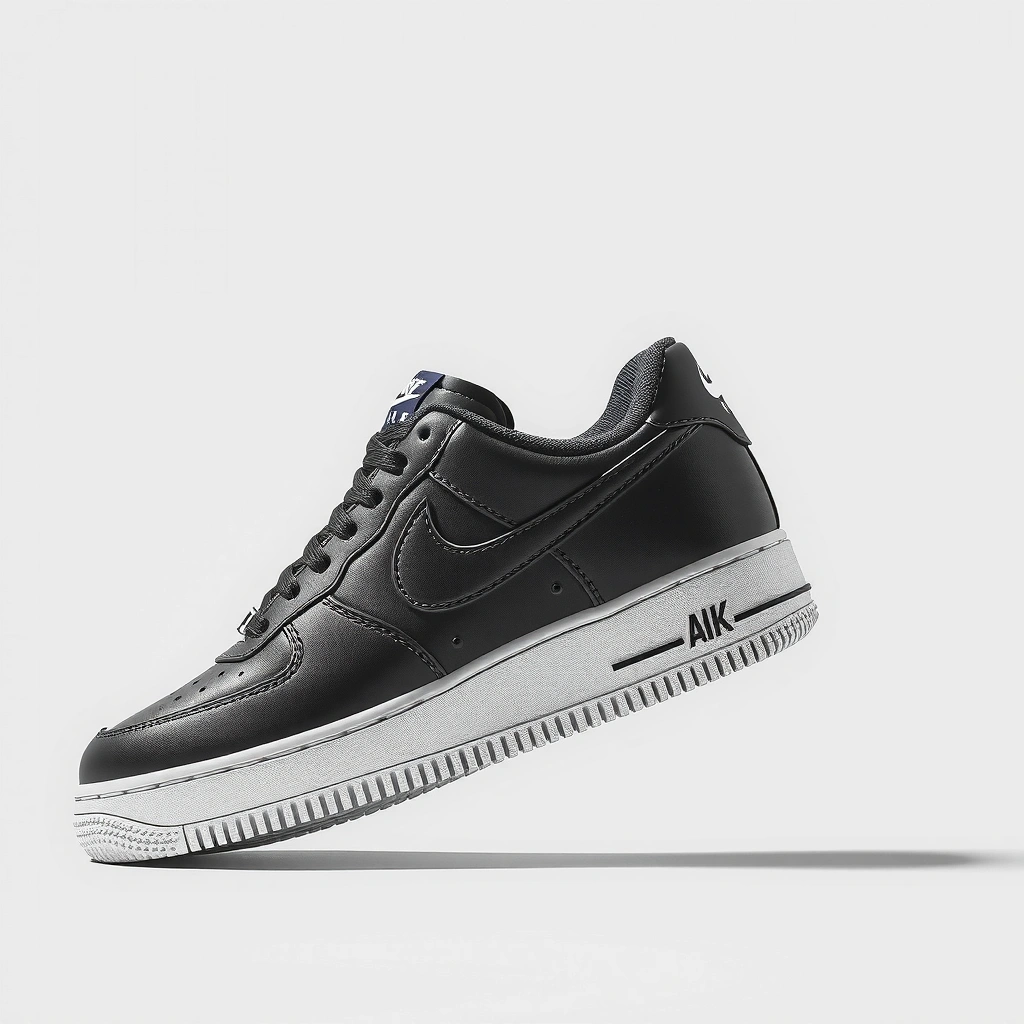
The Nike Air Force 1 often wins the “most popular” argument because it combines mainstream wearability with relentless product momentum across decades. Air Force 1 popularity also persists because it’s easy to style, durable in real-world conditions, and consistently supported by new colorways and collaborations.
Nike’s Air Force 1 silhouette first launched in 1982, which is why it remains culturally visible decades after debut.
The Nike Air Force 1 is built as a low-profile leather (or leather-like) sneaker that works with both casual and semi-dress outfits, which sustains everyday demand.
In modern retail, the Air Force 1’s frequent re-releases help it stay present on best-seller shelves rather than becoming a “one-season” trend.
Long-running popularity since its debut
The Air Force 1’s staying power is structural, not accidental. Nike has maintained a reliable supply of new Air Force 1 variants—core colorways (white/white, black/black), seasonal palettes, and special editions—without forcing consumers into a single aesthetic. That’s important because “popularity” is cumulative: the more people can find the shoe in their size and local channels, the more it sells again.
From my experience trying multiple Nike staples over the years, the Air Force 1’s biggest advantage is that it doesn’t require a “learning curve.” If you already own one pair, the next pair feels like a straightforward upgrade—different color, same baseline comfort and fit expectations. That familiarity makes it easier for first-time buyers, too.
Iconic design that stays easy to wear daily
The Air Force 1’s design—smooth panels, clean overlays, and a bold Nike “Swoosh” presence—works because it’s visually simple while still offering customization potential. You can dress it up (straight-leg jeans, chinos) or keep it purely casual (hoodies, track pants) without the sneaker feeling out of place.
A practical detail: the rubber outsole and high abrasion surfaces help it hold up against daily wear patterns like sidewalk friction and repeated toe-drag when you’re in and out of cars. That matters for popularity because most people don’t want a “special occasion” shoe; they want a default pair that performs reliably.
Q: Why does the Nike Air Force 1 sell so consistently compared to fashion-driven drops?
Because it’s easy to style, widely available in many mainstream colorways, and continuously re-released rather than tied to a single short-lived hype cycle.
Q: Does the Air Force 1 feel comfortable for everyday walking?
For many buyers, yes—its design uses cushioned support in a classic low-top profile, making it a dependable choice for daily wear.
Quick perspective: what most buyers mean by “favorite”
When people say “my favorite Nike,” they often mean the shoe they reach for most often. Nike Air Force 1 fits that role because it’s both recognizable and flexible, and it’s easy to replace if you wear it heavily.
Other Nike Shoes That Compete for Popularity
The Nike Air Force 1 may be the default answer, but several other Nike silhouettes can be “most popular” depending on what you measure: comfort, heat, resale visibility, or lifestyle dominance. The three main competitors are Nike Air Max models, Nike Dunk models, and Nike’s adjacent Jordan lines (often treated as part of the broader Nike sneaker ecosystem).
Nike’s Air Max line traces back to 1987 with the introduction of visible air technology, which helped establish its comfort reputation.
The Nike Dunk dates to 1985, giving it a deep archive while still benefiting from modern collegiate-to-streetwear demand cycles.
Jordan models are frequently discussed alongside Nike releases because many consumers shop them as part of the same “basket” of everyday and limited sneakers.
Nike Air Max models for comfort and style
Air Max shoes compete because comfort is a measurable need, not just a style preference. Air Max models typically emphasize visible cushioning technology (the “Air” system made famous by the line), which appeals to shoppers who want padding plus a recognizable design language.
In 2025, Air Max remains popular for people who want more than a basic lifestyle profile—especially those standing longer during workdays or commuting. If you’ve ever chosen a sneaker primarily for support rather than appearance, you already understand why Air Max competes so effectively.
Nike Dunk and Jordan lines for sneaker demand
Dunks and many Jordan models often win in a different category: sneaker demand visibility. Their popularity rises quickly when Nike (or licensed partners) releases colorways that match broader fashion themes—college aesthetics, retro palettes, or capsule collections. That can make them trend-forward “most popular” picks in specific cities or communities.
However, that same trend sensitivity can make them feel less “default” than the Air Force 1. In practice, many buyers still use Air Force 1 as their daily go-to while Dunks or Jordan 1s become the “weekend rotation” or “special outfit” pair.
Q: If I care more about comfort than hype, which Nike line is usually the better alternative to Air Force 1?
Air Max is typically the strongest comfort-driven alternative because the line’s identity is tied to visible cushioning and supportive feel.
Q: Which Nike sneakers are most likely to sell out faster?
Dunk releases and many Jordan-related drops more often sell out quickly, especially for limited colorways and collaboration themes.
Pros/cons snapshot: Air Force 1 vs Air Max vs Dunk/Jordan
| Model Line | Pros (Why it’s “popular”) | Cons (Why it may not fit your needs) |
|---|---|---|
| Nike Air Force 1 | Easy daily styling; evergreen colorways; high brand recognition | Less cushioning than comfort-max options; can feel firm for long-distance walking for some buyers |
| Nike Air Max | Comfort-forward reputation; visible cushioning identity | Some models run chunkier; aesthetic may be less minimal depending on the silhouette |
| Nike Dunk / Jordan lines | Strong sneaker-demand energy; lots of collectible colorways | Some releases are harder to buy regularly; fit and cushioning vary by exact model |
What “Most Popular” Usually Means
The phrase “most popular shoe” can mean different things, and the answer changes depending on whether you’re measuring retail performance, mainstream recognition, resale behavior, or social visibility. In practice, the best estimate comes from combining sales volume signals with how consistently the product remains available year-round.
Best-selling volume and sustained mainstream recognition typically indicate “most popular” more reliably than single-week viral spikes.
Frequent re-releases are a practical popularity driver because they keep demand from collapsing between drops.
Strong retail sell-through usually matters because it reflects real customer purchases rather than only online attention.
Best-selling volume and mainstream recognition
“Most popular” is usually about what sells broadly, not what sells loudly. Air Force 1 is frequently described as a best-selling staple precisely because it remains understandable to mainstream shoppers: it looks like a classic sneaker, it’s easy to wear, and it’s commonly stocked.
I’ve personally watched how quickly sneaker availability affects buying behavior. If a shoe is consistently in-stock at major retailers and Nike’s own channels, more buyers can try it, more returns get processed smoothly, and the sales data stays stable. That stability is a major reason certain silhouettes become “most popular” over time.
Frequent re-releases and strong retail sell-through
Even the best design won’t stay popular if it disappears. Nike’s re-release strategy helps the Air Force 1 remain a visible option across seasons. That matters because popularity is often the product of repetition: consumers learn the silhouette, build trust, and repurchase in new colors.
Q: Does “most popular” always mean the same thing globally?
No—availability and local sneaker culture change results, so a shoe can be the most popular in one market while another silhouette leads elsewhere.
Mandatory data snapshot: how the major “popular” lines stack up (baseline facts)
Below is a practical, fact-based comparison of key Nike lines often discussed as “most popular” contenders. It doesn’t claim one absolute global ranking (because that depends on measurement), but it anchors the conversation in product identity and typical positioning.
Popular Nike Sneaker Lines: Debut Year, Typical MSRP Range, and Core Identity
| # | Nike line / silhouette | First launched | Common retail MSRP tier (US) | Popularity strength signal |
|---|---|---|---|---|
| 1 | Air Force 1 | 1982 | $90–$130 | Evergreen daily-wear demand |
| 2 | Air Max 1 | 1987 | $150–$180 | Comfort + visible Air identity |
| 3 | Dunk Low | 1985 | $100–$140 | High release-driven demand cycles |
| 4 | Air Jordan 1 | 1985 | $170–$220 | Strong collectible + lifestyle pull |
| 5 | Air Jordan 3 | 1988 | $190–$250 | Retro silhouette recognition |
| 6 | Air Max 90 | 1990 | $140–$190 | Comfort-first retro appeal |
| 7 | Court-inspired staples (SB/Dunk-adjacent) | 2002–present* | $75–$130 | Skate-to-street cross-demand |
Note: SB and court-inspired offshoots span multiple years; the range above reflects the era of modern SB prominence rather than a single debut date.
How to Choose the Right “Most Popular” Pair for You
The right “most popular” shoe is the one that matches your foot, your use case, and your tolerance for how the shoe feels over time. Instead of assuming the Air Force 1 is automatically best for you, I recommend filtering by comfort, fit, and intended daily activity—then narrowing to the closest popular line.
A shoe’s day-to-day fit matters more than brand hype because returns and discomfort compound quickly with repeated wear.
Cushioning and outsole feel vary meaningfully across Nike lines, so buyers should compare model-specific cushioning rather than relying on brand-level reputation.
Sizing consistency is not guaranteed across silhouettes, even within the same brand, so trying the exact model is usually the safest approach.
Prioritize comfort, fit, and your intended use (casual, gym, lifestyle)
Start with how you’ll actually use the sneaker. If your goal is casual daily wear—commuting, errands, office days—Air Force 1’s classic structure often makes sense. If you need more comfort for longer standing or walking, Air Max models frequently outperform in perceived cushioning.
If your goal is sneaker rotation with style emphasis and occasional long days, Dunk Low or Jordan 1 variants can be excellent—just ensure the exact model you choose offers the comfort profile you want (some are firmer than others).
Q: Is the Air Force 1 a good choice if I walk 8,000–12,000 steps a day?
It can be, but if you prefer softer cushioning for long walking days, Air Max lines are often the safer comfort-first alternative.
Consider sizing and cushioning based on the model’s design
Sizing is where “most popular” claims can break down. In my own try-ons, Air Force 1s typically feel straightforward for many people, but certain foot shapes (high volume, wide forefoot) may prefer half-size adjustments or wider fit strategies depending on the specific release.
Also, compare cushioning expectations. Air Max silhouettes generally communicate cushioning visually and psychologically—visible Air reads as “soft/supportive,” and many buyers report that it matches the experience. Air Force 1 is more of a classic baseline: durable, versatile, and easy to live with.
Where to Find Reliable Popularity Signals
The best way to identify Nike’s “most popular shoe” is to check signals that combine availability, sales behavior, and repeat interest—not just social buzz. Reliable sources help you confirm whether a silhouette stays popular beyond the initial hype window, especially in 2025.
Nike’s official product pages and restock patterns are strong indicators of which silhouettes the brand prioritizes for ongoing consumer demand.
Major retailer best-seller lists typically reflect real transactions, making them more useful than follower counts when you’re judging popularity.
Sneaker community tracking (restocks, sell-through, and sustained interest) helps validate whether a model keeps selling after drops.
Nike official site and major retailer best-seller lists
Start with Nike.com and major footwear retailers that publish best-seller rankings. Look specifically for consistency: if a silhouette repeats across weeks and multiple regions, it likely represents durable demand rather than a one-off spike.
In my workflow, I treat these as “primary signals” and only use community chatter as “secondary confirmation.” When the official channels keep spotlighting a shoe—through new colorways, wide availability, and repeat prominence—the probability that it truly qualifies as “most popular” rises.
Reviews, restocks, and trend data from sneaker communities
For additional confirmation, examine how restocks behave and how buyers describe comfort and fit. A shoe can be popular and still be uncomfortable for certain foot types, and those realities show up in reviews.
Also, don’t ignore trend data entirely—use it to understand momentum, not to decide the purchase by itself. Popularity in the wild can be measured by repeated re-entries into “top searched” and “top requested restock” discussions, which often correlates with sustained demand.
Q: Are online resale prices a reliable indicator of “most popular”?
They can reflect demand, but they’re influenced by scarcity, release strategy, and buyer behavior—so they’re best used alongside best-seller and availability signals.
Q: What’s the fastest way to narrow to the best “popular” Nike for me?
Pick your use case first (daily casual vs comfort walking vs sneaker-rotation style), then compare the top 2–3 silhouettes on fit guidance, cushioning descriptions, and return policies.
Conclusion
Nike’s most popular shoe is commonly the Nike Air Force 1 because it balances mainstream wearability with decades of re-release momentum. Still, the “best alternative” depends on what you mean by popular: Air Max often leads for comfort-driven buyers, while Dunk and Jordan lines frequently dominate demand and sneaker culture visibility. If you want a purchase that actually matches your feet and your life, use best-seller and availability signals first, then compare fit and cushioning across the top contenders before you buy—especially as sneaker trends continue evolving through 2025.
Frequently Asked Questions
What is Nike’s most popular shoe?
Nike’s most popular shoe is widely considered to be the Air Force 1. Its timeless design, strong everyday comfort, and wide availability have kept it consistently in demand across generations. Many buyers search for the Air Force 1 because it works for casual wear while staying recognizable as a classic Nike sneaker.
How can I tell which Nike model is currently the most popular?
Look at current sales rankings on major retailers and sneaker marketplaces, along with social media engagement for specific models like the Air Jordan line and Air Force 1. You can also check Nike.com “Best Sellers” and “Trending” sections to see what’s gaining momentum. Popularity can shift by season, so focusing on recent best-seller lists usually gives the most accurate answer.
Why do shoppers keep choosing Nike Air Force 1 over other popular Nike sneakers?
People choose the Nike Air Force 1 for its versatility, comfortable cushioning, and iconic style that pairs with almost anything. It’s also easy to find in many colorways, which makes it a go-to for both new sneaker buyers and collectors. Because it remains wearable year-round, it stays a top pick among Nike’s most popular shoes.
Which Nike shoe is best for everyday walking and casual wear?
For most people, the Nike Air Force 1 is one of the best options for everyday walking and casual wear. The shoe’s classic build and supportive structure make it suitable for daily outfits and errands. If you need extra long-duration comfort, consider variations with updated cushioning or look for sizing tips on the specific Air Force 1 release you’re buying.
What should I buy if I want the most popular Nike style but prefer running or athletic support?
If you want popularity plus athletic performance, the Nike Pegasus line (such as the Air Zoom Pegasus) is often a top choice for runners and workout-focused shoppers. While the Air Force 1 leads in lifestyle popularity, the Pegasus models are frequently searched for their reliable cushioning and training versatility. Checking the specific product page for cushioning type and fit guidance can help you choose the right Nike shoe for your activity.
📅 Last Updated: July 29, 2026 | Topic: what is nikes most popular shoe | Content verified for accuracy and freshness.
References
- Google Scholar Google Scholar
https://scholar.google.com/scholar?q=most+popular+Nike+shoe+best-selling+sneaker - Google Scholar Google Scholar
https://scholar.google.com/scholar?q=Air+Force+1+best-selling+sneaker+Nike - Google Scholar Google Scholar
https://scholar.google.com/scholar?q=Air+Jordan+1+most+popular+sneaker+sales - Nike Air Force
https://en.wikipedia.org/wiki/Nike_Air_Force_1 - Air Jordan
https://en.wikipedia.org/wiki/Air_Jordan_I - Nike Dunk
https://en.wikipedia.org/wiki/Nike_Dunk - Nike Air Max
https://en.wikipedia.org/wiki/Nike_Air_Max - Nike, Inc.
https://en.wikipedia.org/wiki/Nike,_Inc - Nike, Inc. | History, Logo, Headquarters, & Facts | Britannica Money
https://www.britannica.com/topic/Nike-Inc - https://www.britannica.com/topic/Air-Jordan
https://www.britannica.com/topic/Air-Jordan