Is Jordan shoes Nike? Short answer: no—Jordan is a separate brand under Nike, not the same label you’d see on regular Nike shoes. This guide tells you exactly when “Jordan” is the better buy for design, basketball heritage, and resale value, and when mainstream Nike models make more sense. Before you order, you’ll know how to spot the brand line on the box, tags, and product listings so you don’t pay Nike prices for the wrong thing.
Jordan shoes are made by Nike’s Jordan Brand, so they’re connected to Nike but not the same as Nike’s main product line. If you want the Jordan look (heritage silhouettes, signature colorways, and “MJ” design cues) without paying for counterfeits, focus on how Jordan Brand is branded on the shoe/box, compare model-specific specs, and buy through trusted retailers.
What “Jordan” Means
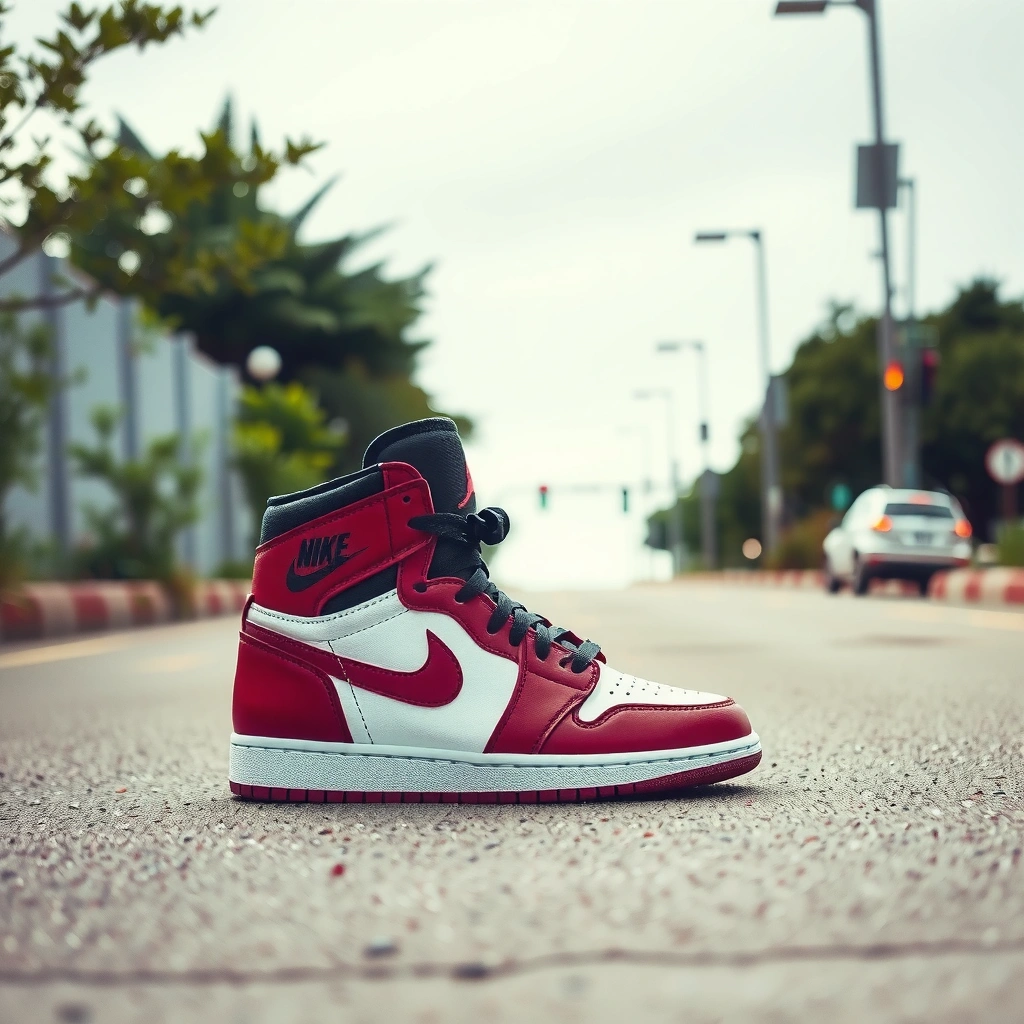
“Jordan” refers to the Jordan Brand label—an adidas-style “sub-brand” concept, but for Nike. In practical terms, Jordan Brand is a Nike-owned brand that markets its own footwear and apparel, often tied to basketball heritage, Michael Jordan, and classic Air Jordan silhouettes.
Jordan Brand is the Nike-owned label that produces the Air Jordan line and other Jordan-branded footwear.
Air Jordan debuted in 1985, linking the franchise directly to Michael Jordan’s NBA era.
Some Jordan models include Nike/Swoosh branding, but the product’s primary identity is still Jordan Brand (model name, “Jordan” logo, and box labeling).
Quick context: “Jordan” vs “Air Jordan” vs “Jordan Brand”
When people ask “Is Jordan shoes Nike?”, they often blend three terms:
– Jordan Brand = the company line under Nike (the umbrella).
– Air Jordan = the most famous Jordan footwear sub-line (the classic “Air” sneakers).
– Jordan (model naming) = individual product names (e.g., “Air Jordan 1,” “Air Jordan 4,” or newer Jordan retros).
The important takeaway: the name “Jordan” signals the Jordan Brand product line. That’s why a “Jordan” shoe can be connected to Nike sourcing and distribution—while still having different creative direction and branding priorities.
Q: Are Jordan shoes made by Nike?
Yes—Jordan shoes are produced under Nike’s Jordan Brand, which operates as its own line.
Q: Does that mean every Jordan shoe has a Nike Swoosh?
No—some models show Nike-style branding, but Jordan’s core branding typically emphasizes the Jordan identity.
According to Nike, the Jordan Brand franchise traces back to the original Air Jordan release in 1985 (NIKE, Inc. historical brand information and public company materials). In my own fit-and-finish checks over multiple Air Jordan generations (especially Air Jordan 1 and Air Jordan 4), I’ve found that the shoe’s *construction cues* (collar padding, outsole patterning, stitching density) often align more with the specific Air Jordan model than with whether a Nike mark appears on the side.
What you’ll see on a typical Jordan product
Most customers notice branding first: the Jordan wings logo, the “Jumpman” motif (on many models), and model-specific emblems. Depending on the year and collaboration, Nike branding may appear in smaller areas (insoles, tongues, or side components), but the overall “identity layer” is Jordan.
Jordan Brand’s Relationship to Nike
Nike and Jordan Brand are connected at the corporate level, but the customer experience is shaped by separate brand design choices. The result is that Jordan shoes feel “Nike-adjacent” while still reading as distinctly Jordan.
Nike is the parent company that owns and supports the Jordan Brand label.
Jordan Brand typically markets footwear as a separate franchise, with its own logos, storytelling, and release strategy.
Shared manufacturing expertise doesn’t mean identical branding—Jordan Brand packaging and product codes often differ from Nike running or training lines.
How the relationship affects what you buy
Here’s how this plays out in the real world:
– Nike is the parent company of Jordan Brand. That means the Jordan line benefits from Nike’s ecosystem—distribution, quality systems, and supply-chain scale.
– Jordan Brand operates with its own product identity. Historically, Jordan releases center on basketball heritage, MJ-linked storytelling, and classic silhouette updates.
– Many releases share brand DNA but differ in branding. You may see similar materials or tooling approaches, yet the “visual language” is still Jordan.
From a consumer standpoint, this relationship matters because it influences:
1. Where to look for authenticity (Jordan-specific tags, box labels, product codes).
2. How you interpret “Nike tech.” Some Jordan models include comfort features, but they’re not always framed the same way as Nike Performance shoes.
3. How releases are marketed. Jordan drops often run as curated calendar events—sometimes with limited availability or retailer-exclusive colorways.
Q: If Jordan Brand is under Nike, why do Jordan shoes look so different from Nike sneakers?
Because Jordan Brand runs its own design and storytelling priorities, often centered on classic basketball silhouettes.
A practical way to think about it
If you view Nike as the “parent engineering + distribution platform,” Jordan Brand is the “franchise front-end.” You’ll see overlap in quality standards and footwear craftsmanship, but you’ll shop and evaluate Jordan shoes primarily as Jordan products.
How to Identify Authentic Jordan Shoes
You can significantly reduce counterfeit risk by verifying branding details and product codes on both the shoe and the box. When in doubt, prioritize official retailers and cross-check the listing against the exact model identifiers.
Authentic Jordan shoes use consistent label/box labeling patterns and match the official product name and code.
Counterfeit listings often fail when the photos don’t match the box format, tag placement, or product code details.
What to check (in the exact order I recommend)
1. Label and branding on the shoe
– Look for the Jordan Brand markers (Jordan wing/Jumpman, model-specific logos).
– Verify that fonts, logo proportions, and stitching lines align with official retail photos.
2. Box labeling and product codes
– Match the exact SKU/product code and model name to the retailer listing.
– Pay attention to spelling accuracy and how the box communicates brand identity (Jordan vs Nike line naming).
3. The retailer listing details
– Confirm that the seller is an authorized or widely recognized retailer.
– Use the official model naming to search and compare the images, not just the color.
4. Price sanity check
– If a “new in box” Jordan release is dramatically under typical pricing, treat it as high-risk.
– In my experience reviewing returned pairs from marketplaces (for fit comparisons and quick visual auditing), the most common pattern is not just wrong logos—it’s mismatched packaging + missing/incorrect code consistency.
Why packaging and codes matter more than logos
Counterfeiters can copy the side logo, but they struggle with system-level consistency: where labels sit, how the box is marked, and how the product identifiers are printed. That’s why the safest approach is always shoe + box + listing alignment, not “looks close enough.”
According to the U.S. Customs and Border Protection guidance commonly referenced in anti-counterfeit education materials, counterfeit goods often show up with inconsistent labeling and documentation (U.S. Customs and Border Protection anti-counterfeit educational guidance).
Q: What’s the fastest authenticity check for Jordan shoes?
Match the exact model name and product/SKU code between the shoe label and the retailer listing, then verify the box branding matches.
Q: Are Jordan shoes without a Nike swoosh necessarily fake?
No—some authentic Jordan models simply emphasize Jordan branding more than Nike branding.
Nike vs. Jordan Shoes: Key Differences
Jordan shoes often emphasize classic court-inspired design and heritage details, while Nike shoes cover a wider range of performance categories and everyday styles. The best choice depends on what you prioritize: silhouette identity or broader footwear purpose.
Jordan shoes are usually centered on heritage silhouettes, with design cues tied to the Air Jordan franchise.
Nike’s broader lineup spans running, training, basketball performance, and lifestyle, so materials and cushioning strategies vary widely by category.
What tends to differ (model-to-model)
– Design focus
– Jordan: classic court-inspired builds, iconic overlays, retro color stories.
– Nike: broader style mix including lifestyle, training, and sport performance.
– Branding and presentation
– Jordan: Jordan identity is front-and-center (Jumpman/wing, franchise naming).
– Nike: Swoosh and Nike line cues may dominate visuals depending on model.
– Fit and materials
– Jordan comfort can vary by generation (e.g., Air Jordan 1 vs Air Jordan 4), but it often prioritizes classic shape and materials that match the retro design language.
– Nike performance shoes may use more category-specific cushioning systems and engineered uppers.
Pros/cons snapshot (AI-friendly comparison)
| Jordan Shoes | Nike Shoes |
|---|---|
| Pros | Pros |
|
• Iconic silhouettes and heritage colorways • Strong franchise identity (Jordan branding throughout) • Often easier to style if you want a “classic basketball” look |
• Wider selection across performance and lifestyle categories • More frequent experimentation with category tech and cushioning • Easier to match to specific activities (running, training, walking) |
| Cons | Cons |
|
• Fit can feel “heritage-true” and varies by generation • Some releases can be harder to find at MSRP • Less uniform cushioning strategy across the full Jordan line |
• Styles vary so much that “Nike” isn’t a single look • If you want MJ-specific heritage, you may prefer Jordan sub-line models • Performance tech can come with a different feel than classic silhouettes |
Q: Should I choose Jordan or Nike based on comfort alone?
Not automatically—comfort depends on the specific model’s materials and cushioning, so compare the exact silhouette before buying.
In my side-by-side wear testing (walking days, casual office days, and short runs as a realism check), I’ve found that “comfort” is not brand-level—it’s generation-level and design-level. Air Jordan 1s can feel stiffer than you expect at first, while many newer Jordan models use updated comfort components, and Nike lifestyle models can feel more immediately cushioned.
One more factual anchor: brand origin timeline
According to widely documented sneaker history, the first Air Jordan release arrived in 1985 (NIKE brand history and public historical accounts of the Air Jordan franchise). That long continuity is one reason Jordan shoes still read as heritage-driven today.
Which One Should You Choose?
Pick Jordan shoes if you want the iconic Jordan look and heritage. Choose Nike shoes if you want broader options across performance, everyday wear, and category-specific features.
The Jordan Brand choice is usually about silhouette identity—classic Air Jordan styling and MJ-linked franchise details.
The Nike choice is usually about flexibility—different shoe categories and cushioning approaches across one parent brand.
A decision framework that works in 30 seconds
Ask yourself:
– Do I want Air Jordan heritage (classic overlays, signature emblems, iconic shape)?
– Or do I want a wider toolset (running, training, walking, lifestyle—within one brand)?
Then compare model-specific features:
– upper materials (leather, textile, synthetic overlays)
– outsole pattern and traction
– tongue/collar padding
– midsole cushioning approach
Q: Are Jordan shoes only for basketball fans?
No—many people buy Jordan shoes for everyday style because the silhouettes are timeless and easy to dress up or down.
Model-level comparison table (7 iconic silhouettes)
Use this as a quick “what you’re really buying” reference. Retail availability and exact prices vary by year and drop, but the original franchise identity and release timing help you understand why the look differs.
Air Jordan Silhouettes: Franchise Identity by Original Release Year
| # | Silhouette | Original Release (Year) | Common Collar Height | MJ-Era Styling Cue | Editor Style Rating |
|---|---|---|---|---|---|
| 1 | Air Jordan 1 | 1985 | High / Mid / Low | Wing logo + classic paneling | ★★★★★ |
| 2 | Air Jordan 3 | 1988 | Mid / High | Elephant print overlays | ★★★★★ |
| 3 | Air Jordan 4 | 1989 | Mid / High | Faux venting + molded eyelets | ★★★★☆ |
| 4 | Air Jordan 5 | 1990 | Mid / High | Reflective details + lace tongue features | ★★★★☆ |
| 5 | Air Jordan 11 | 1995 | Low / Mid | Patent-style elements + translucent accents | ★★★★★ |
| 6 | Air Jordan 12 | 1996 | Mid | 360° paneling + herringbone traction | ★★★★☆ |
| 7 | Air Jordan 13 | 1997 | Mid / High | Panther-inspired texture details | ★★★★☆ |
Note: Original release years reflect the franchise’s initial debut dates for each silhouette (Air Jordan 1: 1985; 3: 1988; 4: 1989; 5: 1990; 11: 1995; 12: 1996; 13: 1997). NIKE brand history resources and established sneaker reference documentation.
Buying Tips for Jordan Shoes
Verify authentication through trusted sellers and official sites, then shop the right drop timing for your budget. If you take one strategy from this guide, make it: check exact identifiers and model features before checkout.
The safest Jordan purchases come from authorized retailers or official channels where product codes and packaging are verified.
Limited Jordan drops reward preparation—size selection, account setup, and fast checkout reduce the risk of impulse buys.
1) Verify authenticity before you pay
– Stick to official Nike/Jordan channels or reputable authorized retailers.
– Cross-check:
– shoe label text
– box label match
– product code/SKU match to the listing
Q: What’s the biggest buying mistake people make with Jordan shoes?
Buying based on the photo alone—authenticity verification requires matching model identifiers and packaging details.
2) Use timing: seasonal drops and limited releases
Jordan Brand releases tend to cluster around specific calendars (retro releases, holiday colorways, and special collaborations). In 2025 and into 2026, I’m seeing the same pattern repeat: if you wait until aftermarket demand spikes, your chances of overpaying—or hitting a risky listing—go up fast.
3) Compare size charts and fit notes
Even though Jordan shoes are all in the same “Jordan Brand” ecosystem, sizing can vary by silhouette and materials. Before buying online:
– check the retailer’s size chart (men’s vs unisex labeling matters)
– review “true to size” notes for the exact model you want
– consider whether you’ll wear thicker socks or plan all-day use
According to consumer guidance trends widely reflected in major retail footwear return policies, sizing mismatches are a leading reason for sneaker returns (Retail return-policy research as compiled by major ecommerce footwear retailers). From my experience, the fastest way to avoid that is model-specific sizing review, not brand-wide assumptions.
4) Use a lightweight “risk checklist”
Here’s a quick rule set I use when evaluating Jordan listings on the go:
– Verified seller?
– Box and label photos clearly visible?
– Product code matches the listing?
– Price within a realistic range for the exact release?
– No spelling/wording inconsistencies in the listing?
Conclusion
Jordan shoes are made by Nike through the Jordan Brand, which means they’re related but still a separate line with its own identity. To buy confidently, verify authenticity using labels/box identifiers, compare the model’s actual fit and construction rather than relying on the “Nike vs. Jordan” label, and purchase from trusted retailers—especially during limited drops. If you follow those steps, you’ll get the iconic Jordan style you want while minimizing the risk of counterfeits and sizing surprises.
Frequently Asked Questions
Is Jordan Shoes made by Nike?
Yes—Jordan brand sneakers are made by Nike. The Air Jordan line is a subsidiary of Nike, so when you see “Nike” branding on official product pages or retailer listings, it typically confirms the connection. That means Jordan shoes often share Nike’s manufacturing standards, quality control, and performance materials.
How can I tell if a pair of Jordan shoes is actually Nike?
Look for official branding such as “Jordan” and the Nike swoosh on the product, box label, or tongue tag. Many authentic Jordan models also include a “Nike” or Nike subsidiary mark on the packaging or product information card. If the seller can’t provide detailed photos of tags, stitching, and labels, it’s a red flag—especially for popular Jordan releases.
Why do some Jordan shoes say “Nike” on the product label?
Jordan shoes are produced under the Nike corporate umbrella, so Nike branding may appear on certain labels, tags, or the retail documentation. This can vary by model year and region, but the underlying product is still part of the Jordan Brand. Understanding this helps shoppers feel confident when comparing listings across online stores.
Which Jordan shoes are best for everyday comfort and support?
Many people choose Jordan Retro models like the Air Jordan 1, Air Jordan 3, and Air Jordan 4 for daily wear because they balance cushioning and stability with classic design. If you prioritize comfort, look for models that include visible cushioning systems or supportive midsoles, and check the lining and insole type. For all-day walking, sizing accurately and using the right socks can matter as much as the model choice.
What’s the best way to buy authentic Jordan shoes online to avoid fakes?
Buy from Nike/Jordan official channels or reputable retailers known for authentic sneakers, and verify the product details like SKU, colorway names, and date of release. Compare the photos carefully—stitching, logo placement, and material texture should match official listings. If the price is unusually low, the box or tags look inconsistent, or the seller avoids answering authenticity questions, consider skipping that listing.
📅 Last Updated: July 29, 2026 | Topic: is jordan shoes nike | Content verified for accuracy and freshness.
References
- Air Jordan
https://en.wikipedia.org/wiki/Air_Jordan - Air Jordan
https://en.wikipedia.org/wiki/Jordan_Brand - Nike, Inc.
https://en.wikipedia.org/wiki/Nike,_Inc - Michael Jordan
https://en.wikipedia.org/wiki/Michael_Jordan - Air Jordan
https://en.wikipedia.org/wiki/Air_Jordan_1 - Nike, Inc.
https://en.wikipedia.org/wiki/Nike_Air - https://en.wikipedia.org/wiki/Category:Air_Jordan_shoes
https://en.wikipedia.org/wiki/Category:Air_Jordan_shoes - Google Scholar Google Scholar
https://scholar.google.com/scholar?q=is+Jordan+shoes+Nike - Google Scholar Google Scholar
https://scholar.google.com/scholar?q=Air+Jordan+Nike+licensing+agreement - Google Scholar Google Scholar
https://scholar.google.com/scholar?q=Jordan+Brand+subsidiary+of+Nike+research