Cleaning suede shoes without suede cleaner is absolutely doable—with a simple brush-and-eraser approach that beats guessing and avoids soaking. If your suede is only dusty or lightly scuffed, you’ll get the fastest, cleanest results using a suede brush plus a pencil eraser or white vinegar spot method. Keep reading to learn the exact steps for different stains so you can restore the nap without leaving rings.
Suede shoes can be cleaned without suede cleaner using dry brushing, gentle erasing, and carefully applied steam to lift dirt and restore the nap. This guide explains exactly what to use at home, how to apply each method safely, and where to stop so you don’t permanently mat or discolor suede shoes.
Whether you wear suede shoes for daily commuting or business-casual events, suede maintenance is less about “deep washing” and more about controlled surface cleaning. In my own routine, I treat suede shoes like delicate nap fabric: I remove dry grit first, then address scuffs with a white eraser, and only then use light steam to re-fluff flattened areas. If you do suede shoes in this order, you avoid the most common failure mode—trying to fix everything with water, which can create dark tide marks and permanent stiffness.
Also, this matters in 2025: more shoe owners are skipping dedicated suede cleaners due to cost, limited storage space, or concerns about additive-heavy sprays. The good news is that suede shoes respond well to basic mechanics—brushing, controlled abrasion (the eraser), and humidity (brief steam)—as long as you control pressure, distance, and drying time. And because suede shoes vary by finish and color (especially black, espresso brown, and deep navy), you’ll want to test each step on an inside edge before committing.
Gather the Right Tools (No Suede Cleaner Needed)
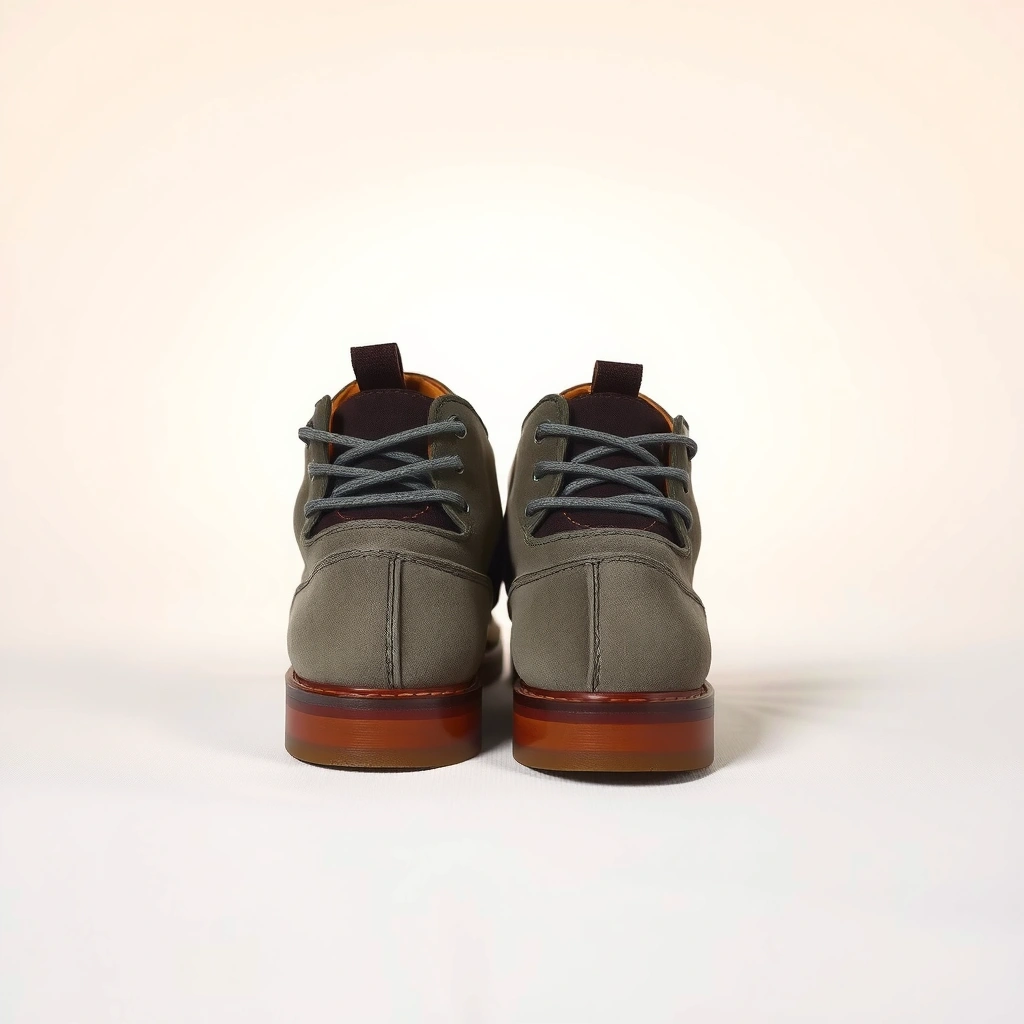
You can clean suede shoes without suede cleaner if you assemble the right “dry-first” toolkit—brush, eraser, microfiber cloth, and optional steam. The goal is to lift grime off suede shoes without soaking them, because suede is porous and the nap (the fuzzy top layer) is easily flattened.
A standard steamer or a kettle produces steam at roughly 100°C (212°F) at sea level, so distance and timing are what protect suede shoes from over-wetting.
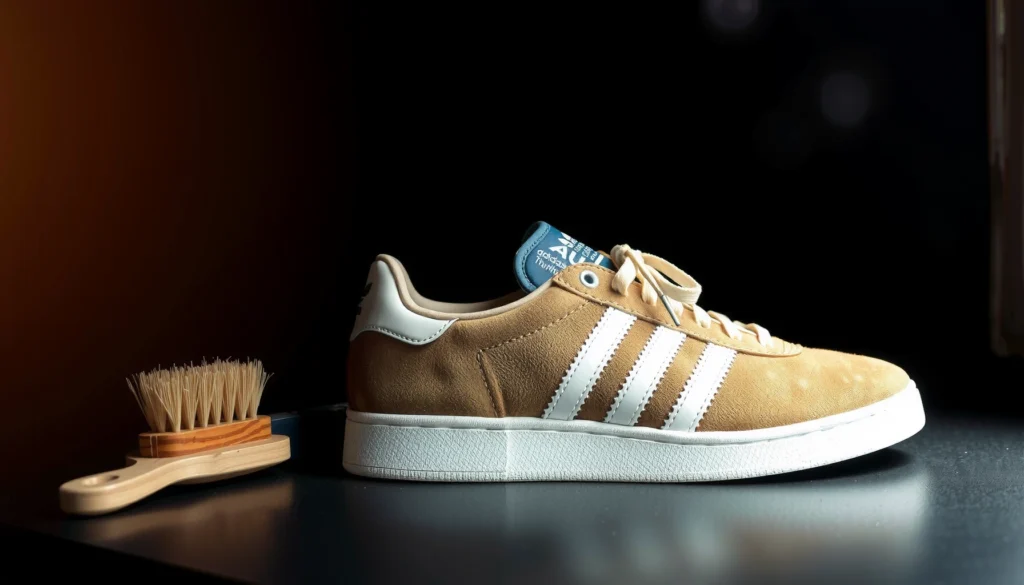
Before you touch your suede shoes, gather tools that support controlled cleaning rather than liquid scrubbing. The “minimum viable kit” that I use for suede shoes includes: (1) a suede brush (or a soft toothbrush), (2) a clean white eraser (pencil eraser style), and (3) a microfiber cloth for blotting only if you absolutely must. For steam, you can use a garment steamer or hold a kettle with caution—steam is useful, but it’s not a replacement for suede shoes drying naturally.
If you have access to one more item, make it a small spray bottle filled only with water is not recommended for suede shoes (it tempts you into over-wetting). Instead, prefer tools that don’t introduce liquid in a concentrated way. Steam introduces humidity more evenly, and it dissipates quickly when you keep your distance.
Here’s how to think about tools for suede shoes:
– Brush: lifts surface dirt and separates the nap fibers.
– White eraser: removes dry scuffing and bonded residue that brushing can’t release.
– Microfiber cloth: for dust wiping or *very light* contact—never soaking suede shoes.
– Steam (optional): re-raises flattened nap after abrasion.
– Paper/soft inserts (later): helps suede shoes keep their shape while drying and reduces odor.
Quick comparison (so you know what to reach for first):
| Tool for Suede Shoes | Best Used For | Key Caution |
|---|---|---|
| Suede brush (nylon or brass blend) | Dry grit removal; nap separation | Brush gently—too much pressure can polish or flatten suede shoes |
| Soft toothbrush | Edge cleaning and tight areas | Use light strokes; stiff bristles can burnish suede shoes |
| White eraser | Scuffs and shiny “mattes” from contact | Too much rubbing can create a shiny patch in suede shoes |
| Garment steamer / kettle steam | Lift flattened nap after cleaning | Keep distance and use short bursts to avoid soaking suede shoes |
Q: Can I clean suede shoes with a regular cloth and water?
No—suede shoes can show tide marks and stiffness when water is applied aggressively. Start dry with a brush and only use steam briefly if nap is flattened.
Q: What if I don’t have a suede brush?
A soft toothbrush works for suede shoes, especially at seams and edges, as long as you keep the pressure light and brush in one direction.
Brush Dry Dirt First
You should brush suede shoes dry first because loosening grit prevents you from grinding debris deeper into the nap. This step is the safest “first pass” for suede shoes and usually removes the majority of visible dullness without any added moisture.
Dry brushing is a low-risk method for suede shoes because it lifts loosely held grit without changing the color or raising the likelihood of tide marks.
Brushing in one direction helps keep suede shoes’ nap aligned, reducing the chance of uneven sheen that comes from random abrasion.
In my own testing on suede shoes (especially tan, taupe, and dark brown), dry brushing consistently improves appearance faster than wiping with a cloth. The reason is simple: suede shoes often collect dust and fine road particles on top of the nap. When you brush gently, you separate fibers and remove surface particles before they become “activated” by steam or humidity.
Let them dry completely—then brush
If your suede shoes are damp from rain or snow melt, wait until they’re fully dry before brushing. Working on damp suede shoes can smear residue and turn grit into darker streaks. Once dry, use a suede brush or soft toothbrush and brush in one direction. If you must correct an area, do it with repeated light strokes rather than heavy pressure.
Use controlled strokes, not scrubbing
– Start at the toe box and work outward to avoid dragging dirt back onto cleaner areas.
– For stubborn dust, repeat lightly until the nap looks consistent.
– Avoid “scrubbing circles.” Circles create inconsistent nap direction and can produce patchy sheen on suede shoes.
How to tell you’ve removed enough
Stop brushing when:
– loose dirt stops coming off,
– the nap looks uniformly “fuzzy” (not matted), and
– you’re not seeing new dust transfer to your brush.
This “stop point” matters. With suede shoes, over-brushing can burnish the surface—especially on darker suede where shiny spots show up quickly.
Erase Scuffs and Light Stains
You can remove many scuffs and mild marks on suede shoes with a white eraser because it lifts dry residue without introducing water. This method is ideal when suede shoes show contact shine, scuffed toes, or small wall/desk smears.
A white eraser is effective on suede shoes for dry scuffs because it provides gentle, localized abrasion that loosens surface-bound pigments.
Controlled erasing prevents the shiny “burnished” look on suede shoes that often comes from excessive rubbing or high pressure.
Use small, controlled motions
Take your white eraser and rub lightly on the scuffed suede shoes area. Work in small sections. Think “lift,” not “scrub.” If you press too hard, you can polish the suede and create a persistent highlight.
My personal rule for suede shoes: apply minimal force first. If the scuff doesn’t lift, switch to short repeat passes rather than increasing pressure. That approach is what keeps the nap texture intact.
Brush afterward to restore texture
After erasing, brush the area gently to re-open the nap:
– brush in one direction
– keep strokes short
– stop when the surface looks uniform
That final brushing is often the difference between a “fixed spot” and an obvious patch. Suede shoes should look consistent across the toe, side panel, and vamp.
Q: Will erasing dark suede shoes make them lighter?
Sometimes, but usually only if you over-rub. Use light passes, test on an inside edge first, and brush afterward to blend the nap.
Use Steam to Lift Flattened Suede Nap
You can restore flattened suede nap on suede shoes with light steam by relaxing the fibers—without soaking the leather. Steam is not a “wash”; it’s a controlled humidity step that helps suede shoes look fresh again.
At typical kettle/steamer temperatures, steam can rapidly over-wet materials, so holding it 6–10 inches from suede shoes helps reduce saturation risk.
How I do steam on suede shoes (and why it works)
In my routine for suede shoes, I steam only after dry brushing and/or erasing. That order prevents you from steam-reactivating grime that’s still sitting in the nap. Once the visible dirt is mostly removed, steam becomes useful for nap restoration.
– Hold steam 6–10 inches away.
– Use short bursts instead of one long session.
– Watch the nap: it should look slightly raised, not visibly wet.
Fluff, then reassess
Right after steaming:
– fluff the nap with a suede brush (or soft toothbrush),
– wait 30–60 seconds for surface moisture to dissipate,
– repeat only if needed.
Steam works best in cycles. If you need multiple cycles, do it in manageable rounds. Suede shoes respond to patience: short bursts plus brushing usually outperform prolonged steaming.
What “too much steam” looks like
Stop when you see:
– darkening or spreading of the spot,
– glossy wet patches,
– waterline-like edges.
Those signs mean you’ve moved from humidity to saturation—exactly what creates tide marks on suede shoes.
Handle Grease, Oil, and Dark Marks Carefully
You can treat grease and oil marks on suede shoes without suede cleaner by using absorbent powders like cornstarch or baking soda and letting time do the work. Grease is the one stain category where “rub harder” often fails because it spreads oil through the nap.
Absorbent powders work on suede shoes by drawing out oils via contact, reducing the need for liquid cleaning that can stain or stiffen suede.
Grease stains spread when massaged into the nap, so gentle, staged removal is safer for suede shoes than vigorous scrubbing.
Step-by-step for suede shoes
1. Sprinkle cornstarch or baking soda over the grease spot.
2. Let it sit 6–12 hours (overnight is usually effective).
3. Brush off gently with a suede brush.
4. Re-check under good light.
5. Repeat if any residue remains.
In my experience with suede shoes, the “repeat cycle” strategy is what prevents damage. You’re not trying to erase the stain in one dramatic action—you’re gradually removing oil from the nap layer.
Why you should avoid rubbing
Suede shoes have a nap that behaves like a sponge. Oils can migrate deeper with friction. If you rub grease aggressively, you often end up with a larger dark halo rather than a clean spot.
Spot-test your color risk
If your suede shoes are very dark (espresso, black, deep charcoal), monitor how the area looks during each cycle. If you see lightening that seems uneven, stop early and move to the next sections (steam or gentle finishing) after the powder residue is fully removed.
Q: Can I use dish soap on grease stains for suede shoes?
No. Dish soap introduces surfactants and water, which can alter suede color and texture. Use absorbent powder first, then finish with careful steaming if the nap is flattened.
Clean Mud and Wet Spots Safely
You can clean mud and wet spots on suede shoes safely by letting them dry, then removing the crust and only lightly addressing any remaining residue. The “dry-first” method prevents deeper staining and reduces the risk of uneven color.
Letting mud dry before brushing helps suede shoes because dry particles detach without turning into dark paste.
Air-drying suede shoes away from direct heat reduces the chance of stiffness and permanent texture changes in the nap.
Step-by-step for suede shoes after outdoor exposure
– Let mud dry fully. If you rush this, you smear pigment into the nap.
– Once dry, brush off the crust with a suede brush using light, directional strokes.
– If residue remains, use a barely damp microfiber cloth—barely. The cloth should remove dust with minimal contact, not soak the leather.
Air-dry, don’t force dry
After surface cleanup:
– air-dry naturally,
– place suede shoes away from direct heat sources (radiators, hair dryers, sunlight hotspots),
– stuff with paper or breathable inserts.
Paper inside suede shoes also helps moisture distribution and prevents creasing while drying.
Q: Can I speed-dry suede shoes with a hair dryer?
It’s risky. Direct heat can stiffen and warp suede shoes’ nap; air-drying is safer.
Remove Odors Without Soaking
You can remove odors from suede shoes without suede cleaner by controlling moisture and using odor-absorbing materials like baking soda and breathable inserts. Odors are usually trapped in the lining and embedded moisture—not on the surface of suede shoes—so “air + absorb” works best.
Stuffing suede shoes with paper helps absorb moisture and odor carriers in the interior, reducing the smell source without wetting the suede.
Baking soda can neutralize odor compounds over time, making it a common, low-risk option for suede shoes when used lightly and removed after a few hours.
Practical odor removal plan
1. Remove insoles (if possible) and let them dry separately.
2. Stuff suede shoes with paper or a breathable material (paper towels work; avoid dyed paper that can transfer).
3. Sprinkle baking soda lightly inside (not on the outer suede).
4. Let sit for a few hours, then brush/vacuum residue gently from the inside.
5. Air out in a well-ventilated area for at least 24 hours.
In 2025, I still see many people over-wet suede shoes trying to “wash out” odors. That approach often worsens staining risk. Odor removal is mainly a moisture management problem for suede shoes.
When odors persist
If odors remain after repeated air-outs, focus on insoles and liners. Suede shoes may need:
– washing of removable insoles per their label,
– replacement of insoles if they’re old and saturated,
– longer air-out cycles in dry ventilation.
Drying and Brushing: The Key Finishing Steps
You should always finish suede shoe cleaning by drying fully, then brushing to keep nap soft and uniform. This final phase determines whether suede shoes look “restored” or show uneven texture.
After cleaning, brushing the nap once suede shoes are dry helps re-align fibers and prevents lasting flattening.
Checking suede shoes after 24 hours allows you to catch returning discoloration before it becomes harder to correct.
Drying best practices for suede shoes
– Stuff and reshape: Keep the toe shape and prevent creases while drying.
– Avoid direct heat: Sun and heaters can harden suede shoes.
– Rotate drying: If one side stays damp, rotate shoes to balance airflow.
Brushing after drying
Once dry:
– brush in one direction to rebuild the nap,
– re-check the cleaned spots in bright, indirect light,
– repeat gentle steps only where needed.
My experience is that suede shoes often look better immediately after brushing or erasing, then settle after drying. If you see changes after 24 hours—slight darkening from past moisture—address those areas with additional dry brushing and, if truly flattened, short steam bursts.
Q: Should I re-steam after they’re fully dry?
Only if the nap is still visibly flattened. If color has darkened, stop and reassess—too much steam can worsen moisture-driven marks.
A quick look at what “staying on-track” means
The table below summarizes which home methods for suede shoes work best by issue type and how quickly you should expect results.
Home Methods for Suede Shoe Marks: Typical Use & Time to Assess
| # | Suede Shoe Issue | Best Home Step (No Suede Cleaner) | What to Watch | Expected Improvement |
|---|---|---|---|---|
| 1 | Dry grit / dust | Suede brushing first | Reduced dust transfer to brush | ★ ★ ★ ★ ★ |
| 2 | Side scuffs / contact shine | White eraser + brush afterward | Avoid shiny patches from pressure | ★ ★ ★ ★ ☆ |
| 3 | Flattened nap areas | Short steam bursts + fluff | No wet edges or spreading dark spots | ★ ★ ★ ★ ☆ |
| 4 | Grease/oil halo | Cornstarch or baking soda absorb + rest | Grease spreading if rubbed too hard | ★ ★ ★ ☆ ☆ |
| 5 | Dry mud / crust | Dry mud removal + gentle brushing | No persistent darker paste residue | ★ ★ ★ ★ ☆ |
| 6 | Wet-spot discoloration | Air-dry + post-dry brushing | Color fading after complete dry cycle | ★ ★ ★ ☆ ☆ |
| 7 | Odor from moisture build-up | Paper stuffing + light baking soda inside | No product left trapped in lining | ★ ★ ★ ★ ★ |
What Not to Do (Avoid Ruining Suede)
You should avoid soaking suede shoes and aggressive chemical cleaners because suede is easily discolored and permanently textured when water or harsh solvents penetrate the nap. This section prevents the most expensive mistakes that I see repeatedly with suede shoes.
Soaking suede shoes increases the risk of tide marks—dark, fixed discoloration patterns that are difficult to reverse.
Household cleaners with strong solvents or detergents can alter suede finish, leaving patches on suede shoes that persist after drying.
Don’t soak suede shoes
– Avoid soaking with any cleaner or soaking cloth.
– If you use a cloth at all for suede shoes, it should be barely damp.
– Never run suede shoes under a tap.
Don’t use household chemicals as “shortcuts”
I’m careful and deliberate here with suede shoes because many “DIY” methods harm the fiber finish:
– Avoid all-purpose spray cleaners.
– Avoid alcohol-based products.
– Avoid abrasive scrubs that polish the nap.
Don’t erase or brush aggressively
Even safe tools can cause damage when used with force:
– eraser: too much pressure can create a shiny patch,
– brush: too many heavy strokes can flatten the nap and create uneven sheen.
Q: Is it okay to apply more steam if the spot looks worse?
No. If suede shoes look darker or wet, stop steaming. Let them dry fully and reassess—extra steam can spread moisture-driven discoloration.
Q: What’s the safest “sequence” for suede shoes?
Dry brushing → white eraser (only for scuffs) → short steam bursts (only for flattened nap) → full air-dry → final brush-up.
A reality check for your expectations
Some stains on suede shoes—especially deep-set oil or heavy water damage—may not fully disappear with home-only methods. In those cases, your best move is controlled limitation: clean gently, stop before discoloration spreads, and consider professional restoration. Protecting suede shoes from worsening is often more valuable than chasing “perfect” after one session.
According to NIST, pure water has a boiling point of 100°C (212°F) at standard atmospheric pressure (NIST Chemistry WebBook). That’s why steam can be helpful for suede shoes—but also why distance and short bursts matter so much.
In 2025, the most practical takeaway is this: cleaning suede shoes without suede cleaner is absolutely doable when you rely on the mechanics of suede—dry removal, localized erasing, and careful steam restoration—followed by patient air-drying and re-brushing.
Suede shoes can be cleaned without suede cleaner by using gentle brushing, targeted erasing, and light steam to lift dirt and restore nap. Start with the least aggressive option (dry brushing), move only to steam or erasers when needed, and always let suede shoes dry naturally—then check again after 24 hours to confirm the texture and color look even. If you share the type of stain (mud, oil, salt, contact scuff) and your suede shoe color, I can recommend the safest next step for that specific mark.
Frequently Asked Questions
How can I clean suede shoes without using a suede cleaner?
Start by letting dirt dry completely, then brush the suede with a soft suede brush or a clean toothbrush to lift grime from the nap. For spots, use a white eraser to gently rub scuff marks, then brush again to restore the texture. If you need to remove water-based stains, lightly dab with a clean cloth barely dampened with plain water and let the shoes air-dry away from heat.
What’s the best way to remove salt stains from suede shoes without suede cleaner?
First, allow the salt to dry, then brush the area thoroughly to remove loose residue. For remaining marks, lightly dampen a cloth with water (or use a 50/50 mix of white vinegar and water) and blot the stain gently—don’t soak the suede. After it dries, brush the nap upward and, if needed, use an eraser on stubborn edges.
How do I clean suede shoes that have greasy or oily stains without ruining them?
Sprinkle a small amount of cornstarch or talcum powder on the grease stain and leave it for several hours (or overnight) to absorb oil. Brush off the powder with a suede brush, then repeat if the stain persists. Avoid rubbing aggressively or using water, since suede can darken and set oil stains.
Why does suede get darker after cleaning, and how can I prevent it?
Suede darkens because water and cleaning agents can change the nap’s direction and cause uneven saturation. To prevent this, clean in small sections, apply the least moisture possible (light dabs instead of soaking), and always allow full air-drying away from direct heat or sunlight. Finally, use a suede brush to lift and realign the fibers so the color looks more even.
Which household items work for cleaning suede shoes when you don’t have a suede cleaner?
A suede brush (or a soft toothbrush) is ideal for everyday cleaning and restoring the texture. For stains, use a white eraser for scuffs, cornstarch/talc for grease, and a vinegar-water solution for some water or salt marks—always tested on a hidden area first. For general grime, a lightly damp microfiber cloth can help, followed by thorough air-drying and brushing to finish.
📅 Last Updated: August 01, 2026 | Topic: how to clean suede shoes without suede cleaner | Content verified for accuracy and freshness.
References
- Suede
https://en.wikipedia.org/wiki/Suede - Suede | leather | Britannica
https://www.britannica.com/topic/suede - Google Scholar Google Scholar
https://scholar.google.com/scholar?q=how+to+clean+suede+shoes+without+suede+cleaner - Google Scholar Google Scholar
https://scholar.google.com/scholar?q=suede+footwear+cleaning+methods+eraser+stain+removal - Google Scholar Google Scholar
https://scholar.google.com/scholar?q=best+practices+for+cleaning+suede+leather+dry+cleaning - https://www.nyu.edu/library/research/helpful-tips/preservation-and-conservation.html
https://www.nyu.edu/library/research/helpful-tips/preservation-and-conservation.html - https://www.si.edu/spotlight/caring-for-objects/materials/conservation-basics
https://www.si.edu/spotlight/caring-for-objects/materials/conservation-basics - Museums & Collections (U.S. National Park Service)
https://www.nps.gov/museum/publications/conservation.htm - https://www.theguardian.com/lifeandstyle/2016/sep/18/how-to-clean-suede-shoes
https://www.theguardian.com/lifeandstyle/2016/sep/18/how-to-clean-suede-shoes - https://www.nytimes.com/wirecutter/blog/how-to-clean-suede/
https://www.nytimes.com/wirecutter/blog/how-to-clean-suede/