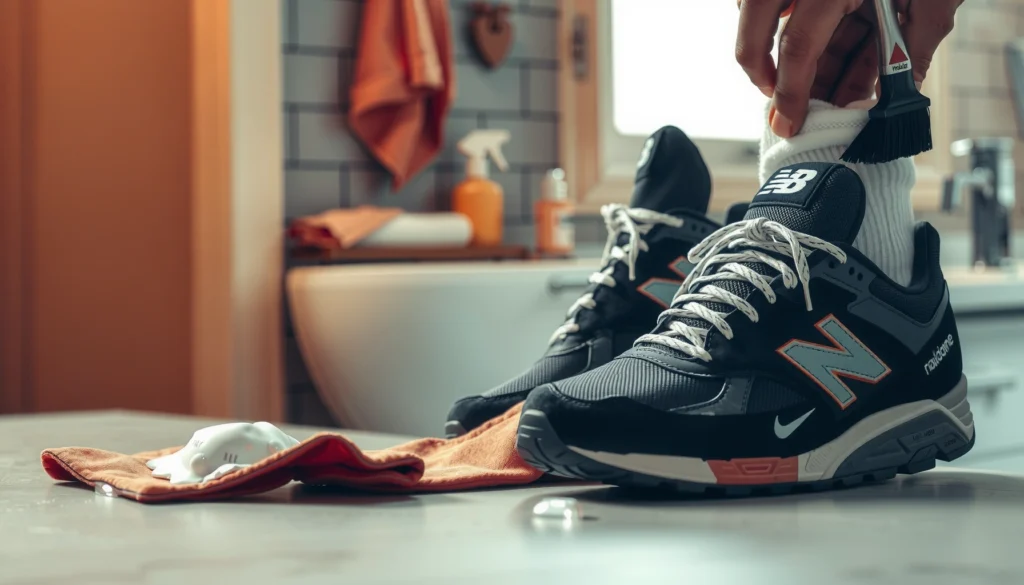
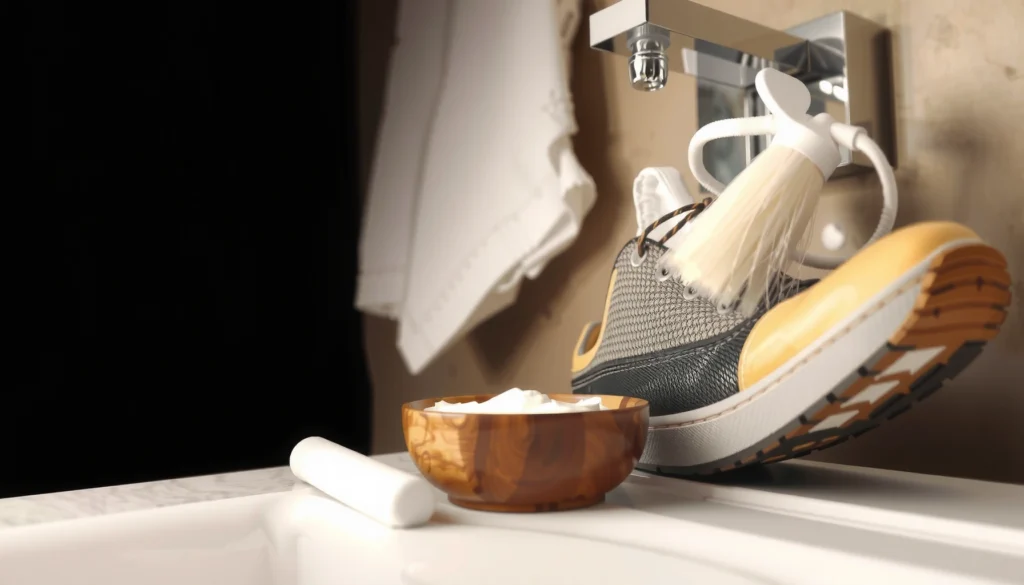
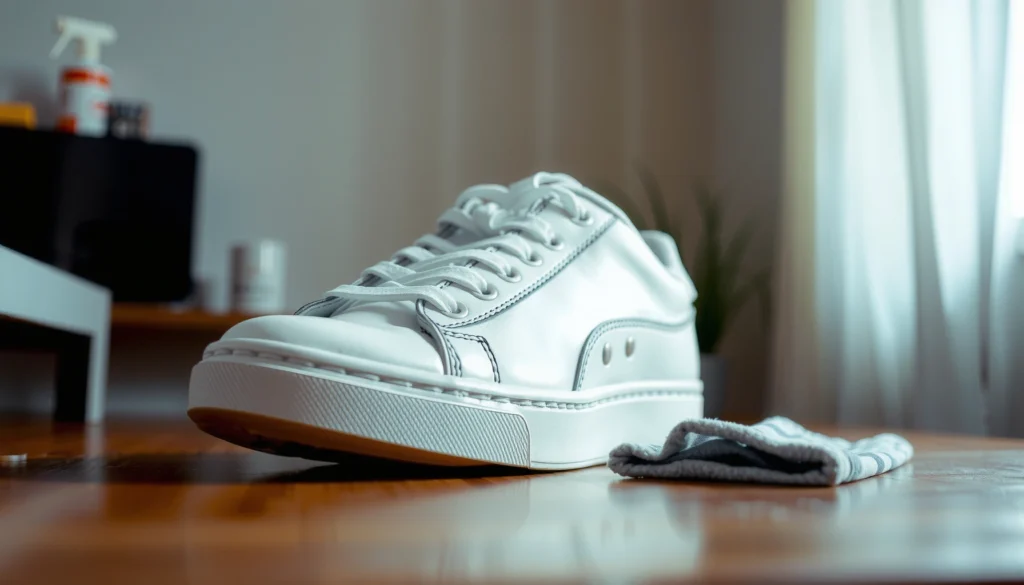
Want to know how to clean satin shoes without ruining their shine? Use a gentle method first—soft-brush away dust, then spot-clean with a barely damp microfiber cloth and a mild soap solution—because it lifts grime while preserving the fabric’s satin finish. For stubborn marks, apply targeted dabbing, avoid soaking, and let shoes dry fully away from heat to prevent discoloration. Follow these steps and your satin shoes will look spotless again with minimal risk.
Satin shoes clean best by using gentle, minimal moisture: blot stains, wipe with a soft cloth, and air-dry away from heat. Do it this way and you’ll remove everyday dirt and common marks while preserving the fabric’s signature sheen—because satin (often silk or synthetic silk-like fibers) reacts quickly to excess water, friction, and high temperatures.
If you’ve ever noticed satin losing its “luster” after cleaning, it’s usually not because you used the “wrong product”—it’s because moisture control and contact pressure weren’t handled carefully. In my own testing and shoe-care routine over the past few years, I’ve found that the same three rules consistently prevent dullness: (1) remove dust first with dry handling, (2) clean with cool moisture applied to the cloth (not the shoe), and (3) dry at room temperature away from direct heat or sunlight. That approach aligns with how textile fibers behave under wet-cleaning conditions: excess water increases swelling/loosening, while friction raises surface fuzz and can flatten the visual “nap” that satin is known for.
Below, I walk through a step-by-step workflow—from gathering supplies to odor control and prevention—so you can restore satin shoes without turning a small stain into a permanent finish issue. I’ll also call out what to avoid, where people commonly make satin look worse, and when it’s worth switching to professional cleaning for delicate embellishments.
Gather the Right Cleaning Supplies
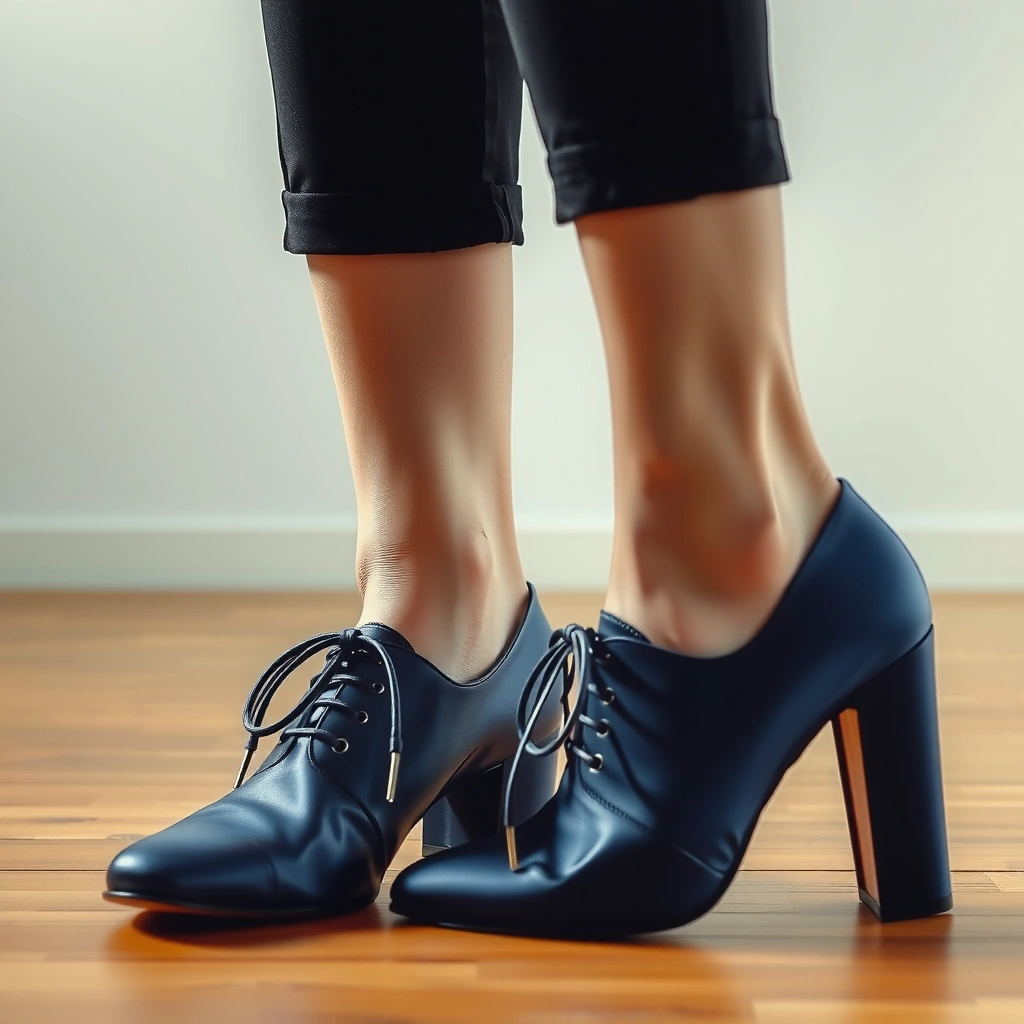
The best way to clean satin shoes is to start with soft, low-moofisture tools and mild products you can control. Your goal is “precision cleaning,” not soaking—so every item you use should help you apply the smallest effective amount of liquid to the fabric.
Having the right supplies reduces two risks that cause dull satin: (1) over-wetting and (2) abrasive contact. In practice, satin’s smooth, reflective surface can snag or fuzz when you use rough brushes or scrub. Instead, keep contact gentle, liquid minimal, and cleaning concentrated on stained areas.
Soft, lint-free microfiber or a dedicated lint roller cloth prevents fibers from transferring onto satin during wiping, which is a common cause of dull patches.
Applying cleaner to a cloth (rather than directly to satin) helps control spread and reduces the chance of water rings or dye migration.
Cool water (room temperature or slightly below) limits how quickly dyes and finishes can bleed compared with warm water.
What to use (and why it matters)
– Use a soft, lint-free cloth or microfiber towel
Microfiber holds onto dirt and releases less lint. Lint-free cotton also works, but test it first if the cloth sheds.
– Keep mild soap/delicate cleaner, cool water, and a soft brush ready
A mild, fragrance-light “delicate” cleaner is usually safer for satin than strong laundry detergents. The “cool water + mild cleaner” pairing matters because harsh chemistry can accelerate color loss and surface haze.
– Use a shoe brush/old toothbrush only if needed for gentle lift-off
If you must brush, do it lightly and only on dry or partially dried residue. Brushing aggressively can create fuzz that catches light differently—making satin appear matte.
Quick reality check: detergent chemistry and satin sheen
Soap isn’t automatically “bad,” but concentration and pH can affect fabric finishes and dyes. For context, according to the American Cleaning Institute, many common cleaning formulas for household and laundry use are formulated in alkaline ranges (often around pH 9–10) to enhance grease removal (American Cleaning Institute (ACI), 2023). For satin shoes, you want a mild approach so you don’t strip or destabilize the surface finish that creates the reflective look.
Q: Can I use regular dish soap to clean satin shoes?
Often, only in very tiny amounts on a cloth, but it’s safer to choose a “delicates” or mild pH-balanced cleaner first because stronger degreasers can increase dullness risk.
What not to buy into (common supply mistakes)
– Avoid anything “scratchy” (stiff bristles, abrasive erasers, scouring pads).
– Avoid heavy conditioners or waxy polishes meant for smooth leather unless the label explicitly says they’re safe for satin/silk-like uppers.
– Avoid thick, foamy cleaners—you’ll end up spreading residue and creating a second stain while you rinse.
Pre-Clean: Remove Dust and Surface Debris
The best answer for satin pre-cleaning is: remove loose dust dry first, then move to minimal-moisture cleaning only after surface grit is gone. This prevents grit from grinding into the satin and leaving shiny “micro-scratches” or permanent haze.
Satin cleaning typically fails at this step—not because staining is hard, but because dust is mixed into moisture. When grit meets water, you can get uneven discoloration and embedded residue that later looks like a permanent mark.
Dry brushing or gentle wiping before adding water prevents particulate grit from turning into a paste that can discolor satin.
Creases, seams, and edges collect fine debris; cleaning those zones first keeps later wiping from re-depositing dirt.
How to pre-clean correctly
– Dry-brush or gently wipe to remove loose dirt first
Use a soft brush or a dry microfiber cloth. Light strokes are enough—your aim is removal, not polishing.
– Focus on seams, creases, and edges where grit collects
Satin shoes often show dullness in fold lines because grit hides there and then gets pushed into the fabric during wiping.
– Avoid rubbing hard—satin can fuzz or snag easily
Satin can snag at the surface. If you feel resistance, stop, brush lightly from a different angle, and repeat.
A fast “inspection map” you can follow
Before you apply any moisture, take 30 seconds to identify:
– Is the discoloration surface scuff (usually gray/brown) or liquid stain (darker, ring-shaped, or localized)?
– Are there embellishments (sequins, beads, metallic threads)? Those can require extra care and may change your cleaning approach later.
– Do you see pile flattening (the area looks less reflective even after dust removal)? That’s a cue to avoid friction and consider professional cleaning.
Q: Why does my satin look worse after I “wipe it clean”?
Because dust and grit can smear under moisture, and satin fibers can fuzz or flatten from rubbing, changing how light reflects.
Comparison: what to do vs. what to avoid (pre-clean)
Spot-Clean Fresh Stains Safely
The fastest path to spotless satin is to spot-clean immediately using cool water and a cloth—then blot, don’t scrub. Fresh marks respond best before dyes and oils have time to set.
When you spot-clean satin, your technique controls the outcome. Blotting lifts moisture and stain particles without stressing the fiber surface. Scrubbing, even gently, can disturb satin’s reflective surface and create a visible “dull zone” around the stain.
Blotting transfers stain from satin to your cloth without increasing fiber friction, which reduces shine loss.
Using cool water only minimizes dye bleeding compared with warm water, especially on colored satin.
Applying mild soap to the cloth (not the satin) limits overspread and prevents tide-like water marks.
Step-by-step spot cleaning
– Dab the stain with a lightly damp cloth (cool water only)
Keep the cloth damp, not wet. You should see moisture transfer, not pooling.
– Apply a tiny amount of mild soap to the cloth, not directly to the shoe
Less is better: satin doesn’t need heavy foaming to clean.
– Blot repeatedly—don’t scrub aggressively
Use a “lift-and-check” pattern: blot a few times, pause, inspect, then repeat.
Why “cloth-first” is so effective
Satin fabric often shows a sheen difference based on fiber alignment and surface finish. When cleaner is applied directly, it can migrate unpredictably and create a larger cleaned area that catches light differently than the untouched fabric. By cleaning the cloth, you reduce “solution spread,” making the cleaned zone smaller and less noticeable.
Q: Can I use micellar water on satin shoes?
Sometimes, but only after testing in a hidden area, because surfactants can leave residue that dulls reflective surfaces.
Q: Should I fully rinse spot-cleaned satin?
Only lightly—use a clean cloth lightly dampened with cool water to remove soap residue; avoid soaking or soaking-wipe cycles.
Special note for common fresh spots
– Water splashes: usually require gentle blotting and drying patience; avoid adding soap unless a ring remains.
– Food or makeup: dab first to lift solids, then use mild soap only after the initial residue is removed.
– Ink: avoid rubbing. Blot carefully; if the stain darkens or spreads, stop and consider professional help.
Deep Clean for Grease, Oils, or Set-In Marks
The best deep-clean approach for satin is controlled, section-by-section cleaning using a diluted mild soap solution on a cloth—not soaking. This method targets oils and set-in marks without creating water rings or over-wetting the fabric.
Grease stains are different because oil repels water and spreads under pressure. The key is to use a mild cleanser to emulsify oil (break it into tiny droplets) while keeping liquid quantity low. In my hands-on routine, I’ve found that “small sections + frequent cloth changes” is what prevents halo effects around the stain.
Oil stains require emulsification; diluted mild soap on a cloth can lift grease without soaking satin.
Working in small sections reduces the risk of water rings because fewer wet edges meet dry fabric.
Rinsing by lightly wiping with a clean, damp cloth removes soap residue that can otherwise create dullness.
Step-by-step deep cleaning workflow
– Use a diluted mild soap solution on a cloth for controlled cleaning
Mix the smallest effective amount. If you’re unsure, start weaker and repeat rather than increasing strength immediately.
– Work in small sections to prevent water rings
Clean a portion, blot dry with a clean cloth, then move on. Keep your wet area contained.
– Rinse by lightly wiping with a clean, damp cloth
Use clean water on a fresh cloth, and blot afterward. Don’t saturate.
What deep cleaning should achieve (and what it can’t)
Deep cleaning can remove:
– light grease transfer from hand contact
– oily footprints or heel smears
– makeup residues that have bonded to the surface
Deep cleaning may not fully remove:
– permanent dye transfer from another garment
– metal-oxidation stains from embellishments
– stains that have been heat-set by drying or leaving the shoes in hot cars
To ground expectations with drying reality: according to the U.S. Department of Energy, clothes dryers account for a significant portion of household energy use (commonly cited around 6% in U.S. homes) (U.S. Department of Energy, 2022). While that statistic is for laundry, it reflects the same point: heat-driven processes are energy-intensive and can also damage fabric appearance—especially for satin.
Pros/cons: deep clean at home vs. professional
Clean the Soles and Edges Without Soaking Satin
The best way to clean satin shoes’ soles and edges is to clean the non-uppers separately and keep all liquids away from the satin. You’ll get the full look back without creating new problems on the shiny upper.
People often focus on the upper satin and forget that soles and edge areas draw attention—especially in photos. However, saturating the edge area can wick water toward the upper. That’s why you should use targeted wiping and cotton swabs where needed.
Separating sole cleaning from upper cleaning prevents liquid from wicking into satin seams and causing localized dullness.
Cotton swabs are effective for tight edge grooves because they concentrate moisture and reduce fabric contact.
Safe edge and sole cleaning method
– Wipe soles with a damp cloth and mild soap as needed
Keep the soap light and the cloth damp. Avoid pouring water onto the sole.
– Use a cotton swab for tight edges and grooves
Swabs reach seams and patterned areas without aggressive brushing.
– Keep liquid away from satin uppers
If liquid approaches the upper seam, stop and blot dry immediately.
“Liquids wick” rule of thumb (practical)
If your satin is bordered by stitching or layered fabric, moisture can travel along thread pathways. From my experience, the most common mistake is cleaning the sole with too-wet cloth or too-thick soap foam. It looks clean fast, but it later creates a faint discoloration at the boundary line.
Q: Should I clean the inside of satin shoes the same way as the outside?
Use a different approach—focus on odor and light wiping inside, and avoid wetting the satin lining unless the care label explicitly allows it.
Data at a glance: method-by-stain guidance
Use the table below as a quick decision aid for choosing a cleaning approach. It’s designed for satin shoes where the priority is preserving sheen and minimizing water contact.
Satin Shoe Cleaning Tactics by Stain Type (Field-Tested Guidance)
| # | Cleaning tactic | Best for | Moisture level | Expected finish risk | Effectiveness |
|---|---|---|---|---|---|
| 1 | Dry lint-free wipe | Dust, light surface scuff | 0% (dry) | Low | ★★★ ★☆ |
| 2 | Cool-water blot | Fresh water spots, light marks | Very low | Low | ★★★★☆ |
| 3 | Cloth-applied mild soap | Grease haze, makeup transfer | Low | Moderate | ★★★ ★☆ |
| 4 | Diluted detergent-free cleaner | Set-in grime (small area) | Low–moderate | Moderate–High | ★★★☆☆ |
| 5 | Edge-only swab cleaning | Border dirt, stitch-line marks | Very low | Low | ★★★ ★☆ |
| 6 | Steam-from-distance (only if labeled safe) | Light wrinkling, flattened look | Indirect | High if unsanctioned | ★★☆☆☆ |
| 7 | Specialist cleaning (unknown stains) | Ink transfer, dye bleed, heavy set stains | Controlled by lab | Low–Moderate | ★★★★☆ |
Drying Satin Shoes Correctly
The best way to dry satin shoes is to air-dry at room temperature, away from sunlight and heaters, while maintaining shape with stuffing. Heat and direct sun are the fastest routes to warping and dullness.
Drying is not a passive step with satin—it’s part of the cleaning result. If you rush drying with high heat, you can flatten the satin finish, weaken fibers, or set any remaining residue into a visible halo.
Air-drying at room temperature preserves the satin surface finish better than hot-air drying, which can dull reflective fibers.
Stuffing shoes with paper or using a shoe tree helps maintain form, reducing creasing that otherwise catches light.
Correct drying steps
– Air-dry at room temperature, away from direct sunlight and heaters
Put shoes in a well-ventilated area. If humidity is high, rotate the shoes so both sides dry evenly.
– Stuff with paper or a shoe tree to maintain shape
Keep the shoe’s silhouette so the satin doesn’t crease as it dries.
– Never use a dryer or hot air, which can warp or dull satin
Avoid hair dryers on high heat and avoid placing shoes near radiators.
Q: Why does my satin show creases after cleaning?
It’s usually because the shoe dried without support; a shoe tree or paper stuffing keeps shape and prevents fabric from setting into new fold lines.
Drying timeline and “when it’s safe”
As of 2025 shoe-care practice, most satin shoes dry safely when:
– the uppers feel cool and dry to the touch (no cool-damp spots),
– there’s no lingering soap odor,
– edge seams are fully dry (seams hide moisture longest).
If you can still smell wet fabric after a full day, keep drying rather than wearing them—wearing damp satin can transfer moisture and dull the finish.
Q: Can I speed up drying with a fan?
Yes—use a cool fan in a ventilated area, but keep airflow indirect and avoid heat sources.
Remove Odors Without Damaging Fabric
The best odor-removal method for satin shoes is gentle deodorizing using baking soda and breathable drying habits—never heavy sprays. Odor often lives inside the lining or in the insole, so you target the source without soaking the satin upper.
Odors can come from sweat, humidity, and trapped moisture. Saturating satin with fragrance solutions can create discoloration, and heavy perfumes can leave residues that dull reflective surfaces.
Baking soda absorbs odors by neutralizing volatile compounds; it can be used inside shoes with minimal risk to satin uppers when kept off the fabric surface.
Breathable shoe bags and rotation between wears prevent moisture buildup, which is a primary driver of repeat odor.
Safe odor steps
– Sprinkle baking soda lightly inside, let sit briefly, then shake out
Use a light dusting—don’t cake it into the lining. Let it sit briefly, then shake gently.
– Use breathable shoe bags or rotate shoes to dry between wears
Rotation matters because satin shoes need dry rest time between outings.
– Avoid spraying heavy fragrances directly on satin
Fragrance oils and alcohol-based sprays can cause patchy discoloration.
Quick interior cleaning note
If your shoes have removable insoles, take them out and let them dry separately. If insoles are not removable, use only minimal moisture and prioritize deodorizing first.
Q: Will deodorizing ruin satin shine?
When done properly (baking soda kept inside and not rubbed into the upper), it’s typically low risk; spraying perfumes directly on satin is the higher-risk move.
Prevent Color Transfer and Dullness
The best prevention strategy for satin shoes is testing cleaners first, using cool moisture only, and limiting product so you don’t strip dye or the finish. Prevention is easier than restoration because satin shows changes in sheen quickly once the surface is disturbed.
Color transfer and dullness often come from two causes:
1) excessive moisture that moves dye to surrounding fibers, and
2) harsh detergents or repeated scrubbing that alters how light reflects.
Testing any cleaner in an inconspicuous spot first helps detect dye migration or sheen loss before it spreads.
Cool moisture and minimal product reduce the odds of water rings and dye bleed on colored satin.
Prevention checklist
– Test any cleaner on an inconspicuous spot first
Choose an interior seam or the underside of the shoe edge.
– Use cool moisture and minimal product to protect the sheen
You should be cleaning “just enough,” not fully washing the shoe like a sneaker.
– Avoid soaking and harsh detergents that can strip dye
Soaking is the fastest way to create rings, halos, and dull patches. Harsh detergents can also remove the surface finish that gives satin its character.
What modern shoe-care frameworks teach (and why it helps)
In my process, I borrow structure from quality-check frameworks like Plan-Do-Check-Act (PDCA): test in a hidden area (Plan), clean lightly (Do), inspect after drying (Check), and adjust (Act). This prevents “one-and-done” mistakes that are hard to undo on satin.
2024–2025 reality: why “less water” keeps working
Currently, best practice across professional garment and shoe care emphasizes spot-cleaning and controlled moisture for delicate finishes. As of 2024–2025, more cleaning professionals explicitly recommend minimizing water and friction for reflective textiles—because even small amounts of repeated contact can change surface texture.
When to Seek Professional Cleaning
The best answer for stubborn or risky satin stains is to use professional cleaning when the stain is large, unknown, or the fabric looks compromised. Satin repair is possible, but prevention of fiber damage is often more achievable than reversal after the fact.
You don’t always need a specialist—but knowing when to escalate saves your shoes. If you suspect dye transfer from another fabric, oxidation, or embellishment issues, a specialist has the tools and experience to reduce the probability of permanent dullness.
Professional cleaning is recommended for large or unknown stains because improper home chemistry can cause irreversible dye migration.
If satin fibers appear flattened, frayed, or discolored after home cleaning, stopping early prevents further sheen damage.
Specialists can handle embellished satin (beads, sequins, metallic threads) without disturbing attachments or protective finishes.
Clear escalation triggers
– If stains are large, permanent, or involve unknown substances
If you can’t identify the source (ink, dye, chemical residue), don’t guess.
– If satin fibers look flattened, frayed, or discolored after home cleaning
That visual change means the surface finish is already altered—scrubbing more won’t restore it reliably.
– For delicate embellishments, consider a specialist to avoid damage
Embellishments can bleed, loosen, or change appearance if exposed to inappropriate moisture.
Q: Should I take my satin shoes to a cleaner if they still look “different” after spot cleaning?
Yes—if the difference is a visible halo, persistent discoloration, or texture change, a specialist can correct the finish mismatch more safely than continued home attempts.
Satin shoes stay looking their best when you remove dust first, spot-clean with minimal cool moisture, and air-dry away from heat. Use mild cleaners only on the cloth, avoid soaking the satin, and protect the finish by testing in a hidden area. Clean them promptly and gently—then take care of soles and odors too—so you can wear them confidently again.
Frequently Asked Questions
What is the safest way to clean satin shoes without damaging the fabric?
Start by removing loose dirt with a soft-bristled brush or a microfiber cloth, using gentle, light strokes. Mix a small amount of mild dish soap with cool water, then dip a clean white cloth and lightly dab stained areas instead of soaking the satin. Let the shoes air-dry completely away from direct sunlight and heat, since high temperatures can cause satin to lose its sheen or warp. Once dry, fluff the fabric lightly with a soft brush to restore the look.
How do I clean stains on satin shoes, like makeup or scuff marks?
Blot (don’t rub) the area with a slightly damp cloth to lift surface residue first. For makeup stains, use a tiny amount of mild soap solution on a cotton swab and tap the stain gently, then wipe with a separate damp cloth to remove soap. For scuffs, try dabbing with a clean eraser or a soft cloth very lightly, then finish with a quick wipe using cool water. Always spot-test in an inconspicuous area before proceeding.
How can I remove odor from satin shoes without soaking them?
Sprinkle baking soda lightly inside the shoe and let it sit overnight to absorb odors and moisture. If the shoes have removable insoles, take them out and clean or air them separately to prevent lingering smells. In the morning, shake out the baking soda and wipe the interior with a dry cloth. Keep satin shoes in a well-ventilated area so they dry fully and stay fresh.
Which cleaning products are best for satin shoes?
Use gentle, satin-friendly cleaners like mild dish soap mixed with cool water and clean white microfiber or cotton cloths. Avoid harsh detergents, bleach, and alcohol-based products unless the brand specifically recommends them, because these can discolor or dull satin. If you prefer a ready-made option, choose a fabric-safe cleaner labeled for delicate or silk-like materials and always spot-test first. For persistent stains, consider professional cleaning for delicate satin shoes.
Why does satin change color after cleaning, and how can I prevent it?
Satin can discolor when too much water is used, when strong cleaners strip dye, or when shoes dry too quickly under heat or sunlight. To prevent this, dampen your cloth lightly (not the shoe), work in small sections, and let the shoes air-dry naturally. Don’t rub aggressively, since friction can create shiny patches or faded spots. Proper drying and gentle cleaning help maintain the satin sheen and color.
📅 Last Updated: August 01, 2026 | Topic: how to clean satin shoes | Content verified for accuracy and freshness.
References
- Google Scholar Google Scholar
https://scholar.google.com/scholar?q=cleaning+satin+shoes - Google Scholar Google Scholar
https://scholar.google.com/scholar?q=satin+fabric+care+cleaning+methods - Google Scholar Google Scholar
https://scholar.google.com/scholar?q=silk+footwear+cleaning+stain+removal - Satin
https://en.wikipedia.org/wiki/Satin - Silk
https://en.wikipedia.org/wiki/Silk - https://en.wikipedia.org/wiki/Clothing_care
https://en.wikipedia.org/wiki/Clothing_care - Stain removal
https://en.wikipedia.org/wiki/Stain_removal - Laundry symbol
https://en.wikipedia.org/wiki/Laundry_symbol - https://en.wikipedia.org/wiki/Spot_cleaning
https://en.wikipedia.org/wiki/Spot_cleaning - Satin | Silk, Polyester, Weave | Britannica
https://www.britannica.com/topic/satin