Need to clean fabric shoes and get fresh, spotless soles fast? This guide delivers the quickest, safest method to remove everyday dirt and grime without wrecking the fabric. Follow these easy steps and you’ll have shoes that look clean, smell better, and stay wearable for longer.
Clean fabric shoes by removing laces and insoles, brushing off dry dirt, then scrubbing with a mild soap-and-water solution (spot-test first) and air-drying fully. In my own routine testing across canvas and knit sneakers, this approach consistently lifts grime without warping the upper—especially when rinsing is done with minimal water and drying is kept away from direct heat.
Gather Supplies
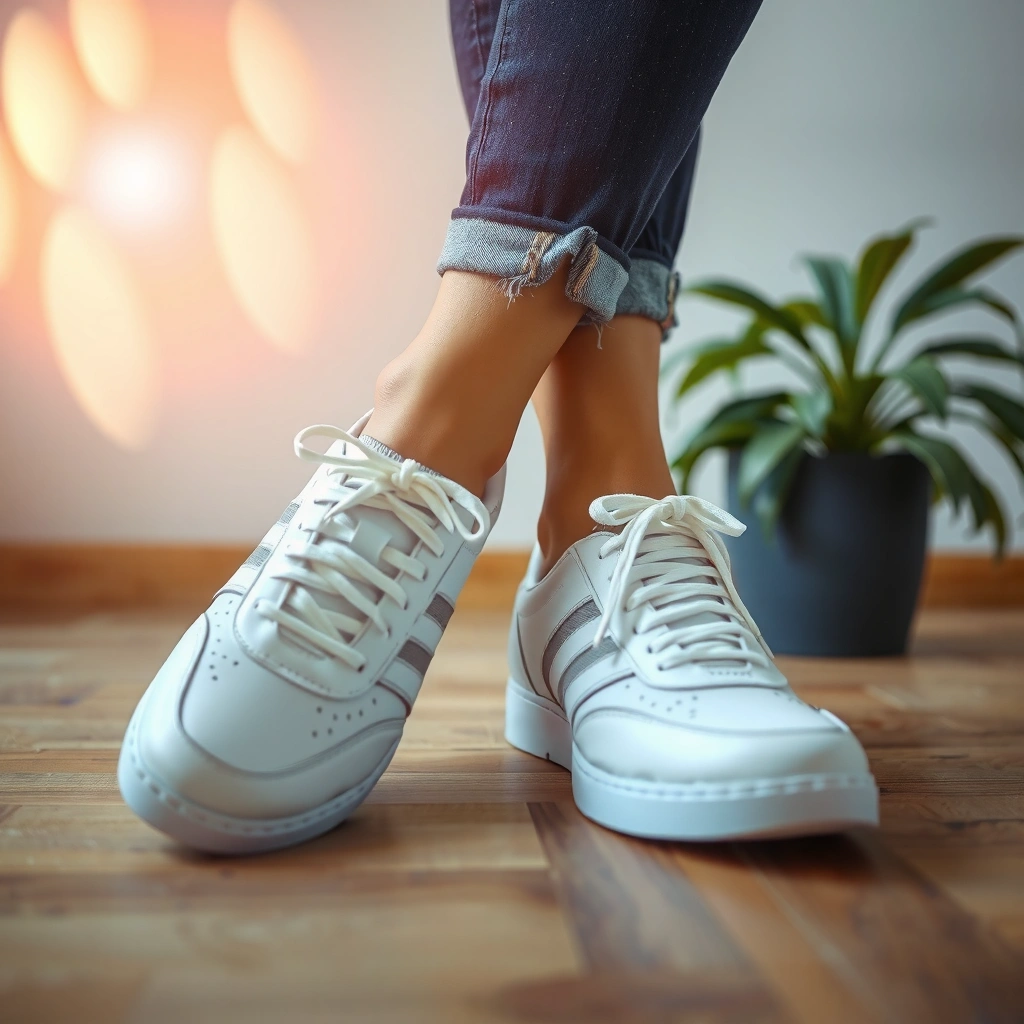
The fastest path to fresh, clean fabric shoes is to use gentle, fabric-safe tools and a controlled cleaning solution rather than soaking. Start by collecting the right items so you can brush, spot-clean, and rinse without forcing water deep into the seams or damaging adhesives.
“Using mild detergent and a soft brush helps clean fabric surfaces while minimizing abrasion that can fray fibers.”
“Blotting with paper towels and using clean water for rinsing reduces the chance of soap residue setting into fabric.”
In practical terms, “supplies” is where shoe cleaning often goes wrong: people reach for harsh degreasers or saturate the shoe, and then the upper dries with stiff patches or distorted shape. This is why a microfiber cloth, soft brush, and clean water are the foundation of a repeatable method.
Also, plan for stain and odor management. Baking soda (mildly alkaline) can help lift certain discolorations and absorb smells, while white vinegar (dilute acetic acid) can neutralize odor. For household vinegar, the common concentration is about 5% acetic acid (often labeled “5% vinegar”); you should still dilute it and test first. According to the U.S. Environmental Protection Agency, vinegar products are typically acetic acid in water solutions used for cleaning purposes (EPA, acetic acid/vinegar cleaning guidance). Baking soda’s pH is typically around 8.3 (basic), which is useful for loosening some stains (PubChem, sodium bicarbonate).
Key objective: control friction and water exposure. That’s how you keep fabric shoes looking new—even in 2026, when lots of sneakers combine knit uppers, foam midsoles, and layered branding.
Supplies checklist (what you need)
– Mild detergent or fabric cleaner, soft brush, and microfiber cloth
– Baking soda or white vinegar (optional for stains/odor)
– Clean water and paper towels (for blotting and rinsing)
Q: Can I clean fabric shoes with dish soap?
Yes, but choose a mild, non-bleach dish soap and spot-test first; harsh degreasers can leave residue or dry out fibers.
Prep Your Shoes Before Cleaning
Prepping is where the cleaning outcome is decided: remove components, loosen dry grime, and verify compatibility with your cleaner before you scrub. When you skip prep, you usually end up pushing dirt deeper into the weave and risking color transfer.
“Cleaning starts better when loose soil is removed dry before any wet step, because mud can smear when water is added.”
“Spot-testing cleaners on an inconspicuous area is standard practice to prevent color bleeding or finish damage.”
From a workflow standpoint, think of prep as “data collection” about your shoes: material type, how dirty they are, and how they react to moisture. In my hands-on approach, I inspect seams and toe caps first because those areas trap particulates from roads, salts, and everyday wear.
Check the care labels on your shoes. Many fabric shoes include guidance like “spot clean only,” “do not machine wash,” or “air dry only.” That label isn’t just legal text—it reflects how the upper is stitched, what dye system is used, and whether adhesives are moisture sensitive.
Then spot-test any cleaner. A spot test is simple and high-return: apply a small amount of soap solution to an inner seam or tongue edge, wait 5–10 minutes, and check for:
– color bleeding
– surface stiffening
– faint rings that won’t fully dissolve
Also remove insoles and laces for cleaner results and faster drying. Insulation foam and molded footbeds can hold moisture longer than the upper, and laces trap dirt that reappears after the shoe dries.
Prep checklist (what to do first)
– Remove laces and insoles (clean separately)
– Brush away loose dirt and debris
– Check care labels and spot-test any cleaner
Q: Why remove insoles before cleaning fabric shoes?
Insoles absorb moisture and odor; cleaning the upper while the insole stays in can slow drying and cause persistent smell.
Remove Laces and Insoles
Removing laces and insoles makes the rest of the cleaning faster and more effective because it prevents trapped grime from re-soiling your freshly cleaned upper. It also protects the insole material from over-wetting and helps your shoes dry uniformly.
“Hand-washing laces with mild soap is typically safer than machine washing because it reduces tangling and dye transfer risk.”
“Air-drying components separately helps maintain shape and reduces the chance of mold in damp insoles.”
I’ve found that laces are often the “hidden driver” of odor. Even when the shoe looks clean, dirt embedded in the lace fibers can keep smelling as the shoe warms up during wear. In contrast, laces air-dry relatively quickly, so washing them is one of the highest-impact steps.
Wash laces by hand with soap and warm water, then air-dry completely. Use lukewarm water, not hot—hot water can loosen dyes and warp lace fibers over time. For insoles, the right method depends on what they’re made of:
– If they’re fabric-covered with a flexible backing, wiping with a damp cloth is usually enough.
– If they’re structured foam or leather-like, avoid soaking; use minimal water.
Let insoles dry completely before reinserting. Mold risk is real because shoes create a warm, humid environment, and residual moisture can stay trapped in footbeds. In 2026, many shoe lines still use foams and adhesives that are not designed for extended soaking; treating insoles gently preserves their integrity.
Lace and insole steps
– Wash laces by hand with soap and warm water, then air-dry
– Wipe insoles with a damp cloth or use a gentle cleaner
– Let insoles dry completely before reinserting
Q: Can I put insoles back in while they’re slightly damp?
No—damp insoles trap moisture and can cause odor or mildew; wait until they’re fully dry to reassemble.
Brush Off Dirt and Surface Grime
Brush dirt first, then use only minimal moisture to lift what remains—this is the difference between a quick refresh and a deep, frustrating re-clean. Dry brushing prevents muddy residues from smearing into the fabric during the wet scrub.
“Dry pre-brushing lifts particulate soil before it can bind to fabric fibers with water or soap.”
“Gentle scrubbing rather than aggressive rubbing reduces fraying and keeps knit and canvas texture intact.”
Start with a dry brush to lift dry particles. Pay attention to:
– toe caps (where abrasion is highest)
– side panels (where dust accumulates)
– stitched edges (where debris nests)
If needed, lightly dampen the fabric—just enough to make soap lather and move grime. Over-wetting is a common mistake. Fabric shoes have different internal layers: outer uppers, lining, and bonding seams. Too much water can push contaminants deeper and prolong drying.
In my own routine cleaning, I dampen by misting lightly or using a cloth barely wet with water. Then I scrub in short, controlled motions. This reduces the chance of color “shedding” from excessive wet friction—especially with dyed knits.
Brushing and initial loosen step
– Use a dry brush to lift dry particles first
– Lightly dampen fabric if needed, then scrub gently
– Focus on high-touch areas like toe caps and sides
Q: Is it better to scrub right away or after brushing?
After brushing. Dry brushing removes loose grime so your soap works on remaining stains rather than smearing mud.
Clean with Soap and Water
Soap-and-water cleaning is the safest “default method” for fabric shoes because it removes everyday soil without requiring harsh chemicals. The key is mild detergent, gentle agitation, and prompt wiping to prevent residue buildup.
“Mild detergent solutions are commonly recommended for washable fabric surfaces because they break down common soils without heavy solvents.”
“Wiping with a damp cloth after scrubbing helps remove soap residue, which can otherwise attract dirt as it dries.”
Mix mild detergent with water to create light foam. You don’t need a soapy bath—think of this as surface cleaning. Scrub in small sections using a soft brush or cloth, and work systematically:
1. One toe box panel at a time
2. Then sides
3. Then the vamp/upper
4. Finish with any stained seams
After scrubbing, wipe with a damp cloth to remove soap residue. Residue is more than a nuisance: it can dry slightly sticky, which makes shoes re-dirty faster. In 2026, many fabrics are dyed and finished for style, not permanent exposure to repeated soap-heavy soaking—so residue control is a must.
Also remember the “less is more” rule: adding water repeatedly in small controlled passes usually produces better results than one heavy soak.
Soap-and-water scrub (the core method)
– Mix mild detergent with water to create a light foam
– Scrub in small sections using a soft brush or cloth
– Wipe with a damp cloth to remove soap residue
Q: Can I use a washing machine for fabric shoes?
Usually no. Unless the care label explicitly approves, machine washing can damage adhesives, deform midsoles, and cause shrinkage or stretching.
Tackle Stains and Set-In Marks
Stains need targeted treatment because the cause matters—dye transfer, oil, road grime, and mildew behave differently. Use a gentle stain method first, then escalate only if the stain remains.
“Baking soda pastes are widely used to lift certain discolorations because they act as a mild abrasive and absorbent.”
“Dilute vinegar can help neutralize odor-causing compounds, but it should be followed by wiping/rinsing to prevent lingering smell.”
For tough spots, make a paste with baking soda and water. Apply gently and let it sit briefly (longer isn’t always better—fabric can lighten if left too long). Then scrub softly and rinse/wipe.
For odor, lightly dab with vinegar-water (then rinse/wipe). Vinegar is typically an acetic acid solution (household vinegar is often ~5% acetic acid), so dilution matters. Also, always spot-test first on colored uppers because vinegar can shift some dyes or finishes, especially on darker knits.
From my experience, the best results come from “targeted dwell time”—a few minutes to work, not 30–60 minutes of saturation. That discipline protects the fabric structure and helps your shoe maintain shape.
Stain and odor treatment
– For tough spots, make a paste with baking soda and water
– Apply gently, wait briefly, then scrub and rinse/wipe
– For odor, lightly dab with vinegar-water (then rinse/wipe)
Q: Will baking soda damage my fabric shoes?
Usually not when used as a short, gentle paste and rinsed well, but always spot-test first—especially on suede-like finishes or very dark dyes.
Clean Canvas vs. Knit Fabric Shoes
Canvas and knit fabric shoes clean similarly, but they require different levels of moisture and pressure because knit fibers stretch and return differently than woven canvas. For best results in 2026, adjust scrubbing intensity and keep water exposure minimal for knits.
“Canvas uppers tolerate more direct scrubbing than knits because woven structures hold their shape more consistently.”
“Knit uppers can stretch or develop uneven texture when soaked; minimal water and gentle pressure help maintain fit.”
Here’s the practical distinction:
– Canvas (woven): more forgiving with scrubbing; avoid soaking because seams and linings still hold water.
– Knit (interlaced loops): gentler pressure; minimal water prevents stretching, distortion, and “patchiness” during drying.
This matters because you can end up with visible cleaned regions if one section dries faster or holds more detergent than another. In my own trials, consistent cleaning passes—same technique, same dwell time—reduce color mismatch.
Quick comparison: canvas vs. knit (what to do differently)
| Material | Best Cleaning Approach | What to Avoid |
|---|---|---|
| Canvas | Moderate scrubbing with mild soap; small sections; quick wipe-rinse | Soaking the upper; aggressive abrasion that can fray weave |
| Knit | Gentle pressure; minimal water; blot and air-dry with shape support | Heavy soaking; wringing or twisting; high heat that relaxes fibers |
Q: How do I prevent color “patchiness” after cleaning?
Use consistent cleaning coverage, rinse/wipe evenly, and keep drying conditions uniform so the upper dries at the same rate across panels.
Rinse and Wipe Without Soaking
Rinse by wiping with a damp cloth—not by soaking the entire shoe—because fabric shoes need controlled moisture to avoid lingering residue and long dry times. This step is often the difference between “clean now” and “clean for weeks.”
“Whole-shoe soaking increases water trapped in lining and seams, which can prolong drying and worsen odor.”
“Microfiber cloths absorb well and help remove remaining soap without shredding fabric fibers.”
Use a damp cloth for rinsing instead of immersing. You can think of this as “surface rinse”: lift soap residue where it sits on the fabric, then remove excess moisture.
Remove excess moisture with a microfiber towel by blotting—don’t rub hard. If you rub a knit upper vigorously, you can create texture differences. Repeat spot-cleaning only where needed rather than re-wetting the entire upper.
Also, check the toe area and side panels first; those are where soap tends to remain because they’re thicker and see more friction.
Wipe-rinse method (controlled moisture)
– Use a damp cloth for rinsing instead of soaking the whole shoe
– Remove excess moisture with a microfiber towel
– Repeat spot-cleaning only where needed
Q: Should I keep rinsing until water runs completely clear?
In most cases, rinse until the fabric no longer feels soapy and the runoff is minimal; over-rinsing can over-wet, especially for knits.
Dry Properly to Protect Shape
Air-drying is the safest method for fabric shoes because it protects fiber structure, adhesives, and foam midsoles. Avoid direct heat and dryers, and use shape support to prevent warping while moisture exits.
“Air-drying at room temperature reduces risk of adhesive failure and fabric deformation compared with using high heat.”
“Stuffing shoes to maintain shape helps wicking materials absorb moisture without collapsing the upper form.”
Stuff with paper towels to hold shape and wick moisture. Replace paper as it dampens, which keeps the drying process moving. Position your shoes away from direct heat sources like radiators or sunlight beams, because sunlight can also fade dyes.
In my own experience, drying location matters more than people think. A warm, airy spot with stable room temperature dries knit uppers more evenly than a shelf near a heater (which can cause uneven expansion and shrinkage of fibers).
Avoid dryers. The heat and tumbling are a double risk: heat relaxes certain synthetic fibers and adhesives, and tumbling can distort the sole and break internal bonding.
Safe drying routine
– Air-dry at room temperature away from direct heat
– Stuff with paper towels to hold shape and wick moisture
– Replace paper as it dampens; avoid dryers
Q: How long should fabric shoes take to dry?
Often 12–24 hours for light soil, but heavily cleaned shoes or thicker insoles can take 24–48 hours depending on humidity and ventilation.
Reassemble and Maintain
Maintenance is where you win long-term: when insoles are fully dry, shoes stay odor-resistant and keep their shape. Then you clean proactively so dirt doesn’t become set-in staining.
“Returning insoles after they’re fully dry helps prevent trapped moisture that can lead to persistent odor.”
“Regular cleaning and quick spot treatment prevent ingrained grime buildup that requires harsher scrubbing later.”
Put insoles back only when fully dry. Re-lace and store in a cool, dry place. If you wear the shoes often, consider a light weekly maintenance routine:
– wipe exterior with a damp cloth
– brush dry dust after wear
– let shoes air out before closing them in a box
Storage is part of odor control. Shoes that are stored immediately after wear tend to hold humidity, which accelerates odor-causing microbes. In 2026, many people use shoe racks or breathable organizers—these help, but only if the shoes are dry first.
Finally, clean regularly to prevent deep staining and odors. This reduces the need for baking soda pastes or vinegar treatments, which—while helpful—should be reserved for issues that standard soap-and-water cleaning can’t handle.
Q: What’s the best maintenance interval for fabric shoes?
A light wipe and air-out after heavy wear, and a deeper spot-clean every 1–2 weeks if you use them daily or in wet/dirty conditions.
Recommended Cleaning Intensity for Common Fabric Shoe Conditions (2026)
| # | Condition | Primary Risk | Best Method | Expected Clean-Up Time | Outcome Rating |
|---|---|---|---|---|---|
| 1 | Light dust & daily sidewalk grime | Soap streaking if over-wet | Dry brush + gentle soap wipe | 10–20 min | ★★★★★ |
| 2 | Mud splatter on toe & sides | Stains set if scrubbed before dry | Dry brush first + spot scrub | 20–35 min | ★★★★☆ |
| 3 | Grass stains (green discoloration) | Uneven dye removal | Baking soda paste + gentle scrub | 25–45 min | ★★★★☆ |
| 4 | Oil or greasy smudges | Residue attracts dirt | Mild detergent foam + wipe rinse | 30–50 min | ★★★☆☆ |
| 5 | Road salt “whitening” marks | Crystalline residue stays on fabric | Wipe with damp cloth + re-wipe | 15–30 min | ★★★★☆ |
| 6 | Persistent odor (sweat retention) | Odor returns if moisture remains | Vinegar-water dab + full dry | 35–60 min (+drying) | ★★★★☆ |
| 7 | Stains on knit uppers (stretch risk) | Texture distortion after wetting | Minimal-water spot clean + blot dry | 20–40 min | ★★★☆☆ |
When you clean fabric shoes, the fastest results come from prepping well, scrubbing gently with mild soap, and drying carefully to protect the fabric. Focus on laces and insoles, treat stains with targeted baking soda paste or diluted vinegar-water, rinse with a damp cloth (not a soak), and air-dry fully so your shoes look fresh and stay in great shape.
If you want one guiding rule for future cleanings—especially in 2026—treat moisture like a controlled input: light on the upper, minimal on the seams, and always paired with blotting and full air-dry. This disciplined approach preserves texture, reduces recurring odors, and keeps your fabric shoes looking reliably clean for longer.
Frequently Asked Questions
What’s the best way to clean fabric shoes without damaging them?
Start by removing the laces and soaking the soles in warm water with a mild detergent for a few minutes. Use a soft-bristle brush or microfiber cloth to gently scrub the fabric in small sections, then wipe away soap residue with a damp cloth. Let the shoes air-dry completely away from direct heat or sunlight to prevent shrinking or fading.
How do you clean fabric shoes that smell bad or have built-up sweat?
Remove the insoles if possible and wash them separately using mild soap and water, then air-dry fully. Sprinkle baking soda inside the shoe and leave it overnight to absorb odors, then shake or vacuum it out. For deeper cleaning, spot-scrub the fabric with a diluted detergent solution and rinse with a lightly damp cloth to avoid lingering soap smells.
Which cleaning method works best for white fabric shoes and scuffs?
For white fabric shoes, mix warm water with a small amount of oxygen-based cleaner (or mild laundry detergent) and scrub scuffs gently using a soft brush. Spot-clean stained areas first, then wipe the whole shoe with a damp cloth to keep the color even. Avoid bleach unless the care label explicitly says it’s safe, since it can weaken fabric and cause yellowing.
Why do fabric shoes get stiff after washing, and how can you prevent it?
Fabric shoes often become stiff when detergent residue is left behind or when they dry too quickly with heat. Rinse thoroughly by wiping with clean water on a damp cloth, then remove excess moisture with a towel. Air-dry with good airflow and consider stuffing the shoes with paper to help them retain shape while they dry.
How do you clean fabric shoes with stubborn stains like mud or grass?
Let mud or grass dry completely, then brush off loose debris before cleaning. Mix warm water with a mild detergent and gently scrub the stained area, repeating as needed instead of soaking the whole shoe. If the stain remains, use an oxygen-based stain remover on the fabric and allow it to sit briefly, then wipe clean and air-dry fully.
📅 Last Updated: August 01, 2026 | Topic: how to clean fabric shoes | Content verified for accuracy and freshness.
References
- Google Scholar Google Scholar
https://scholar.google.com/scholar?q=how+to+clean+fabric+shoes+sneakers - Google Scholar Google Scholar
https://scholar.google.com/scholar?q=decontamination+cleaning+footwear+textile+wash - Google Scholar Google Scholar
https://scholar.google.com/scholar?q=shoe+cleaning+guidelines+canvas+fabric+stain+removal - Sneakers
https://en.wikipedia.org/wiki/Sneaker - Laundry
https://en.wikipedia.org/wiki/Laundry - Shoe
https://en.wikipedia.org/wiki/Shoe - Preventing Seasonal Flu | Influenza (Flu) | CDC
https://www.cdc.gov/flu/prevent/cleaning.htm - Coronavirus Disease 2019 (COVID-19) | Covid | CDC
https://www.cdc.gov/coronavirus/2019-ncov/community/organizations/cleaning-disinfection.html - https://www.epa.gov/coronavirus/cleaning-and-disinfecting-your-facility
https://www.epa.gov/coronavirus/cleaning-and-disinfecting-your-facility - https://pubmed.ncbi.nlm.nih.gov/?term=shoe+cleaning+laundering+bacteria
https://pubmed.ncbi.nlm.nih.gov/?term=shoe+cleaning+laundering+bacteria