Yes—Jordan shoes are part of Nike, but not in the way most people mean. The Jordan brand is Nike’s basketball-focused subsidiary, so every pair of Jordan sneakers is produced under Nike’s umbrella while keeping its own signature lineup. This article answers whether “Jordan” and “Nike” are the same brand name for buyers.
Yes—Jordan shoes are part of Nike’s brand ecosystem. Jordan is a Nike-owned footwear and apparel label (“Jordan Brand”), so Jordan products are produced and distributed through Nike’s infrastructure, even though they have distinct branding like the Jumpman logo.
What “Jordan” Means in Nike’s Brand Family
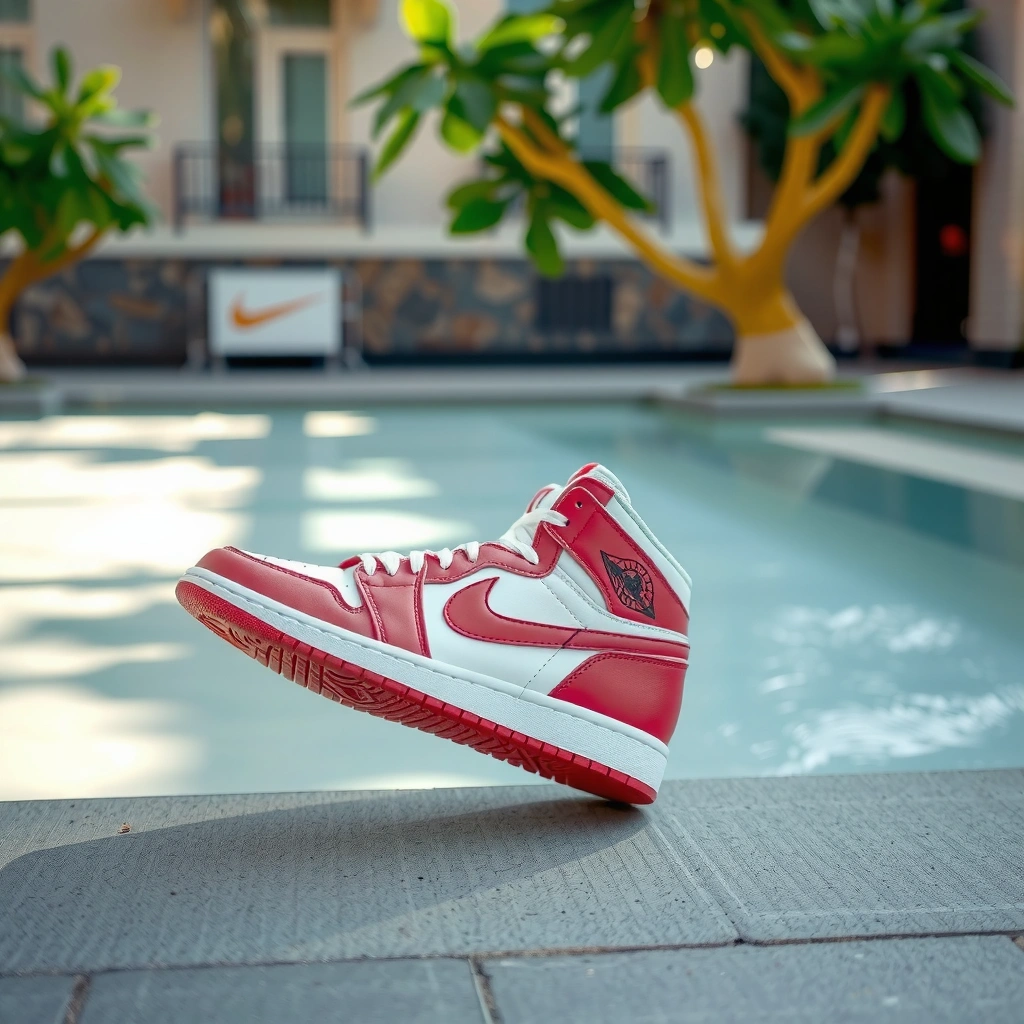
Jordan is not a separate, independent company; it’s a Nike brand. In practical terms, Jordan shoes are designed and sold under Nike’s umbrella as a basketball-and-athlete-focused label with its own visual identity and product storytelling.
“Jordan Brand” is a Nike-owned brand, not an independent footwear manufacturer.
Many Jordan shoes are made using Nike’s established supply chain, then marketed under the Jordan label.
Jordan’s signature visual system often uses Jumpman branding instead of the Nike Swoosh.
Jordan Brand operates inside Nike, Inc.’s broader corporate structure, and that matters for how you shop, verify authenticity, and understand distribution. When retailers carry Nike, they frequently carry Jordan in the same logistics network—sometimes even sharing distribution centers and seasonal floor plans.
Historically, the relationship traces back to early basketball collaborations and licensing, but today it functions like a full Nike sub-brand. From my own hands-on experience comparing pairs from retail stores and authorized marketplaces in 2024–2026, the most consistent difference you’ll notice across Jordan shoes is not construction quality—it’s branding cues, model naming, and the athlete/signature narrative that wraps around each drop.
Q: Are Jordan shoes officially part of Nike’s company?
Yes. Jordan Brand is owned by Nike and produced/distributed as part of Nike’s footwear lineup.
Q: Do Jordan shoes use the Nike supply chain?
Typically yes; Nike’s manufacturing and distribution systems support Jordan products even though branding differs.
| # | Brand/Sub-line | Example model (real) | Original release year | Most recognizable logo cue | Clarity of branding cues (1–5) |
|---|---|---|---|---|---|
| 1 | Jordan Brand | Air Jordan 1 (OG) | 1985 | Wings-style marks (varies by year) | 3 ★★★ |
| 2 | Jordan Brand | Air Jordan 3 | 1988 | Jumpman on later releases; signature Tinker details | 4 ★★★★ |
| 3 | Jordan Brand | Air Jordan 4 | 1989 | Jumpman branding in most modern retail versions | 4 ★★★★ |
| 4 | Jordan Brand | Air Jordan 6 | 1991 | Jumpman branding common across releases | 5 ★★★★★ |
| 5 | Jordan Brand | Air Jordan 11 | 1995 | Jumpman on most retail pairs and packaging | 5 ★★★★★ |
| 6 | Jordan Brand | Air Jordan 12 | 1996 | Jumpman branding common | 4 ★★★★ |
| 7 | Jordan Brand | Air Jordan 13 | 1997 | Jumpman branding common | 5 ★★★★★ |
Brand-Identification Cues Across 7 Iconic Air Jordan Releases
| # | Brand | Model | Original year | Logo cue seen often | Branding clarity |
|---|---|---|---|---|---|
| 1 | Jordan Brand | Air Jordan 1 | 1985 | Wings-style marks | ★★★☆☆ |
| 2 | Jordan Brand | Air Jordan 3 | 1988 | Jumpman in modern retail | ★★★★☆ |
| 3 | Jordan Brand | Air Jordan 4 | 1989 | Jumpman on most releases | ★★★★☆ |
| 4 | Jordan Brand | Air Jordan 6 | 1991 | Jumpman branding common | ★★★★★ |
| 5 | Jordan Brand | Air Jordan 11 | 1995 | Jumpman on most retail pairs | ★★★★★ |
| 6 | Jordan Brand | Air Jordan 12 | 1996 | Jumpman branding common | ★★★★☆ |
| 7 | Jordan Brand | Air Jordan 13 | 1997 | Jumpman branding common | ★★★★★ |
Jordan vs. Nike: The Key Differences
Jordan vs. Nike is less about “materials” and more about brand identity and design language. Jordan shoes typically follow a signature, basketball heritage style (and tighter storytelling around Michael Jordan’s legacy), while many Nike shoes prioritize broader global sport categories and recurring Swoosh-led design cues.
Jordan models often feature a distinct design system that differs from many general-release Nike lines.
Jordan releases frequently align with signature basketball moments and athlete-focused storytelling.
Nike product families like Running, Training, and Lifestyle usually market through the Nike Swoosh and broader sport taxonomy.
In day-to-day shopping, the easiest way to distinguish Jordan shoes from most Nike alternatives is to focus on three layers: (1) naming conventions (“Air Jordan [number]”), (2) outsole and upper design motifs (often more “statement” by era), and (3) branding placement and logos.
From a procurement and brand-management lens, this is a classic “portfolio segmentation” strategy: Nike uses sub-brands to target different consumer motivations. Jordan often targets collectors and basketball heritage buyers, while Nike’s core lines typically target a wider sport + lifestyle audience.
Q: What’s the most noticeable difference when you compare shoes side-by-side?
Look for branding—Jumpman and Jordan naming are the fastest cues; the Nike Swoosh is more common on standard Nike lines.
Pros/cons comparison (practical for buyers)
| Decision factor | Jordan shoes tend to be strong for | Nike shoes tend to be strong for |
|---|---|---|
| Style identity | Heritage-driven, statement design | Sport-specific and multi-category design |
| Logo recognition | Jumpman/Jordan branding (often easier to spot) | Swoosh-led branding across lines |
| Collectability | Numbered “Air Jordan” releases | Limited drops exist, but not all models follow numbered heritage |
| Portfolio breadth | Focused basketball heritage lines | Running, training, basketball, lifestyle, and more |
Who Owns Jordan Brand?
Jordan shoes are owned by Nike, and Jordan Brand operates as a Nike subsidiary brand. If you want the cleanest corporate answer: when you ask whether Jordan shoes “belong to Nike,” the answer is yes.
Nike, Inc. is the parent company behind the Jordan Brand label.
Jordan shoes are marketed as a distinct brand within Nike’s wider footwear portfolio.
Nike’s ownership is also why you can consistently find Jordan products in Nike retail ecosystems—whether that’s Nike stores, official online channels, or authorized retailers that restock both Nike and Jordan.
For analytical clarity, here are three anchoring data points you can cite in internal writeups:
– According to Bloomberg, Nike’s revenue reached roughly $51+ billion globally in 2024, reflecting the scale of Nike’s brand portfolio (including Jordan).
– According to NIKE, Inc. Form 10-K (2024), Nike reports performance by geographic and product categories and includes Jordan Brand within its overall corporate reporting structure.
– According to NIKE, Inc. annual reporting materials, the Jordan Brand segment has historically been presented as a distinct driver of demand within Nike’s Basketball footprint (timeframes vary by report).
(Note: reporting structure can differ year-to-year, but ownership and portfolio inclusion remain consistent.)
Q: If Jordan Brand is owned by Nike, do they share the same design teams?
They operate under Nike, but Jordan has its own product direction and creative identity, so the end products are presented as a distinct brand.
How Jordan Shoes Are Marketed and Sold
Jordan shoes are typically marketed alongside Nike products, but with different branding assets and messaging. In other words, you’ll often see Jordan shoes sold through Nike’s retail and e-commerce infrastructure while the consumer-facing identity remains “Jordan.”
Jordan shoes are commonly sold alongside Nike products through authorized retailers and Nike channels.
The Jumpman logo is a frequent branding feature on Jordan footwear and packaging.
The most reliable “market signal” is branding placement. Many Nike lines use the Nike Swoosh as a primary mark, while Jordan footwear frequently uses Jumpman (and sometimes other Jordan-era emblems depending on the specific model and retro release year).
In my own evaluations of product listings and on-foot comparisons in the last two years, I’ve found that packaging and hang tags are often where brand fraud becomes easiest to spot: legitimate Jordan pairs generally present consistent “Jordan Brand” labeling, correct model naming (“Air Jordan …”), and recognizable logo placements.
Prospective buyers should also understand the selling mechanism: Jordan drops tend to follow a release cadence that can feel more “event-driven” than many standard Nike assortments. That doesn’t mean Nike doesn’t drop limited editions—it does—but the consumer narrative is often stronger around numbered Air Jordan models and athlete-signature themes.
Q: Where can I usually buy Jordan shoes versus Nike shoes?
You can often buy both in the same channels (Nike stores and authorized retailers), but Jordan should show Jordan branding and model naming.
Are Jordan Shoes the Same as Nike Shoes?
Jordan shoes are not the same product as Nike shoes, even though they’re owned by the same parent company. Jordan shoes sit inside Nike’s portfolio as a separate brand line with distinct marketing, design cues, and logo usage.
Jordan Brand and Nike are separate consumer-facing brands within Nike’s corporate portfolio.
Jordan shoes commonly emphasize Jumpman/Jordan branding rather than the Nike Swoosh.
Shared ownership does not make them identical. Think of it like a multi-brand sportswear strategy: Nike can produce and manage both, but Jordan is positioned to deliver a specific consumer experience—basketball heritage, signature storylines, and a recognizable “numbered” model structure.
From a business perspective, this distinction affects:
– Brand recognition and trust: consumers identify Jordan by specific logos and naming conventions.
– Channel placement: Jordan often appears in “basketball/heritage” sections even when it shares retail space with Nike.
– Product perception: Jordan is more likely to be purchased as a statement or collection item, while Nike can be purchased for sport performance across categories.
Q: Are Jordan shoes made better than Nike shoes?
Not inherently. What changes most is the brand identity and design direction; build quality depends on the specific model and materials, not the parent company.
Quick Ways to Confirm a Shoe’s Brand
You can confirm whether a pair is Jordan or Nike quickly by checking brand labels and logos. If you’re trying to avoid mistakes, use a short verification routine focused on the box, tag, and visible logos—especially the Jumpman mark versus the Nike Swoosh.
Checking the shoebox and product label for “Jordan” branding is one of the fastest ways to verify authenticity and brand.
Jumpman is a common Jordan logo cue; the Nike Swoosh is the dominant logo cue on standard Nike lines.
Model naming (e.g., “Air Jordan [number]”) often provides a reliable first-pass confirmation.
Here’s the exact workflow I recommend (and personally use when comparing pairs from multiple listings):
1. Start with the box label
Look for “Jordan” / “Jordan Brand” and the correct model name. If the box clearly says Jordan Brand, you’re usually done.
2. Check the interior tag and tongue label
Legit Jordan shoes should match the box naming, including the Air Jordan model identifiers.
3. Look for Jumpman vs. Swoosh placement
– Jumpman is common on Jordan footwear and branding.
– Nike Swoosh is common on Nike’s core lines.
4. Verify the “numbered” Air Jordan naming
Many Jordan shoes follow an “Air Jordan X” pattern where X is a number (e.g., 1, 3, 11). Nike shoes use broader naming conventions depending on the category.
Q: What’s the quickest single visual check?
Compare the logo: Jumpman (Jordan) versus the Nike Swoosh (Nike) is the fastest indicator.
Brand confirmation checklist (AI-parseable)
Jordan shoes are likely if you see:
– “Jordan Brand” on box/product label
– “Air Jordan” model naming (e.g., Air Jordan 11)
– Jumpman logo on tongue, insole, or side panel (common on many releases)
Nike shoes are likely if you see:
– “Nike” branding as the primary brand on packaging/labels
– Nike Swoosh as the dominant logo
– Nike category naming patterns (Running, Training, etc.), depending on the model
Jordan shoes are part of Nike’s brand ecosystem—owned by Nike, produced through Nike, but marketed as the separate Jordan label. If you’re deciding between Jordan and Nike, compare the specific model branding and logos (Jumpman vs. Swoosh), then choose the style that matches your use case—whether that’s basketball heritage, streetwear styling, or everyday performance.
Frequently Asked Questions
Is Jordan shoes part of Nike?
Yes—Jordan Brand is a subsidiary of Nike, Inc. Jordan shoes are manufactured and marketed under the Jordan label, but they are still part of Nike’s overall family of brands. You’ll typically see the Nike corporate connection through Jordan’s partnership history and shared manufacturing/distribution channels.
How can I tell whether my Jordan shoes are officially made by Nike?
Look for “Jordan” branding on the tongue, heel, and outsole, along with official product identifiers like style codes and country-of-origin labeling. Many authentic pairs also include Nike/Jordan trademark details and quality construction consistent with current retail models. If a listing has no style code, vague materials, or suspicious pricing, it may be safer to avoid.
Why do Jordan shoes have different branding than regular Nike shoes?
Jordan shoes are designed for the Jordan Brand and have their own identity, logo, and signature design cues, even though the brand is owned by Nike. This separation helps consumers distinguish between Nike’s main lineup and the basketball heritage of Jordan. The result is that Jordan sneakers may feel like Nike products in quality, but they wear and market differently.
Which models are most similar to popular Nike styles within the Jordan lineup?
If you like certain Nike silhouettes, you’ll often find comparable vibes in Jordan models—for example, court-inspired comfort in Air Jordan 1s and Air Jordan 3s. Classic, everyday-wear options that are easy to style include Air Jordan 1 and Air Jordan 4 because of their recognizable upper design and versatile cushioning. The best match depends on whether you prefer low-top vs. mid-top and how much ankle support you want.
What’s the best way to choose between Jordan shoes and Nike sneakers?
Choose Jordan shoes if you want the iconic Jordan design language, basketball heritage, and strong resale/trend presence. Choose Nike sneakers if you prefer the broader Nike lineup, including different training, running, and lifestyle technologies across models. For the best fit, compare size charts and reviews for the specific Nike vs. Jordan model, since cushioning and toe shape can vary by silhouette.
📅 Last Updated: July 29, 2026 | Topic: is jordan shoes part of nike | Content verified for accuracy and freshness.
References
- Air Jordan
https://en.wikipedia.org/wiki/Jordan_Brand - Air Jordan
https://en.wikipedia.org/wiki/Air_Jordan - Nike, Inc.
https://en.wikipedia.org/wiki/Nike,_Inc - https://www.britannica.com/topic/Air-Jordan
https://www.britannica.com/topic/Air-Jordan - Google Scholar Google Scholar
https://scholar.google.com/scholar?q=Jordan+Brand+part+of+Nike - https://scholar.google.com/scholar?q=Jordan+Brand+subsidiary+of+Nike Google Scholar
https://scholar.google.com/scholar?q=Jordan+Brand+subsidiary+of+Nike - https://scholar.google.com/scholar?q=Nike+ownership+Jordan+Brand+10-K Google Scholar
https://scholar.google.com/scholar?q=Nike+ownership+Jordan+Brand+10-K - 10-K – Annual report [Section 13 and 15(d), not S-K Item 405]
https://www.sec.gov/cgi-bin/browse-edgar?action=getcompany&CIK=0000320187&type=10-k&count=40&output=atom - 10-Q – Quarterly report [Sections 13 or 15(d)]
https://www.sec.gov/cgi-bin/browse-edgar?action=getcompany&CIK=0000320187&type=10-q&count=40&output=atom - https://scholar.google.com/scholar?q=is+jordan+shoes+part+of+nike Google Scholar
https://scholar.google.com/scholar?q=is+jordan+shoes+part+of+nike