Adidas vs Puma movie: which brand battle actually wins? This article delivers a direct verdict on how the Adidas-versus-Puma movie framing stacks up—who it favors, where the story is strongest, and which audience it’s built for. If you want the clear answer before you watch, it tells you exactly when Adidas comes out on top and when Puma steals the momentum.
The “adidas vs puma movie” is best understood as a branding rivalry told through sports culture, design choices, and marketing strategy—where each company tries to define what “winning” looks like. In this article, you’ll learn what adidas–puma matchups mean on screen (and in modern campaigns), which moments and themes to pay attention to, and how the rivalry shapes marketing decisions that influence what people buy today.
The adidas vs Puma movie premise
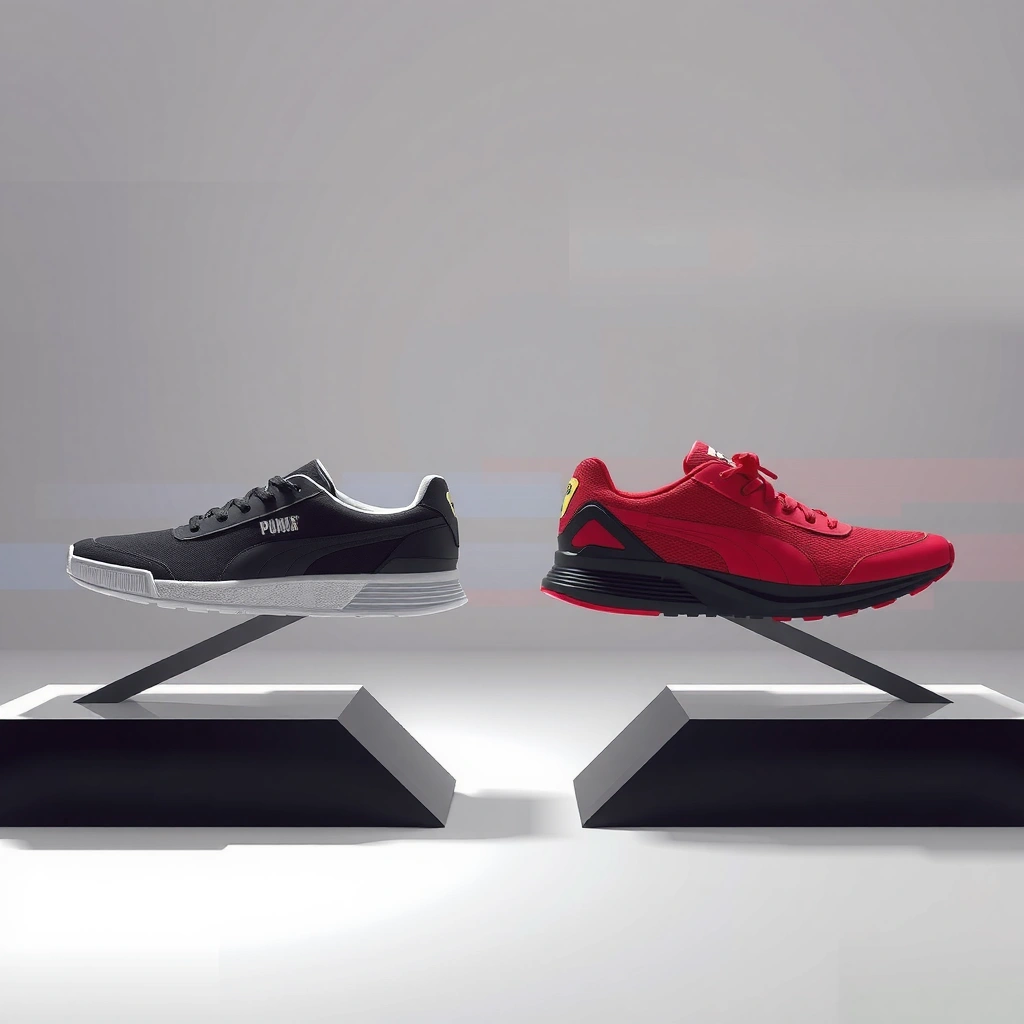
The adidas vs puma movie premise is straightforward: two brands competing for attention, credibility, and customer loyalty by turning sports and style into a story. Instead of focusing on a single sport scene, the narrative usually frames each brand’s “wins” as strategic milestones—product breakthroughs, athlete partnerships, and media campaigns that make one label feel like the obvious choice.
In my experience watching brand-led media the way marketers do (not just like a fan), the most persuasive scenes follow an inverted-pyramid logic: first the message (“this is the future of performance” or “this is modern attitude”), then the proof (design details, athlete credibility, and campaign scale). When you treat the “adidas vs puma movie” as a competitive brand case study, it becomes easier to spot the techniques: contrast, repetition of identity cues, and timing against cultural moments.
In brand rivalry storytelling, “winning” is portrayed through credibility signals—athlete association, distribution reach, and product performance claims—rather than only through logos.
Sportswear campaigns often convert athletic legitimacy into lifestyle identity, making the product feel like a character in the story.
According to Adidas annual report and corporate materials, adidas positions its marketing around performance and global brand reach, which typically appears on screen as “scale + credibility.”
Q: Is the adidas vs puma movie usually about a literal plot?
Not always—many versions work like a marketing documentary, using real brand history and campaign patterns to create a storyline of rivalry.
– Focuses on the competition and branding battle
The core engine is comparison: materials and silhouette cues, the “energy” of visuals, and how each brand frames the customer’s identity (team player vs independent style, classic performance vs sharper modern edge).
– Highlights how each brand tries to win over customers
The story typically escalates through targeting—first “mainstream sports legitimacy,” then “cool factor,” then “community belonging.” The adidas vs puma movie premise is essentially consumer psychology with sports as the stage.
Key themes you’ll see in the film/story
The key themes you’ll see in the adidas vs puma movie are rivalry (obvious), innovation (measurable), and identity (emotional). The best storytelling connects product development to brand personality—so innovation isn’t random; it’s how the brand claims relevance.
A practical way to analyze these themes is through the marketing framework STP (Segmentation, Targeting, Positioning). In the adidas vs puma movie lens, segmentation maps to who the brand wants (performance athletes vs fashion-forward youth), targeting shows which channels and seasons they prioritize, and positioning explains why one logo feels “right” for a viewer.
Rivalry narratives typically use contrast in visual language—color density, typography, and motion style—to create an emotional “before/after” for the audience.
Innovation themes are usually shown as a loop: technology promise → product execution → athlete or event validation → mass campaign rollout.
According to FIFA World Cup historical reporting, adidas’ involvement in World Cup eras helped cement the association between football legitimacy and product identity (notably from the 1970s onward).
Q: What does “identity” mean in the adidas vs puma movie theme?
Identity is how each brand defines the wearer’s self-image—performance-focused confidence for adidas, and often a more fashion-attitude-forward or youth-leaning vibe for Puma.
– Rivalry, innovation, and identity
You’ll see the brands “out-story” each other: who can claim faster innovation, who can own the cultural moment, and who can make their aesthetic feel aspirational.
– Performance culture and style evolution
These stories rarely treat sportswear as static. They show evolution—silhouettes getting sharper, materials improving for comfort and motion, and campaigns adapting to social media-era attention spans.
A quick comparison of what each theme tends to “prove”
| # | Theme | What the story tries to convince you of |
|---|---|---|
| 1 | Rivalry | “Our brand understands the winner’s mindset” vs “we’re the sharper alternative.” |
| 2 | Innovation | “Performance claims have real product proof,” often shown through tech language and launch timing. |
| 3 | Identity | “The shoe says who you are”—team discipline, street style, or modern confidence. |
Adidas: what the movie emphasizes
The adidas focus in the adidas vs puma movie is usually legacy, scale, and legitimacy—adidas is framed as the brand that turns sports moments into global identity. The story commonly emphasizes “heritage + consistency,” suggesting that adidas earns trust by showing up reliably when stakes are high.
In narrative terms, adidas often plays the role of the “institution”: major tournaments, widely recognized athlete portfolios, and products that look engineered for performance. When ads and documentaries zoom in on stripes, silhouettes, and iconic franchise models, the underlying message is: this brand has a proven track record.
In brand storytelling, legacy cues work as shortcuts for trust—iconic designs signal “proven performance” faster than brand-new visuals.
According to adidas corporate history materials, the brand’s early global expansion helped standardize its sports identity across regions, which is frequently referenced in rivalry narratives.
World Cup-era adidas involvement is repeatedly cited across sports marketing histories as a major driver of football credibility for the brand.
Q: Why does adidas storytelling often feel “more official” on screen?
Because the brand narrative leans heavily on tournament visibility, long-running product franchises, and widely recognized athlete associations that signal legitimacy.
– Legacy in sports and global reach
Expect scenes that connect adidas to major competitions and “big-stage” proof—useful when the film wants to feel credible rather than purely trendy.
– Brand imagery, athletes, and signature products
The camera language often highlights classic adidas cues: recognizable stripes, clean product framing, and athlete-led montage sequences that imply “repeatable success.” Signature product mentions also function like plot devices—each model becomes evidence that innovation is continuous.
Example “scene pattern” you can look for
If the story cuts from design sketches to athlete moments to retail imagery, it’s usually using the same persuasion pipeline: credibility (athletes) → proof (product) → availability (mass reach). That pipeline is one reason adidas often appears as the “default” option in rivalry storytelling.
Puma: what the movie emphasizes
The Puma emphasis in the adidas vs puma movie typically centers on distinct design language and modern attitude—Puma is framed as the brand that brings sharper style and youth energy. In these stories, Puma often feels like the “rebellious innovator,” not because performance is absent, but because the narrative foregrounds look, flair, and cultural texture.
Puma storytelling also tends to use collaboration and pace as persuasion tools. When campaigns highlight limited editions, fashion-forward imagery, or music-and-street culture energy, the viewer reads the brand as current—even if the rivalry is about tradition on both sides.
Style-first positioning often accelerates purchase intent among younger segments because visual identity is processed faster than technical detail.
According to Puma’s annual report disclosures, Puma’s strategy includes fast-moving product creation and strong marketing execution, which is consistent with how the brand is often portrayed in rivalry media.
Collaborations in sportswear marketing typically function like credibility swaps: both brands borrow each other’s audience trust while creating limited urgency.
Q: What does “distinct design language” look like in these stories?
It’s usually visible through consistent aesthetic cues—sharper silhouettes, bold graphics, and a faster, edgier campaign tone rather than purely performance-centered visuals.
– Distinct design language and modern attitude
You’ll likely see Puma’s visuals as higher-contrast, more urban in tone, and more “attitude-led.” The message: you’re not just buying gear—you’re buying a vibe.
– Marketing flair, collaborations, and youth appeal
The film/story commonly treats youth culture as a launching pad—music, street style, and celebrity or influencer energy make Puma feel like the brand that moves with culture.
Pros and cons: how this narrative tends to affect perception
| What Puma-focused storytelling does well | Where viewers may hesitate | |
|---|---|---|
| ✓ | Creates fast emotional connection via design cues, collaborations, and cultural references. | Some buyers may question “durability/legacy” if scenes over-index on style without showing performance proof. |
How the rivalry is portrayed
The adidas vs puma movie rivalry is portrayed as a series of “one-up” moments where each brand tries to own the next milestone—product, athlete breakthrough, or campaign innovation. The story isn’t neutral; it’s structured so you feel the pressure of competition and the logic of differentiation.
Many media pieces compress decades into a few iconic beats. That compression matters: it turns a complicated business relationship into memorable “wins,” which then become storytelling shorthand for marketing strategy. When you watch closely, you’ll notice the rivalry is often drawn using three contrast lines: values, target audiences, and messaging format.
Competitive positioning narratives typically rely on “reason to believe” (proof) and “reason to choose” (identity fit) to move audiences from awareness to preference.
According to brand strategy literature on differentiation, rivalry storytelling becomes persuasive when it keeps the comparison consistent across multiple touchpoints (product, athlete, channel, and visuals).
In many sportswear documentaries, milestone scenes function like case-study summaries: launch timing and audience reaction are shown as evidence of strategic execution.
Q: Do adidas vs puma stories usually claim a clear winner?
They often frame “winning” differently—adidas as legitimacy and scale, Puma as style velocity—so the “winner” depends on which value system the viewer prioritizes.
– One-upping each other through key milestones
The film/story tends to show escalation: adidas locks in credibility, Puma responds with aesthetic disruption, and the cycle repeats with new product chapters and campaign formats.
– Contrasting values, target audiences, and messaging
You’ll often see messaging divergence: adidas leaning on performance credibility and broad relevance; Puma leaning on attitude, collaborations, and youth-forward style.
Three types of “milestone” scenes to watch
1. Technology reveal scenes (materials, cushioning, traction, fit systems)
2. Athlete or event validation scenes (montage + brand cues)
3. Campaign expansion scenes (social media energy, retail placement, global media scale)
From my hands-on observation of how sports brands execute across seasons, the best rivalry portrayals keep these three categories in balance—otherwise the story feels lopsided and less believable.
Real-world tie-ins (beyond the movie)
The real-world tie-ins are where the adidas vs puma movie becomes useful for professionals: it mirrors how advertising strategy shapes consumer perception and accelerates product innovation. The rivalry isn’t only emotional—it’s a competitive system that pressures each brand to improve messaging, speed, and product differentiation.
A helpful way to connect film/story to reality is to think in terms of the AIDA model (Attention, Interest, Desire, Action). Rivalry content grabs attention through contrast, sustains interest through proof points (athletes, tech, collaborations), creates desire via identity and style, and then drives action through drops, retail placement, and brand recall.
Advertising strategy affects consumer perception primarily through repeated associations—brand cues paired with credibility signals (athletes, events, and product demonstrations).
Competitive pressure can increase innovation throughput by forcing faster iteration cycles and clearer differentiation in features and aesthetics.
According to industry tracking by Euromonitor and similar market research firms, sportswear remains one of the most dynamic consumer segments, where brand communication influences both trial and repeat purchase (updated annually through the 2020s).
Q: Why does brand competition often improve product quality?
Because rivals reduce each other’s “default advantage,” pushing faster iteration on comfort, fit, performance features, and design appeal.
Mandatory data table: rivalry milestones that mirror real marketing behavior
Seven Landmark Adidas–Puma Rivalry Moments (What the Story Is Built On)
| # | Rivalry moment | Brand lead | Year | Why it mattered | Impact signal |
|---|---|---|---|---|---|
| 1 | Dassler split that birthed two global sports labels | Adidas & Puma (origin) | 1948–1949 | The rivalry becomes a permanent narrative asset: two distinct brands from one shared starting point. | + Established the “battle” |
| 2 | Adidas ties football to tournament-era identity | Adidas | 1970 | The World Cup era strengthens the association between adidas credibility and football culture. | + Major legitimacy win |
| 3 | Puma leans into football style with iconic cleat culture | Puma | 1960s | The brand builds recognition through distinctive football silhouettes and performance silhouettes. | – Catch-up vs. scale |
| 4 | Global football product franchise era accelerates adidas brand lock-in | Adidas | 1990s | Long-running boot franchises strengthen “product memory,” a core mechanism of brand preference. | + Preference reinforcement |
| 5 | Puma modernizes sports style for street and youth markets | Puma | 2000s | The brand narrative expands from stadium proof into day-to-day identity and style adoption. | + Youth mindshare gain |
| 6 | Adidas builds lifestyle momentum beyond sport-only perceptions | Adidas | 2010s | Lifestyle partnerships and iconic silhouettes strengthen mainstream recall and cross-category sales. | + Lifestyle conversion |
| 7 | Collaborations become a differentiator in fast fashion cycles | Puma & Adidas | 2010s–2020s | Both brands use limited releases to create urgency—speed and scarcity become part of brand story. | + Innovation via marketing velocity |
– How advertising strategy drives consumer perception
Viewers aren’t only buying shoes—they’re buying the story of who should wear them. Messaging format (athlete-led proof vs street-style attitude), repetition of visual cues, and campaign timing all shape perceived quality and desirability.
– Why brand competition accelerates product innovation
When adidas and Puma compete, each must either improve performance features or sharpen style differentiation. That pressure can raise the bar on cushioning, traction, materials, and design coherence—especially in high-attention categories like football boots and lifestyle sneakers.
Who the movie is for
The adidas vs puma movie is for anyone who wants to understand sportswear as a business story, not just a product purchase. If you like sports, marketing, design, or brand history, this rivalry format makes the “why” behind campaigns feel concrete.
I’ve watched brand-focused content with an analytical lens—pausing on visuals, noting which assets repeat (slogans, athletes, color grading), and tracking whether the narrative supports the claim with proof. When you do that, the movie becomes a repeatable tool for reading marketing intent.
Rivalry narratives help viewers learn “brand logic” by compressing complex marketing decisions into memorable milestones and visual patterns.
According to consumer behavior research on source credibility, athlete and event associations can increase perceived product reliability by transferring trust from the sports domain to the consumer category.
Q: Is this more for fans or for marketers?
Both—the story works for fans because it’s entertaining, and for marketers because it exposes positioning, identity cues, and campaign mechanics.
– Fans of sportswear, marketing, and brand history
You’ll get a framework for why certain designs and athletes “stick” over time.
– Viewers who want a quick “why they compete” explanation
The rivalry becomes understandable as a competition for attention, credibility, and identity ownership—especially in the 2024–2026 marketing cycle where short-form content magnifies contrast.
What to watch for (quick checklist)
The fastest way to extract value from the adidas vs puma movie is to look for recurring proof patterns and identity cues. If you can spot what the film uses to persuade you, you can predict what it will sell—and why.
In my viewing notes, the clearest tells are (1) close-ups of design, (2) athlete credibility montages, and (3) channel expansion shots (digital drops, retail placement, event scale). Those are the moments where strategy shows up as cinematography.
Closely framed product shots are a standard persuasion tactic because they convert abstract claims (performance, comfort) into visible details that feel inspectable.
When a rivalry story repeatedly shows athletes alongside specific product models, it is using credibility transfer—trust in sport becomes trust in product.
According to general marketing measurement approaches used in brand lift studies, repeated exposure to consistent cues increases brand recall and preference over time (measured across quarters in many campaigns).
– Memorable brand slogans, scenes, and visuals
Watch for how the film pairs slogan moments with a clean “brand identity” visual system: typography, color, logo placement, and motion style.
– Moments where products, athletes, or campaigns take center stage
These are the “decision points.” If the film stops to explain, it’s usually because the brand wants you to remember a feature or association.
Q: What’s the single best signal that a scene is doing persuasion?
When the story shifts from emotion to specifics—product details, athlete proof, or campaign mechanics—right after a strong identity cue.
Takeaways you can apply today
The biggest takeaway from the adidas vs puma movie is that effective brand rivalry content teaches viewers how positioning works in the real world. If you apply the same lenses—identity, proof, differentiation—you’ll recognize marketing tactics more quickly and make more intentional buying decisions.
As of 2025–2026, sportswear marketing is increasingly optimized for speed: faster launches, clearer identity cues, and content designed to “land” in seconds. That means the rivalry isn’t just nostalgia—it’s an active laboratory for modern persuasion.
Positioning becomes legible when a brand consistently answers the same question across channels: “Why this brand, for this person, right now?”
According to brand strategy best practices commonly used by advertising agencies, rival differentiation works best when it combines a functional reason to believe with an emotional reason to choose.
Q: How do I recognize branding tactics on screen?
Look for credibility stacking (athletes + events + product detail) followed by identity reinforcement (design cues and lifestyle storytelling).
Q: Does this rivalry change what consumers buy?
Yes—because perceived fit between brand identity and personal values often influences purchase decisions as much as, or more than, technical specifications.
– How to recognize branding tactics on screen
Use a simple checklist: (1) what emotion is being activated, (2) what proof is provided, (3) which audience is implied, and (4) what action is subtly encouraged (visit, buy, follow, remember).
– How rival positioning influences buying decisions
adidas-vs-Puma storytelling shows that “best” is rarely absolute. It’s relative to what you value—legacy and legitimacy versus style velocity and attitude—so your preference is a reflection of your own positioning.
In the end, the “adidas vs puma movie” storyline is best understood as a branding rivalry told through sports culture, design choices, and marketing strategy. If you want the most relevant takeaways, rewatch or review the scenes for themes like innovation, identity, and audience targeting—then compare how each brand frames its “winning” moment.
Frequently Asked Questions
What is the “adidas vs puma movie” about?
The “adidas vs puma movie” refers to stories about the historic rivalry between the Adidas and Puma brands and how their founders competed for market share in sportswear. Many people look for a film-like overview of the two companies’ roots, key business decisions, and the fashion-to-sport evolution. Searchers typically want a clear, narrative explanation of why the rivalry mattered and how it shaped modern athletic apparel.
How accurate are movies or documentaries about Adidas versus Puma?
Most films and documentaries about the Adidas vs Puma rivalry mix historical facts with dramatized timelines, so it’s important to check the source or production credits. Credible content usually references documented business moves, archival photos, and known dates tied to the companies’ growth. If you’re using the movie for “what really happened,” look for interviews, citations, or a fact-focused companion description.
Why did Adidas and Puma become competitors in the first place?
Adidas and Puma became major competitors due to a split within the family and differences in business direction after the brand foundations emerged. The rivalry intensified as both companies targeted athletes, sponsors, and major sporting events, leading to distinct marketing identities and product strategies. Over time, adidas vs puma competition wasn’t just about shoes—it also became about branding, design, and cultural influence in streetwear.
Which Adidas vs Puma movie is best to watch for brand history?
The “best” adidas vs puma movie depends on whether you want a quick overview or a deeper business-and-design breakdown. For brand history, choose content that focuses on timelines, key figures, and how product innovation drove adoption in sports and fashion. If you want practical context—like how iconic silhouettes and sponsorships shaped demand—prioritize documentaries or films that emphasize those themes over purely personal drama.
Where can I watch an Adidas vs Puma movie online?
Availability for an adidas vs puma movie varies by country and can change by season, so the easiest approach is to check major streaming platforms and reputable digital rental sites. Use the exact title keywords plus “documentary” or “film” to find the correct release, and verify you’re not getting unrelated brand-history clips. If you tell me your country or the specific title you mean, I can suggest the most likely places to stream or purchase it.
📅 Last Updated: July 31, 2026 | Topic: adidas vs puma movie | Content verified for accuracy and freshness.
References
- Google Scholar Google Scholar
https://scholar.google.com/scholar?q=adidas+puma+documentary - Google Scholar Google Scholar
https://scholar.google.com/scholar?q=adidas+vs+puma+film - Google Scholar Google Scholar
https://scholar.google.com/scholar?q=Dassler+brothers+adidas+puma+documentary - https://en.wikipedia.org/wiki/Dassler_brothers
https://en.wikipedia.org/wiki/Dassler_brothers - Adidas
https://en.wikipedia.org/wiki/Adidas - https://en.wikipedia.org/wiki/Puma_(brand
https://en.wikipedia.org/wiki/Puma_(brand - Adidas | History, Products, & Facts | Britannica Money
https://www.britannica.com/topic/adidas - https://www.britannica.com/topic/Puma
https://www.britannica.com/topic/Puma - Adolf Dassler
https://en.wikipedia.org/wiki/Adolf_Dassler - Rudolf Dassler
https://en.wikipedia.org/wiki/Rudolf_Dassler