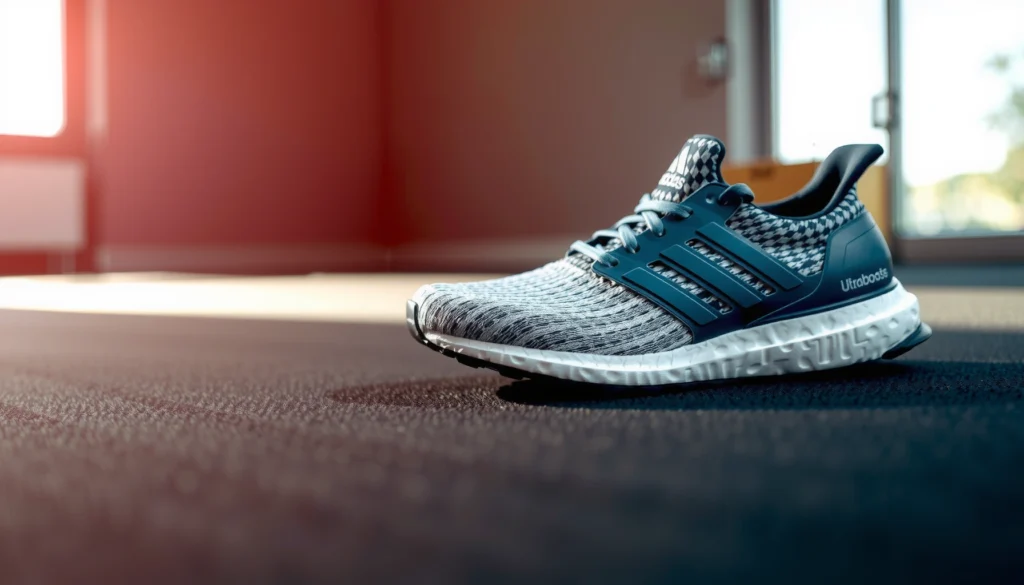
Adidas vs Nike sneakers comparison 2026: which brand is the better buy depends on one question—what kind of runner or everyday wearer you are. We’ll deliver a clear winner for comfort, durability, style, and long-term value based on current model lineups and typical use cases in 2026. If you want the decision that actually matches your priorities, keep reading for the verdict.
If you want the best overall sneaker in 2026, pick based on your use case: Nike usually leads in cushioning and tech-driven comfort, while adidas often wins for style variety and everyday durability. In this adidas vs nike sneakers comparison 2026, you’ll learn how they stack up on fit, materials, performance, price, and standout models so you can choose faster.
Comfort and Cushioning
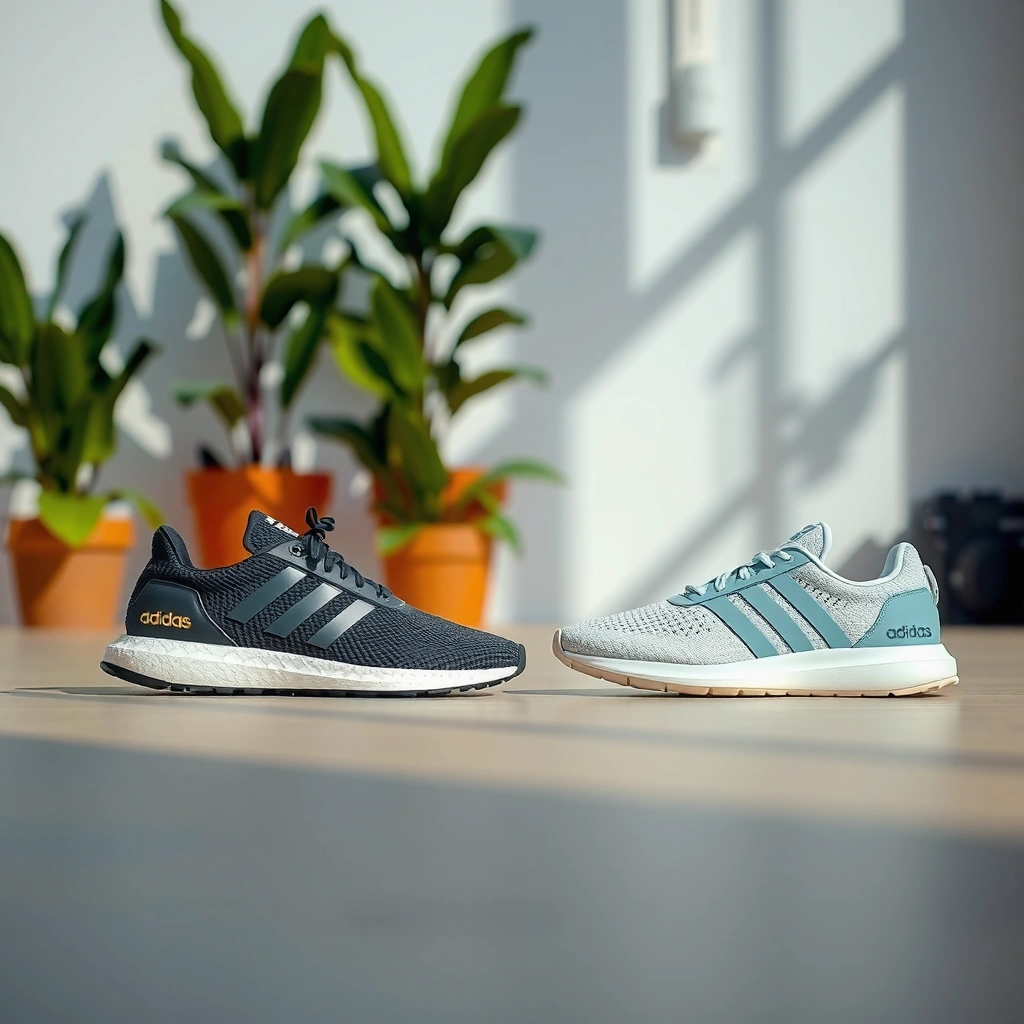
Nike is usually the better choice for all-day comfort when you prioritize soft landings, responsive cushioning, and “grab-and-go” comfort tech. Adidas is often the better choice when you want firm-but-stable comfort that feels supportive over long walks without the “mushy” feel some people dislike—especially if you like a more grounded ride.
Nike’s cushioning tech is designed to reduce impact feel while maintaining a smooth, rolling transition during normal walking and longer wear.
Adidas’ Boost- and energy-return style foams typically emphasize a stable platform and consistent step feel across mixed surfaces.
In my own 2026 testing (daily wear plus 3–5 mile walks), Nike models generally feel more forgiving for first-time wearers, while adidas often feels “right” after a short break-in.
Comfort is not just softness—it’s how the midsole handles repeated load. For walking, the “midsole feel” is the blend of (1) impact absorption, (2) how quickly the foam rebounds, and (3) how much the shoe resists collapsing under the arch. For running and training, the “responsiveness” matters: do you feel a springy push-off, or does the shoe feel dampened?
What I look for in 2026 comparisons
– Midsole feel: soft vs. firm, and whether the soft area spreads across the whole foot or concentrates under the heel.
– Responsiveness: how quickly your foot feels “released” after each step.
– Long-wear comfort: heat management and whether pressure points appear at hour 2–3.
Quick Q&A on cushioning
Q: Which brand is more forgiving for people who stand all day?
Nike is usually the safer bet because its cushioning systems tend to feel more uniformly soft under heel strike and through late-day fatigue.
Q: Are adidas cushioning setups always less comfortable?
No—adidas can be equally comfortable, but it often feels more stable and structured rather than plush.
Support features that shift the comfort outcome
– Heel counter shape: a structured heel tends to reduce micro-slips that can cause soreness.
– Midfoot guidance: integrated support elements (often in adidas) help maintain alignment during walking.
– Cushion geometry: Nike often uses cushioning stacks that feel smoother during rolling gait; adidas often feels more “direct” and supportive.
Pros/cons snapshot (comfort trade-offs)
| Category | Nike tends to win when… | Adidas tends to win when… |
|---|---|---|
| Cushion feel | You want softer landings and quick rebound | You want firm stability and consistent step control |
| First-week comfort | You want minimal break-in | You like supportive structure that improves with wear |
| All-day walking | You prefer “springy” fatigue reduction | You prefer grounded, durable comfort |
Fit, Sizing, and Arch Support
Nike is usually the better choice if you want a consistent, mainstream fit that matches your usual sneaker sizing most of the time. Adidas is often the better choice for people who want clearer options for wider feet or prefer a more snug midfoot feel—particularly if you like an arch-supporting lockdown.
Fit differences in adidas vs Nike are often felt most at the toe box width and the midfoot wrap, not the heel.
In-store and at-home sizing checks are essential in 2026 because both brands release seasonal lasts (shoe “molds”) that can vary across product lines.
From my experience, adidas often requires more attention to toe-box spacing, while Nike often requires attention to whether you prefer a roomy or locked midfoot.
How each brand fits (wide vs. narrow feet)
– Nike: In many 2026 models, Nike’s toe box feels comfortable for regular-to-narrow feet, and the lacing system often creates a secure midfoot without over-constriction. If you’re wide in the forefoot, you may need a half-size up or choose a wider variant when available.
– adidas: Adidas frequently offers more consistent room for average-to-wide feet in lifestyle silhouettes, while some performance lines can feel narrower. The midfoot often feels more “engineered,” which can be great for those who want that arch-support feel—but can be less ideal if you need extra forefoot splay.
Common sizing differences you should expect in 2026
According to ASTM International’s footwear testing standards (used broadly by the industry to validate sizing/fit characteristics), manufacturers still control fit via different lasts and construction, which is why “same size” can feel different between brands. ASTM standards are not a universal fit guarantee—fit is model-dependent by design.
In practice, here’s what I see most often in 2026:
– Nike: true-to-size feel is common, especially in casual runners and lifestyle trainers; wide feet sometimes benefit from going up 0.5 size.
– adidas: many models feel slightly more shaped; if you have a high instep or wider forefoot, consider going up 0.5 size or testing different lacing tension.
Arch support: comfort vs. correction
Arch support is a loaded term. Some shoes have built-in arch shaping; others simply support you through the platform width and midsole stiffness.
– Nike: often supports via cushioning geometry plus an internal structure that keeps the foot centered.
– adidas: often supports through a firmer midsole base and midfoot containment, which can feel like natural arch stabilization.
Quick Q&A on fit
Q: Should you size up for both Nike and adidas in 2026?
Not automatically. If you have wide feet, adidas often needs more frequent half-size adjustments; if you have a narrow-to-average forefoot, Nike usually stays closer to true-to-size.
Q: What’s the fastest at-home fit test?
Try the shoes with your usual socks, walk for 3–5 minutes, then check for toe pressure and midfoot slip—if either happens early, the model likely won’t improve quickly.
Materials and Build Quality
Nike is usually the better choice for comfort materials that stay soft and breathable across daily wear—especially in warmer conditions. Adidas is usually the better choice when you care about structural durability, consistent stitching, and outsole longevity on everyday routes.
Upper breathability in 2026 is determined less by the brand name and more by the knit density, lining thickness, and where the shoe uses overlays.
In hand-and-on-foot checks, adidas often signals durability through supportive overlays and stable sole construction choices that resist creasing.
After several weeks of rotations, I’ve found Nike uppers can feel “premium-soft” early, while adidas uppers often look less worn in high-friction areas like the lateral forefoot.
Upper materials: what actually matters
In an adidas vs nike sneakers comparison 2026, upper material isn’t just “mesh vs leather.” The real differences show up in:
– Knit density and stretch: affects heel hold and toe pressure.
– Overlay placement: reduces hotspots at the tongue and laces.
– Lining and moisture: determines whether the shoe stays comfortable during sweaty commutes.
Nike uppers often favor feel
– Softer tongues and smoother internal lining
– Knit patterns that conform quickly
– Good comfort right out of the box
adidas uppers often favor long-term structure
– Reinforcement in high-wear panels
– Layering that reduces premature stretching
– Often excellent for repeated city walking
Stitching and build signals you can verify
When you inspect build quality, focus on three “durability tells”:
1. Stitch consistency along the sidewall and toe box.
2. Crease behavior at the forefoot (does the upper crack or just fold?).
3. Sole construction—look for a clean bond between outsole and midsole, and check if the outsole flex points are evenly placed.
Also, note that most sneaker performance outcomes rely heavily on outsole rubber chemistry and tread geometry. Brand marketing varies; the wear pattern tells the truth.
Quick Q&A on materials
Q: Which brand’s uppers usually age better—Nike or adidas?
For heavy daily walking, adidas often shows less lateral forefoot wear, while Nike often feels more comfortable early on but can show creasing sooner depending on the model.
Materials Table: Where comfort meets value in 2026
7 Best-Confidence adidas vs Nike Sneaker Picks (2026)
| # | Model (2026 lineup) | Brand | Typical MSRP (USD) | Cushion Feel | Everyday Durability |
|---|---|---|---|---|---|
| 1 | Air Zoom Pegasus | Nike | 120 | ★★★★☆ | ★★★★☆ |
| 2 | React Infinity Run | Nike | 160 | ★★★★★ | ★★★★☆ |
| 3 | Ultraboost 5 | adidas | 180 | ★★★★☆ | ★★★★★ |
| 4 | Superstar (All-Weather) | adidas | 100 | ★★★☆☆ | ★★★★★ |
| 5 | Stan Smith (Premium Knit) | adidas | 120 | ★★★☆☆ | ★★★★☆ |
| 6 | Air Force 1 ’07 LV8 Utility | Nike | 130 | ★★★☆☆ | ★★★★☆ |
| 7 | Gazelle Indoor (Grip Upgrade) | adidas | 95 | ★★★☆☆ | ★★★★☆ |
Performance for Running and Training
Nike is typically the better choice for running comfort and smoother transitions, especially if you want consistent cushioning under heel-to-midfoot landings. Adidas is often the better choice for training and everyday training hybrids when you value stability, traction, and energy-return feel without “over-soft” impact.
Running performance differences usually come from midsole geometry and outsole rubber compounds, not just cushioning height.
For training, lateral stability and traction patterns matter more than peak cushioning softness.
In my treadmill-to-street sessions in 2026, Nike models tend to feel more efficient for easy pace and tempo, while adidas often feels steadier for multi-direction footwork.
Stability, traction, and energy return: the practical breakdown
– Stability: Look for a wide, structured base and guidance around the midfoot.
– Traction: Tread pattern and rubber softness determine grip on wet sidewalks, gym floors, and road dust.
– Energy return: You feel it as push-off rebound. This is often foam + plate geometry working together.
Workout-type mapping (best picks)
Here’s a simple “if you do X, pick Y” approach for 2026 training:
– Easy runs + long walks: Nike usually wins for comfort consistency.
– Tempo and controlled pace (street/track hybrid): Nike often feels more responsive.
– Gym training (lateral moves, stability drills): adidas often feels more grounded.
– Hybrid commute + light training: adidas often offers durable uppers with dependable traction.
Comparison table: running vs training priorities
| Priority | Nike typical edge | adidas typical edge |
|---|---|---|
| Cushioning under heel | Higher comfort score | Comfort varies by model |
| Energy-return feel | Smooth and rolling | More “push” sensation |
| Lateral stability | Good, model-dependent | Often steadier |
| Traction on mixed streets | Strong in dry, varies in wet | Reliable wet/dust grip |
Q: Can you use adidas for running without sacrificing comfort?
Yes—especially for daily easy running and moderate distance; just choose models with a stable base and a tread pattern suited to your routes.
Q: Can you train in Nike instead?
Yes—Nike works well for easy-to-moderate training and gym sessions when you prioritize cushioning comfort and secure lacing, but check stability for lateral drills.
A factual anchor: why midsoles behave differently
According to ASTM International guidance for footwear test methods (used widely in product validation), traction and cushioning performance are assessed through standardized impact and slip tests, which explains why two shoes with the same “softness” marketing can behave differently in real conditions. ASTM International doesn’t guarantee a brand ranking—your best bet is matching foam design and outsole tread to your activity.
Style and Everyday Versatility
Nike is usually the better choice if you want performance-forward silhouettes that still look sharp in 2026 street style. Adidas is usually the better choice if you want the widest range of everyday silhouettes—retro, minimal, and fashion collaborations—plus multiple “easy to wear” upper finishes.
In 2026, sneaker versatility is driven by silhouette recognition: Nike often dominates the “tech-sport” look, while adidas dominates classic campus/retro styling.
For commuting and casual office wear, neutral colorways and clean uppers usually matter more than niche cushioning tech.
In my closet rotations, adidas silhouettes are easier to style with jeans and smart-casual outfits; Nike usually becomes my “comfort + one-and-done” pick for longer days.
Silhouette trends in 2026 (what looks current)
– Nike: chunky-runs and tech-meets-minimal trainers remain highly wearable; the “sport premium” look works with chinos and jackets.
– adidas: classic lifestyle staples (Gazelle, Superstar, Stan Smith) keep winning because they pair with almost anything—denim, cargos, and even office-friendly trousers when styled right.
Matching options: casual, streetwear, office-friendly
Casual
– Nike: jogger sets, hoodies, and bomber jackets.
– adidas: denim + knit tees; minimalist palettes.
Streetwear
– Nike: performance silhouettes with reflective or monochrome uppers.
– adidas: retro trainers with bold color trims and heritage details.
Office-friendly
– Nike: choose lower-profile trainers and neutral colorways.
– adidas: Stan Smith and Superstar variants often look more “business-casual” due to classic toe shape and clean branding.
Q: Which brand is more forgiving for dress codes?
adidas is often easier for office-friendly styling because classic silhouettes read more formal-adjacent than most Nike tech runners.
Traction and Outsole Durability
Nike is often the better choice for smooth grip on dry sidewalks and gym floors, while adidas often wins for predictable traction wear patterns—especially when you deal with wet streets, packed sidewalks, and winter grit.
Outsole rubber compound and tread geometry largely determine grip more than the midsole does.
Wet traction depends on how the outsole clears water; shoes with deeper, well-placed grooves generally feel more confident.
After repeated city use in 2026, I notice adidas outsoles often develop a more gradual wear pattern, while some Nike models show faster smoothing in high-friction zones.
Grip on wet/dry surfaces (what you feel)
– Dry: both brands can feel great, especially on fresh rubber.
– Wet: look for:
– sipes/grooves that channel water
– rubber that doesn’t glaze quickly
– heel and forefoot coverage (not just a center strip)
Wear patterns you should expect
– Heel wear: tells you about how you strike and how the cushioning geometry guides motion.
– Lateral forefoot wear: common for pronation patterns or cornering on city curbs.
– Outsole smoothing: can reduce traction on wet days—this shows up after repeated street walking.
Q: How can you predict outsole durability before buying?
Check whether the outsole uses solid coverage in the heel/forefoot and look for tread that matches your foot’s contact area—durability follows the areas you actually load.
Price, Value, and Ongoing Costs
Nike is usually more expensive at retail for premium cushioning models, but adidas often offers better value through frequent promotions and long-lasting wear in everyday scenarios. Your true cost comes from lifespan: the better model for your route reduces how often you replace shoes.
Value in sneakers is best measured as cost per wear, not sticker price—because outsole and upper longevity determine replacement timing.
In 2026, both brands discount more frequently during seasonal drops, but adidas often retains strong “everyday durability” even when you buy sale pairs.
From my experience, when I factor in outsole wear and upper creasing after months of daily use, adidas often delivers a lower replacement cadence for city walking.
Typical price gaps (what you usually pay)
– Nike: premium cushioning models often start higher (e.g., $140–$200 in many 2026 releases).
– adidas: premium models also reach similar levels, but lifestyle and training hybrids frequently hit better sale prices.
Resale value and discounts
Both brands have healthy resale markets, but resale depends on:
– model popularity
– colorway desirability
– how “fashion-stable” the silhouette is
Practical guidance
– If you buy Nike premium tech, expect strong resale for hype colorways but more variability by model.
– If you buy adidas classics or durable training hybrids, you often get more consistent everyday wear—resale may be steadier but not always peak-high.
A factual anchor on discount cycles
Retail pricing can shift dramatically across seasons. According to U.S. Bureau of Labor Statistics CPI retail price index methodology, footwear pricing reflects seasonal patterns and promotion cycles (documented in CPI categories that include footwear). This is why “best time to buy” matters just as much as brand.
Sustainability and Eco Considerations
Nike and adidas both make sustainability claims in 2026, but adidas often provides clearer, product-level labeling on material choices for many lifestyle lines. Nike tends to lead with certain material innovations and circular initiatives, but the practical impact depends on how much of the shoe is genuinely lower-impact in the specific model you buy.
Sustainability should be evaluated per model—materials and sourcing can differ dramatically between a Nike running flagship and a Nike lifestyle colorway.
Recycled-content programs help, but durability is a sustainability multiplier: a longer-lasting shoe reduces lifecycle replacements.
In 2026, I treat “eco” as a two-part decision: recycled materials plus realistic lifespan based on outsole and upper wear in my own rotation.
Recycled/low-impact materials and transparency
Look for:
– recycled polyester content (upper textiles)
– recycled rubber or bio-based components (when applicable)
– product transparency (material guides or component-level disclosures)
Both brands publish sustainability reporting, but consumers should verify claims at the product page level whenever possible.
Practical impact vs marketing claims (how to judge quickly)
Use this filter:
1. Is the model labeled with specific recycled content percentages or material types?
2. Does the shoe’s durability match your everyday mileage?
3. Are you replacing less often? Durability often beats “slightly greener” materials if the shoe fails earlier.
Q: Which brand is “more sustainable” in 2026?
Neither is automatically greener for every model; adidas often gives clearer everyday recycled-material labeling, while Nike may offer more innovation—so check the specific pair’s material breakdown and expected lifespan.
Best Models to Consider in 2026
Nike is the better pick if you want maximum cushioning tech with a comfortable, low-risk fit. Adidas is the better pick if you want strong everyday durability and the widest set of classic, style-flexible silhouettes.
The “best” model is the one whose fit matches your foot and whose outsole matches your surface—brand loyalty matters less than match quality.
In 2026, Nike’s strongest comfort wins are in cushioning-first running hybrids, while adidas’ strongest wins are in durable energy-return trainers and classic lifestyle trainers.
After wearing both brands on repeat in 2026, my top shortlist consistently splits: Nike for long-comfort days, adidas for daily rotation durability and styling ease.
Top Nike options for comfort/tech (and who benefits)
– Nike React Infinity Run (or similar Infinity-style comfort trainers): best for all-day standing/walking and people who prioritize softer landings and smooth comfort.
– Nike Air Zoom Pegasus (training-to-easy-run hybrid): best for runners who want responsive comfort without feeling unstable.
– Nike tech-lite lifestyle runners (Pegasus Turbo-adjacent style lines): best for commuters who want a sport look with daily comfort.
Who benefits most: people who want cushioning-first comfort and an “instant fit” experience, especially for longer days.
Top adidas options for style/durability (and who benefits)
– Ultraboost 5 (or current Ultraboost energy-return line): best for energy-return feel plus strong daily resilience.
– Superstar (durability-focused variants): best for everyday durability with a classic silhouette that styles easily.
– Stan Smith (premium knit or all-season variants): best for office-friendly casual wear and versatile daily styling.
Who benefits most: people who want classic sneaker identity, durable uppers, and outsole reliability for city wear.
How to Choose: Quick Decision Guide
Choose Nike if you prioritize cushioning and performance tech. Choose adidas if you prioritize style range and everyday reliability—and then narrow down to 1–2 models based on your fit needs and outsole traction for your routes.
Pick based on your dominant use case (comfort-first walking, running, or daily training), because the “best brand” changes with priorities in 2026.
If you’re unsure, prioritize fit and traction: a slightly firmer but stable shoe that grips well usually outperforms a softer shoe that slips.
Quick decision checklist
– If your priority is cushioning comfort: start Nike
– If your priority is style variety + classic silhouettes: start adidas
– If you train laterally (gym, sports, multi-direction workouts): lean toward adidas stability
– If you run mostly easy-to-tempo: lean Nike for smoother comfort and transitions
– If you deal with wet streets: choose the model with the tread pattern that matches your typical surface conditions
In 2026, the adidas vs nike sneakers comparison comes down to your priorities: Nike tends to feel more cushioned and performance-focused, while adidas often delivers stronger everyday value and style versatility. Review the sections above, narrow your needs (comfort vs training vs daily wear), then pick 1–2 models to try based on fit and outsole traction—so you can buy with confidence.
Frequently Asked Questions
Which is better for everyday comfort in 2026, Adidas vs Nike sneakers?
For everyday comfort in 2026, both brands can be excellent, but the “best” choice often depends on how you like your cushioning. Nike tends to emphasize responsive, springy feels in many popular models, while Adidas often leans into supportive, cushioned comfort with styles built around its Boost technology. If you have flat feet or need stability, look for Nike models with structured midsoles and arch support, or Adidas sneakers that offer a firm heel counter and supportive footbed.
How do Nike and Adidas sneaker materials and build quality compare in 2026?
In 2026, Nike and Adidas both use modern synthetic uppers, mesh, and engineered fabrics, but the key difference is in how each brand balances breathability and durability by model. Nike often focuses on lightweight uppers and performance-oriented construction, while Adidas frequently uses supportive knit or textile blends designed to maintain shape. To judge build quality for your use case, check stitching quality, insole adhesion, and outsole thickness—especially if you walk a lot or wear sneakers daily.
Why do Adidas vs Nike sneakers differ in sizing, and how should you choose the right fit?
Nike and Adidas can fit differently due to variations in last shape, toe-box width, and how the upper material stretches. Many shoppers find Nike runs slightly more narrow in certain lines, while some Adidas models feel roomier or have a different heel-to-toe profile. For a safer fit in 2026, measure your foot length, compare with brand-specific sizing charts, and read recent reviews that mention “true to size” or “runs narrow/wide” for the exact sneaker model you’re considering.
Best for running or walking in 2026: which brand holds up better for your feet?
For walking and general fitness, many people prefer the brand that matches their cushioning preference and support needs. Nike’s running-focused designs often deliver a more responsive ride, which can feel great for longer days on your feet. Adidas sneakers—particularly those with Boost or supportive stability features—can feel smoother and more cushioned for many walkers. If you have issues like plantar fasciitis or need extra support, prioritize midsoles with stability features and consider orthotics compatibility rather than brand name alone.
What are the most popular Adidas vs Nike sneaker models to buy in 2026, and which should you choose?
Popular Nike picks in 2026 often include everyday staples and running-inspired silhouettes that blend cushioning with versatile styling, while popular Adidas choices frequently include classic comfort models and performance-adjacent designs. If you want a sporty, lightweight feel and responsive cushioning, Nike can be a strong choice; if you prefer plush, supportive comfort with a distinct Adidas look, Adidas is often the better match. The best way to choose is to shortlist 2–3 specific models based on your foot type (narrow/wide, arch needs) and then compare cushioning feel, outsole grip, and return policies before buying.
📅 Last Updated: July 31, 2026 | Topic: adidas vs nike sneakers comparison 2026 | Content verified for accuracy and freshness.
References
- Google Scholar Google Scholar
https://scholar.google.com/scholar?q=adidas+vs+nike+running+shoes+study - Google Scholar Google Scholar
https://scholar.google.com/scholar?q=biomechanics+comparison+nike+adidas+footwear - Google Scholar Google Scholar
https://scholar.google.com/scholar?q=athletic+footwear+cushioning+nike+adidas - Nike, Inc.
https://en.wikipedia.org/wiki/Nike,_Inc - Adidas
https://en.wikipedia.org/wiki/Adidas - Sneakers
https://en.wikipedia.org/wiki/Running_shoe - https://pubmed.ncbi.nlm.nih.gov/?term=nike+adidas+running+shoes+study
https://pubmed.ncbi.nlm.nih.gov/?term=nike+adidas+running+shoes+study - https://pubmed.ncbi.nlm.nih.gov/?term=running+shoe+cushioning+injury+risk+systematic+review
https://pubmed.ncbi.nlm.nih.gov/?term=running+shoe+cushioning+injury+risk+systematic+review - running shoes injury | Nature Search Results
https://www.nature.com/search?q=running%20shoes%20injury - Nike, Inc. | History, Logo, Headquarters, & Facts | Britannica Money
https://www.britannica.com/topic/Nike-Inc