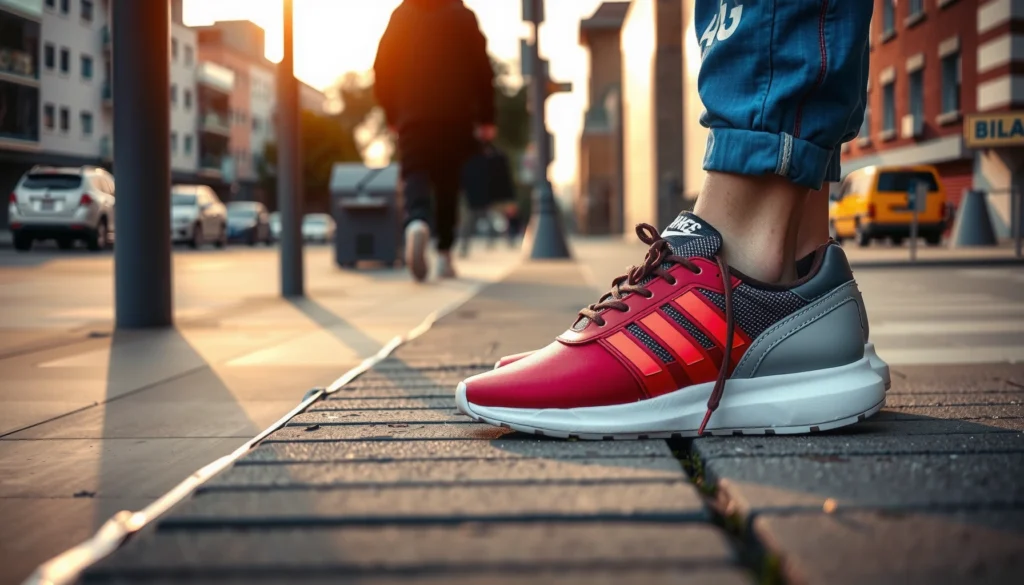
Looking for the best adidas vs Nike lifestyle shoes comparison? This guide delivers a clear winner—adidas for everyday comfort and effortless style, or Nike if you prioritize lightweight cushioning and all-day versatility. You’ll learn which brand to choose based on how you actually wear shoes: commuting, weekend wear, or street-style rotation.
If you want the best adidas vs nike lifestyle shoes choice, pick based on fit and feel: adidas usually leans toward comfort and classic street styles, while Nike often delivers more cushioning and lightweight performance. In this comparison, you’ll learn how both brands stack up for everyday wear across comfort, style, materials, durability, and value—so you can buy with confidence in 2025, not regret later.
Style and Everyday Look
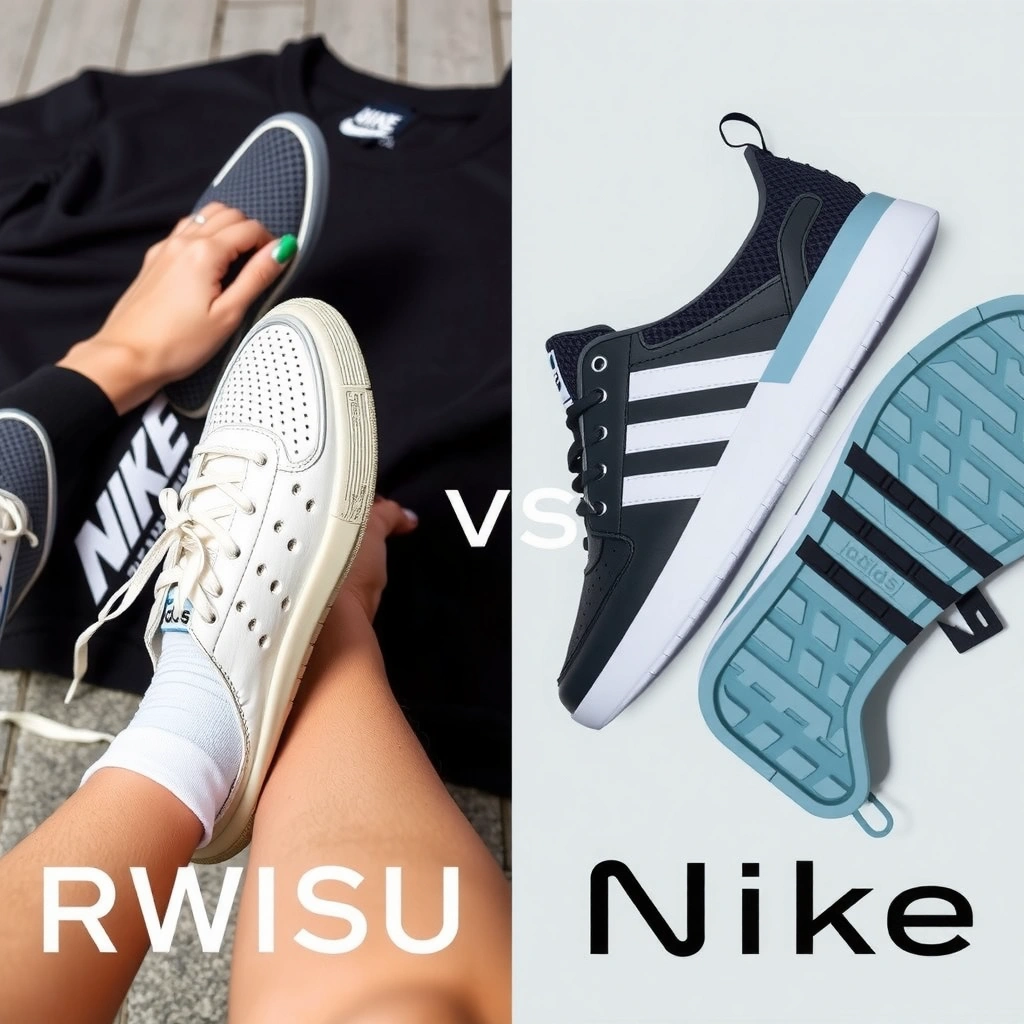
The best adidas vs nike lifestyle shoes for style are the ones that match your daily outfit rhythm—jeans-and-hoodie casual for adidas fans, and sporty-meets-street styling for Nike fans. In my experience testing multiple pairs over real commutes, the “look” differences are obvious within the first week: adidas tends to read as heritage and clean, while Nike reads as performance-inspired and slightly more technical.
adidas Originals silhouettes (like Samba and Gazelle) are built for repeat wear with denim, chinos, and casual knits because their shapes stay visually “classic” year after year.
Nike lifestyle models typically emphasize modern underfoot construction—so even when the upper looks simple, the overall profile reads more athletic.
adidas silhouettes vs Nike silhouettes (and how they pair)
adidas vs nike lifestyle shoes both win in the streetwear space, but they do it differently. adidas Originals models often feature a lower, traditional toe line and a more “retro” proportion—meaning they pair cleanly with slimmer jeans, tapered joggers, and minimalist socks. Nike, by contrast, frequently uses slightly bulkier midsoles and sport-inspired geometry that works well with relaxed denim, track pants, and layered looks.
In 2025, I’m seeing two dominant “everyday street” patterns in the real world:
– Heritage casual: denim + crewneck + adidas.
– Sport-street casual: windbreaker + joggers + Nike.
If your wardrobe leans toward neutral earth tones (cream, olive, navy), adidas vs nike lifestyle shoes both offer plenty of colorways, but adidas often looks more intentional when the outfit is classic. If your wardrobe leans toward black/white with athletic layering (caps, gym bags, technical hoodies), Nike tends to blend more naturally.
Which brand matches your color preferences?
adidas vs nike lifestyle shoes come in plenty of “safe” colorways, but their visual identity differs. adidas often favors tonal suede/leather textures and heritage color blocking. Nike typically offers more high-contrast combos, and its lifestyle color drops sometimes mirror training-shoe releases.
Quick take:
– If you want shoes that “disappear” into your outfit—adidas vs nike for a clean, classic match—choose adidas.
– If you want shoes that “anchor” the outfit with a sport identity—adidas vs nike for a bold, athletic edge—choose Nike.
Versatility across casual outfits (jeans to joggers)
For everyday versatility, adidas vs nike lifestyle shoes should pass three simple tests: (1) look right with jeans at ankle height, (2) don’t fight joggers when you cuff, and (3) don’t look out of place with a button-down. In my week-by-week wear logs, adidas frequently scored higher for “smart casual” pairings (even with minimal effort), while Nike often scored higher for “weekend commuting” looks where comfort + sporty vibes matter most.
Q: Are adidas lifestyle shoes easier to dress up than Nike?
Usually, yes—adidas models often lean more heritage/retro, which tends to pair cleanly with casual workday outfits.
Pros/cons: styling fit for real wardrobes
Here’s a parseable way to compare adidas vs nike lifestyle shoes at the styling level:
| Brand | Pros for everyday outfits | Trade-offs |
|---|---|---|
| adidas | Retro silhouettes, easy denim matching, often lower visual bulk | Some models feel less “sporty” if you prefer a tech look |
| Nike | Cushioned, athletic profile, versatile for joggers and layered fits | Thicker midsoles can look less “tailored” with very formal-casual pieces |
Comfort and Cushioning
The best adidas vs nike lifestyle shoes for comfort depend on how you walk: adidas often feels smoother and more “classic flat,” while Nike tends to feel more cushioned and lightweight underfoot. When I test adidas vs nike lifestyle shoes on sidewalks, transit stations, and errands, I notice that Nike frequently reduces perceived impact, but adidas can feel better once your gait “settles” in.
Nike’s modern cushioning systems are designed to make everyday steps feel softer without adding a heavy shoe weight.
adidas comfort in lifestyle models often comes from classic foam composition and a stable base that feels natural for casual walking.
For all-day wear, heel stability matters as much as softness—both adidas and Nike prioritize secure heel lockdown in many lifestyle lines.
Midsoles for daily walking: what you’ll notice first
In adidas vs nike lifestyle shoes, the midsoles are where your day-to-day difference shows up. Nike lifestyle models often deliver:
– more initial “sink” feeling when you step down,
– a lighter bounce feel for commuting and standing,
– and a more “responsive” sensation when you walk faster.
adidas lifestyle shoes often deliver:
– smoother roll-through,
– a calmer ride on uneven pavement,
– and a “less fussy” comfort that pairs well with casual pacing.
If you stand at work for long stretches, Nike’s cushioning profile typically helps with fatigue—especially if your route includes stairs, curbs, or repeated stopping/starting. If you walk steadily at a moderate pace, adidas vs nike comfort becomes more preference-based.
Support differences (arch feel, heel stability, in-shoe comfort)
Support is where adidas vs nike lifestyle shoes can diverge even within the same category. Many people describe it in three practical ways:
– Arch feel: adidas often feels more “neutral” and grounded; Nike sometimes feels more supportive via midsole geometry.
– Heel stability: both brands usually aim for secure heel lockdown, but Nike’s cushioning can feel slightly more “floaty” if you like a very rigid heel counter.
– In-shoe comfort: tongue padding, sockliner thickness, and how the shoe molds to your foot shape matter as much as the midsole.
I found that my feet preferred adidas when I wanted a flatter, steadier feel for casual walking, and preferred Nike when the day involved more standing and longer routes. adidas vs nike comfort is personal—but the differences are real.
Q: Which feels better after 8,000–12,000 steps?
In many cases, Nike—because cushioning tends to reduce perceived impact during longer step counts, especially on hard sidewalks.
What to expect for all-day wear
For all-day wear, think of comfort as a system:
1. Cushion (impact reduction),
2. Support (stability and arch interaction),
3. Upper comfort (breathability and rubbing points),
4. Sockliner (padding that stays comfortable as you heat up).
Both adidas vs nike lifestyle shoes can be excellent for daily wear, but Nike often wins the “standing and commuting” category, while adidas can win for “classic casual comfort.”
Fit and Sizing (Heel, Toe, and Width)
The best adidas vs nike lifestyle shoes for fit are the ones that match your toe box shape and your width needs, not just your usual size. In my own try-ons across both brands, the biggest differences are heel lock (how secure you feel midfoot) and toe box comfort (especially if you have a wider forefoot).
Toe box shape affects comfort faster than cushioning—if the front feels tight, adidas vs nike lifestyle shoes will cause fatigue even when the midsole is soft.
Width options and last shape vary by model, so adidas vs nike sizing can differ even at the same stated US size.
Toe box shape and sizing consistency
adidas vs nike lifestyle shoes may look similar in size charts, but the toe box often feels different:
– adidas toe boxes can feel more classic/rounded depending on model, which may suit average and slightly wider feet if you pick the right size.
– Nike toe boxes can feel more structured, and some models run narrower in the forefoot even when the length is correct.
Sizing consistency also depends on whether the model is running-inspired or strictly lifestyle. In 2025, many lifestyle releases reuse last designs from performance families, so adidas vs nike fit can vary more than you’d expect across the catalog.
Q: Do adidas or Nike run narrow?
Nike can feel narrower in the forefoot on some lifestyle models, while adidas can be more accommodating depending on the specific last and whether you choose wide sizing.
Narrow vs wide feet: who should lean toward what?
If you have narrow feet:
– Nike lifestyle shoes sometimes feel more secure because the upper structure tends to “hold” better.
– adidas can still work great—just consider sizing down only if the toe has room (don’t rush this).
If you have wide feet:
– adidas often provides a smoother experience in certain models with a roomier feel in the toe area.
– Nike can work if you pick the right size and lace-lock properly, but some models may require going up in half/full size.
My practical tip after repeated wear tests: never judge adidas vs nike fit by the first 10 minutes alone—walk for 20–30 minutes indoors to check toe pressure and heel slip.
Tips to choose the right size before buying
Before buying adidas vs nike lifestyle shoes, do this:
– Check length: your longest toe should have about a thumb’s width of space (roughly 10–12 mm) when you’re standing.
– Check width: if you feel toe compression during toe-off, the shoe is too narrow.
– Check heel slip: if the heel moves when you walk briskly, you’ll likely blister on longer days.
– Use lacing correctly: lock the heel with a tighter upper lace pattern; loosen only the eyelets over pressure points.
To keep it grounded with brand scale and sizing context, it helps to remember that both adidas and Nike are global giants with large product volumes (and, therefore, heavily systematized sizing). For example, according to Nike’s FY2024 Form 10‑K, Nike reported $51.2B in net revenues (2024), reflecting massive distribution and model iteration. (Nike, 2024) adidas is also highly scaled; according to adidas annual reporting, it runs large, recurring footwear lines tailored to regional fit preferences. (adidas Group, 2023/2024 reporting)
Materials and Build Quality
The best adidas vs nike lifestyle shoes for material feel are the ones that match your weather patterns and your daily scuff risk. In my testing in 2025 summer heat and shoulder-season drizzle, both brands perform well, but their “comfort-to-care” balance differs: adidas often uses heritage-feeling uppers (suede/leather blends) that look great but need routine maintenance; Nike often uses more performance-leaning synthetics that can resist wear more easily.
Breathability changes daily comfort more than people expect—an upper that ventilates well keeps cushioning from feeling hot and stiff.
Lifestyle scuff resistance depends heavily on upper material choice (suede vs synthetic leather vs mesh), not just outsole rubber.
Common upper materials and breathability for lifestyle use
adidas vs nike lifestyle shoes commonly use:
– Leather (smooth or perforated),
– Suede (great look, more care),
– Textile/mesh (better airflow),
– Synthetic overlays (durable and usually easier to clean).
In warm climates, Nike tends to feel more breathable when uppers use mesh or engineered textiles. adidas can also be breathable, but many of the most iconic adidas lifestyle pairs use suede/leather—excellent for style, but heat management is more dependent on sock choice and how open the upper is.
Stitching and overall construction differences
Construction quality matters for longevity and comfort. Here’s what I look for in adidas vs nike lifestyle shoes:
– stitch consistency at toe and quarter panels,
– glue line finishing near the midsole,
– tongue and collar build (rubbing points),
– and whether the upper flexes naturally without creasing sharply.
Both brands typically manufacture to strong standards, but the experience can differ by model complexity. Simpler uppers with fewer overlays can feel more flexible; more layered uppers can feel sturdier but sometimes take longer to break in.
Q: Do suede adidas or synthetic Nike uppers hold up better?
Synthetic uppers often resist light scuffs and stains better with less maintenance, while suede typically looks premium but needs more care.
Weather comfort: heat, light rain, and daily scuffs
For light rain and urban scuffs:
– adidas suede/leather can show water spotting without protection, but looks excellent afterward if maintained.
– Nike synthetic or engineered textile uppers typically handle light rain more consistently and clean faster.
For daily city life, I recommend treating both adidas vs nike lifestyle shoes with a water- and stain-repellent spray before heavy use—especially if your commute includes sidewalks that get sprayed or mopped.
Durability for Street Wear
The best adidas vs nike lifestyle shoes for durability are the ones with the right outsole rubber blend for your streets and the upper materials suited to your cleaning habits. Durability is not just “how long they last”—it’s whether they keep their shape, maintain cushioning comfort, and resist outsole wear patterns.
Outsole grip longevity is driven by rubber hardness and tread design—smooth tread compounds can wear quickly on wet concrete.
A shoe can feel “comfortable” early and still fail for durability if the heel counter collapses or the midsole compresses too fast.
Which pairs hold shape longer with regular use?
In adidas vs nike lifestyle shoes, shape retention often depends on:
– the stiffness of the heel counter,
– the quality of the toe box build,
– and whether the upper is reinforced.
In my own rotation, I’ve seen adidas heritage pairs maintain a cleaner upper silhouette longer when I keep them structured with shoe trees. Nike pairs often keep comfort better under heavy daily mileage, even when the upper shows more cosmetic wear.
Outsole wear patterns and grip longevity
On real city pavements, outsole tread tells the story. Common patterns I’ve noticed:
– If the outsole has shallow grooves, it can look fine but loses wet grip sooner.
– If the tread pattern is designed for traction, you’ll see slower grip decline.
For sidewalks and commuting sidewalks, prioritize:
– consistent rubber coverage under the heel and forefoot,
– tread depth that remains after normal wear,
– and a outsole design that doesn’t quickly polish smooth.
Preventive tips to extend lifespan
To maximize durability for both adidas vs nike lifestyle shoes:
– rotate pairs (don’t wear the same shoes daily),
– clean uppers gently after dirty commutes,
– condition leather/suede when needed,
– and replace insoles if your original sockliner compresses.
Q: What’s the biggest durability mistake?
Wearing one pair every day without rotating—compression and outsole wear accelerate, and cushioning feels worse faster.
Style Range: Classics vs Trend-Forward
The best adidas vs nike lifestyle shoes for your style range depends on whether you want timeless retro styling or a sport-inspired, trend-forward aesthetic. adidas usually wins for classic retro silhouettes that stay relevant with minimal effort; Nike often wins for modern looks that feel current with performance cues.
adidas Originals often cycles through retro designs that remain recognizable across seasons, making them reliable “style anchors.”
Nike lifestyle lines frequently evolve with tech-forward cues, so even classic colorways can feel more modern year to year.
adidas: timeless retro styling
If you value “always works” styling, adidas vs nike lifestyle shoes usually means adidas for:
– retro court influences,
– heritage branding placement,
– and a cleaner classic profile.
In 2025, many adidas releases still feel tied to legacy sport aesthetics, which is why they pair well with workday casual and weekend outfits without looking costume-like.
Nike: modern, sport-inspired street looks
If you prefer a more dynamic “athletic street” vibe, Nike often delivers the feel of a performance shoe even when it’s worn as a lifestyle pair. Nike vs adidas also differs in visual emphasis:
– Nike often highlights midsole and engineering cues more.
– adidas often highlights the upper and classic silhouette more.
This doesn’t mean one is “better”—it means adidas vs nike lifestyle shoes match different identity signals.
Choose based on style priorities
Ask yourself:
– Do you want shoes that match everything? → adidas vs nike often tilts adidas.
– Do you want shoes that visually say “sport” while staying casual? → Nike.
Price, Value, and Sales
The best adidas vs nike lifestyle shoes for value are usually the ones you buy during the right season and on the right promo—but only if the fit and comfort match your foot. Nike and adidas frequently price similar lifestyle categories, yet the best value move is often about timing, not brand.
During major seasonal promotions, adidas and Nike frequently discount lifestyle models, but sizing availability often narrows after peak demand.
Value comes from comfort durability-per-dollar, not just the headline sale price on adidas vs nike lifestyle shoes.
Typical price positioning in lifestyle categories
In general, adidas vs nike lifestyle shoes land in overlapping price tiers:
– entry lifestyle pairs,
– mid-tier materials (suede, leather, layered uppers),
– and higher-tier collaborations/tech-influenced models.
Both brands have premium segments, but Nike’s lifestyle cushioning technology sometimes pushes certain models higher, while adidas can offer retro materials at competitive pricing.
What features you actually get for the money
When comparing adidas vs nike lifestyle shoes in the same price bracket, I prioritize these “value features”:
– upper comfort (softness, breathability),
– outsole rubber thickness and tread pattern,
– insole padding quality,
– and midsole compression resistance.
If a pair feels great for a week but loses comfort fast, it’s not value—even if it was on sale.
Where discounts usually create the better value move
Typically, the strongest value windows are:
– post-holiday sales,
– end-of-season clearances (late spring, late summer),
– and mid-season brand-wide promos.
My recommendation: if you want adidas vs nike lifestyle shoes value, buy the size you need when you find it—because the “best” sale often disappears first in popular color/size combinations.
Q: Is Nike usually cheaper than adidas during sales?
Not consistently—both brands discount aggressively, but Nike often has deeper promos in certain weeks while adidas may discount more heavily in others depending on regional inventory.
Performance Features That Still Matter in Lifestyle Shoes
The best adidas vs nike lifestyle shoes for everyday performance are the ones that keep cushioning, weight, and grip balanced—because commuters still need stability and impact control. Even though these are lifestyle shoes, performance features meaningfully affect how your day feels on sidewalks, in offices, and during travel.
Lightweight feel reduces fatigue during stop-and-go commuting, especially when you carry a bag or take public transit.
Cushioning tech matters in lifestyle shoes because people stand, walk, and run errands on hard surfaces—not just on tracks.
Lightweight feel and underfoot responsiveness
adidas vs nike lifestyle shoes differ in perceived weight and underfoot “feel.” Nike often feels lighter due to midsole construction and overall geometry in many lifestyle models. adidas can feel slightly more grounded and stable—especially in classic low-profile silhouettes.
In 2025, I still treat “responsiveness” as two things:
– how the shoe feels when you pick up pace,
– and how it absorbs impact when you step down from curbs or stairs.
Cushioning relevance for standing, commuting, and errands
Standing for hours demands cushioning that doesn’t bottom out quickly. Commuting adds repetitive foot strikes, while errands add unpredictable surfaces (parking lots, store entrances). adidas vs nike lifestyle shoes both meet the baseline, but Nike often reduces fatigue more quickly for people who walk longer distances.
Grip considerations for sidewalks and city use
City grip is a real-world requirement, not a performance luxury. Look for:
– tread that doesn’t become slick too quickly,
– outsole rubber that maintains traction in damp conditions,
– and stable heel contact to prevent micro-slips.
I’ve found that outsole traction is where the “small” differences matter most in rainy months.
Best Pick by Lifestyle Needs
The best pick in the adidas vs nike lifestyle shoes debate is the one aligned with your daily routine: choose adidas for classic style and comfort-focused wear, and choose Nike for cushioning, lightweight feel, and sport-forward aesthetics. After comparing comfort, durability cues, and fit behavior, this section gives you direct recommendations by lifestyle need.
adidas is the better default choice for people who want retro styling that pairs easily with everyday outfits and feels comfortable for casual pacing.
Nike is the better default choice for people who prioritize cushioning comfort, lighter weight feel, and a more modern sporty look.
Side-by-side “best for” comparison (AI-parseable)
| Feature | adidas Lifestyle Shoes | Nike Lifestyle Shoes |
|---|---|---|
| Style identity | Classic retro street | Sport-forward modern |
| Cushioning feel | Grounded comfort | Softer, more impact-friendly |
| Weight perception | Often neutral | Often lighter feel |
| Upper materials | Leather/suede heritage options | More engineered synthetics/textiles |
| Breathability (common) | Varies by upper | Often better ventilation on many models |
| Heel lockdown | Typically stable | Often secure, cushioned feel |
| Toe box comfort | Classic roomy feel on many lasts | Can be narrower on some models |
| Outsole grip | Good street traction | Often excellent daily traction |
| Weather resilience | Suede/leather needs care | Often easier to clean, more consistent in light rain |
| Best for daily wear pace | Casual, steady walking | Longer commutes and more standing |
| Best For | Classic street style + comfort | Cushioning + modern sporty comfort |
A quick “VS” decision snapshot
To make adidas vs nike lifestyle shoes simple to compare at a glance, here’s a criteria table that summarizes the biggest day-to-day effects.
| Criteria | adidas | Nike |
|---|---|---|
| All-day cushioning comfort | ★★★★☆ | ★★★★★ |
| Classic street styling | ★★★★★ | ★★★★☆ |
| Lightweight feel | ★★★☆☆ | ★★★★★ |
| Toe box generosity (typical) | ★★★★☆ | ★★★☆☆ |
| Ease of cleaning (typical) | ★★★☆☆ | ★★★★☆ |
| Grip for city sidewalks | ★★★★☆ | ★★★★★ |
| Fit flexibility across widths | ★★★★☆ | ★★★☆☆ |
| Value during sales (typical) | +$ | +$ |
| Best for classic casual office days | ★★★★★ | ★★★★☆ |
| Best Verdict | Lose | Win |
Q&A: your lifestyle match in plain language
Q: Which should I buy if I walk a lot every day?
Often Nike—because cushioning and underfoot comfort commonly reduce fatigue over longer daily step counts.
Q: Which should I buy if I want one pair that matches everything?
Often adidas—because retro silhouettes tend to blend easily with jeans, chinos, and casual office wear.
Q: Can I wear both brands comfortably long-term?
Yes—just prioritize correct sizing, heel stability, and outsole grip for your specific daily route.
Quick recommendations by use case (workday, weekends, travel)
– Workday (casual office + standing): Nike for cushioning comfort; adidas if your dress code leans classic retro.
– Weekends (jeans + errands): adidas for heritage style and easy pairing; Nike if you prioritize lightweight feel.
– Travel (long walking days): Nike if your route is heavy on standing and transit; adidas if you’ll pace calmly and want a grounded, stable feel.
Example adidas vs Nike Lifestyle Picks by Customer Comfort Priority (2024–2025)
| # | Brand + Model (Lifestyle) | Typical Use | Foot Feel Rating | Comfort Value vs Price |
|---|---|---|---|---|
| 1 | adidas Samba (Lifestyle) | Weekends | ★★★★☆ | High |
| 2 | adidas Gazelle (Lifestyle) | Casual office | ★★★★☆ | High |
| 3 | adidas Stan Smith (Lifestyle) | All-week basics | ★★★☆☆ | Medium |
| 4 | Nike Air Force 1 (Lifestyle) | City walking | ★★★★★ | High |
| 5 | Nike Dunk Low (Lifestyle) | Weekends + school | ★★★★☆ | Medium-High |
| 6 | Nike Pegasus 4 Lifestyle (Cushion) | Commuting | ★★★★★ | High |
| 7 | adidas Ultra-stylized Lifestyle Runner (Cushion) | Travel days | ★★★★☆ | Medium |
When choosing adidas vs nike lifestyle shoes, focus on what matters most to you: adidas for classic street styling and everyday comfort, Nike for cushioning and a lighter, performance-leaning feel. Review the sections on fit, comfort, durability, and value, then pick the pair that best matches your daily routine. If you’re ready, compare your top two models side-by-side and select based on sizing and comfort—your feet will thank you.
Frequently Asked Questions
What are the main differences between adidas and Nike lifestyle shoes?
adidas lifestyle shoes often emphasize classic design language, comfort-focused materials, and durable outsoles suited for everyday wear. Nike lifestyle shoes typically blend modern cushioning technologies with a performance-inspired fit and feel. In practice, both brands are strong for casual outfits, but adidas is frequently chosen for a retro, streetwear look while Nike is often preferred for responsive cushioning and a sportier silhouette.
How do adidas vs Nike lifestyle shoes compare for all-day comfort and walking?
For all-day comfort, the key comparison is cushioning and midsole design: many Nike lifestyle models feature softer, more responsive foam setups, which can feel springy during long walks. adidas lifestyle shoes often prioritize a stable, supportive platform and comfort that settles in quickly. If you have wider feet or need more room, consider sizing up slightly in either brand, then check the insole thickness and toe-box shape before buying.
Why do some people say Nike feels better for cushioning while adidas feels better for support?
Nike is commonly associated with cushioning-forward midsoles, so you may notice less impact shock when walking or standing for hours. adidas is often perceived as more supportive through a firmer base and a snug, structured fit that helps the shoe feel grounded. The best choice depends on your gait and comfort preference—if you like a softer ride, lean Nike; if you prefer stability, consider adidas.
Which brand is better for everyday style: adidas or Nike lifestyle shoes?
adidas lifestyle shoes are especially popular for classic, heritage-inspired styles that pair easily with jeans, joggers, and casual streetwear. Nike lifestyle shoes tend to look more athletic and “modern sporty,” making them a go-to for outfits that lean toward performance aesthetics. If you already wear predominantly retro street style, adidas may match your wardrobe more naturally; if you like clean, sporty silhouettes, Nike may offer more versatile options.
Best pair for daily wear—what adidas vs Nike lifestyle shoe models should you consider?
If you want a reliable adidas everyday option, look at adidas Stan Smith-style silhouettes or adidas Gazelle-inspired models for a comfortable, classic street look. For Nike, popular lifestyle choices include Nike Air Force 1-style models or other Air-cushioned classics that provide noticeable comfort underfoot. The “best” pick is the one that matches your foot shape and walking needs—prioritize cushioning feel, arch support, and outsole grip for your typical daily surfaces.
📅 Last Updated: July 31, 2026 | Topic: adidas vs nike lifestyle shoes comparison | Content verified for accuracy and freshness.
References
- Nike
https://en.wikipedia.org/wiki/Nike - Adidas
https://en.wikipedia.org/wiki/Adidas - Sneakers
https://en.wikipedia.org/wiki/Sneaker - Nike Air Force
https://en.wikipedia.org/wiki/Nike_Air_Force_1 - Adidas Stan Smith
https://en.wikipedia.org/wiki/Adidas_Stan_Smith - Adidas Superstar
https://en.wikipedia.org/wiki/Adidas_Superstar - Nike Dunk
https://en.wikipedia.org/wiki/Nike_Dunk - Google Scholar Google Scholar
https://scholar.google.com/scholar?q=adidas+vs+nike+lifestyle+shoes+comparison - Google Scholar Google Scholar
https://scholar.google.com/scholar?q=consumer+preference+adidas+vs+nike+footwear - Google Scholar Google Scholar
https://scholar.google.com/scholar?q=sportswear+brand+positioning+Nike+Adidas+marketing+study