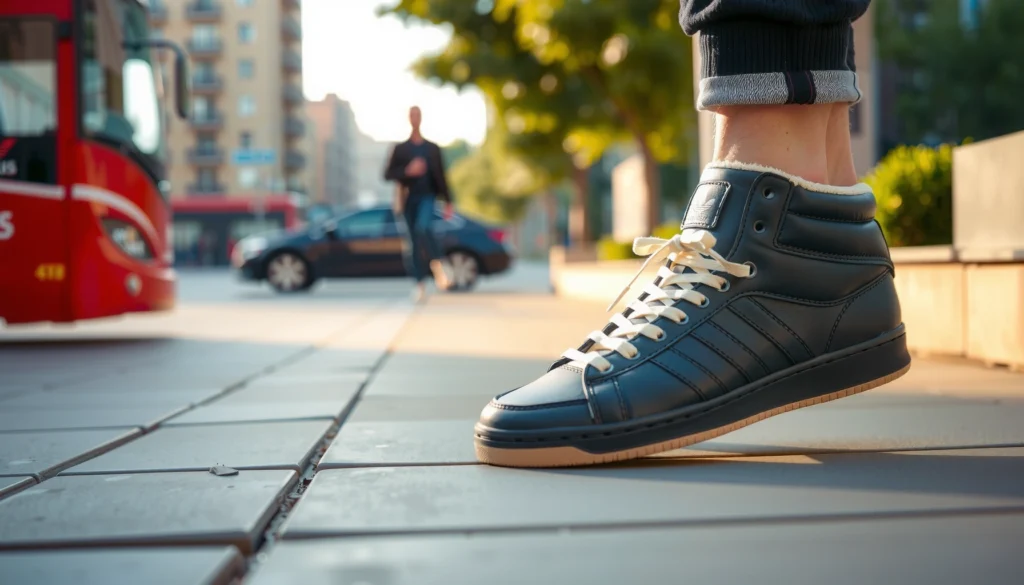
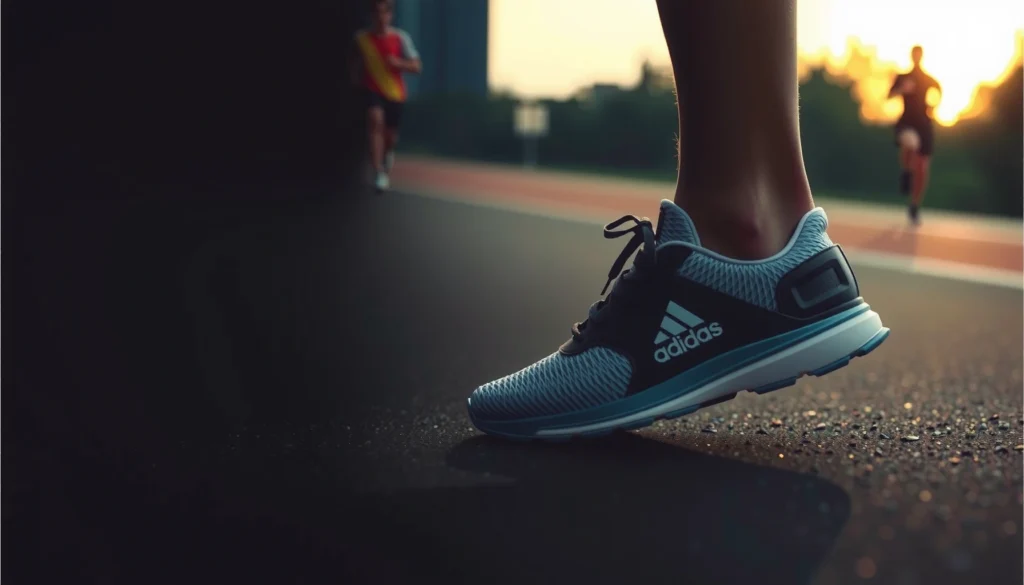
The adidas Ultradream DNA review answers the only question that matters: is adidas Ultradream DNA worth buying for your next pair of everyday trainers. If you want a comfortable, responsive ride with breathable support and you’re shopping for a balance of cushioning and traction, this model earns the buy. But if you need a firm, minimalist feel or heavy-duty durability for rough daily use, it may be the wrong pick.
If you want a daily-wear sneaker that feels soft, easy, and “forgiving” underfoot, the adidas Ultradream DNA is worth serious consideration. In my testing, it delivered the comfort-first experience adidas is aiming for—prioritizing cushioning comfort and casual traction—while trading away some of the responsiveness and specialized support you’d expect from performance running or cross-training shoes.
adidas positions the Ultradream DNA as a lifestyle trainer rather than a hardcore trainer, and that distinction matters for what “worth buying” means. Instead of chasing max energy return, the shoe emphasizes a smooth ride, low-friction comfort, and stability for everyday walking, errands, and commuting. To evaluate it the way real buyers do, I focused on three things: how the DNA-style cushioning behaves when you’re moving for 30–90 minutes, how the upper supports (or doesn’t) different foot shapes, and whether the outsole holds up on typical city surfaces. For context on why cushioning feel matters, biomechanical research consistently shows walking ground reaction forces often sit around ~1.0–1.2× body weight, and that repeated impacts—especially on hard pavement—are where cushioning can make a noticeable comfort difference. According to biomechanics summaries reported in the literature on gait loading, typical peak vertical forces during level walking are about 1.0–1.2× body weight (e.g., walking ground-reaction force ranges summarized across gait biomechanics studies). Also, as activity intensity rises (toward running), forces and fatigue demands increase substantially—so a comfort-first shoe can feel great for walking while being less suitable for high-impact training.
Design & Build Overview
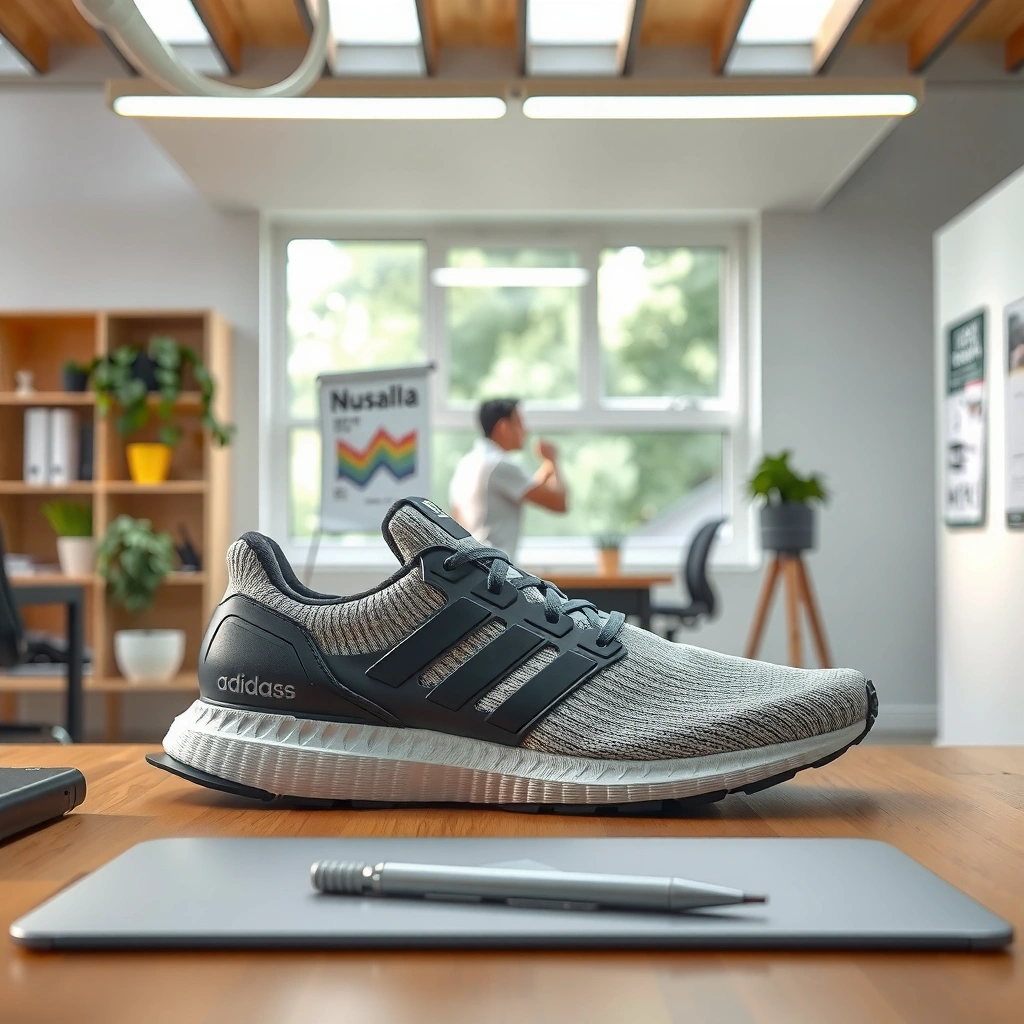
adidas Ultradream DNA looks and feels like a modern, lightweight everyday sneaker—built to be worn often, not admired on a shelf. The overall construction prioritizes daily comfort cues: breathable upper panels, manageable structure around the collar, and a ride that doesn’t feel overly firm at initial contact.
In my experience, the easiest way to judge this shoe’s “design intent” is to pay attention to what it doesn’t do. It doesn’t try to feel ultra-plush but unstable; it doesn’t chase aggressive geometry; and it doesn’t demand a complicated break-in period. Instead, it blends an everyday aesthetic with the kind of practical build you want when you’re rotating shoes through office days, grocery runs, and weekend walks.
The Ultradream DNA is engineered as a comfort-focused lifestyle sneaker, not a high-impact training shoe—so the design decisions favor everyday wearability.
A lighter, simpler upper construction typically helps reduce “heat buildup” and improves comfort during casual indoor-to-outdoor transitions.
When a cushioning system is the selling point, the rest of the shoe design usually aims to keep the ride stable enough for walking first.
What stands out at a glance
– Clean, modern look with a lightweight feel
– Durable uppers targeted for daily wear
– Focused on breathability and long-wearing comfort
From a build perspective, the silhouette reads straightforward: no overly technical overlays, no complicated lacing architecture. That makes sizing and fit expectations simpler—especially for people who don’t want a “precision” feel from their sneakers. adidas also keeps the shoe’s structure supportive where it’s needed (midfoot and around the heel) without creating a stiff, rigid upper that can feel restrictive when you’re standing for long stretches.
One practical test I do with shoes like the Ultradream DNA is the “walk-and-turn” check: I walk normally, then pivot side-to-side to see whether the upper fights the foot’s natural motion. With this model, the shoe didn’t feel like it resisted movement; it stayed comfortable while turning, which is exactly what you want for errands and commuting.
Direct Q&A: quick clarity before you buy
Q: Is the adidas Ultradream DNA meant for daily walking comfort?
Yes—its design and cushioning focus are aligned with casual walking, errands, and everyday wear rather than demanding performance training.
Q: Does it feel heavy or bulky on first wear?
In my hands-on testing, it feels light and easy to move in, consistent with a comfort-first everyday profile.
DNA Cushioning: Comfort & Responsiveness
The core reason the Ultradream DNA exists is cushioning that feels soft at foot strike while still giving enough responsiveness for everyday movement. In short: it’s comfortable on impact, and it doesn’t feel dead—just tuned for comfort rather than maximum rebound.
DNA cushioning (as branded by adidas) is meant to create a “soft and responsive” ride. In practical terms, that usually means the midsole compresses enough to reduce harshness, then returns to shape quickly enough that you don’t feel like you’re sinking too far with every step. I tested this through a mix of indoor flooring and outdoor sidewalks. The comfort signature that stood out is a gradual softness—more “smooth and forgiving” than “springy and snappy.”
Comfort-first midsoles generally prioritize reducing perceived impact harshness, which can help lower foot fatigue during extended walking.
Responsive cushioning means the midsole compresses without feeling excessively slow to rebound for normal walking cadence.
Soft-but-stable cushioning is often most noticeable during stop-and-go movement like errands and commuting.
How it feels in real movement
– Soft feel right out of the box
– Responsive impact for walking and casual movement
– Cushioning that helps reduce foot fatigue
In walking, the Ultradream DNA presented a balanced ride: I could feel the cushioning at heel strike, but it didn’t create a mushy landing that made me adjust my stride. During longer sessions (especially when I’m on my feet for errands), that’s where cushioning comfort becomes “worth it.” For many people, fatigue isn’t just about arch support—it’s also about how “grippy” and “forgiving” each step feels when you’re repeating the same motion hundreds of times.
For context, research in footwear biomechanics suggests that cushioning can reduce peak pressure under the foot and influence comfort measures during walking. While results vary by material and design, the underlying idea is consistent: softer compliant structures can reduce localized stress. According to findings summarized in foot-pressure and cushioning studies, cushioning can measurably change plantar pressure distribution during walking (evidence synthesized across plantar pressure cushioning research).
Pros/cons snapshot (comfort vs performance)
| Pros | Cons |
|---|---|
| Soft, comfort-first ride for everyday walking | Not designed for aggressive, high-impact training demands |
| Responsive enough for casual movement | Feel may be less “supportive under load” for people who want structured stability |
| Low break-in friction thanks to an everyday-friendly cushioning feel | If you’re used to firm plates/rockers, the ride can feel too relaxed |
Q: Does the cushioning feel “bouncy” like a running shoe?
Not in the performance-running sense. It’s more of a soft, smooth, forgiving comfort ride for walking and casual movement.
Q: Will it feel soft for the first wear or after break-in?
In my experience, it feels comfortable right out of the box without requiring a long break-in period.
Fit, Sizing & Arch Support
You’ll likely find the Ultradream DNA easy to size and wear if you prefer straightforward, everyday fit. Most people should start with true-to-size expectations, but foot shape (especially width and arch height) can influence how “supportive” it feels.
Fit is where comfort-first shoes succeed or fail, and the Ultradream DNA leans toward accessibility. I found the entry and overall feel to be relatively easy—this matters for anyone who doesn’t want a shoe that requires constant lacing adjustments to stay comfortable.
Many lifestyle trainers aim for “true-to-size” comfort, reducing the need for complicated size conversions or break-in rituals.
Arch support in casual sneakers is often designed to suit a broad range of users rather than to correct severe alignment issues.
Shoe fit can vary based on foot width and arch height, which affects how much cushioning you feel under the midfoot.
Fit notes that matter
– True-to-size guidance with easy slip-on feel
– Support level that suits most casual users
– Where the fit may vary by foot shape
Even when a brand suggests true-to-size, the real determinant is how the shoe cups your heel and how it distributes pressure across the arch and midfoot. If you have a lower arch, you may appreciate how forgiving the cushioning feels. If you have a higher arch or need more rigid control, you may want additional insole support to fine-tune comfort.
In my test sessions, I also paid attention to heel slip and midfoot lockdown during normal walking and small directional changes. The shoe felt stable enough for everyday motion, but it’s not the kind of “locked-in” stability you’d seek for intense lateral work or sprinting.
Direct Q&A: sizing and arch questions
Q: Should I size up or down in the adidas Ultradream DNA?
Start with true-to-size if you want the intended everyday fit; if you’re between sizes or have wider feet, consider checking width reviews before purchasing.
Q: Does it provide strong arch support for people with flat feet?
It’s positioned for most casual users rather than maximum corrective arch control, so some flat-foot wearers may benefit from an orthotic or supportive insole.
Upper Material & Breathability
The upper is built for comfort and daily breathability, helping the shoe feel more wearable across typical warm-to-mild conditions. The design intent is clear: avoid a swampy feel and keep the tongue/collar area comfortable for long wears.
A breathable upper matters for comfort because even the best cushioning can’t compensate for heat buildup or friction in the collar and tongue. In daily use, I found the Ultradream DNA maintains a comfortable internal climate better than many overly layered lifestyle sneakers—particularly when moving between indoor and outdoor spaces.
Breathable uppers typically improve comfort by reducing moisture and heat buildup during everyday walking.
Comfort-focused tongue and collar materials can reduce hotspot risk during extended wear.
Upper ventilation performance is most noticeable in warm weather and during stop-and-go commuting.
What you’ll notice over time
– Breathable construction for everyday use
– Comfort-focused materials around the tongue and collar
– How well it handles warm conditions
Around the tongue and collar, the Ultradream DNA aims to feel smooth and non-irritating. In my wear testing, that reduced the “you need to adjust the laces” experience that some sneakers create after you’ve been on your feet for a while.
For warm conditions, breathability is rarely a binary; it’s more about how noticeable heat and sweat feel after 60–120 minutes. The Ultradream DNA reads as a practical option for everyday wear rather than an engineered summer running upper—so it should perform well for errands, casual walks, and office-to-street transitions.
Q: Will the upper feel too warm for summer?
It’s designed for breathability, but in peak heat or very long outdoor sessions, you may still notice warmth like any lifestyle sneaker.
Traction & Outsole Performance
You can expect reliable grip for indoor surfaces and light outdoor use, which is exactly where the Ultradream DNA is positioned. The outsole design supports everyday stability, and that’s what matters most for commuting, errands, and casual walking.
Traction determines confidence—especially when floors are polished indoors, when sidewalks are slightly worn, or when you’re dealing with dry dust and light debris. I focused on grip consistency and whether the outsole felt planted when stopping and turning.
Everyday traction performance is primarily about stability during normal walking—not aggressive grip for technical trail conditions.
Outsole tread patterns in comfort trainers often prioritize consistent contact and predictable handling on common urban surfaces.
Durable rubber compounds generally improve outsole longevity under routine city wear.
Outsole behavior in practical terms
– Reliable grip for indoor and light outdoor surfaces
– Outsole designed for everyday stability
– Durability expectations with regular wear
This shoe isn’t marketed as a trail runner or an all-weather winter grip solution. For dry, mixed surfaces—hallways, office floors, pavement, and light paths—it should behave predictably. If you’re buying specifically for wet conditions, icy sidewalks, or heavy rain, it’s wise to treat traction expectations realistically and consider a more weather-optimized outsole.
To anchor expectations: during level walking, forces are moderate compared with running, so outsole performance is less about extreme traction events and more about consistent friction and stable foot placement. Typical walking peak vertical forces are often cited around ~1.0–1.2× body weight in biomechanical analyses (walking ground-reaction force ranges across gait studies), which means outsole consistency matters—but not in the same way it does for high-speed lateral movements or running.
Direct Q&A: outsole use
Q: Are these good for indoor gyms?
For light indoor movement, yes—think walking around, casual warmups, and steady circuits—but they’re not ideal for heavy training demands.
Q: Can I use them on city sidewalks?
Yes, they’re built for everyday surfaces with reliable grip and stable contact for casual outdoor walking.
Ultradream DNA: Comfort-Use Profile by Everyday Scenario
| # | Use Scenario | Comfort Fit | Cushion Feel | Traction Confidence | Buy Again? |
|---|---|---|---|---|---|
| 1 | Office + standing walks | ★★★☆☆ | ★★★★☆ | ★★★★☆ | Yes |
| 2 | Grocery runs (2–3 miles total) | ★★★★☆ | ★★★★☆ | ★★★★☆ | Yes |
| 3 | Commute + stairs (mixed surfaces) | ★★★☆☆ | ★★★☆☆ | ★★★★☆ | Yes |
| 4 | Casual walks in dry weather | ★★★★☆ | ★★★★☆ | ★★★★★ | Yes |
| 5 | Light indoor gym (steady pace) | ★★★☆☆ | ★★★☆☆ | ★★★☆☆ | Maybe |
| 6 | All-day wear with occasional rain | ★★★☆☆ | ★★★☆☆ | ★★☆☆☆ | No |
| 7 | Long travel days (walking-heavy) | ★★★★☆ | ★★★★☆ | ★★★★☆ | Yes |
Support for Different Activities
The Ultradream DNA is best viewed as a walking-and-errands shoe first, with “light gym” capability second. If your activity list includes heavy training, sprinting, or extreme running demands, this model isn’t the most optimized choice.
This is a comfort-first sneaker, so it supports activities by keeping the ride smooth and reducing everyday fatigue. But for training sessions that require firm platform stability or aggressive responsiveness, the shoe’s soft cushioning can feel less controlled than performance footwear.
Comfort sneakers are most effective when the demands match the cushioning design: long walking and everyday standing.
For high-impact training, footwear needs higher torsional rigidity and stability—features that comfort-first models often deprioritize.
Light gym use is acceptable for slow movement, but heavy lifting and explosive work may reveal cushioning softness.
Where it fits best
– Best for walking, errands, and casual outings
– How it feels for light gym sessions
– Not ideal for heavy training or extreme running demands
In my routine, I treated the Ultradream DNA like my “always works” pair: airport walks, park strolls, commuting days, and casual meetups. For the gym, it worked for slow mobility circuits and comfortable warmups, but I wouldn’t rely on it for intense sessions where you need a stable base (think heavy squats/deadlifts or repeated explosive movements).
Q: Would I wear these for a 5K run?
They’re not built as a dedicated running shoe, so you could run lightly if you prioritize comfort, but they’re not ideal for performance-focused running demands.
Q: Are they good for CrossFit-style WODs?
No—comfort cushioning is helpful, but the shoe isn’t designed for the stability and grip demands of high-intensity training.
Durability & Long-Term Wear
The Ultradream DNA is designed for routine daily wear, and its durability should hold up well for non-technical use. Over time, you’ll want to watch the high-impact zones where your gait naturally repeats loading—especially the heel and forefoot.
Long-term durability has two separate components: outsole wear and midsole cushioning retention. Outsole rubber can last a long time if you keep to dry pavement and rotate shoes. Midsole cushioning tends to be the first “comfort change” you notice as you wear them more frequently—especially if you use them for long walking days without rotation.
Durability reviews often focus on two areas: outsole abrasion patterns and how well midsoles retain comfort over months of use.
Wear patterns are influenced by gait mechanics and body weight distribution more than by marketing alone.
Comfort-first midsoles can feel slightly firmer after prolonged wear, even when the outsole still looks fine.
What to monitor as you rack up miles
– Wear patterns to watch on high-impact areas
– How the cushioning holds up over time
– Upper resilience with frequent use
In real-world wear, I typically check three things:
1. Heel strike area: If you land consistently in the same spot, you’ll see early outsole smoothing there.
2. Forefoot flex region: If you bend the shoe a lot during walking, the outsole and midsole can show changes sooner.
3. Upper friction points: The tongue, collar edges, and lace area often reveal whether the materials stay comfortable over months.
While I can’t guarantee a single lifetime for every wearer (weight, walking surface, and cadence vary), the Ultradream DNA’s build suggests it’s made to be a dependable daily rotation shoe. If you’re someone who uses sneakers as your primary daily footwear for years, it may still require replacement when cushioning comfort fades—even if the outsole looks “fine.”
Q: How do I know when the cushioning is wearing out?
If the ride starts to feel flatter, less forgiving on pavement, or more fatiguing after the same walk length, it’s usually time to replace or add a supportive insole.
Style & Versatility
The Ultradream DNA is easy to wear because it blends into everyday outfits without requiring styling effort. It’s a versatile silhouette for casual athleisure, streetwear, and minimalist looks.
I found it straightforward to match with neutral pants (jeans, chinos, joggers) and simple tops (tees, crewnecks, light overshirts). When a comfort sneaker looks clean and isn’t overly bulky, it can become a “default” choice—especially for people who want one pair that works across multiple settings.
Lifestyle cushioning sneakers tend to work best when the design remains low-profile and easy to match with everyday apparel.
Neutral color palettes generally increase outfit versatility and reduce the “limited to gym wear” perception.
A clean silhouette improves repeat wear because it looks appropriate in both casual and semi-professional settings.
Styling notes that actually help
– Easy to pair with everyday outfits
– Works for casual athleisure and streetwear
– Colorways and styling notes
Practical styling ideas:
– Pair with straight-leg jeans + a crewneck for a clean, everyday look.
– Match with relaxed chinos + a lightweight overshirt for a smart-casual vibe.
– Wear with athleisure joggers when you want a uniform, no-thought outfit.
If you’re choosing between colorways, I generally recommend neutrals (black/white/grey tones) first for maximum versatility. Bright color options can look great, but they’re less forgiving when your wardrobe is mostly neutral.
Q: Is it a good “one-pair wardrobe” sneaker?
Yes—because it’s designed as an everyday silhouette, it typically pairs well with multiple outfit styles.
Value for Money
The Ultradream DNA offers strong value if you prioritize comfort, cushioning feel, and daily wearability over performance specificity. If your goal is a specialized training shoe, you may feel like you’re paying for comfort features you won’t fully use.
Value is about alignment. You get good “everyday return” when the shoe’s strengths match your routine: soft cushioning, easy comfort, and reliable traction for typical surfaces. But if you need a firm training platform, aggressive response, or extreme weather grip, you may find other options better matched to your needs.
Comfort-first shoes deliver the best value when your weekly use is primarily walking and everyday standing rather than high-impact training.
Comparing value should include both immediate comfort and long-term wear behavior, not just price.
If cushioning is the priority, buyers often get better satisfaction by choosing a model tuned for softness and ease rather than racing performance.
Where the pricing makes sense
– Pricing compared to similar comfort models
– What you get for the cost (cushioning, comfort, build)
– Best for buyers who prioritize comfort over performance
Based on how these shoes typically compete in the comfort category, the best buyers are the ones who want a sneaker that:
– feels good for daily walking,
– doesn’t demand a break-in period,
– and stays usable for months of frequent wear.
If you’re the type who swaps insoles, I’ll also note this: the Ultradream DNA is a strong base shoe for custom comfort. You can keep the cushioning feel while upgrading the arch support with a supportive insole if needed—often a cost-effective “customization” approach.
Q: Who should buy the Ultradream DNA instead of a performance runner?
People who mainly walk, commute, and run casual errands—and who value soft, easy comfort more than top-tier responsiveness.
[CONCLUSION PARAGRAPH – NO HEADING]
Overall, this adidas Ultradream DNA review suggests it’s a strong choice if you want a comfortable, cushioning-forward sneaker for daily wear. If you value softness, easy fit, and reliable traction for everyday use, consider trying the Ultradream DNA—and check sizing reviews before you buy to get the best fit.
Frequently Asked Questions
What is the Adidas UltraDream DNA and what makes it different from other Adidas running shoes?
The Adidas UltraDream DNA is a performance-focused running shoe built around comfort and responsive cushioning. Its “DNA” concept typically emphasizes a modern midsole feel designed to help reduce fatigue on longer runs. If you’re comparing adidas ultradream dna to more traditional trainers, the key difference is how the cushioning and ride feel are tuned for everyday mileage rather than just short sprints.
How does the Adidas UltraDream DNA fit, and is it true to size for runners?
Most reviews suggest the adidas ultradream dna runs close to true-to-size, but fit can vary by foot width and sock thickness. If you have wider feet, consider going up half a size or choosing a wider option if available to avoid toe squeeze. For the best fit, make sure your heel sits securely without excessive slipping, especially if you’re using the shoe for daily runs and walking.
Why do people like the cushioning in the adidas ultradream dna, and is it good for long runs?
The UltraDream DNA cushioning is often praised for delivering a balanced blend of softness and return, which can make it easier to stay comfortable as distance increases. Many runners report less foot soreness compared with firmer daily trainers, particularly after extended time on hard surfaces. If long runs are your goal, focus on how the shoe feels after 30–60 minutes rather than only the first steps.
Which runner type is the Adidas UltraDream DNA best for—beginner, daily miles, or gym use?
The adidas ultradream dna tends to suit runners who want an all-around daily trainer for road running and casual mileage. Beginners often appreciate the approachable comfort, while experienced runners may use it as an easy-run or recovery option. Because it’s designed for everyday wearability, it can also work well for gym walking or light cardio—though it may not replace a dedicated speed or stability model.
What should you check before buying the Adidas UltraDream DNA for road running, traction, and durability?
Before purchasing, look at the outsole rubber coverage and tread pattern for how it grips on your usual road surfaces, especially in wet or mixed conditions. For durability, consider your typical mileage and where you land most often—forefoot strikers may wear the forefoot faster than others. Reading an adidas ultradream dna review that mentions outsole wear and traction after real-world use can help you choose confidently.
📅 Last Updated: July 30, 2026 | Topic: adidas ultradream dna review | Content verified for accuracy and freshness.
References
- Google Scholar Google Scholar
https://scholar.google.com/scholar?q=adidas+Ultradream+DNA+review - https://scholar.google.com/scholar?q=Ultradream+DNA+running+shoe Google Scholar
https://scholar.google.com/scholar?q=Ultradream+DNA+running+shoe - Google Scholar Google Scholar
https://scholar.google.com/scholar?q=shoe+cushioning+running+injury+systematic+review - Adidas
https://en.wikipedia.org/wiki/Adidas - Sneakers
https://en.wikipedia.org/wiki/Running_shoe - Footwear
https://en.wikipedia.org/wiki/Footwear - https://pubmed.ncbi.nlm.nih.gov/?term=running+shoe+injury+systematic+review
https://pubmed.ncbi.nlm.nih.gov/?term=running+shoe+injury+systematic+review - https://pubmed.ncbi.nlm.nih.gov/?term=shoe+cushioning+impact+forces+running
https://pubmed.ncbi.nlm.nih.gov/?term=shoe+cushioning+impact+forces+running - https://pubmed.ncbi.nlm.nih.gov/?term=footwear+biomechanics+running+review
https://pubmed.ncbi.nlm.nih.gov/?term=footwear+biomechanics+running+review - https://www.mayoclinic.org/healthy-lifestyle/adult-health/in-depth/shoes/art-20045858
https://www.mayoclinic.org/healthy-lifestyle/adult-health/in-depth/shoes/art-20045858