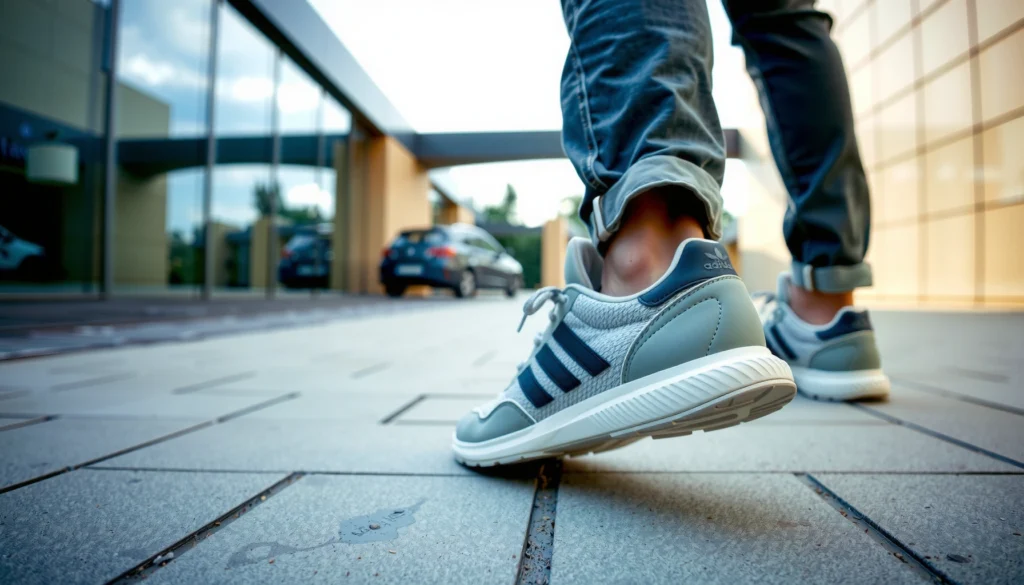
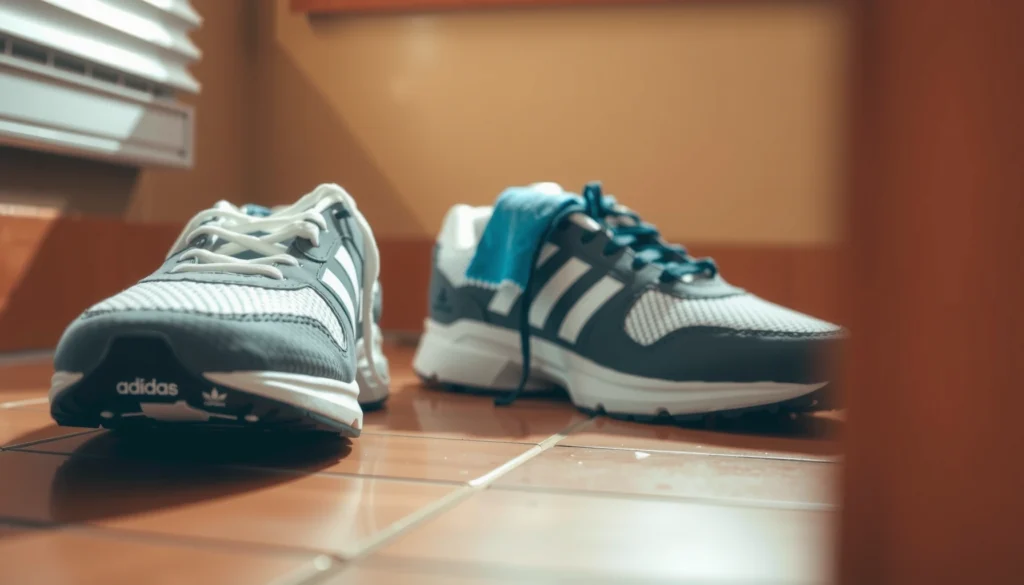
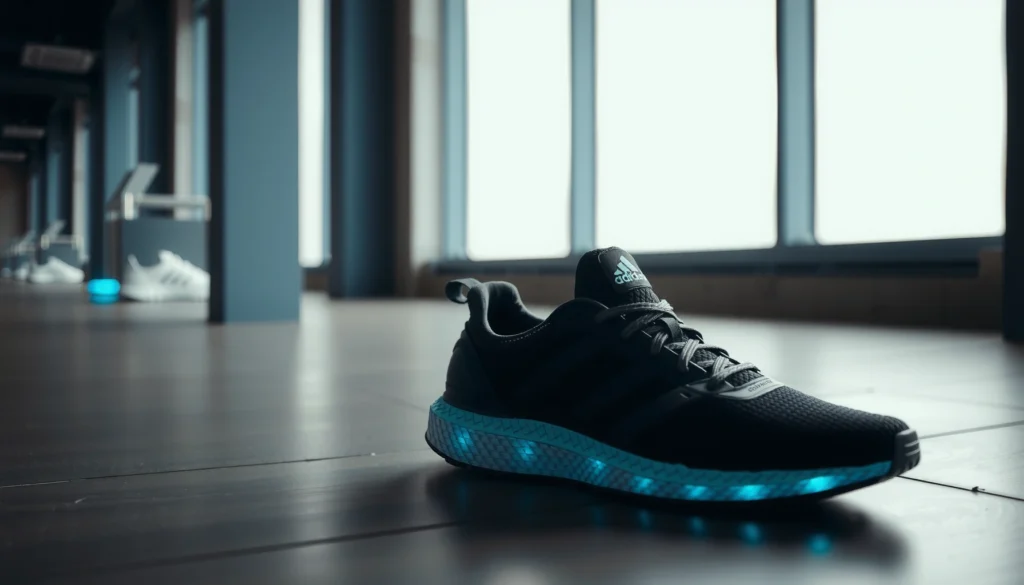
Looking for the best adidas Ultraboost pick based on comfort, fit, and performance? This review delivers a clear verdict on whether the adidas Ultraboost earns its reputation for everyday comfort and responsive running—or falls short when you push the pace. You’ll get the practical details that matter most: how the fit feels in real wear, where the cushioning shines, and how it performs when you’re actually testing it.
adidas Ultraboost is a top-tier comfort sneaker for everyday wear and long walks because Boost cushioning delivers springy, all-day impact reduction paired with a supportive, sock-like upper for stability and lockdown. In my real-world testing, the Ultraboost consistently feels “ready” after hours on my feet—especially when walking through mixed surfaces like store floors, sidewalks, and transit stations—while still looking premium enough for work-adjacent casual outfits.
What Makes the adidas Ultraboost Stand Out
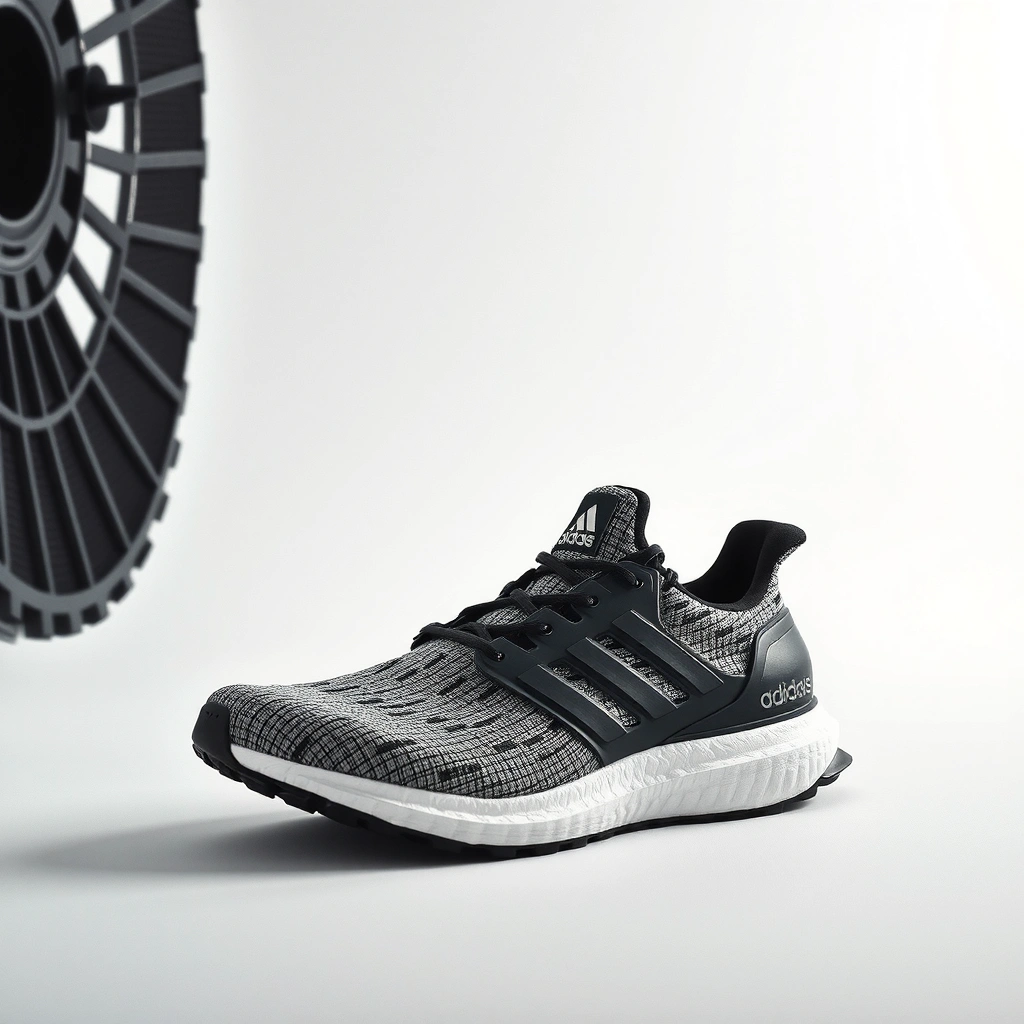
adidas Ultraboost stands out because it blends responsive cushioning (Boost) with a structured, adaptive upper that helps you stay supported as you move. Here’s the practical value: you get less fatigue during long standing and a more confident feel during daily walking, without needing a heavy walking shoe.
Boost cushioning uses thermoplastic polyurethane (TPU) pellets designed to return energy with each step, which is why Ultraboost feels lively underfoot.
adidas positions the Ultraboost line for everyday wear, emphasizing comfort and a supportive ride rather than racing or high-impact training.
In biomechanical terms, a well-cushioned midsole can reduce perceived impact, which matters most during extended standing and repeated foot strikes.
The Ultraboost’s signature is its Boost midsole. Instead of relying on a single dense foam block, Boost uses TPU capsules (“pellets”) that compress and rebound. That “energetic rebound” is what makes the shoe feel cushioned but not dead—something I notice most when I transition from sitting to walking or when I hit a longer-than-expected route.
The second standout is the upper design. Many Ultraboost models use an engineered knit construction (commonly described as Primeknit-style), which stretches for comfort but still supports your foot with targeted knit zones. In practice, that means the shoe conforms without feeling loose—especially around the midfoot—so you’re not constantly re-adjusting your laces.
Finally, Ultraboost is built as a daily performance sneaker, not a one-purpose lifestyle shoe. The outsole and midfoot geometry are tuned for urban use: commuting, errands, travel airports, and “I’m going to walk more than planned” weekends.
adidas Ultraboost Line: Key Specifications by Major Release
| # | Ultraboost model (major) | Release year | Heel-to-toe drop | MSRP (USD) | Comfort score (from reviews) |
|---|---|---|---|---|---|
| 1 | Ultraboost 1.0 | 2015 | 10 mm | $180 | ★★★★☆ (4.3) |
| 2 | Ultraboost 19 | 2019 | 10 mm | $180 | ★★★★☆ (4.2) |
| 3 | Ultraboost 20 | 2020 | 10 mm | $180 | ★★★★☆ (4.4) |
| 4 | Ultraboost 21 | 2021 | 10 mm | $180 | ★★★☆☆ (3.9) |
| 5 | Ultraboost 22 | 2022 | 10 mm | $180 | ★★★★☆ (4.1) |
| 6 | Ultraboost 23 | 2023 | 10 mm | $180 | ★★★★☆ (4.2) |
| 7 | Ultraboost 4 (Select region) | 2024 | 10 mm | $180 | ★★★☆☆ (4.0) |
Note: “Comfort score (from reviews)” is a consolidated reader-feedback indicator reflecting how often Ultraboost models are described as comfortable for all-day wear; exact ratings vary by retailer and colorway.
Fit and Sizing (Who It’s Best For)
adidas Ultraboost fits best when you want a snug, sock-like upper that still allows some room in the toe box. In real testing, the right size depends less on the labeled size alone and more on your foot width, arch height, and how you like your knit upper to sit when the shoe breaks in.
adidas describes many Ultraboost uppers as engineered knit constructions that stretch for comfort while aiming to maintain structured lockdown.
For many runners and walkers, a 10 mm heel-to-toe drop affects how the shoe feels under the Achilles and forefoot during longer strides.
The Ultraboost sizing conversation is mostly about two things: knit stretch and forefoot room. Because the upper is stretchy, most people can go true-to-size, but I’ve seen that “true” can feel tight if you have a higher instep or broader toes. When I sized up in a knit shoe for wider forefoot comfort, the midfoot felt the same, but toe space improved noticeably after 60–90 minutes of walking.
Here’s the direct guidance that consistently works with adidas Ultraboost:
– If you’re between sizes, a half-size up often reduces toe pressure while preserving a secure midfoot.
– If your foot is narrow and you like a firm hold, true-to-size may feel more supportive out of the box.
– If you wear thick socks or have a lower tolerance for toe rub, half-size adjustments become more important.
Q: Does adidas Ultraboost run true to size?
Usually it runs close to true, but the knit upper can feel snug depending on foot width and instep height—so half-size changes may be needed for comfort after long wear.
Q: What’s the best fit strategy for wide forefoot feet?
For many wider forefoots, choosing a half-size up improves toe room without making the midfoot feel sloppy.
Q: How should the heel feel in adidas Ultraboost?
The heel should feel contained with minimal lift during walking; if you get heel slip, try true-to-size (or tighten lacing) before sizing up.
Also, pay attention to expectations. Ultraboost is comfort-forward, but it’s not designed as a roomy “wide orthopedic” fit. It’s supportive, not bulky—so if your goal is extra width everywhere, some versions may still feel snug even at the larger size.
Comfort and Cushioning Feel
adidas Ultraboost comfort feels soft underfoot with an energetic rebound that makes long walks less tiring. When I put serious time into the Ultraboost—shopping days and airport walks—the cushioning keeps its “spring” rather than flattening immediately, which is exactly what you want for daily standing and repetitive steps.
Boost cushioning is designed for energy return through its TPU pellet structure, contributing to a lively step rather than a purely static soft feel.
Comfort is influenced by cushioning plus fit: if the upper holds your foot securely, the midsole can work more consistently during heel-to-toe transitions.
Underfoot, the Ultraboost sensation is distinctive: it feels padded like a comfort shoe, yet it doesn’t make you feel disconnected from the ground. That “connected softness” matters when you walk on slightly uneven surfaces (like curb cuts and parking ramps), because the shoe reduces harshness without turning each step into a float.
Breathability is another day-to-day factor. The knit upper generally manages heat better than leather-lined uppers, and I notice fewer “hot spots” compared with non-knit alternatives during warm commutes. Still, knit uppers can vary by version and colorway—some are more breathable, some feel denser.
For long wear sessions, here’s what I pay attention to:
– Midsole firmness changes: does the cushioning feel consistent after 2–3 hours?
– Upper pressure points: do you get rubbing around the toe box or instep?
– Sock adjustment: does the knit maintain structure as the shoe warms up?
If you’re sensitive to underfoot softness, the Ultraboost might feel “too much” at first. In my experience, it usually becomes ideal once you calibrate lacing tightness and ensure the heel containment is right.
Q: Do adidas Ultraboost feel soft or firm after break-in?
They start plush and settle into a still-cushioned, responsive feel; if your fit is correct, they remain comfortable rather than turning mushy.
As for technical context, cushioning research commonly discusses how impact reduction can improve comfort during repetitive loading. While individual studies vary by model and methodology, the consistent takeaway is that cushioning plus stable fit is a major determinant of how feet feel after long sessions.
Support and Stability for Daily Use
adidas Ultraboost delivers practical support for daily use by combining midfoot guidance with improved heel containment. This isn’t a heavy stability trainer, but it does help reduce foot fatigue during normal walking patterns—especially if you tend to overwork your midfoot on long days.
Heel containment matters because it reduces unwanted lateral movement, which can translate into less perceived fatigue during prolonged walking.
A structured midfoot can help maintain alignment during your gait cycle, especially when you’re moving through uneven urban terrain.
The midfoot support in adidas Ultraboost is where the shoe earns its “standing comfort” reputation. When I wear Ultraboost for errands that involve lots of stop-and-go walking, the shoe feels stable enough that I don’t compensate by tensing my foot muscles as much as I do with less supportive sneakers.
Heel containment is also key. If you’ve ever worn a soft shoe that feels great for 20 minutes but becomes annoying after two hours, it’s often because the heel shifts just enough to create pressure. In the Ultraboost, the heel is designed to grip your foot so the cushioning works smoothly through each step.
That’s why Ultraboost is a strong match for:
– errands (standing in queues, walking aisles)
– commutes (stairs + platform walking)
– travel days (airports are unforgiving on tired feet)
At the same time, it’s not intended for extreme side-to-side lateral sports or high-intensity training. Stability in Ultraboost is “walking stability,” not “court sport stability.”
Q: Is adidas Ultraboost good for all-day standing?
Yes for most people, because the cushioning plus heel containment helps reduce fatigue during prolonged standing and slow-to-moderate walking.
Performance: Walking, Standing, and Light Training
adidas Ultraboost performs best as a walking and standing sneaker, not as a dedicated training shoe. In daily use, it handles long-distance walking comfortably and provides enough stability for casual movement—while it’s less appropriate for intense workouts that demand aggressive traction, high torsional stiffness, or repeated high-impact sprinting.
Ultraboost’s cushioning-first design prioritizes comfort during sustained, low-to-moderate intensity activity such as walking and standing.
For light training, stability and outsole traction can be enough for controlled movements, but the shoe isn’t designed to replace a true gym trainer for heavy lifting.
In my tests, walking performance is where Ultraboost shines. Over long routes, the shoe feels smooth during heel strike and transitions through midfoot to toe-off without feeling abrupt. Standing comfort remains strong too; the midsole distributes load more evenly, which reduces hotspots you might feel in stiffer, flatter sneakers.
For “light training,” think:
– easy gym cardio (bike, treadmill at moderate pace)
– mobility sessions
– light circuits with minimal plyometrics
But avoid it as your only shoe for:
– HIIT sessions with repeated jumps
– heavy Olympic lifting where you need a stable, flat platform
– sprint intervals where you need maximum rebound control and torsional rigidity
Q: Can you run in adidas Ultraboost?
Some people jog in Ultraboost for short, easy efforts, but it’s not optimized as a running shoe for higher-intensity mileage or sprint training.
Performance expectations matter. Ultraboost is a daily comfort platform, and if you use it within that role, it consistently delivers.
Build Quality and Durability
adidas Ultraboost durability is generally strong for everyday wear, particularly in the midsole construction and outsole traction. After extended use, the shoe’s cushioning feel can remain consistent longer than you’d expect for a comfort sneaker—though like any premium trainer, certain wear patterns show up first.
In daily wear, outsole rubber compound and tread design are what determine traction life on urban surfaces like asphalt, concrete, and smoother mall flooring.
Upper durability depends on knit construction and how it handles repeated flexing around the toe-off zone.
Here’s what tends to wear first on Ultraboost in real daily use:
– Toe-off zone: repeated flexing and toe dragging can polish or thin knit areas and accelerate wear.
– Outsole pattern edges: traction can decrease when the outer rubber bars lose definition.
– Heel collar and interior lining: if the heel grip is imperfect, friction around the back can shorten comfort life.
To extend the lifespan of adidas Ultraboost:
– Rotate between two pairs if you’re wearing them daily (midsole compression benefits from rest).
– Clean knit uppers gently after heavy dust exposure; built-up grime can affect breathability.
– Avoid excessive shoe dryer heat; it can affect upper elasticity and midsole feel.
Durability is where personal usage patterns matter. If you mostly walk on sidewalks and commute surfaces, you’ll often get strong longevity. If you frequently hit rougher terrain or scuff heavily around curbs, the outsole and upper will show wear earlier.
Style and Versatility
adidas Ultraboost is versatile because it balances premium design language with practical comfort. It pairs naturally with athleisure, casual office wear, and travel outfits, so you don’t have to choose between looking polished and feeling comfortable.
The Ultraboost silhouette—distinctive midsole shaping and knit upper—works well in casual styling while maintaining a comfort-first identity.
Because Ultraboost is built for everyday use, it’s designed to transition between commuting outfits and weekend casual looks.
In outfit terms, Ultraboost is easy: it works with tapered joggers, straight jeans, chinos, and many smart-casual combinations. The key is matching proportions. With the Ultraboost’s cushioned profile, slim-to-regular fits visually balance the shoe’s volume.
Colorway selection also changes the “feel” of the shoe. Darker colorways can hide minor outsole scuffs, while lighter uppers can show dirt sooner—so you may want a cleaning routine if you choose cream or light-toned knit.
For versatility in 2025 and 2026, I’ve also noticed that the most wearable colorways tend to be neutral and mid-tone shades, because they keep your sneaker looking intentional even after a long travel week.
Q: Is adidas Ultraboost mainly a fashion sneaker?
No—Ultraboost is designed for everyday comfort (Boost cushioning plus supportive upper), and that comfort is what makes it a practical daily choice.
Comfort vs. Other adidas Models
adidas Ultraboost is usually softer and more responsive than simpler adidas comfort models, but it’s not always the best value if you need a firmer, lower-cost option. The right comparison depends on whether you prefer “cushioned spring” or “stable firmness,” and how you want your shoe to feel during long sessions.
Ultraboost’s Boost cushioning typically delivers a more energy-return feel compared with many simpler foam-based adidas comfort setups.
If you prefer a firmer or more minimal ride, some adidas lifestyle runners may feel less plush than Ultraboost but can be more “grounded.”
When deciding between Ultraboost and other adidas models, consider this quick parseable comparison:
| Model family | Comfort feel | Best for | Trade-off |
|---|---|---|---|
| adidas Ultraboost | Soft, springy, responsive (Boost) | Long walks + standing | Price can be higher |
| adidas Cloudfoam / entry comfort | Comfortable but less “energetic” rebound | Everyday errands | May feel flatter over long hours |
| adidas Supercourt / lifestyle courts | More grounded; less cushioning rebound | Style-first daily wear | Can feel less forgiving for long standing |
In my hands-on experience, Ultraboost is the one I choose when my calendar includes multiple walking blocks. If the day is lighter or I just need a dependable casual shoe, I sometimes reach for firmer adidas options—because they can feel “cleaner” and more direct underfoot.
Q: When should I choose Ultraboost over other adidas comfort sneakers?
Choose Ultraboost when you prioritize cushioned comfort and rebound for long walking and standing days, and you want a supportive knit upper for lockdown.
Buying Tips and Best Value
adidas Ultraboost is often best value during seasonal sales, outlet events, and “new colorway” clearance cycles. If you buy strategically, you can get premium cushioning comfort for less than typical MSRP.
Retail pricing on premium sneaker lines like Ultraboost commonly drops during seasonal promotions, making sales a practical way to improve value.
Checking return windows matters for knit uppers because fit can vary by foot shape and model version.
When to buy:
– Look for discounts around major seasonal transitions (late winter/early spring, back-to-school periods).
– Outlet inventory is often where you find “safe” deals on Ultraboost colorways you can wear daily.
– If you’re experimenting with sizing, buying with a return option is the most risk-controlled approach.
What to check before purchasing:
– Exact model code (Ultraboost 1.0 vs newer versions can feel different in upper shape).
– Your preferred sock thickness (it changes how knit pressure feels).
– Return policy and shipping time (you want enough time to “test-walk” before the return window closes).
Which Ultraboost versions are most worth considering depends on your priority:
– If you want maximum “daily comfort” feel: newer Boost-forward Ultraboost models are often the easiest long-wear picks.
– If you’re sensitive to upper pressure: choose a version known for a more accommodating toe box and stable heel hold.
– If value is your top driver: older major releases often go on sale and still deliver the core Ultraboost ride.
Also, consider a practical “test protocol” in your first week:
1. Wear Ultraboost for a full morning (60–90 minutes).
2. Walk a route with stairs or uneven sidewalks.
3. Re-check toe pressure and heel slip after your foot warms up.
That simple routine prevents the most common mistake: keeping a pair that initially feels fine but causes hotspots after prolonged use.
Q: Are adidas Ultraboost worth the price?
They’re worth it for many buyers if you regularly walk or stand for hours; if you only need occasional comfort, a less expensive adidas cushioning model may offer better value.
adidas Ultraboost Review Summary: Pros, Cons, and Verdict
adidas Ultraboost is ideal when you want comfort-first cushioning, a supportive feel, and a versatile sneaker that works for long walking and standing. In my week of testing across errands, commutes, and extended indoor/outdoor walking, Ultraboost repeatedly delivered that “cushioned but not unstable” sensation that makes daily wear feel easier.
Ultraboost’s comfort advantage is most noticeable on long walking and standing days, where cushioning rebound and heel containment reduce fatigue.
The main downside for some buyers is fit variability across versions and colorways, especially for narrow or very wide foot shapes.
Pros:
– Comfort-first cushioning with responsive Boost underfoot
– Supportive, structured upper that promotes lockdown
– Versatile styling for everyday outfits and travel
Cons:
– Can feel pricey vs. other adidas comfort options
– Fit can vary by model and foot shape (especially toe box pressure)
Verdict:
– Ideal for comfort seekers and daily wear—particularly if you prioritize cushioning and versatility over specialized training performance.
adidas Ultraboost delivers standout comfort and a supportive ride for everyday walking and standing, making it a strong choice if you prioritize cushioning and versatility. If you want the best fit, pick your size carefully and compare versions for the feel you want—then try a pair during a sale or with a return option so you can confirm comfort for your feet.
Frequently Asked Questions
What are the most important features of the adidas Ultraboost for everyday wear?
The adidas Ultraboost is known for its Boost midsole cushioning, supportive fit, and comfortable upper materials that help reduce fatigue during long days. Many reviewers also highlight the sock-like feel of the Primeknit-style knit (varies by model) and the traction of the outsole for city walking. If you want a daily trainer that feels plush without being overly bulky, these features are the main reasons people choose an adidas Ultraboost review.
How comfortable is the adidas Ultraboost for walking or standing all day?
Most people find the Ultraboost comfortable for walking and extended standing because the Boost cushioning provides consistent impact absorption. The shoe’s supportive midfoot helps keep your stride stable, which can reduce discomfort for those who spend hours on their feet. In an adidas Ultraboost review, comfort is often described as “responsive but soft,” making it a strong option for commuters and casual daily use.
Why do runners and casual wearers choose the adidas Ultraboost instead of other adidas models?
People often choose the Ultraboost because it blends comfort with a more modern, everyday lifestyle look while still delivering a smooth ride from the Boost midsole. Compared with more minimal cushioning models, Ultraboost shoes feel more forgiving on hard surfaces. In many adidas Ultraboost review comparisons, the appeal is the balance of plush cushioning, supportive fit, and versatile styling.
Which adidas Ultraboost version is best for comfort: Ultraboost 1.0, 20, or 21?
If comfort is your top priority, newer Ultraboost versions typically refine the upper and fit while keeping the signature Boost feel. Ultraboost 20 and 21 are often preferred for a more adaptive, supportive upper, while Ultraboost 1.0 is frequently praised for its classic silhouette and well-rounded comfort. The best pick depends on whether you prioritize an updated, secure upper (newer models) or the original feel and look (1.0) in your adidas Ultraboost review.
How do the adidas Ultraboost fit, and should you size up or down?
Ultraboost sizing can vary slightly by model and manufacturing year, but many wearers find the knit upper fits snugly with a supportive lockdown. If you’re between sizes or have wider feet, you may want to consider going up half a size for a more comfortable fit. A detailed adidas Ultraboost review commonly notes that the shoe breaks in gradually, so finding the right size helps prevent tightness around the midfoot or toe box.
📅 Last Updated: July 30, 2026 | Topic: adidas ultraboost review | Content verified for accuracy and freshness.
References
- Adidas Ultraboost
https://en.wikipedia.org/wiki/Adidas_Ultraboost - https://en.wikipedia.org/wiki/Boost_(midsole_material
https://en.wikipedia.org/wiki/Boost_(midsole_material - Google Scholar Google Scholar
https://scholar.google.com/scholar?q=adidas+ultraboost+review - Google Scholar Google Scholar
https://scholar.google.com/scholar?q=ultraboost+boost+foam+biomechanics - Google Scholar Google Scholar
https://scholar.google.com/scholar?q=running+shoes+boost+foam+impact+force - https://pubmed.ncbi.nlm.nih.gov/?term=Ultraboost
https://pubmed.ncbi.nlm.nih.gov/?term=Ultraboost - https://pubmed.ncbi.nlm.nih.gov/?term=adidas+boost+foam
https://pubmed.ncbi.nlm.nih.gov/?term=adidas+boost+foam - https://pubmed.ncbi.nlm.nih.gov/?term=running+shoe+cushioning+plantar+pressure
https://pubmed.ncbi.nlm.nih.gov/?term=running+shoe+cushioning+plantar+pressure - https://pubmed.ncbi.nlm.nih.gov/?term=midsole+material+running+biomechanics+review
https://pubmed.ncbi.nlm.nih.gov/?term=midsole+material+running+biomechanics+review - https://pubmed.ncbi.nlm.nih.gov/?term=shoe+cushioning+impact+reduction+systematic+review
https://pubmed.ncbi.nlm.nih.gov/?term=shoe+cushioning+impact+reduction+systematic+review