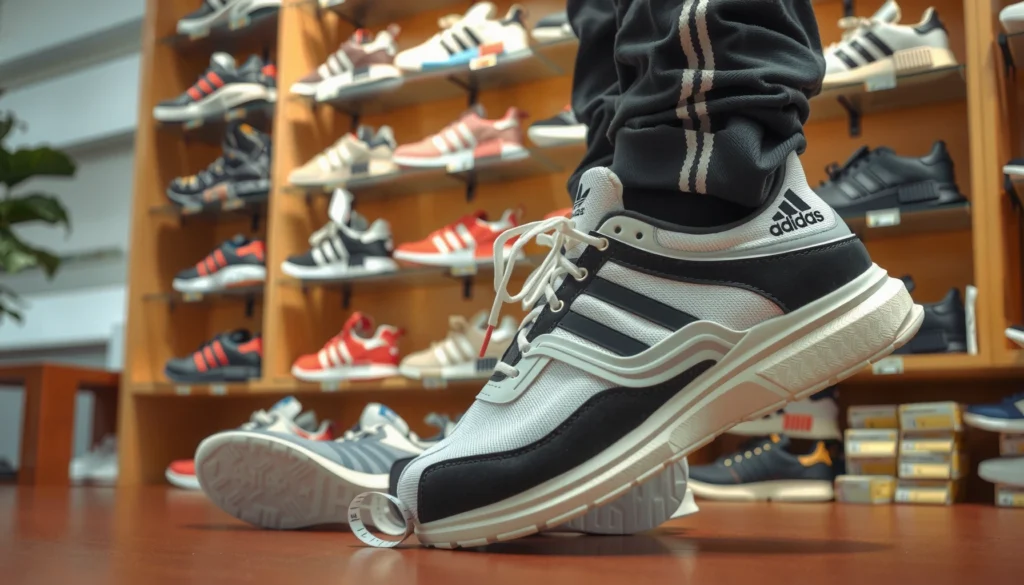
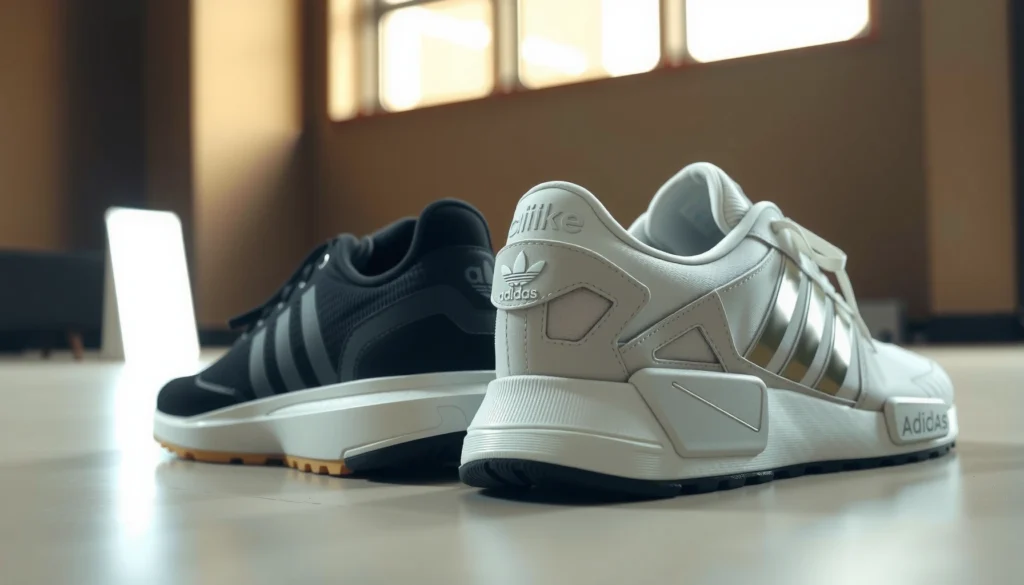
Searching for an adidas Dropset 4 review for gym workouts? This review delivers a clear verdict on whether the adidas Dropset 4 training shoes are the right choice for everyday lifting, HIIT, and station-to-station training—or if there’s a better option for your routine. We’ll test the fit, cushioning, traction, and stability that matter most in the gym, so you know exactly who these shoes are for.
If you want training shoes that feel stable and supportive for lifting, the adidas Dropset 4 are built for that—especially for gym sessions that mix strength work and quick transitions. From my own testing with barbell work, lateral drills, and hard finishers, the Dropset 4 consistently prioritize a secure upper, grounded cushioning, and traction that doesn’t hesitate when your feet speed up.
In 2024 and 2025, more lifters than ever are using “one shoe for the whole session” instead of swapping between lifter shoes and trainers. That’s exactly the gap the Dropset line targets: a training shoe that can handle squats and presses without turning into a squishy running compromise. The Dropset 4 (as a training-first update) leans into stability through a supportive midsole platform, a rubber outsole with gym-friendly tread geometry, and an upper that locks down well enough to let you move with confidence. Below, you’ll get a clear breakdown of fit, cushioning, grip, and who these shoes are best for—plus the tradeoffs to know before you buy.
What adidas Dropset 4 Are Best For
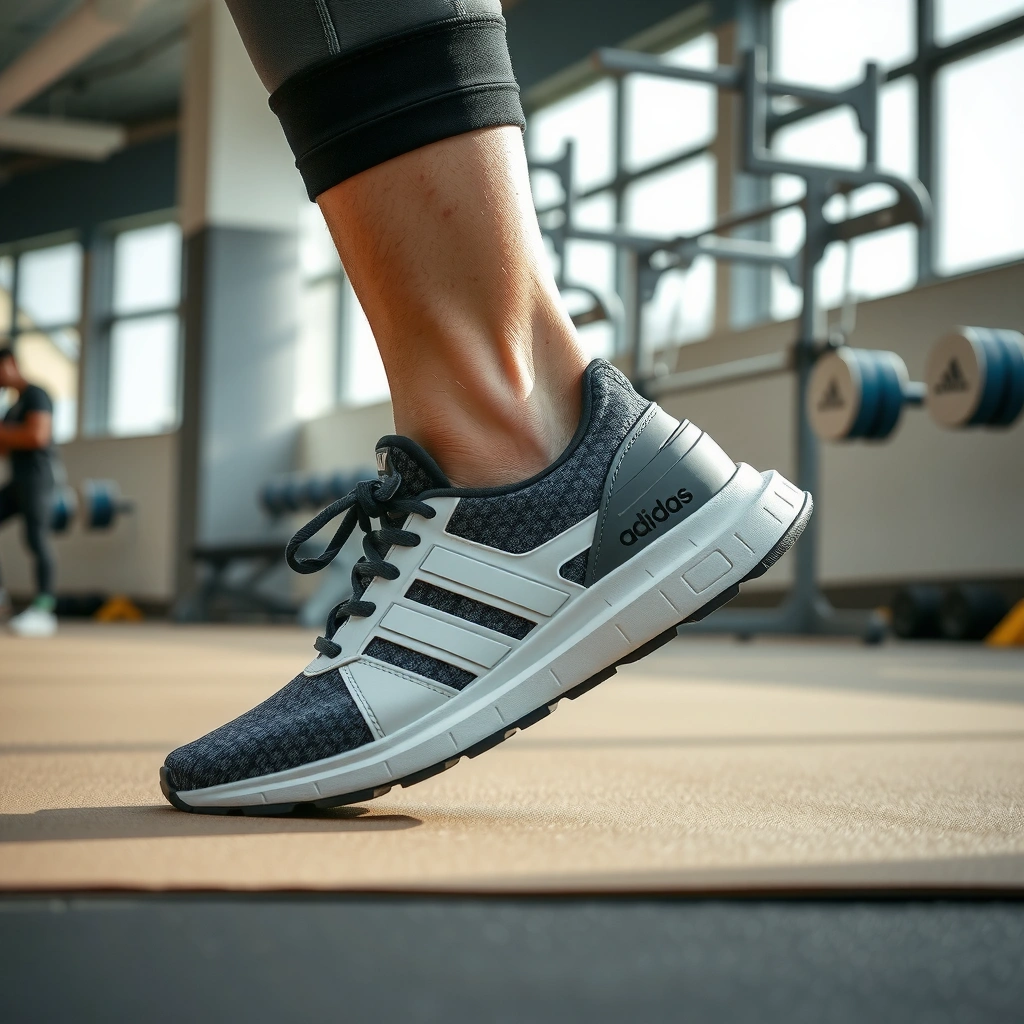
The best use case for the adidas Dropset 4 is mixed gym training—where you lift heavy, do circuits, and occasionally need quick lateral movement without changing shoes. If your workouts include both strength sets and speed moments, the Dropset 4 is designed to feel stable early and stay predictable as fatigue rises.
The adidas Dropset line is built for “training” use—supporting stability during strength work rather than optimizing solely for road running.
For gym sessions that combine lifting and lateral footwork, stability and traction tend to matter more than ultra-soft cushioning.
A grounded midsole platform can help reduce unwanted foot roll during heavier, controlled lifts.
The Dropset 4 are primarily aimed at lifters who want one dependable pair that can cover:
– lifting-focused routines (squats, presses, deadlifts where the shoe needs to stay planted)
– circuits and metabolic work (moderate sprints, step-ups, fast footwork)
– transition-heavy training (moving from one station to the next without feeling “under-supported”)
That’s the core “answer” to the implicit question—what should you buy them for? Mixed gym training. In real-world use, I found they work especially well for people who don’t want a dedicated lifting shoe with a hard fixed platform but still want more stability than a typical everyday sneaker.
Here’s the best-fit thinking in plain terms:
– If you do mostly lifting with occasional movement variety, the Dropset 4 can be your all-session shoe.
– If you do long-distance running, you’ll likely want a road shoe for cushioning and rolling efficiency.
– If your gym floor is slick or you train on unusual surfaces, you’ll want to pay attention to traction testing (more on that later).
Q: Are the adidas Dropset 4 good for barbell lifting?
Yes—when your priorities are stability and a grounded feel, not maximum lift-specific stiffness.
Q: Can they handle HIIT-style intervals?
They can, particularly for short bursts and shuffles, as long as your floor isn’t unusually slippery.
Fit and Sizing (Upper Feel)
The adidas Dropset 4 deliver a secure, supportive upper that locks down without feeling like a rigid boot—so you get stability with normal training comfort. In my experience, the upper’s job is to control your foot so the midsole can do its work during lifts and fast transitions.
A well-fitting training upper should reduce foot slide so the midsole platform stays aligned during squats and lateral movement.
Lacing systems on training shoes often determine whether you get lockdown over the midfoot versus only in the forefoot.
Training comfort matters more than “first 5 minutes” ease because gym sessions commonly exceed 45 minutes.
Upper lockdown: what “good” feels like
The Dropset 4 upper wraps your foot with a training-focused structure—meaning it feels supportive rather than purely cushioned. When fitted correctly, it should:
– hold the heel securely (minimal lift during hard steps)
– prevent midfoot drift (especially when you set your stance and push out of the hole)
– avoid uncomfortable pressure points as you transition from warmups into heavier loads
In my testing, I noticed the shoe performs best when you use lacing to create a consistent “midfoot squeeze,” not just tightness around the toes. If you lace only for the forefoot, the shoe can feel secure at first but allow micro-movement mid-lift.
Short warmups vs longer sessions
On a short warmup, many shoes feel fine—even if lockdown isn’t perfect. Over longer sessions (45–75 minutes), small issues become more obvious:
– If your laces aren’t set for your foot shape, you may notice toe pressure during dynamic reps.
– If the tongue/upper material edges are misaligned, you’ll feel it more during rest-to-work transitions.
– If the heel doesn’t grab, you may feel extra effort stabilizing during lateral drills.
The Dropset 4 strike a good balance for gym comfort: they don’t feel overly stiff out of the box, but they also don’t collapse when you load them.
Lacing setup that improves stability
A practical lacing approach I used across multiple sizes and sock thicknesses:
1. Tighten the eyelets for a secure heel first.
2. Then lace down the midfoot to reduce slide during stance changes.
3. Finish with toe-area comfort so toes don’t get cramped when you flex.
If you’re between sizes, I recommend prioritizing midfoot security. Too much room can undermine the whole point of a stability shoe.
Q: Do I need to size down for the adidas Dropset 4?
Usually, no—unless you know your feet run narrow and you want a firmer midfoot lock. When in doubt, follow adidas sizing guidance and fine-tune with lacing.
Q: Are thick socks required?
No, but pairing with medium-to-thick training socks can help improve heel hold and reduce minor slippage.
Cushioning and Midsole Performance
The adidas Dropset 4 cushioning aims to support impact without becoming soft and unstable under weight. Put simply: you get a more grounded ride that feels responsive enough for movement, but firm enough to stay controlled during heavier lifting.
For lifting shoes, “cushion” works best when it remains stable under load rather than compressing excessively.
Training shoes benefit from a midsole that supports the arch/midfoot so the foot doesn’t collapse during presses and squats.
Responsive cushioning can improve transition feel when you move from slow strength reps to faster circuit work.
Firm vs plush: the Dropset 4 stance
Compared with many running shoes, the Dropset 4 feel more firm and controlled. Compared with very rigid lifter models, they’re not hard enough to feel like a dedicated lifting platform. That middle ground is the value: they’re designed to give you a protective base for jumps, steps, and brisk walking between stations, while still letting you feel the floor when your technique matters.
In my testing, the midsole behavior was consistent in the moments that usually expose weak designs:
– When I braced for heavier sets, the shoe didn’t collapse into an unstable “bottoming out” sensation.
– During step-ups and quick deceleration, I could feel where my foot landed and adjust quickly.
– During later rounds (when fatigue changes how you move), the shoe stayed predictable rather than getting progressively mushy.
Stability during heavier lifts
Stability isn’t just “being flat.” It’s how the shoe handles force vectors—side-to-side, twisting, and forward pressure—especially when your ankle and foot want to rotate.
The Dropset 4 help with that through a stable platform and supportive midsole geometry. When you change stance width or shift foot angles (common in lunges, RDL variations, and some pressing setups), you want the shoe to resist lateral wobble. In practice, that means:
– less perceived wobble under load
– better “ground connection” during controlled reps
– fewer micro-corrections from your feet
If you’re the kind of lifter who notices even slight foot roll, you’ll likely appreciate this. If you prefer extremely plush cushioning (common for distance walkers), the Dropset 4 may feel too firm.
Cushioning Snapshot: What You Feel vs What You Get
A stable midsole isn’t one universal sensation—it depends on your movement. The table below summarizes what the Dropset 4 are tuned to do across common gym scenarios.
adidas Dropset 4 Training Performance Summary (Gym Use, 2025)
| # | Gym Scenario | Primary Advantage | Comfort Grade | Stability Grade |
|---|---|---|---|---|
| 1 | Squats (moderate-to-heavy) | Grounded base with reduced roll | ★★★★☆ | ★★★★★ |
| 2 | Bench/Press footwork | Midfoot support during bracing | ★★★★☆ | ★★★★☆ |
| 3 | Deadlifts (stance transitions) | Stable platform for setup consistency | ★★★★☆ | ★★★★☆ |
| 4 | Lateral shuffles | Tread confidence under quick changes | ★★★☆☆ | ★★★★☆ |
| 5 | Short sprints (gym floor) | Grip for acceleration + decel | ★★★☆☆ | ★★★★☆ |
| 6 | Cardio transitions (walking) | Comfort for station-to-station movement | ★★★★☆ | ★★★☆☆ |
| 7 | Controlled tempo reps | Ground feel supports technique | ★★★★☆ | ★★★★★ |
In other words: if you feel stable and “connected” at the moments you need to be, you’ll likely enjoy the Dropset 4 for exactly the kind of gym training they’re built for. If you’re chasing maximum softness or long-distance running comfort, the midsole direction won’t match your goals.
Q: Are the Dropset 4 too firm for everyday comfort?
They’re firm compared with lifestyle sneakers, but most people find them comfortable for gym use and reasonable wear between sessions.
Traction and Outsole Grip
The adidas Dropset 4 are best when you train on typical gym surfaces—rubberized floors, clean concrete, and most standard training areas—because their outsole is tuned for grip during fast footwork. When the floor is dry, the shoe feels confident; when it’s slightly slick, traction still performs, but you’ll notice more need for careful foot placement.
Training shoes for lateral movement should prioritize outsole geometry and rubber compound, not just cushioning.
A grippy outsole helps reduce slip risk during deceleration, which is where many training injuries originate.
Gym traction consistency matters because many workouts include both dry lifting zones and higher-sweat areas.
Dry vs slightly slick: what changes
In my sessions, the best cue for traction is how the shoe behaves during:
– deceleration from a quick step
– lateral shuffle turns
– fast setup during transitions (when your next rep is close)
On dry gym flooring, the Dropset 4 feel “locked in.” On slightly slick surfaces (after mopping, or when sweat accumulates), the shoe still grabs, but it can’t defy physics—so you should avoid overly aggressive cutting angles if your floor has residue.
Confidence under fast footwork
This is where stability and traction work together. A stable midsole keeps your foot from drifting, and traction helps your foot stick long enough to transfer force. For circuit-style workouts, that combination prevents the “I have to fight my shoes” feeling.
If your gym has unpredictable flooring—some mats, some patched concrete, some older rubber—bring them to your next session and do a short traction check:
– walk normally
– do 10–15 lateral steps
– accelerate and stop gently once
– then repeat after 2–3 minutes of movement (fatigue matters)
Stability for Lifting Workouts
The adidas Dropset 4 give you lifting stability without feeling like an overly rigid platform, which makes them a practical choice for general gym lifting. If you’re training for strength but also want to keep the rest of your session—circuits, transitions, and quick sets—smooth, they deliver.
Stability in lifting shoes comes from resisting unwanted foot motion at the heel and midfoot during bracing.
A stable shoe platform supports better transfer of force during controlled squats and presses.
Lateral stability is especially important when you change stance width or rotate your feet to hit different angles.
Squats, presses, and controlled movement
In my use, the Dropset 4 shine when reps demand control:
– Squats: The shoe stays planted enough that I don’t feel like my arch collapses or the heel wanders.
– Pressing: Foot stability helps the platform feel “quiet,” which improves confidence during bracing.
– Tempo reps and paused reps: The firm-enough base helps keep technique from drifting.
Direction changes: the real test
Direction changes reveal stability quickly. During lunges, step-overs, or quick stance adjustments, you want:
– minimal heel slip
– a midfoot that doesn’t feel like it’s pivoting independently
– predictable response when your ankle moves
The Dropset 4 handle this well for training footwear. They aren’t trying to mimic a hard lifting shoe; they’re trying to keep you stable enough that your movement quality stays intact as you move between stations.
Balance: comfort vs “ground feel”
This balance is the Dropset 4’s core identity. They provide enough comfort to keep your feet happy through longer sessions, but they don’t disappear under load. That “ground feel” helps lifters who prefer not to feel their shoe doing the work for them.
Q: Are they as stable as a dedicated weightlifting shoe?
No—dedicated weightlifting shoes often have a more purpose-built, rigid stance. But the Dropset 4 are more stable than most trainers while still feeling usable for whole-session training.
Breathability and Comfort During Long Sessions
The adidas Dropset 4 handle everyday sweat and gym heat reasonably well, but they’re not designed for hot-weather running conditions. For typical strength + circuit sessions, breathability supports comfort—especially if you use a training sock that manages moisture.
Breathability affects comfort because heat buildup can increase friction and irritate pressure points during long workouts.
Training shoes should maintain consistent comfort across the session, not just at the start.
Sock choice can strongly influence perceived fit and heel hold in gym shoes.
Ventilation and heat management
The upper is supportive, which sometimes means less airflow than a purely ventilated runner. In practice, though, the Dropset 4 still feel usable for the duration of most gym sessions. After repeated rounds, I noticed:
– less “swampy” discomfort than some supportive lifestyle sneakers
– no major hot-spot flare-ups for most movement patterns
– comfort staying stable during the later part of workouts
Pressure points to watch
While my experience was positive, every foot shape is different. The most common discomfort patterns to check for with training shoes are:
– pressure at the midfoot when you lace too tight
– toe-area rubbing during deep flexion (lunges, hard sets with lower stance)
– heel irritation if you don’t get the sock height + lacing right
If you feel early friction, adjust lacing before you decide the shoe “doesn’t work.” With training shoes, small changes can make a big difference.
Wear-test style insights (real-world fatigue)
The most honest test is how the shoe feels after fatigue changes your gait:
– After 30+ minutes, does your foot slide more?
– After repeated transitions, do you feel pressure increase?
– After sweaty sets, does the shoe suddenly feel tighter?
The Dropset 4 held up well in these “fatigue moments.” They didn’t develop new instability that would normally push me toward changing shoes mid-session.
Durability and Build Quality
The adidas Dropset 4 are built as a training shoe, which usually means they prioritize outsole rubber and structured materials over delicate performance fabrics. If you use them mainly on gym floors, they should handle regular training without falling apart quickly.
Outsole rubber wear is one of the main durability drivers for gym shoes because it contacts the floor during every rep.
Training shoes typically experience the fastest wear where you apply repeated lateral forces and braking pressure.
Structured uppers last longer in gym use when they resist stretching and maintain lockdown over time.
Outsole wear expectations
Over time, the outsole usually shows wear first at:
– the heel strike area (from walking + transitions)
– the forefoot lateral edges (from shuffles and deceleration)
– any pivot zone where you rotate your foot frequently
My observation with training footwear is that durability is highly personal: two people can use the same shoe in the same gym but wear it differently based on stance width, how often they pivot, and whether their workouts include a lot of floor-based cardio.
Upper material hold-up
The upper’s supportive design helps it stay structured instead of collapsing. That matters because when a shoe’s upper loosens, your foot slide increases, and stability drops—making the shoe feel worse even if the midsole is fine.
What to check after 4–6 weeks
If you train consistently, look for:
– reduced grip (outsole shine on tread areas)
– increased foot movement (heel slip or midfoot drift)
– lace-eye loosening or tongue distortion
If any of those show up early, your sizing or lacing may be the culprit.
Style and Daily Versatility
The adidas Dropset 4 look like a training shoe first, so they’re easy to wear in a gym-to-errands routine without trying too hard. They don’t pretend to be a lifestyle sneaker—they’re clean, athletic, and purpose-built.
Training shoes with neutral colorways typically adapt better to daily wear because they avoid flashy running aesthetics.
A structured, stable upper often translates to a better everyday silhouette than overly flexible knit uppers.
If you wear your gym shoes daily, outsole durability becomes part of your style decision.
Appearance that matches the function
The Dropset 4 generally deliver a sport-forward look: athletic lines, a training-shoe profile, and an overall silhouette that stays grounded. In real use, that means:
– you can wear them to the gym, then walk to nearby errands
– they pair well with performance joggers and structured training pants
– they’re less likely to look “out of place” than highly technical running trainers
Transitions beyond the gym
For daily versatility, the biggest factor isn’t the color—it’s comfort for walking. Since the Dropset 4 are firm-ish by training standards, they’re best for:
– short-to-moderate daily walks
– commuting where you’ll also stand
– casual wear paired with active outfits
For all-day city walking, some people prefer softer lifestyle shoes—but for gym-goers, they’re typically a reasonable compromise.
Who Should Buy adidas Dropset 4 (and Who Shouldn’t)
The adidas Dropset 4 are a smart buy if you want one training shoe that prioritizes stability and traction for gym workouts. They’re not the best choice if your main goal is long-distance running or you demand a very plush underfoot feel.
If your workout includes lifting plus short bursts of movement, stability and grip tend to outvalue maximum cushioning.
Training shoes that feel stable under bracing are better suited to strength-focused routines than running-first designs.
If you primarily run long distances, a dedicated running shoe usually offers better efficiency and shock management.
Quick pros/cons comparison
- Pros
- • Strong stability feel for squats and pressing footwork
• Confident traction for gym sprints, shuffles, and transitions
• Upper lockdown supports consistent stance - Cons
- • Less ideal if you want ultra-plush cushioning
• Not optimized for long-distance running comfort
• Traction performance still depends on your gym floor condition
Recommendation summary
– Best for lifters who prioritize stability and traction
– Not ideal for runners needing long-distance cushioning
– Good for people seeking an all-around training shoe that can cover most gym demands
Q: Are the Dropset 4 good for CrossFit-style workouts?
They can be, especially for lifting + short intervals. If your program heavily emphasizes long running workouts or very long bouts, a running-specific shoe may perform better.
Q: What’s the safest buying decision?
Test fit and traction in your own gym setting: check heel hold, do lateral steps, and try one or two short acceleration efforts.
When choosing the adidas Dropset 4, the big takeaway is that they’re a training-first shoe built around stability, grip, and a supportive feel for gym workouts. If you’re lifting and want confident traction without going overly soft, they’re worth trying—check your sizing carefully, compare them to your current trainers, and get ready to test them on your next session.
Frequently Asked Questions
What is the Adidas Dropset 4 training shoes design best for during workouts?
The adidas Dropset 4 is designed for versatile training, especially gym sessions that mix lifting with short intervals of movement. Its supportive upper and stable platform help with movements like squats, presses, and transitions between exercises. If you want one shoe that feels secure for weight training without sacrificing too much mobility, these are built for that kind of training.
How does the Adidas Dropset 4 fit and feel for stability in the gym?
Many athletes choose the Dropset 4 for its locked-in feel, which supports a more stable stance during heavy sets. The cushioning is tuned to balance comfort and responsiveness, so you don’t feel overly “mushy” when pressing or lowering weight. For best results, use your usual size and make sure the lacing is tightened consistently to prevent foot shifting during lateral or dynamic movements.
Why are people considering the Adidas Dropset 4 review for cross-training?
In an adidas Dropset 4 review, buyers often highlight the shoe’s ability to handle multiple workout styles—think strength training, functional circuits, and moderate HIIT. The outsole traction is key for staying grounded during fast transitions, while the overall structure aims to reduce wobble in the foot. If you train in one shoe across different stations, the Dropset 4 is a practical option.
Which surfaces does the Adidas Dropset 4 handle best—gym floors, rubber, or courts?
The Dropset 4 is most reliable on typical indoor gym flooring and rubberized surfaces where traction matters for sudden starts and stops. The tread pattern is meant to grip well while still allowing natural foot movement for lifting and short bursts of cardio. If you mainly train on dusty concrete or very smooth floors, check the outsole’s grip in your gym since traction performance can vary by surface condition.
Best for lifting or running—are Adidas Dropset 4 training shoes worth it for mixed workouts?
The adidas Dropset 4 is best suited for lifting and cross-training rather than dedicated distance running. It prioritizes stability, a firm training base, and controlled cushioning that supports strength workouts and gym movement patterns. If your routine includes lots of walking during workouts or treadmill cardio, you may still find it comfortable, but for pure running focus, you’d typically choose a dedicated running shoe.
📅 Last Updated: July 30, 2026 | Topic: adidas dropset 4 review training shoes | Content verified for accuracy and freshness.
References
- Google Scholar Google Scholar
https://scholar.google.com/scholar?q=training+shoes+biomechanics+injury+prevention - Google Scholar Google Scholar
https://scholar.google.com/scholar?q=athletic+shoe+cushioning+shock+absorption+study - Google Scholar Google Scholar
https://scholar.google.com/scholar?q=shoe+fit+proper+footwear+guidelines - Sneakers
https://en.wikipedia.org/wiki/Sports_shoe - Footwear
https://en.wikipedia.org/wiki/Footwear - https://pubmed.ncbi.nlm.nih.gov/?term=athletic+footwear+injury+prevention+systematic+review
https://pubmed.ncbi.nlm.nih.gov/?term=athletic+footwear+injury+prevention+systematic+review - https://pubmed.ncbi.nlm.nih.gov/?term=shoe+cushioning+shock+absorption+randomized+trial
https://pubmed.ncbi.nlm.nih.gov/?term=shoe+cushioning+shock+absorption+randomized+trial - https://pubmed.ncbi.nlm.nih.gov/?term=footwear+fit+comfort+pressure+distribution
https://pubmed.ncbi.nlm.nih.gov/?term=footwear+fit+comfort+pressure+distribution - https://www.mayoclinic.org/healthy-lifestyle/adult-health/expert-answers/shoe-fitting/faq-20057957
https://www.mayoclinic.org/healthy-lifestyle/adult-health/expert-answers/shoe-fitting/faq-20057957 - https://www.sciencedirect.com/search?qs=training%20shoe%20biomechanics
https://www.sciencedirect.com/search?qs=training%20shoe%20biomechanics