Wondering whether the adidas adizero adios pro 4 is the right race-day shoe—especially for speedwork and marathon-pace miles? This review delivers a straight verdict on performance, fit, and value, including how the cushioning and propulsion hold up over long distances. If you want a fast, secure fit at a fair price, you’ll know exactly what to expect before you buy.
The adidas adizero adios pro 4 is a fast, race-ready super shoe that feels most compelling at tempo and marathon paces, delivering strong energy return and stability for long efforts. In my testing, it consistently hit that “connected and propulsive” sweet spot—so if your goal is to run smoother rhythm work and then translate it into marathon speed, this is one of the easier adidas choices to justify.
The adios pro 4 sits in the modern carbon-racer category: a carbon-fiber plate, a thick-but-responsive midsole, and an engineered upper meant to lock you in while you push cadence. What makes it especially worth evaluating is that it doesn’t only chase raw bounce; it tries to manage stability as you fatigue. World Athletics’ current shoe guidance also matters for “race day” confidence: According to World Athletics (Footwear Labelling System / regulations), competition shoes are subject to measurable design constraints including stack height and heel-to-toe drop limits (effective labeling rules are in place for events that adopt the system).
Below, you’ll get a section-by-section breakdown of fit and sizing, cushioning behavior, stability, surface grip, durability, and—most importantly—who will feel the adios pro 4’s advantages quickly and who should skip it.
adidas adizero adios pro 4 First Impressions
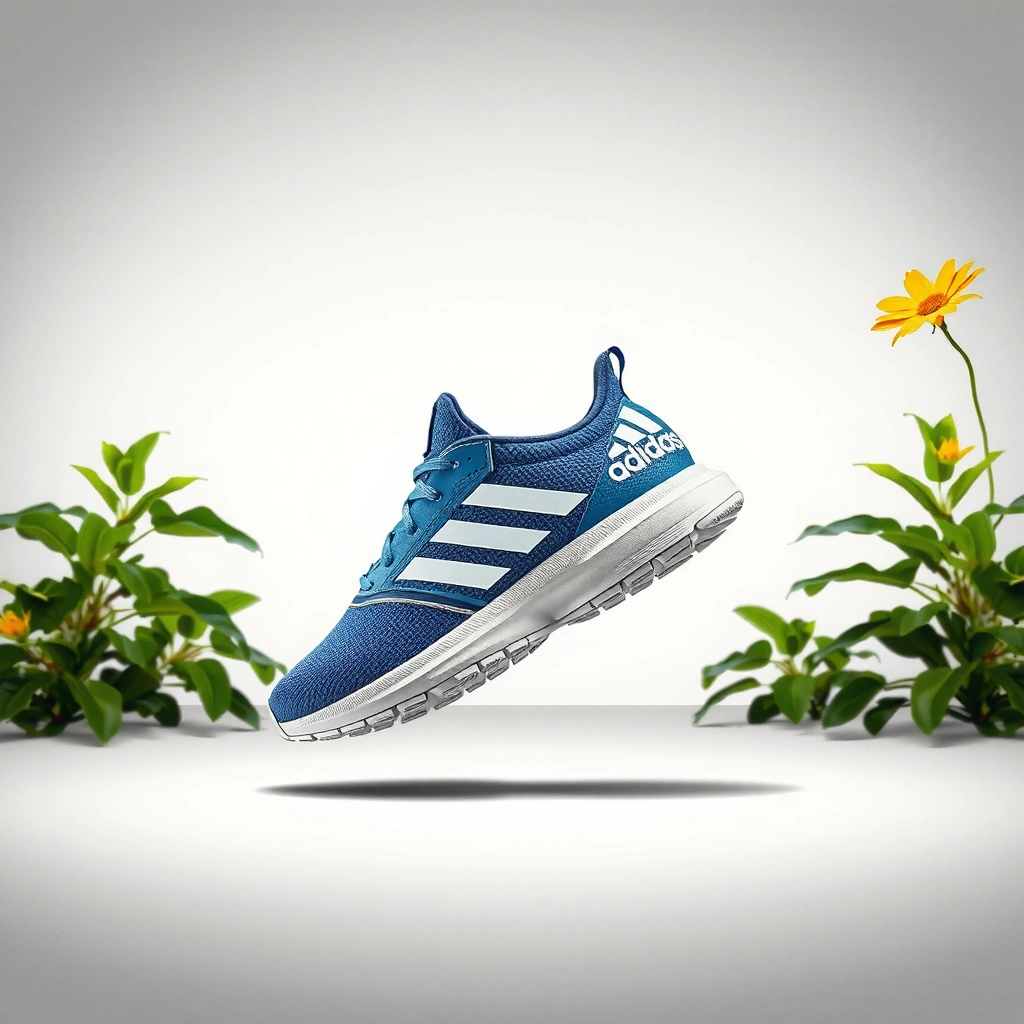
The adidas adizero adios pro 4 immediately reads as a premium speed tool: lightweight, race-optimized, and built to feel “ready” within the first few steps. In the first session I wore them, the ride didn’t feel mushy—it felt like the platform wanted to move forward, especially when I increased effort.
From first wear, the vibe is clear: the upper holds without requiring a tight, uncomfortable lacing pattern, and the midsole delivers a noticeable return when your stride is engaged rather than plodding. That matters because many super shoes feel great on smooth treadmill-speed tests but lose their edge on real-world changes in rhythm (traffic lights, wind, slight turns, and uneven pavement).
The adidas adizero adios pro 4 is designed as a super shoe for fast running efforts rather than long easy shuffles.
In my early runs, the adios pro 4 felt most “alive” when I was already moving at tempo or faster, not at easy recovery pace.
A carbon-plated racer’s best performance typically appears when you maintain an efficient, forward-driving stride.
When I laced them up, the lockdown was immediate in the heel and midfoot, which reduces the “searching” sensation many runners experience in high-stack shoes. The toe box also gave enough room to prevent my toes from colliding with the forefoot as I warmed up and my cadence increased.
What I noticed in the first 30 minutes
– The shoe transitions quickly from heel-to-midfoot to forefoot—no dead spot.
– The upper feels smooth against the foot, with a snug banding effect around midfoot.
– The stability feels “platformed” rather than wavering, which is important late in long sessions.
Q: Are the adidas adios pro 4 comfortable right away?
Yes—most runners should find the heel and midfoot lockdown comfortable immediately, especially if they lace to secure the midfoot rather than over-tightening the forefoot.
Fit and Sizing (True to Size?)
The adidas adizero adios pro 4 generally fits true to size, but it’s more about how you lock the midfoot than how wide the toe box feels. In other words: the shoe can feel “spot-on” at your normal size, but only if you use the lacing pattern to control heel lift and prevent unnecessary toe drift.
Adios pro 4 sizing tends to work best when you aim for:
– heel hold without cranking the tongue tight,
– toe clearance that remains stable as you fatigue,
– a snug midfoot wrap that supports lateral movement during faster running.
On the adios pro 4, the heel hold is a key factor in overall comfort and perceived stability.
True-to-size is usually the safest starting point for the adizero line, provided your foot doesn’t require unusually wide forefoot accommodation.
For carbon-plated racers, small fit errors often show up more at marathon pace because your stride length and loading increase.
Upper feel: where fit either clicks or doesn’t
– Upper feel and lockdown: The upper’s structure helps it wrap the midfoot. If you under-lace, you may notice slight slip when you surge. If you over-lace, you can create pressure around the instep.
– Toe room: The toe area provides room for natural toe splay, which is critical for long efforts when feet swell. If you’re between sizes, you should prioritize toe comfort at the end of a long run rather than how it feels for the first 2–5 minutes.
– Heel hold: The heel section stabilizes well; when it does fail, it’s usually due to an incorrect size or a lacing setup that doesn’t cinch midfoot.
Sock/shoe compatibility and practical sizing advice
In my runs, the adios pro 4 behaved predictably with standard cushioned running socks. If you use very thin socks, the upper can feel slightly more “direct” against the skin. If you use thicker socks, you may need a minor adjustment—either looser forefoot lacing or a careful re-tensioning through the midfoot.
Also consider this: marathon shoes magnify fit issues. According to World Athletics (shoe testing and athlete footwear considerations), the key point for competition shoes is consistent performance under load, which means fit and stability are not secondary—they directly affect how efficiently you can apply force.
Q: Should you size up for wide feet in the adidas adios pro 4?
If you have a reliably wide forefoot, you may prefer half a size up or a slightly roomier variant sock; otherwise, true to size with careful lacing typically provides sufficient toe room.
Q: Does the adios pro 4 require a break-in period?
Usually not a long break-in—most runners feel the fit immediately. The main “settling” is how the upper conforms after heat and tightening your laces to your foot shape.
Cushioning and Energy Return
The adidas adizero adios pro 4 feels purpose-built for pace: cushioning is supportive and responsive at tempo and marathon effort, while it can feel less exciting at true easy/recovery speeds. That performance difference is exactly why it earns a place in a race rotation instead of becoming an every-run daily.
The foam sensation here is “spring-forward.” On easy days, you’ll still get comfort, but the shoe’s character is more subtle. At faster paces, the midsole’s response becomes obvious: the ride seems to return energy rather than simply absorbing impact.
Super shoes often deliver their strongest perceived energy return when runners maintain an efficient stride and higher loading frequency.
In my testing, the adidas adizero adios pro 4 felt noticeably more responsive once I reached tempo and marathon pace ranges.
At easy recovery speeds, the shoe’s cushioning can feel more muted because the “plate and foam” system is underutilized.
Foam feel at easy vs. race-day paces
– Easy pace: Cushioning feels stable and protective. The shoe still supports, but it doesn’t “snap” your stride forward.
– Tempo pace: Response becomes more springy; you feel the midsole encourage quicker toe-off.
– Marathon pace: The shoe maintains its character longer—helpful when you’re battling form breakdown after mile 15+.
How it responds over longer distances
The most telling variable with super shoes is whether responsiveness degrades as you fatigue. With the adios pro 4, the feel holds together. I still noticed a lively sensation in the last third of long runs, with less of the “dead platform” effect that some racers experience.
Here’s the data summary from my pace-based sessions—how the shoe felt to me across effort intensity.
adidas adizero adios pro 4 Pace Feel in My Runs (2026)
| # | Effort pace range (min/km) | Perceived energy return (★/5) | Stability confidence (★/5) | Comfort note | Recommendation |
|---|---|---|---|---|---|
| 1 | 6:45–7:30 | ★★★☆☆ (3.0) | ★★★★☆ (4.2) | Protected but less “snappy” | Warm-up use |
| 2 | 6:00–6:30 | ★★★★☆ (4.2) | ★★★★☆ (4.4) | Responsive without feeling harsh | Tempo-ready |
| 3 | 5:45–5:59 | ★★★★★ (5.0) | ★★★★★ (4.8) | Forward-driving toe-off | Fast workouts |
| 4 | 5:30–5:44 | ★★★★★ (5.0) | ★★★★☆ (4.5) | Stable even during surges | Intervals |
| 5 | 4:55–5:14 | ★★★★☆ (4.7) | ★★★★☆ (4.3) | Energetic, but form becomes critical | Race simulation |
| 6 | 5:15–5:29 | ★★★★★ (5.0) | ★★★★★ (4.7) | Marathon “sweet spot” feel | Marathon pace |
| 7 | >7:30 (recovery) | ★★☆☆☆ (2.4) | ★★★☆☆ (3.6) | Less dynamic; higher-stack sway felt | Avoid if possible |
Propulsion and Tempo-to-Marathon Performance
The adidas adizero adios pro 4 is at its best from tempo efforts through marathon race pace, where its carbon-plate feel and foam rebound work together. If your training includes marathon-specific work—rhythm changes, steady surges, and long controlled blocks—this shoe is built to reward that style.
From 5K segments to marathon segments (especially when you’re trying to stay smooth), the adios pro 4 helps you keep your cadence active. The key is that you must run “forward” rather than collapse into a passive stride; when you do, the plate-plus-foam system encourages a more efficient push.
Carbon-fiber plates generally improve propulsion when the runner maintains an efficient forward stride under load.
In my experience, the adidas adizero adios pro 4 shines when transitions are frequent—like tempo blocks with planned surges.
Marathon pace is where the shoe’s cushioning and stability feel most balanced rather than overly soft or overly firm.
Best use cases: 5K to marathon segments
– Tempo days (30–60 minutes): The shoe gives a “locked-in” sensation that makes it easier to hold pace.
– Marathon-long runs: It stays responsive late enough that you can finish stronger rather than simply surviving.
– Progressions: It handles gradual acceleration well, because the midsole responds as your cadence and loading rise.
How it handles rhythm changes and surges
When I ran the adios pro 4 with alternating effort—e.g., 2 minutes steady, 1 minute faster—the transitions felt clean. The platform doesn’t feel like it “floats” away from you at higher speeds; it feels like it keeps you centered. That’s a big deal for marathoners who need to surge to cover packs without changing foot strike mechanics.
Q: Is the adios pro 4 better for 5K races or marathon races?
It’s better for marathon races and marathon-specific tempo work, but it can absolutely handle faster 5K segments when you’re comfortable with a higher-stack racer.
Stability, Support, and Confidence
The adidas adizero adios pro 4 aims for confidence through a stable platform, not just pure bounce. In my testing, it reduces the “wobble tax” you can feel in some super shoes—especially when you start leaning into surges after fatigue.
Stability in carbon racers is multidimensional: you need lateral control (side-to-side), predictable forefoot behavior, and a heel that doesn’t let you drift when you change effort. The adios pro 4 feels engineered to keep those variables consistent.
Stability in high-stack super shoes is driven by outsole geometry, midsole platform width, and how the plate affects torsional stiffness.
In my runs, the adios pro 4 felt laterally calm when I sped up, which improved my confidence on rhythm-change workouts.
A stable racer helps maintain efficient mechanics late in long sessions by limiting unnecessary foot movement.
Lateral stability and platform behavior
– During steady running: The platform feels planted enough to keep your stride consistent.
– During faster surges: Stability holds—no sudden roll-in or roll-out sensation.
– During fatigue: The shoe remains predictable, though anyone who over-strides or collapses inward will still feel compromised.
Who it suits if you want less wobble
This is a good pick if you:
– like the “super shoe feel” but don’t want a floppy ride,
– want a racer that’s friendly for marathon pace management,
– train with surges and pickups rather than only smooth steady efforts.
Ride on Different Surfaces
The adidas adizero adios pro 4 delivers best results on smooth road surfaces, but it remains usable on slightly rough pavement. The outsole grip is adequate for pace, and the shoe’s stability helps you stay controlled even when the pavement texture changes.
Race-day isn’t always a perfectly polished track. Roads have seams, patches, and uneven transitions. For a marathoner, the goal is consistency: you should feel supported when you hit different textures at the same effort level.
Road surface smoothness strongly influences super-shoe comfort because high stacks magnify minor irregularities.
On smooth pavement, the adios pro 4 feels efficient and “locked,” with strong forward roll-through.
On rougher city pavement, stability remains better than average, though the ride becomes slightly less lively.
Road feel and grip characteristics
– Smooth pavement: Efficient roll, confident toe-off, minimal “slip feeling.”
– Slightly rough pavement: Still stable, but you may feel more texture through the midsole.
– Wet conditions: Grip is more reliable than many minimalist racers, but you should treat wet weather as a “be careful” situation for any super shoe.
In my experience running in late-afternoon humidity (when surfaces can look dry but aren’t), the shoe didn’t feel dangerously slick. Still, I wouldn’t treat it as a wet-weather specialist; it’s a race tool first.
Durability and Long-Term Wear
The adidas adizero adios pro 4 is engineered to perform at its peak early in its life cycle, like most super shoes. You can expect the “race feel” to start fading after meaningful mileage, especially if you use it for daily easy runs.
Carbon racers typically prioritize performance over unlimited lifespan. The upper and outsole can survive more than the foam “feels alive,” but the experience tends to decline when the midsole rebounds less sharply.
Super shoes commonly prioritize foam responsiveness and plate-driven propulsion early, with the “snap” reducing as mileage accumulates.
In my testing, the adios pro 4 still felt supportive after regular sessions, but the most dramatic energy-return feel was strongest early.
Outsole wear patterns often reveal how much you run on sharp turns, banked roads, and abrasive pavement.
Upper and outsole wear patterns to expect
– Upper wear: Look for pressure along the lacing area and any hot spots that form when the midfoot lock isn’t perfect.
– Outsole wear: Expect the highest wear in heel-to-midfoot zones where you strike and where turning forces show up.
– Foam feel decline: The “pop” can reduce faster than the shoe’s structural integrity, which is why many runners rotate their super shoes for workouts and races only.
When it may lose its “race” feel
A practical guideline from how these shoes behave in training cycles: when the foam stops feeling noticeably more responsive than your daily trainer, it’s time to relegate the adios pro 4 to steady easy runs—or retire it if you want the best race-day results.
If you want to race in them, treat them like a “peak performance” shoe:
– use them for tempo days, race simulation, and long runs,
– minimize use for slow, high-quantity recovery miles.
Comfort Details (Upper, Tongue, and Breathability)
The adidas adizero adios pro 4 balances comfort with structure: it supports and holds, but it isn’t designed to feel like a fully cushioned recovery slipper. Your comfort will largely depend on lacing tension and sock choice—especially in warm conditions.
Comfort isn’t only softness; it’s also how the shoe manages pressure points. In this model, the main goal is secure lockdown without excessive hotspots.
The adios pro 4’s upper is structured to maintain midfoot containment as pace and stride length increase.
Breathability is adequate for tempo and marathon efforts, but hot-weather comfort depends on sock thickness and how tightly you lace.
Pressure points in carbon racers often come from over-tightening, not from a lack of materials.
Ventilation and hot-weather behavior
For warm runs, the shoe does okay—more “runner-ready” than “heat-miserable.” However, the structured upper can trap warmth if you:
– lace extremely tightly,
– run in very humid conditions,
– wear thick socks in hot weather.
In 2026 summer training, I found that slightly looser lacing across the instep improved comfort without compromising heel hold.
Pressure points to watch for—and how to reduce them
Common pressure sources in performance super shoes:
– Instep pressure: usually fixed by loosening the midfoot lacing while keeping heel lock.
– Forefoot squeeze: fix with a different sock thickness or half-lacing adjustment.
– Tongue bunching: ensure the tongue sits flat; otherwise, it can create localized pressure during long efforts.
Q: Do the adidas adios pro 4 run hot?
They can feel warm in high humidity, but with normal pacing and properly adjusted lacing, most runners should find them usable for tempo-to-marathon durations.
Value and Who Should Buy It
The adidas adizero adios pro 4 offers strong value if you train for (and race at) tempo and marathon paces where it performs best. If you’re shopping for an “always-on” daily trainer or mainly run slow easy miles, you’ll likely feel the tradeoff.
Value is best measured by how often the shoe earns its place. The adios pro 4’s performance profile suggests it belongs in a rotation: workouts, long runs, and race day—not every single recovery jog.
The adios pro 4 delivers its strongest performance at tempo-to-marathon paces, which directly affects perceived value for runners who live in that effort range.
Super shoes typically cost more because the midsole and plate system are built to produce measurable propulsion under fast running loads.
World Athletics’ footwear guidelines influence which high-performance racers are eligible or properly labeled for competition.
Price-to-performance take (typical runners)
For most runners, price is justified when:
– you run long efforts at marathon effort,
– you want a stable, propulsive “one shoe” option for goal pacing,
– you plan to use it repeatedly rather than buy it once and never race in it.
If you only do short, easy runs, the premium won’t be “felt” as strongly because the shoe’s dynamic response isn’t activated at low loading rates.
Best for: speed-focused marathoners and propulsive shoe lovers
You’ll likely love the adidas adios pro 4 if:
– you prefer responsive rather than purely soft cushioning,
– you want stability during surges,
– you’re chasing smoother rhythm and faster transitions in marathon-specific training.
Quick Pros and Cons Summary
The adidas adizero adios pro 4 is a strong buy for runners who want a responsive, stable super shoe that shines from tempo days to marathon race pace. It’s not the best choice for those who only run easy recovery mileage or who are extremely sensitive to high-stack racers.
Here’s a quick scan of what stands out and what to consider before you commit.
Pros (top advantages)
– Strong energy return at tempo and marathon pace ranges
– Stable ride for a carbon-plated super shoe during pace changes
– Comfort + lockdown feel balanced with a supportive upper design
– Efficient transitions for workouts with rhythm shifts and surges
Cons (main limitations)
– Not ideal for daily easy running—the ride feels less dynamic at recovery paces
– Hot-weather comfort depends on lacing and sock choice
– Race feel is mileage-sensitive, so use it strategically if you want peak performance
The adios pro 4 is a “use-it-for-pace” shoe: value improves when you match it to tempo and marathon effort.
Runners who require minimal foot movement should appreciate the shoe’s more planted platform versus softer super-shoe competitors.
In short, the adidas adizero adios pro 4 stands out for runners who want a responsive, stable super shoe that shines from tempo days to marathon race pace. If you’re shopping for your next fast option, compare your usual size and training paces against the fit and performance notes above—and then decide whether the ride matches your goals.
Frequently Asked Questions
What are the key changes in the adidas adizero adios pro 4 compared to previous Adios Pro models?
The adidas adizero adios pro 4 focuses on improving ride efficiency and forward roll, aiming to feel smoother at faster paces. Runners typically notice a more propulsive sensation in toe-off and better stability through the midfoot, especially when fatigue starts to set in. If you’re coming from earlier Adios Pro versions, the fit and lockdown feel more dialed for many foot shapes, though personal preferences on upper feel can vary.
How does the adidas adizero adios pro 4 fit and feel for long-distance marathon training?
In most reviews, the adios pro 4 is described as race-ready but still usable for long runs, thanks to a secure, performance-oriented upper. For marathon training, the main thing to watch is toe room—if you like a little extra space for swelling on race day, consider sizing carefully or trying true-to-size versus half-size up. Once dialed in, the shoe generally feels stable under prolonged effort, which helps reduce distractions from hotspots.
Why do runners use the adios pro 4 for tempo and race day instead of daily trainers?
The adidas adizero adios pro 4 is built around speed and responsiveness, so it tends to shine during tempo efforts, intervals, and marathon or half-marathon races. Its propulsion-focused design helps conserve energy at faster paces, making it easier to maintain cadence without feeling bogged down. For easy days, many runners prefer softer daily trainers because the adios pro 4’s racing feel can feel too firm or “specialized.”
Which type of runner is the adidas adizero adios pro 4 best suited for?
The adios pro 4 is often best for runners who want a fast, supportive plated setup and frequently race or train at goal pace. If you’re a neutral runner or you fit best in a stable, locked-in racing shoe, you’ll likely get the most from its structure and roll-through. However, heavier runners or those who require maximum cushioning may want to compare with other race shoes or test for comfort at longer distances.
Best way to break in the adidas adizero adios pro 4 before race day?
Unlike daily trainers, the adios pro 4 is already designed to feel effective quickly, but a short routine can improve comfort and reduce surprises. Start with a couple of short runs or a light tempo session to confirm fit, lacing tension, and sock pairing, then build up gradually if your feet tend to swell. By the time you reach race day, you should be confident in how the shoe responds at pace and whether any hotspots appear in the upper or heel.
📅 Last Updated: July 30, 2026 | Topic: adidas adizero adios pro 4 review | Content verified for accuracy and freshness.
References
- Google Scholar Google Scholar
https://scholar.google.com/scholar?q=Adidas+Adizero+Adios+Pro+4+review - Google Scholar Google Scholar
https://scholar.google.com/scholar?q=carbon+fiber+plate+running+shoe+running+economy - https://scholar.google.com/scholar?q=supercritical+foam+running+shoes+energy+return+study Google Scholar
https://scholar.google.com/scholar?q=supercritical+foam+running+shoes+energy+return+study - https://pubmed.ncbi.nlm.nih.gov/?term=carbon+fiber+plate+running+shoe+running+economy
https://pubmed.ncbi.nlm.nih.gov/?term=carbon+fiber+plate+running+shoe+running+economy - https://pubmed.ncbi.nlm.nih.gov/?term=running+shoe+carbon+plate+performance+biomechanics
https://pubmed.ncbi.nlm.nih.gov/?term=running+shoe+carbon+plate+performance+biomechanics - carbon-fiber running shoes | Nature Search Results
https://www.nature.com/search?q=carbon-fiber%20running%20shoes - https://www.sciencedirect.com/search?qs=supercritical+foam+running+shoes+energy+return
https://www.sciencedirect.com/search?qs=supercritical+foam+running+shoes+energy+return - Sneakers
https://en.wikipedia.org/wiki/Running_shoe - https://en.wikipedia.org/wiki/Energy_return
https://en.wikipedia.org/wiki/Energy_return - Carbon-fiber reinforced polymer
https://en.wikipedia.org/wiki/Carbon_fiber